




- Login
- Register


News
The latest updates from COMOON. Stay tuned to not miss any information!
CAN YOU FREEZE COCONUT MILK? TIPS FOR FREEZE, STORING AND USING FROZEN COCONUT MILK
Friday, 10/07/2026, 19:34
COMOON - A Trusted Industrial Frozen Coconut Milk Supplier
COMOON, a member of HungHau Foods, specializes in manufacturing and supplying high-quality coconut-based products for both domestic and international markets. Using carefully selected coconuts sourced from Vietnam's renowned coconut-growing regions in the Mekong Delta, especially Ben Tre Province, COMOON delivers premium coconut products that meet the stringent quality requirements of the global food industry.

COMOON's frozen coconut milk is manufactured in a closed production system and processed using advanced IQF (Individual Quick Freezing) technology. This process helps preserve the natural creaminess, authentic coconut flavor, and nutritional value of fresh coconut milk. The product is suitable for a wide range of applications, including beverages, ice cream, confectionery, sauces, soups, curries, processed foods, and plant-based food products.
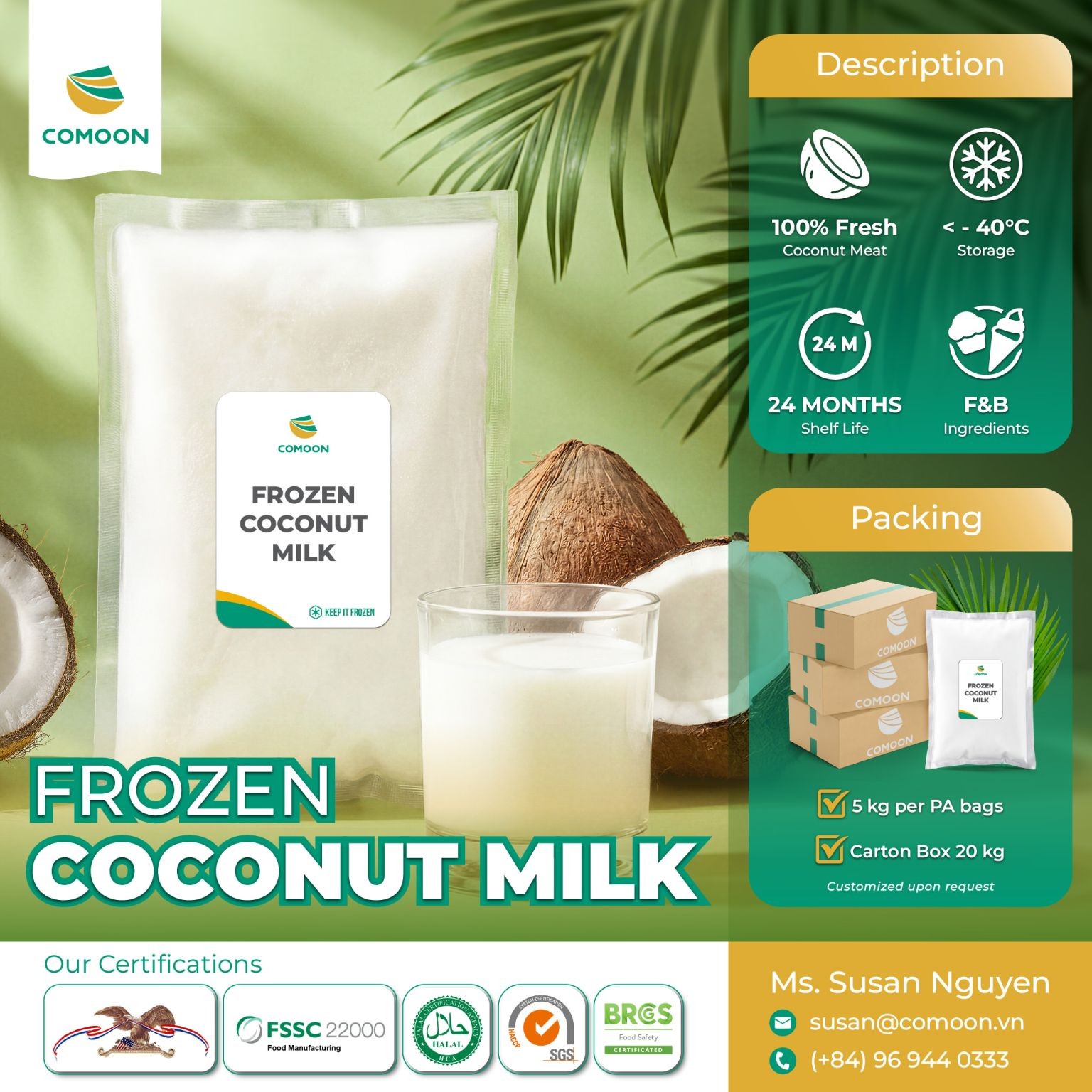
To meet the diverse needs of B2B customers, COMOON offers flexible packaging options, large-scale production capacity, and comprehensive export services. The company operates under internationally recognized quality management systems and certifications, including BRCGS, FSSC 22000, FDA, HALAL, SGS, and other global standards, enabling it to satisfy the strict requirements of international export markets.
If you are looking to develop your own product line or seeking a reliable OEM or Private Label manufacturing partner, COMOON is ready to provide product samples, technical consultation, and complete export documentation tailored to your target market.
Freezing is an effective way to extend the shelf life of coconut milk while preserving its natural flavor, creamy texture, and nutritional value. By following proper freezing, storage, and thawing practices, you can enjoy high-quality coconut milk for a wide variety of culinary and beverage applications.
We hope this article has provided valuable insights into how to freeze, store, thaw, and use frozen coconut milk effectively. Whether you're preparing meals at home or sourcing ingredients for commercial food production, choosing high-quality frozen coconut milk can help ensure consistent results, greater convenience, and outstanding product quality.
In beverage preparation, frozen coconut milk is commonly used in tropical fruit smoothies, smoothie bowls, bubble tea, coconut coffee, coconut milk beverages, cocktails, mocktails, and fruit juices. It provides natural richness and a smooth mouthfeel without relying heavily on dairy cream or artificial creamers. For cafés, beverage shops, and F&B chains, frozen coconut milk also helps standardize recipes, improve portion control, and ensure consistent flavor across every serving.
Frozen coconut milk is equally important in the bakery and dessert industry. It is widely used in coconut ice cream, popsicles, gelato, pudding, panna cotta, mousse, Vietnamese sweet soups (chè), coconut jelly, flan, cakes, bread, sponge cakes, and various dessert toppings. Its natural creaminess and excellent blending properties contribute to a smooth texture, rich aroma, balanced flavor, and enhanced overall product quality.
For manufacturers of confectionery, ice cream, and beverages, frozen coconut milk offers several operational advantages, including a stable year-round supply, extended shelf life, easy transportation, and reduced ingredient loss during production. These benefits help optimize production costs while ensuring consistent quality across every manufacturing batch.
Storage and Usage Tips for Frozen Coconut Milk
Although frozen coconut milk has a much longer shelf life than fresh coconut milk, proper storage and handling remain essential to maintain product quality, flavor, and food safety.
Correct storage not only preserves its natural creaminess and coconut aroma but also helps prevent spoilage and microbial contamination during use.
How Long Does Frozen Coconut Milk Last?
When stored continuously at -18°C (0°F) or below, frozen coconut milk can maintain excellent quality for approximately 6 to 12 months. Under proper frozen storage conditions and with airtight packaging, it retains most of its natural flavor, creamy texture, and nutritional value. The actual shelf life depends on several factors, including the quality of the original coconut milk, the manufacturing process, and the freezing method. Coconut milk frozen immediately after extraction or processed using advanced freezing technology generally maintains superior quality compared to products left at room temperature before freezing.
After thawing, coconut milk should be refrigerated at 0–4°C (32–39°F) and consumed within 2–3 days. It should never be left at room temperature for extended periods, as this may encourage microbial growth and compromise food safety.
It is also not recommended to refreeze thawed coconut milk. Repeated freezing and thawing can break down the natural emulsion, resulting in greater separation, reduced flavor, and lower product quality.
Signs That Frozen Coconut Milk Has Spoiled
Before using frozen coconut milk, always inspect its condition to ensure safety and quality. One of the most obvious signs of spoilage is a sour or fermented odor. Fresh coconut milk has a naturally rich coconut aroma. If it develops an unpleasant smell, sour scent, or any unusual odor, it should be discarded immediately.
Texture is another important indicator. While slight separation after thawing is completely normal and can be corrected by stirring, coconut milk should not be used if it develops unusual sediment, excessive lumps, a slimy texture, or cannot be re-emulsified after mixing.
When stored and handled correctly, frozen coconut milk will maintain its natural richness, authentic coconut flavor, and excellent performance in a wide variety of food and beverage applications.
What Are the Advantages of Frozen Coconut Milk for Industrial Food Production?
As the food and beverage industry continues to grow, frozen coconut milk has become an increasingly popular ingredient due to its consistent quality, extended shelf life, and suitability for large-scale manufacturing. Compared with fresh coconut milk, frozen coconut milk enables manufacturers to better manage raw materials, optimize operating costs, and maintain consistent quality across every production batch.
With the support of modern freezing technology, frozen coconut milk retains its natural creaminess, authentic coconut flavor, and nutritional value even after extended storage. This makes it an ideal solution for food manufacturers, foodservice providers, importers, distributors, and international brands.
IQF Freezing Technology Extends Shelf Life
One of the key advantages of frozen coconut milk is that it is frozen immediately after production, rapidly reducing the product temperature to optimal storage conditions. This rapid freezing process slows microbial activity and enzymatic reactions, significantly extending shelf life while preserving ingredient quality. Compared with conventional preservation methods, IQF (Individual Quick Freezing) technology offers several important benefits:
- Preserves the natural coconut flavor and creamy texture.
- Minimizes nutrient loss during storage.
- Extends shelf life when stored at -18°C (0°F) or below.
- Reduces ingredient loss during storage and distribution.
- Provides a stable year-round supply regardless of seasonal coconut harvests.
For food manufacturers, these advantages ensure consistent product quality while reducing supply chain challenges during periods of high market demand.
Serving B2B Partners and Global Export Markets
Today, frozen coconut milk is not only popular in domestic markets but is also exported worldwide.
It is suitable for a wide range of industries, including:
- Food and beverage manufacturers
- Restaurants, hotels, and foodservice providers
- Food ingredient importers and distributors
- OEM and private label product developers
- Manufacturers of vegan and plant-based foods
Thanks to its long shelf life and compatibility with cold-chain logistics, frozen coconut milk can be shipped to international markets while maintaining excellent quality upon arrival.

Flexible packaging options also allow businesses to choose formats that best suit their production needs, from small-scale operations to large industrial manufacturing. In addition, using frozen ingredients enables B2B partners to plan production more efficiently, reduce the risk of supply chain disruptions, and optimize inventory and storage costs.
What Happens When Coconut Milk Is Frozen?
During freezing, the water naturally present in coconut milk turns into ice crystals. This is a normal physical process that occurs in most water-containing foods.
As a result, frozen coconut milk may undergo a few minor changes after thawing:
The fat may separate from the liquid.
The texture may become slightly less uniform than before freezing.
A layer of fat may appear on the surface.
These changes are completely normal and do not indicate spoilage. Simply stir or whisk the thawed coconut milk until it becomes smooth and creamy again before use. When coconut milk is frozen quickly at the proper temperature, these structural changes are minimized, helping preserve its creamy texture and authentic coconut flavor.
Does Frozen Coconut Milk Retain Its Creaminess and Flavor?
When properly frozen and stored under appropriate conditions, frozen coconut milk retains most of its natural richness, creamy texture, distinctive coconut aroma, and nutritional value.
Compared with refrigeration, freezing significantly extends the shelf life of coconut milk without the need for added preservatives. This makes frozen coconut milk a practical and convenient option for both home cooks and commercial food manufacturers seeking longer storage while maintaining product quality.
However, the quality of frozen coconut milk after thawing depends on several factors, including:
- The quality of the original coconut milk.
- The fat content of the coconut milk.
- The freezing rate.
- Storage temperature.
- Storage duration.
- The thawing method.
When produced using advanced freezing technology and stored continuously at the appropriate temperature, frozen coconut milk can retain a quality that is remarkably close to fresh coconut milk after thawing. This makes it an excellent ingredient for the food, beverage, and foodservice industries.
How to Freeze Coconut Milk Properly at Home
Freezing is one of the most effective ways to extend the shelf life of coconut milk while preserving its natural flavor and nutritional value. However, to maintain the best possible quality after thawing, it is important to follow the correct freezing procedures.
Below are a few simple steps to help you freeze coconut milk properly at home.
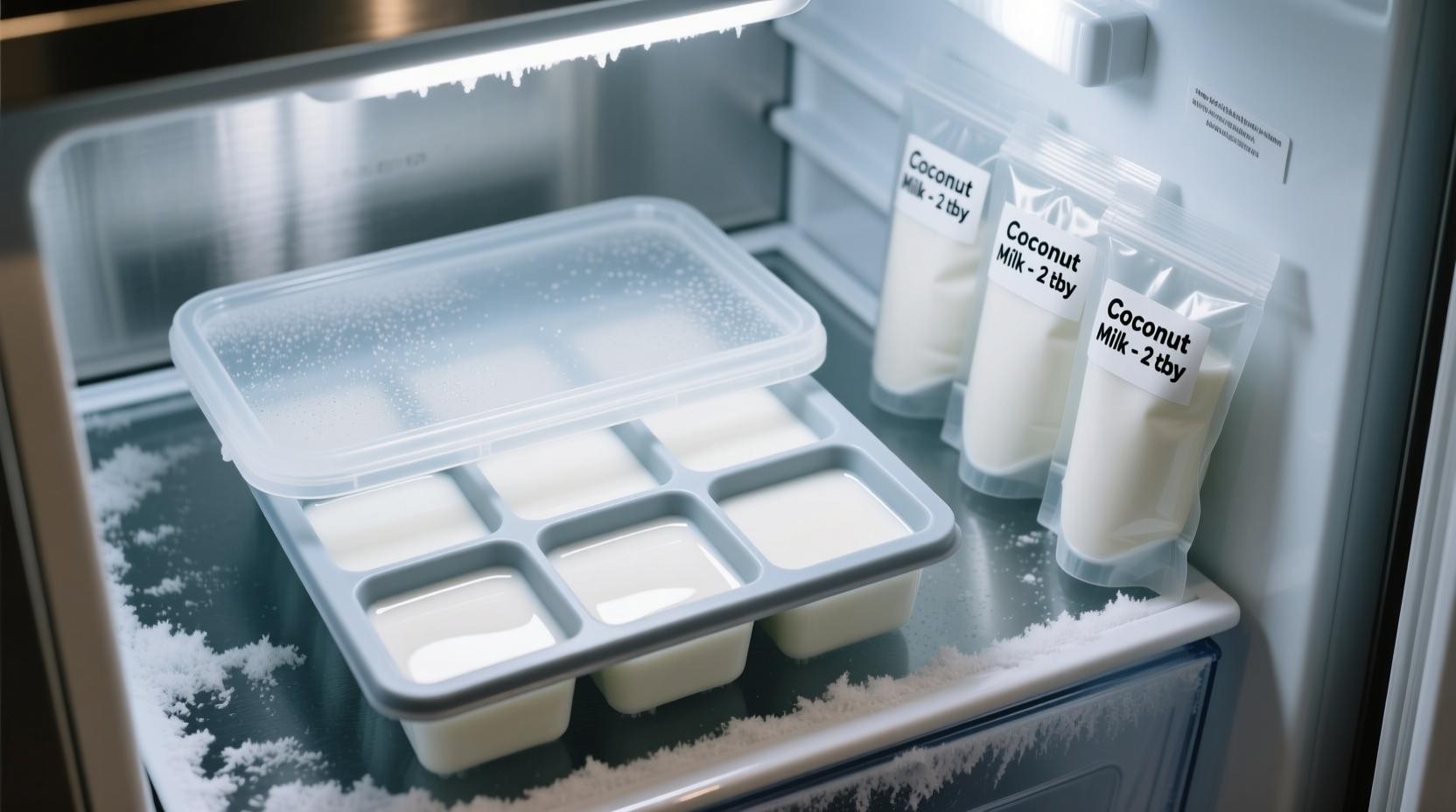
Divide Coconut Milk into Small Portions Before Freezing
Before placing coconut milk in the freezer, divide it into smaller portions based on the amount typically needed for each recipe. This prevents you from having to thaw the entire batch every time you cook and helps avoid repeated freezing and thawing, which can negatively affect product quality.
For home use, portions of 100–250 ml are generally suitable for preparing curries, soups, desserts, or beverages. Restaurants and commercial kitchens may choose larger portion sizes to accommodate daily production requirements.
Should You Use Ice Cube Trays, Freezer Bags, or Food Storage Containers?
| Storage Container | Advantages | Best For |
|---|---|---|
| Ice Cube Trays | Freeze coconut milk into small portions for quick thawing and easy portion control. | Beverages, smoothies, coffee, and sauces. |
| Resealable Freezer Bags | Save freezer space, help prevent odor absorption, and are suitable for storing larger quantities. | Home kitchens, restaurants, and cafés. |
| Food-Grade Plastic or Glass Containers | Protect coconut milk from absorbing odors and help maintain product quality during long-term storage. | Larger quantities for home or commercial use. |
Table: Recommended Storage Containers for Frozen Coconut Milk
Label the Freezing Date
Although simple, labeling the freezing date is an important step.
Writing the freezing date on the container or packaging makes it easy to monitor storage time and ensures that older batches are used first.
Following the First In, First Out (FIFO) principle helps maintain optimal product quality while reducing unnecessary food waste.
You may also include additional information on the label, such as:
Freezing date
Weight or volume
Intended use (curries, baking, beverages, desserts, etc.)
For restaurants, hotels, and food manufacturers, proper labeling also supports efficient inventory management, improves traceability, and helps meet food safety requirements.
How to Thaw Frozen Coconut Milk Without Separation
After freezing, it is common for coconut milk to separate into layers once thawed. This occurs because the fat naturally separates from the water during the freezing process. This separation is completely normal and does not indicate that the product has spoiled or lost its quality. When thawed properly, frozen coconut milk retains its rich creaminess, natural coconut aroma, and can be used in almost any food or beverage recipe.
Below are the safest and most effective methods for thawing frozen coconut milk while maintaining its original quality.
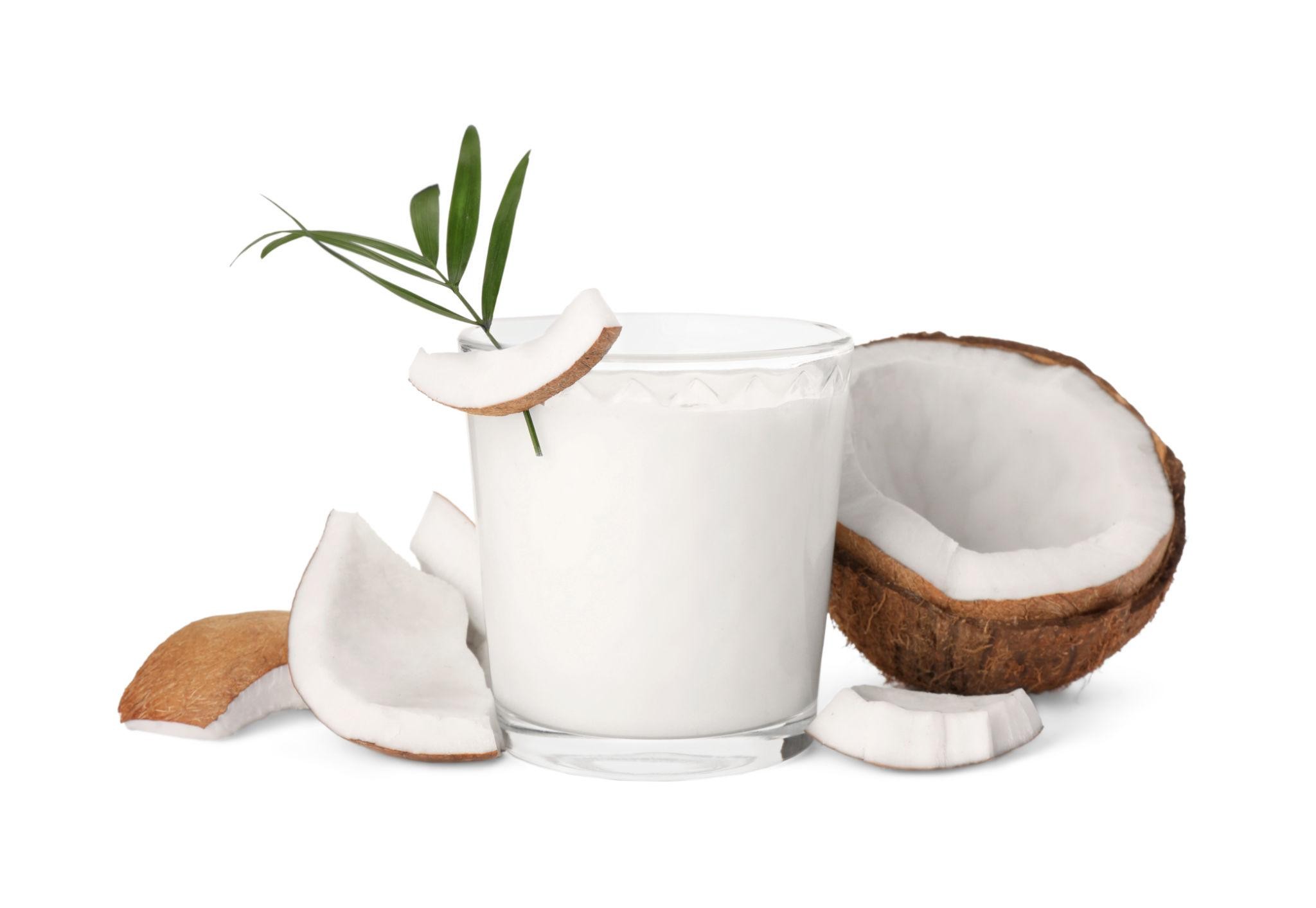
Safe and Convenient Ways to Thaw Frozen Coconut Milk
Depending on how much time you have and how you plan to use it, you can choose one of the following thawing methods.
Thaw in the Refrigerator
This is the recommended method because it allows the coconut milk to thaw gradually, minimizing separation and preserving its natural flavor and texture.
Simply transfer the frozen coconut milk from the freezer to the refrigerator and let it thaw for 8–12 hours, or overnight. Once thawed, stir or gently shake it before use to restore a smooth consistency.
Thaw in Cold Water
If you need coconut milk more quickly, place the sealed bag or container in a bowl of cold water. Be sure to keep the packaging tightly sealed throughout the process to prevent water from entering the product.
Depending on the quantity, thawing typically takes 30–60 minutes.
Add It Directly to Hot Dishes
For recipes such as curries, soups, and stews, frozen coconut milk can be added directly to the pot while the dish is simmering over low heat.
The heat from the food will gradually melt the coconut milk, eliminating the need for pre-thawing and saving preparation time.
Be sure to stir well so the coconut milk blends evenly with the other ingredients.
Avoid Using Hot Water or High Microwave Settings
Many people try to speed up thawing by using boiling water or a microwave on high power. However, these methods can cause the fat to separate more noticeably, affecting the texture of the coconut milk.
Excessive heat may also reduce its natural coconut aroma and compromise the overall quality of the product.
Tips to Restore a Smooth Texture After Thawing
If your frozen coconut milk separates after thawing, there's no need to worry. This is a completely normal occurrence and can be easily corrected with a few simple steps.
Stir Thoroughly After Thawing
The easiest solution is to stir the coconut milk for 1–2 minutes until the fat and liquid are fully recombined, restoring a smooth and creamy consistency.
Shake Well if Stored in a Bottle
If the frozen coconut milk has been stored in a sealed bottle or container, simply shake it vigorously for 20–30 seconds before opening.
Use a Blender
If significant separation occurs after extended storage, blend the coconut milk with an immersion blender or milk frother for 15–30 seconds.
This helps re-emulsify the fat and liquid, producing a smoother, more uniform texture.
What Can Frozen Coconut Milk Be Used For?
Because it retains its natural creaminess, authentic coconut flavor, and nutritional value after freezing, frozen coconut milk is widely used in both food and beverage preparation. Compared with fresh coconut milk, it offers a significantly longer shelf life, is easier to transport and store, and is always ready to use whenever needed.
From traditional dishes and desserts to modern beverages and large-scale food manufacturing, frozen coconut milk provides a reliable ingredient solution that saves preparation time while ensuring consistent product quality.
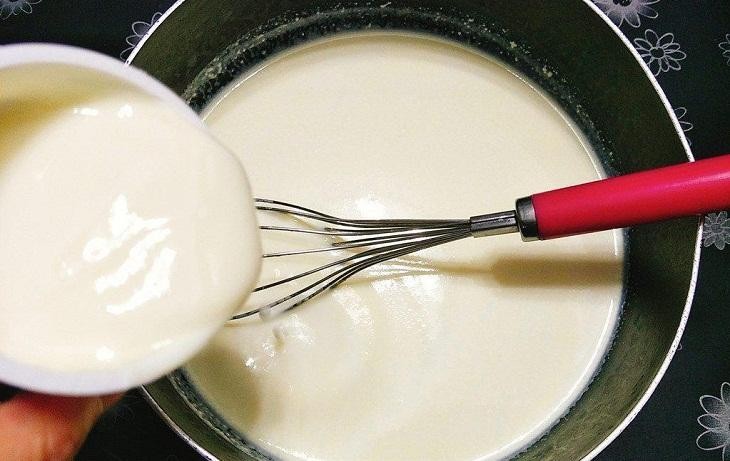
Cooking Applications
Frozen coconut milk is a staple ingredient in many Asian cuisines, especially in dishes that require a rich, creamy texture and authentic coconut flavor. When properly thawed, it retains its natural taste and can be used just like fresh coconut milk.
Common dishes prepared with frozen coconut milk include:
- Thai, Indian, Malaysian, and Vietnamese curries
- Soups such as pumpkin soup, seafood soup, mushroom soup, and vegetable soup
- Coconut milk-based hot pots
- Coconut sauces for seafood, grilled meats, and noodles
- Southeast Asian braised and stewed dishes
- Traditional Vietnamese sweet soups (chè) and other coconut-based desserts
Beyond adding creaminess, coconut milk also balances spicy flavors, softens acidity, and enhances the richness of broths and sauces, creating dishes with a more harmonious flavor profile and appealing appearance.
For restaurants, hotels, and industrial kitchens, frozen coconut milk also improves operational efficiency by reducing preparation time, minimizing ingredient waste, and ensuring consistent food quality.
Beverages, Ice Cream, and Desserts
In addition to savory dishes, frozen coconut milk is widely used in the beverage and dessert industries thanks to its naturally creamy texture, rich coconut flavor, and excellent compatibility with a wide range of ingredients. When thawed correctly, it maintains its creaminess and authentic taste, making it both a convenient and high-quality ingredient.
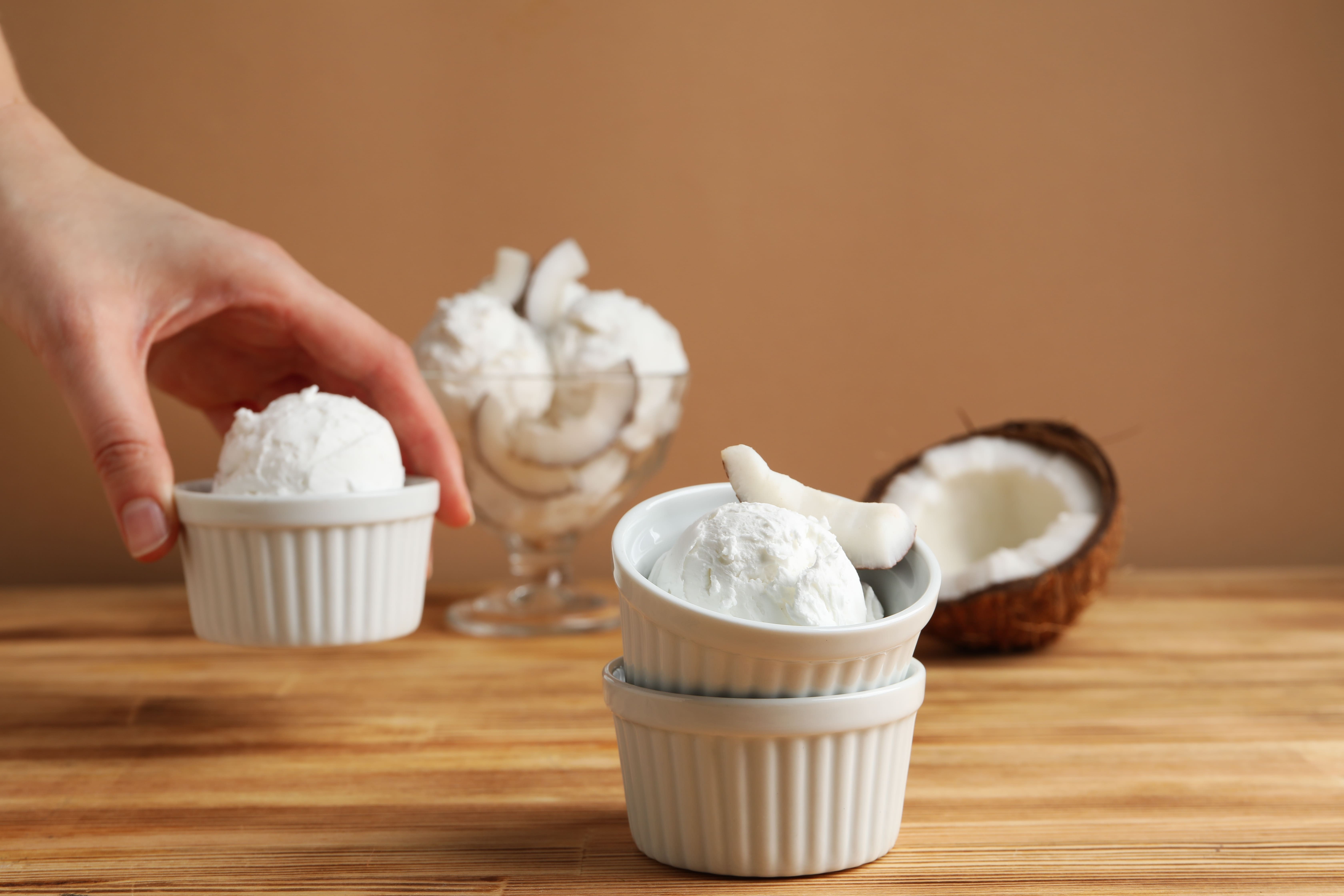
Today, in addition to home freezing methods, many food manufacturers utilize advanced freezing technologies to produce frozen coconut milk, allowing for an extended shelf life while maintaining product quality for both domestic and international markets.
Coconut milk contains a relatively high amount of natural fat along with small amounts of protein and carbohydrates. When frozen at an appropriate temperature—typically -18°C (0°F) or below—these components remain stable, helping to inhibit microbial growth and slow down oxidation. During freezing, the water content forms ice crystals while the fats and proteins remain largely intact. As a result, once thawed, coconut milk can still be used in a wide range of recipes, including curries, soups, desserts, beverages, and baked goods.
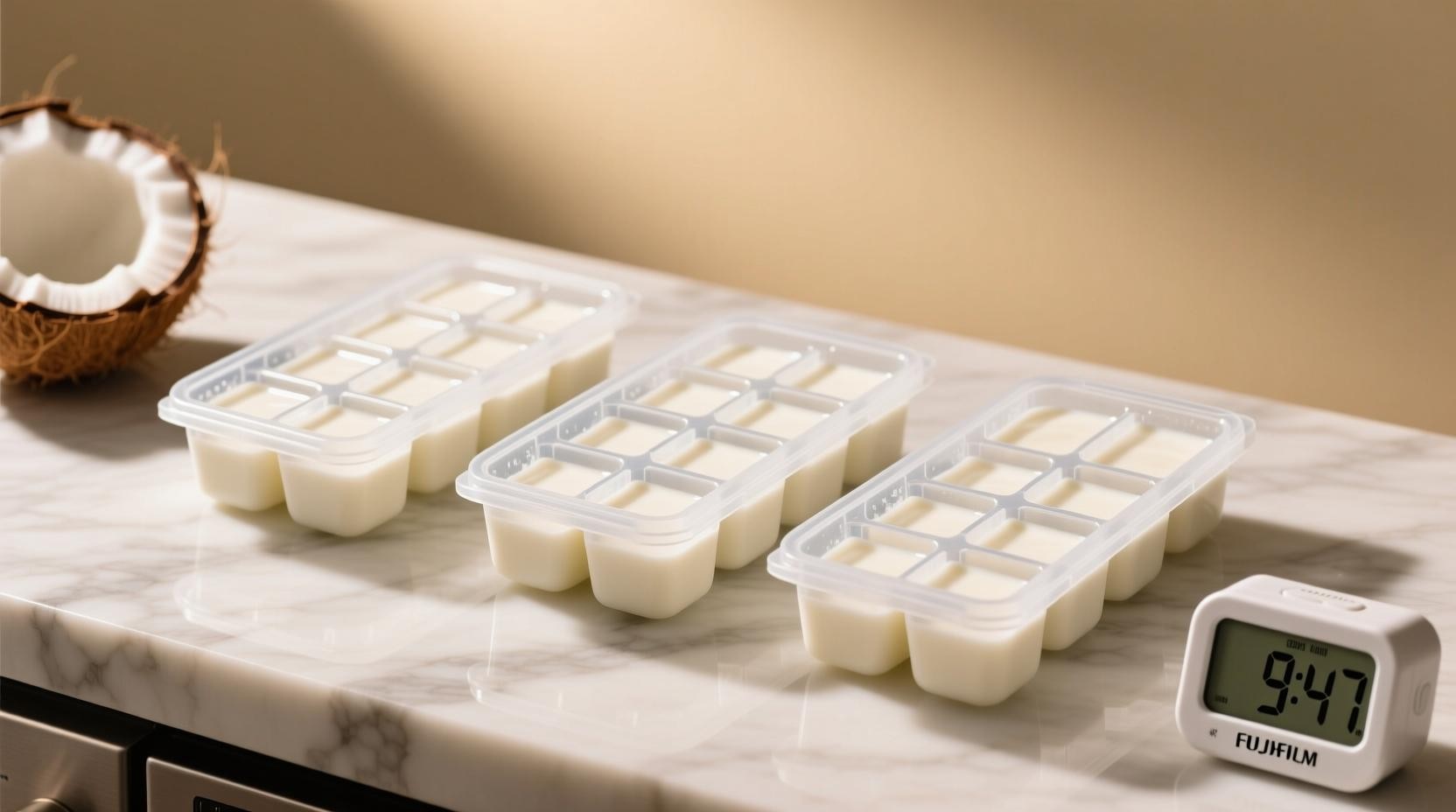
Coconut milk can be frozen to extend its shelf life while retaining most of its natural flavor and nutritional value when stored properly.
Can You Freeze Coconut Milk?
Share :
Customer comments
Other news
COMOON Co., Ltd.
58 Co Giang Street, Cau Ong Lanh Ward, District 1, Ho Chi Minh City, Vietnam
T: (+84) 366 053 666
- Business Registration No.: 0318171053
- Issued on November 17, 2023 by the Department of Planning and Investment of Ho Chi Minh City.

Copyright © 2024 COMOON


