




- Login
- Register


News
The latest updates from COMOON. Stay tuned to not miss any information!
COCONUT MEAT: COMPOSITION, NUTRITIONAL VALUE, TYPES, HEALTH BENEFITS, AND APPLICATIONS
Thursday, 30/07/2026, 06:37
Coconut meat is the white edible flesh found inside a coconut, valued for its naturally rich flavor and impressive nutritional profile. But what are the health benefits of coconut meat? What nutrients does it provide, and how can you enjoy it as part of a balanced diet? Let's explore in the article below.
What Is Coconut Meat? How Does It Differ Between Young and Mature Coconuts?
Coconut meat is the edible white flesh inside the coconut and is a versatile ingredient widely used in foods, beverages, and processed coconut products. However, not all coconut meat is the same. Depending on the maturity of the coconut, the flesh varies in texture, thickness, flavor, nutritional composition, and culinary applications. Understanding these differences can help you choose the most suitable type for your intended use.
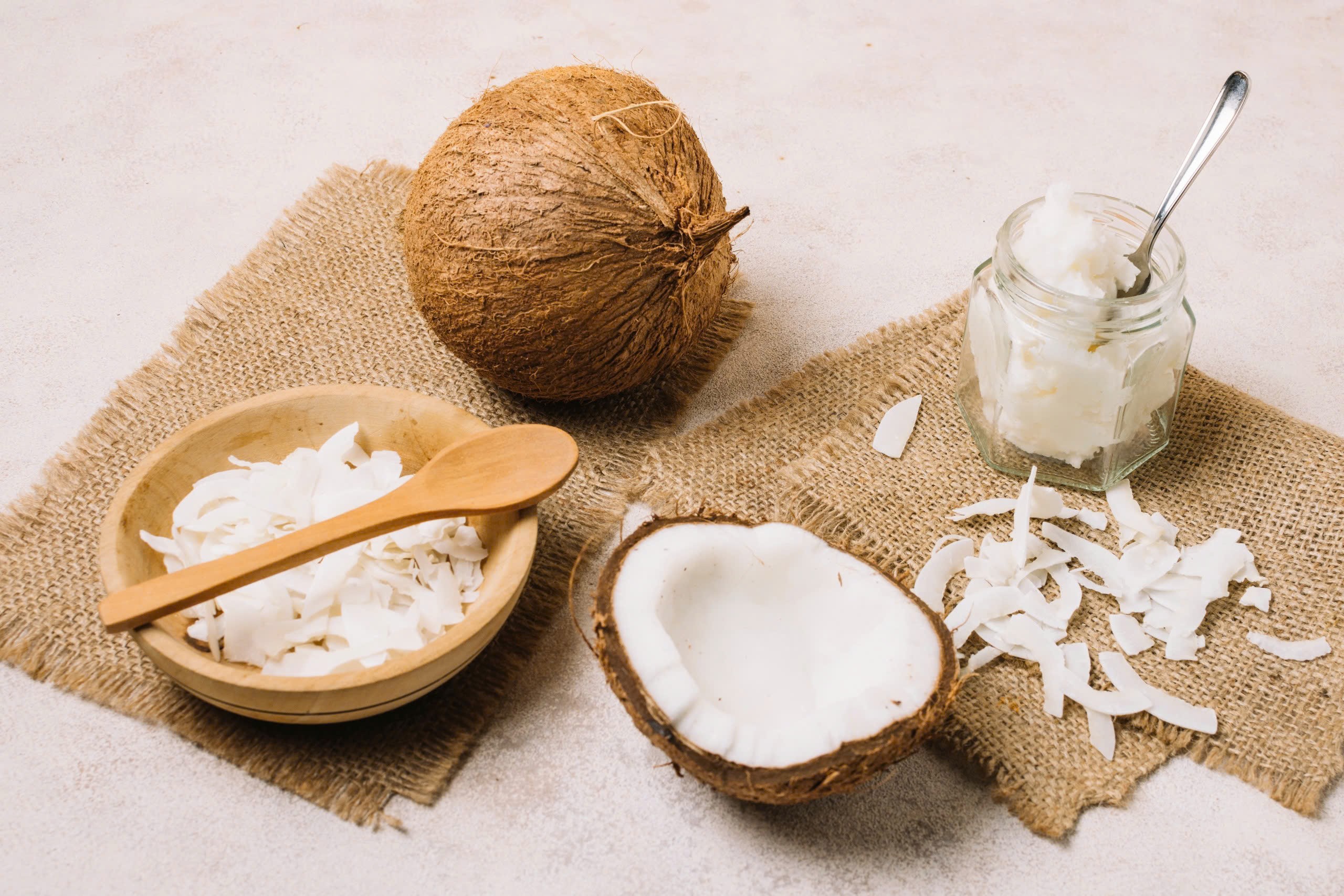
What Is Coconut Meat?
Coconut meat is the white edible flesh found inside the coconut, formed from the fruit's endosperm. Depending on the maturity of the coconut, the meat varies in texture, thickness, and flavor, making it suitable for a wide range of applications in food processing, beverages, desserts, and other coconut-based products.
Difference Between Young Coconut Meat and Mature Coconut Meat
| Criteria | Young Coconut Meat | Mature Coconut Meat |
| Texture | Soft, smooth, and juicy | Thick, firm, crisp, or chewier |
| Color | Translucent white to off-white, soft and moist | Opaque white, brighter in color, thicker and firmer |
| Flavor | Mild, lightly creamy, and refreshing | Rich, creamy, with a distinctive coconut flavor |
| Water Content | High | Lower |
| Oil Content | Low | Higher, rich in natural fats |
| Common Uses | Eaten fresh, used in jelly, sweet soups, smoothies, and served with coconut water | Used for candied coconut, coconut milk, frozen coconut meat, desiccated coconut, and various processed food products |
Each type of coconut meat offers its own nutritional value and unique advantages. While young coconut meat is prized for its soft texture, natural sweetness, and refreshing taste, mature coconut meat is widely used in food processing thanks to its thick flesh, rich coconut flavor, and higher natural fat content. It is also the preferred raw material for producing frozen coconut meat, helping preserve its taste, texture, and quality after harvest.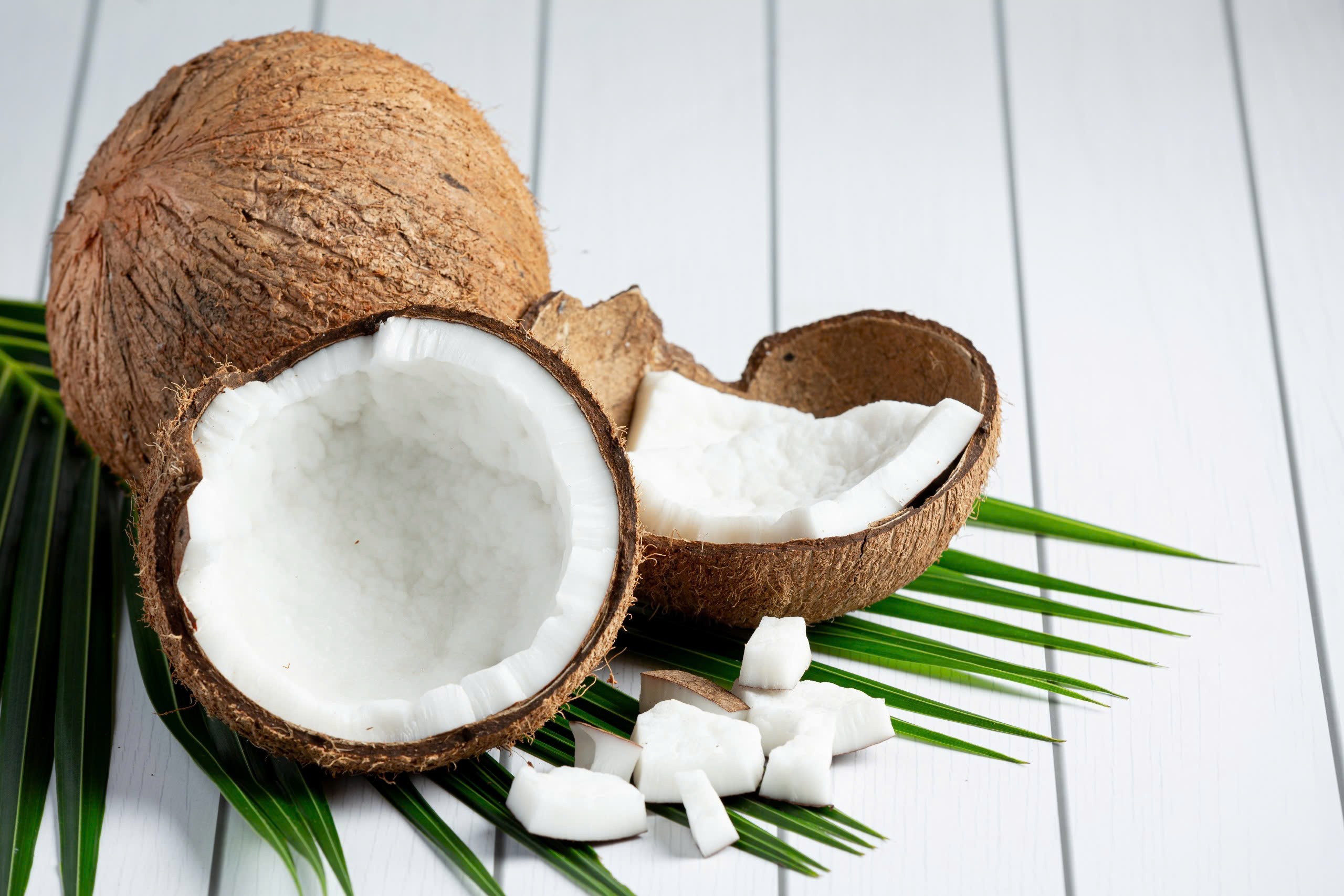
Differences Between Coconut Meat from Various Coconut Varieties
Not all coconut meat has the same characteristics. Depending on the coconut variety, the meat differs in thickness, texture, sweetness, oil content, and intended use. Understanding these differences helps consumers choose the most suitable type for cooking, beverages, or food processing.
Aromatic Coconut Meat (Young Coconut)
Aromatic coconut meat is white, thin, soft, and contains a high amount of moisture, giving it a naturally sweet and refreshing taste. Thanks to these characteristics, it is commonly enjoyed fresh straight from the coconut, paired with fresh coconut water, or used in light desserts and beverages that require a soft, delicate texture. This coconut variety is highly popular for its pleasant flavor and suitability for everyday consumption.
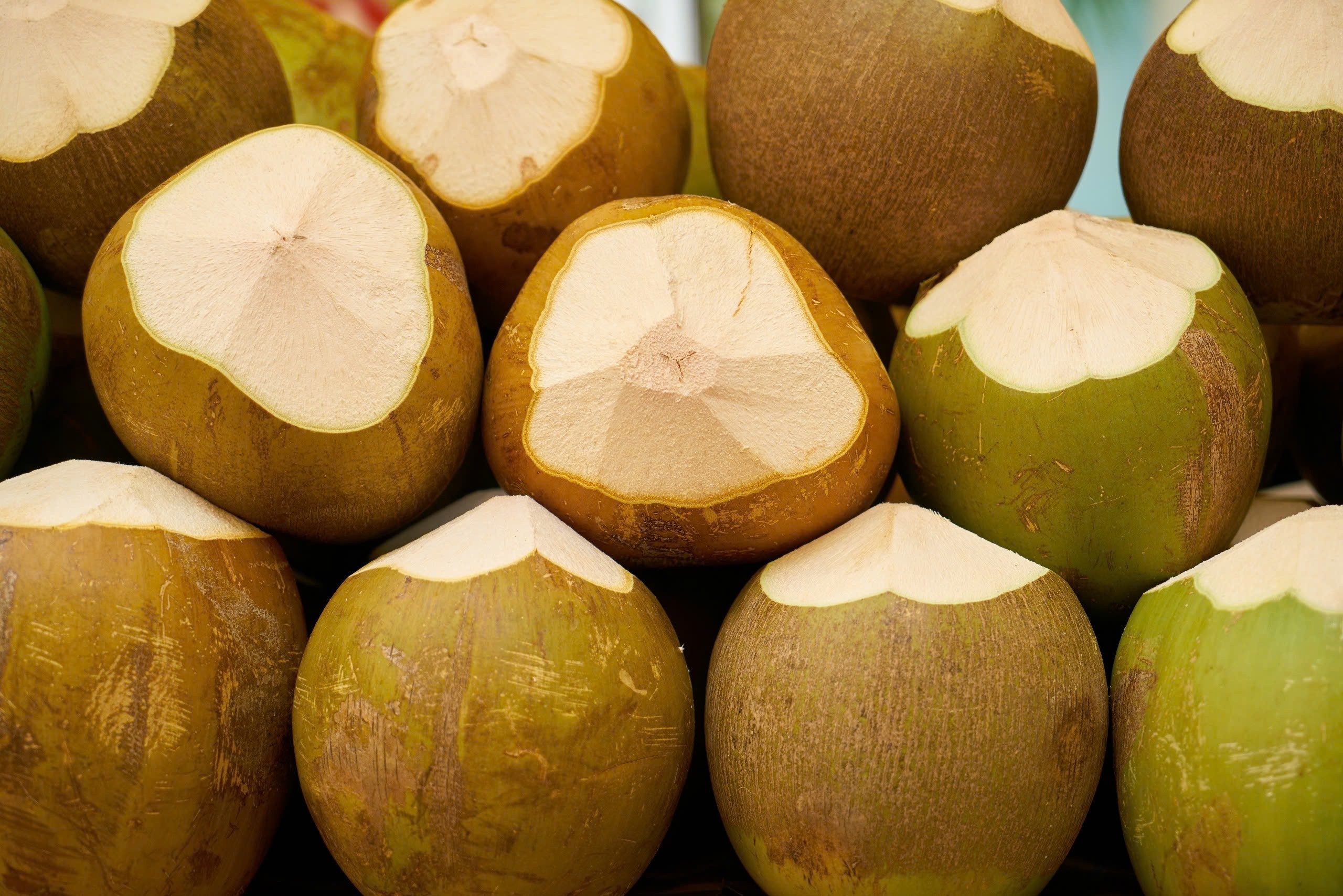
Young Coconut
Native Coconut Meat
Native coconut meat is thicker than aromatic coconut meat, with a firmer texture, a rich, distinctive coconut flavor, and a higher natural oil content. These characteristics make it ideal for producing coconut milk, shredded coconut, and coconut oil, as well as for use in traditional desserts, coconut candies, candied coconut, baked goods, and a variety of savory dishes.
Thanks to its thick flesh and ability to retain its flavor and texture after processing, native coconut meat is also an excellent raw material for frozen coconut meat production. Freezing helps extend shelf life while preserving its natural richness, texture, and overall quality.
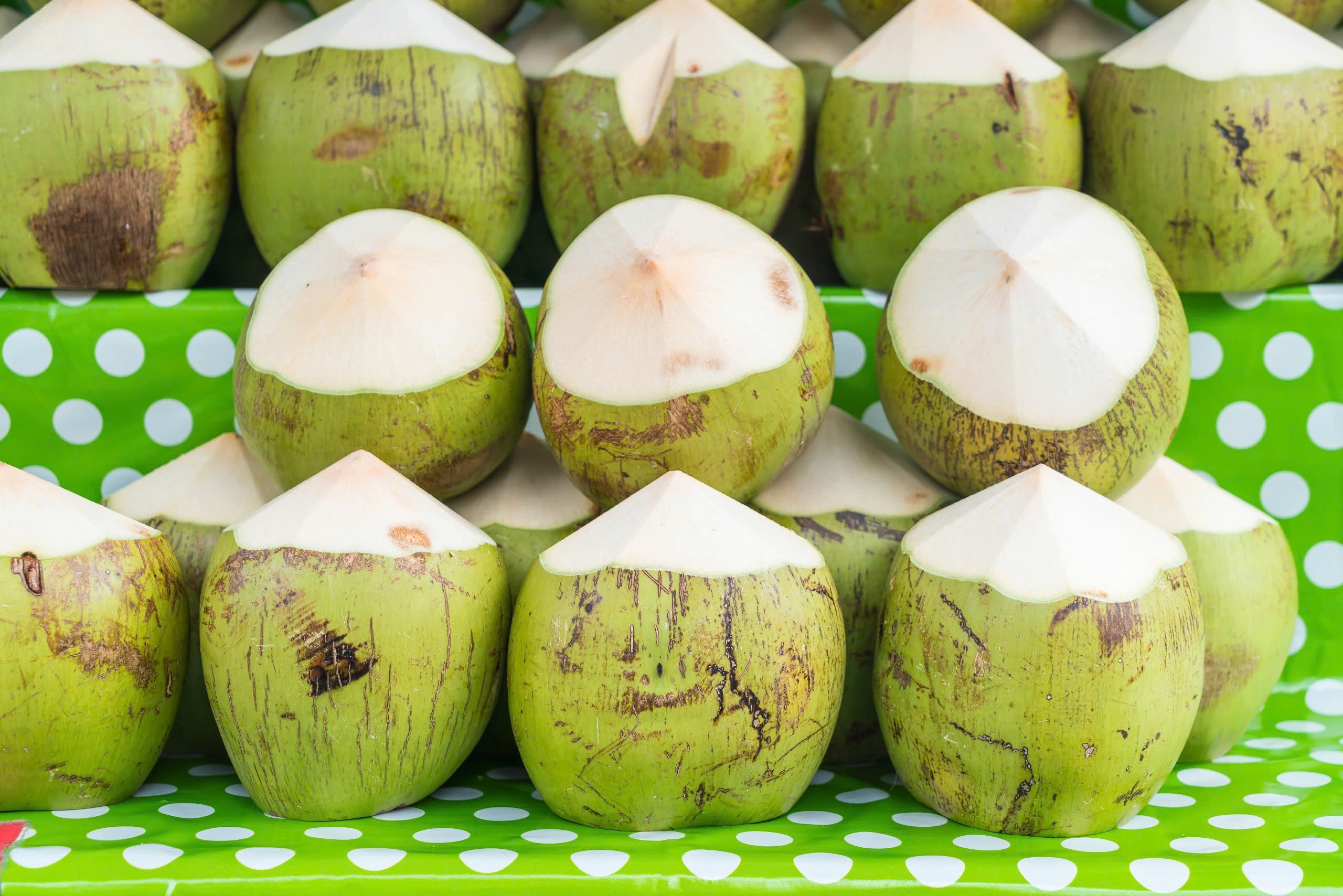
Native Coconut Meat
Pandan Coconut Meat
Pandan coconut meat is distinguished by its naturally fragrant aroma, reminiscent of pandan leaves, making it unique among many coconut varieties. The flesh is soft, mildly sweet, and lightly creamy, providing a pleasant eating experience. This variety is commonly enjoyed fresh or used in coconut-based beverages, smoothies, and desserts where its natural fragrance enhances the overall flavor.
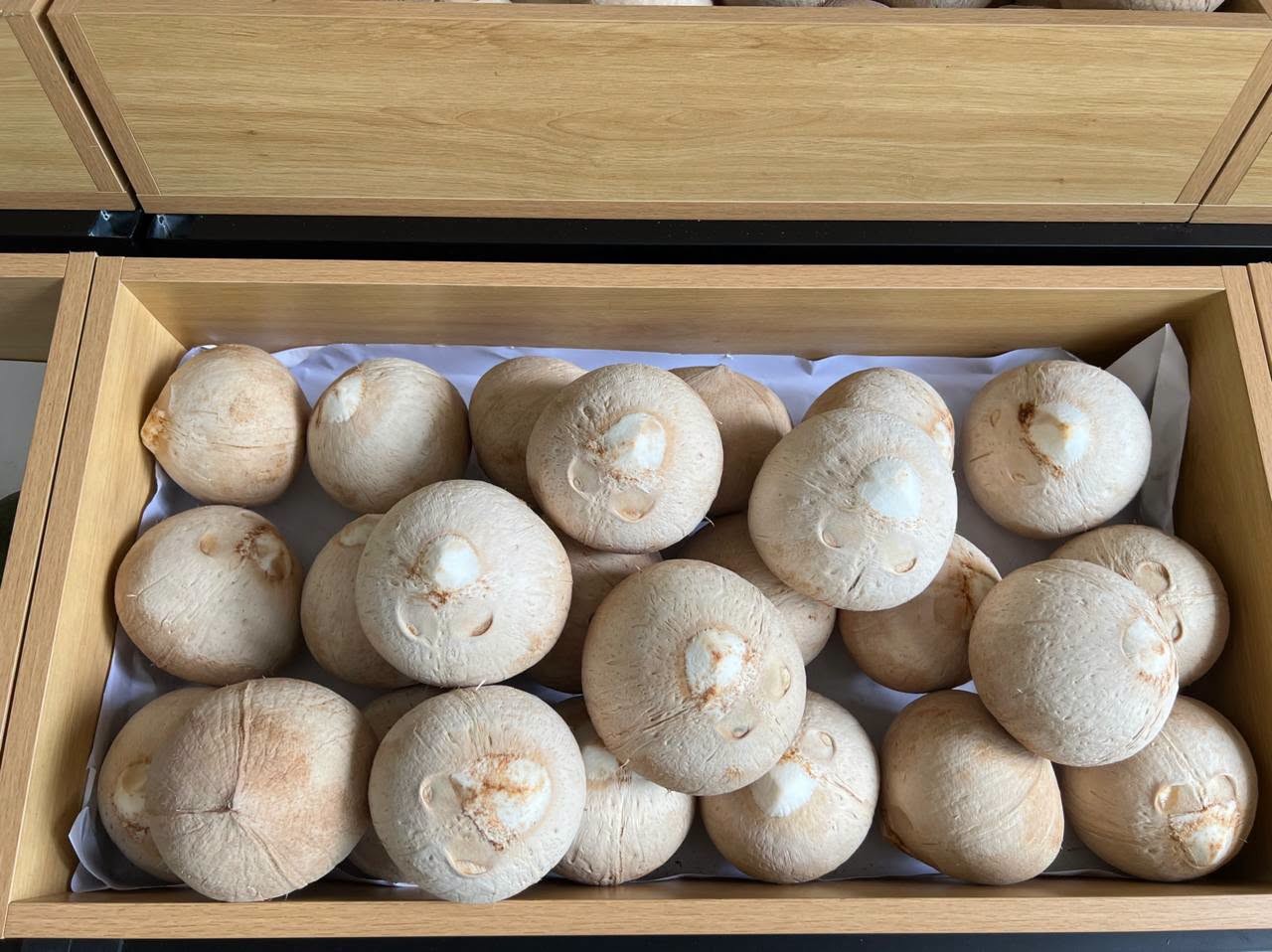
Pandan Coconut Meat
Makapuno Coconut Meat
Makapuno coconut meat is a unique coconut variety known for its exceptionally thick, soft, jelly-like flesh and rich, creamy texture. Unlike regular coconuts, Makapuno contains very little coconut water because the flesh absorbs much of the liquid during development, resulting in a smooth and custard-like consistency. Thanks to these distinctive characteristics, Makapuno coconut meat is commonly used in smoothies, coconut ice cream, premium desserts, or simply enjoyed fresh on its own.
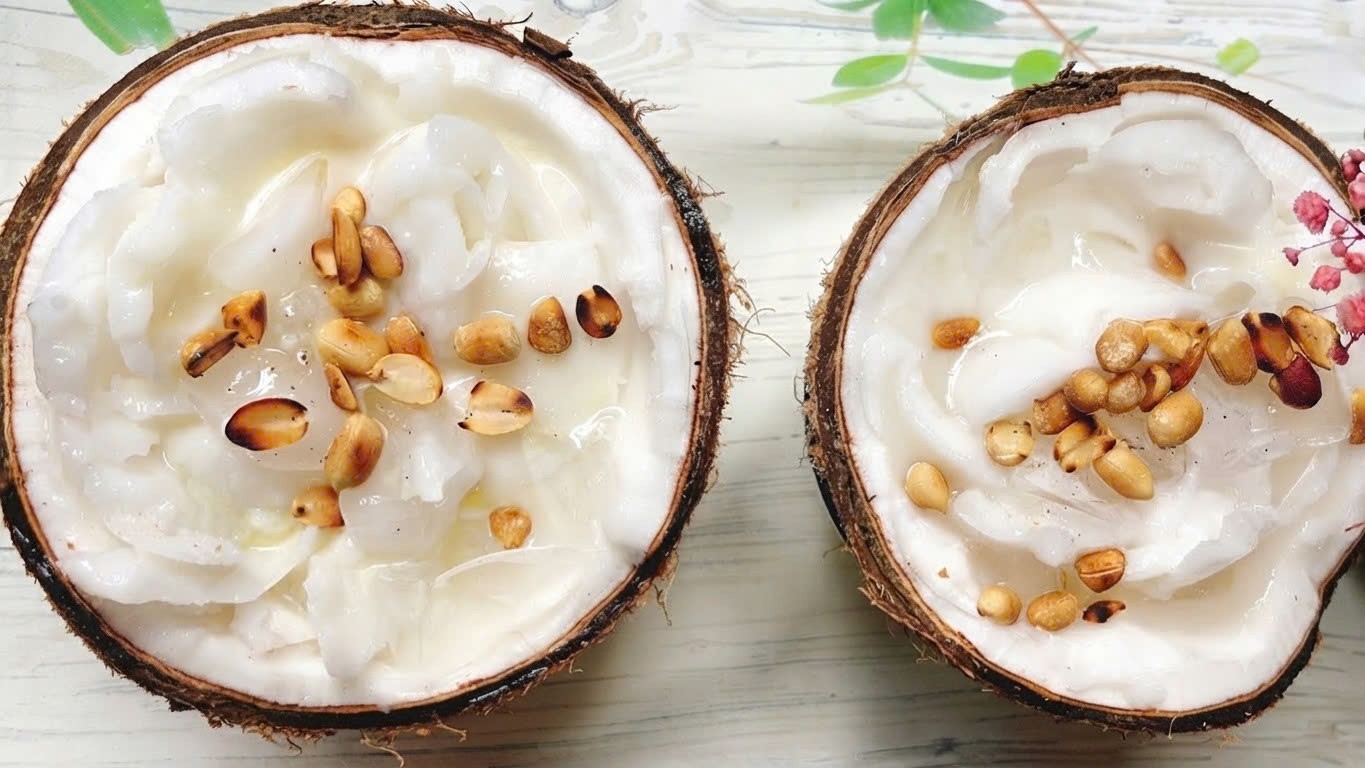
Makapuno Coconut Meat
Malayan Coconut Meat
Malayan coconut meat has a soft, moderately thin texture with a mild sweetness and a light, natural creaminess. This coconut variety typically contains a large amount of coconut water, while the flesh is not particularly thick. As a result, it is mainly enjoyed for its refreshing coconut water and the tender meat inside the fruit. With its light, refreshing taste and pleasant texture, Malayan coconut meat is an excellent choice for hydration and natural nutrition.
Nutritional Composition and Health Benefits of Coconut Meat
To understand why coconut meat is widely enjoyed and incorporated into various diets, it is important to first examine its nutritional profile. Rich in healthy fats, dietary fiber, vitamins, and essential minerals, coconut meat not only offers a distinctive creamy flavor but also provides valuable nutrients that support overall health.
Nutritional Composition
In addition to its naturally rich and creamy taste, coconut meat is an excellent source of essential nutrients. To answer the question, "Is coconut meat good for you?", it is important to look at its nutritional composition.
Coconut meat contains healthy natural fats, dietary fiber, plant-based protein, as well as a variety of vitamins and essential minerals. These nutrients help provide energy, support a balanced diet, and contribute to overall well-being.
Some of the key nutrients found in coconut meat include:
| Key Nutrient in Coconut Meat | Role in the Body |
| Natural Fats (MCTs – Medium-Chain Triglycerides) | A unique type of fat naturally found in coconuts that is rapidly metabolized to provide energy. MCTs are widely included in balanced nutrition plans due to their efficient energy utilization. |
| Dietary Fiber | Supports digestive health, helps maintain normal bowel function, and promotes a feeling of fullness when consumed as part of a balanced diet. |
| Plant-Based Protein | Provides a source of plant protein that contributes to the maintenance and growth of body tissues. |
| B Vitamins (B1, B3, B5, B6) | Play an essential role in energy metabolism, helping the body efficiently convert carbohydrates, fats, and proteins into energy. |
| Potassium | An important mineral that helps maintain fluid balance and supports normal muscle function. |
| Magnesium | Involved in numerous biological processes, including energy production, nervous system function, and muscle activity. |
| Manganese | Supports nutrient metabolism and serves as a cofactor for many enzymes involved in normal body functions. |
Thanks to its rich natural nutrient content, coconut meat is not only a popular ingredient in traditional dishes but also a valuable raw material for modern food products such as frozen coconut meat, coconut milk, coconut cream, and a wide range of coconut-based processed foods.
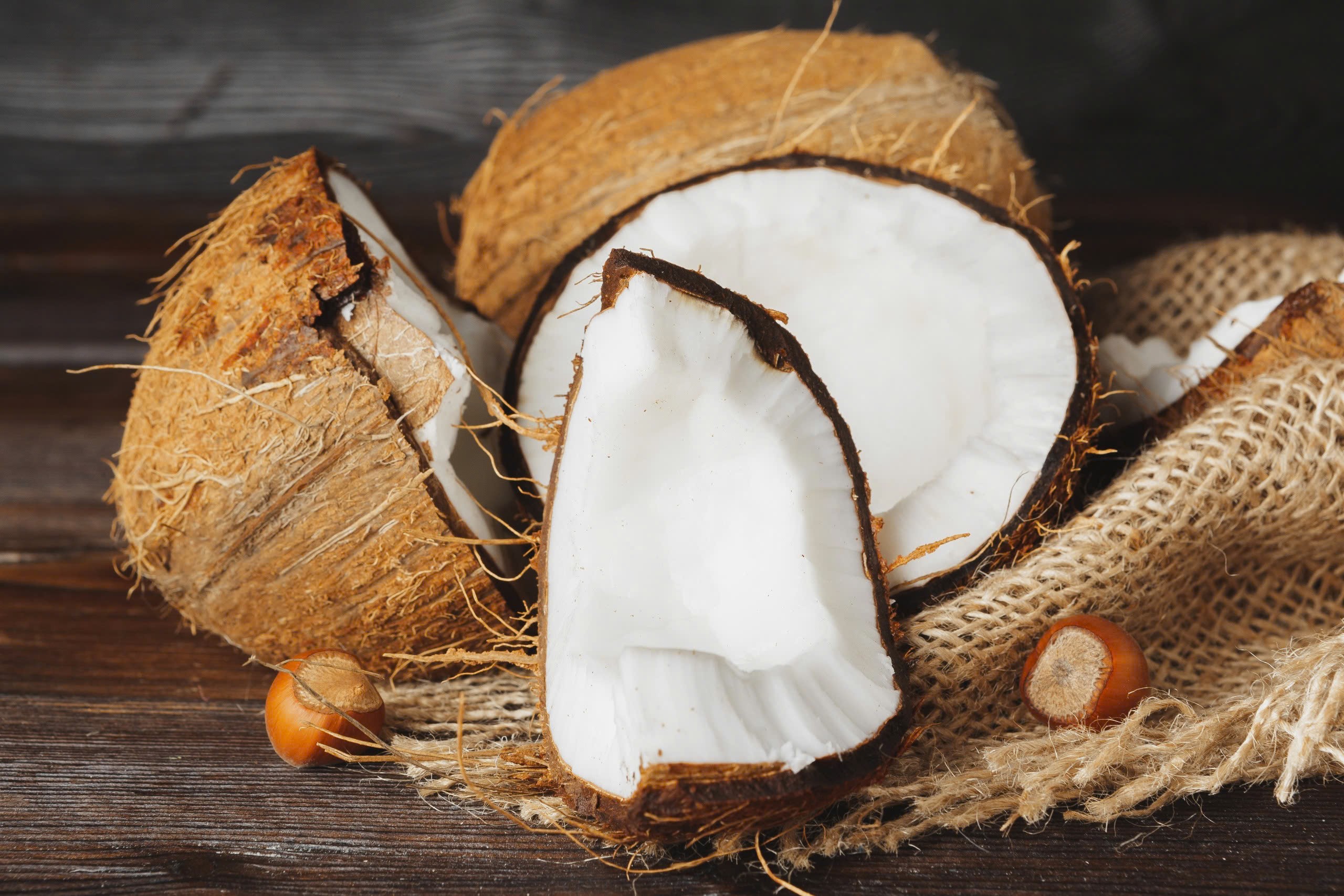
How Many Calories Are in Coconut Meat? What Is Its Nutritional Value?
How many calories are in coconut meat? This is a common question, especially among people who include coconut meat or coconut-based products in their daily diet. According to nutritional reference data, 100 grams of fresh coconut meat provides approximately 354 kcal, with most of the calories coming from its natural fats and carbohydrates.
Source: Calories in Coconut Meat, Fresh – Calcount Calorie Counter.
| Nutrient | Amount per 100 g of Fresh Coconut Meat |
| Energy | ~354 kcal |
| Fat | ~33 g |
| Carbohydrates | ~15 g |
| Dietary Fiber | ~9 g |
| Protein | ~3.3 g |
| Calcium | ~14 mg |
| Iron | ~2.4 mg |
| Magnesium | ~32 mg |
| Potassium | ~356 mg |
| Manganese |
~1.5 mg |
Based on the nutritional values above, coconut meat is an energy-dense food, providing approximately 354 kcal per 100 grams. Rich in natural nutrients such as healthy fats, dietary fiber, vitamins, and essential minerals, coconut meat not only adds a rich, creamy flavor to foods but also offers a variety of nutritional benefits. When consumed as part of a balanced diet, it can help provide energy, support digestive health, and supply the body with important nutrients.
Provides a Quick Source of Energy
Coconut meat contains natural fats, particularly MCTs (Medium-Chain Triglycerides), which are absorbed and metabolized more rapidly than many other types of dietary fats. As a result, MCTs can serve as a quick source of energy, helping the body maintain its daily activities.
Coconut meat is especially suitable for people with higher energy demands, such as athletes, physically active individuals, or those looking to replenish energy after strenuous exercise or physical work. In addition to its nutritional benefits, its naturally rich and creamy flavor also enhances the taste of a wide variety of foods and nutritional products.

Supports Digestive Health
Coconut meat is a natural source of dietary fiber, particularly insoluble fiber, which helps support healthy digestion and maintain normal bowel function. When included as part of a balanced diet, the fiber in coconut meat may help promote regular bowel movements, support waste elimination, and reduce the likelihood of constipation.
In addition, the fiber content contributes to a prolonged feeling of fullness, making coconut meat a valuable ingredient in a balanced eating plan. This is one reason why coconut meat is widely used in natural food products, ranging from fresh coconut meat to frozen coconut meat.
Reference: Advances in Animal and Veterinary Sciences, by Ho Xuan Nghiep and Nguyen Binh Truong (An Giang University, Vietnam National University Ho Chi Minh City).
Helps Promote a Feeling of Fullness
Thanks to its combination of natural fats and dietary fiber, coconut meat can help you feel full for a longer period after eating. The fiber slows the digestive process, while the natural fats provide a steady source of energy. Together, these nutrients may help reduce hunger and support better portion control.
When incorporated into a balanced diet, coconut meat can be a nutritious ingredient for snacks or meals, adding a naturally rich and creamy flavor while delivering valuable nutrients.
Supports Immune Health
Coconut meat contains lauric acid, a naturally occurring fatty acid that is characteristic of coconut products. Once metabolized by the body, lauric acid can be converted into compounds that have been studied for their potential role in supporting the body's natural defense mechanisms against environmental challenges.
In addition, coconut meat provides essential nutrients such as manganese, copper, and naturally occurring antioxidant compounds, which contribute to normal body functions and overall health. Including coconut meat as part of a balanced diet is an excellent way to diversify nutrient intake from natural food sources.
Reference: Foods (MDPI), by Rongqian Jiang and colleagues, Fuzhou University, China.
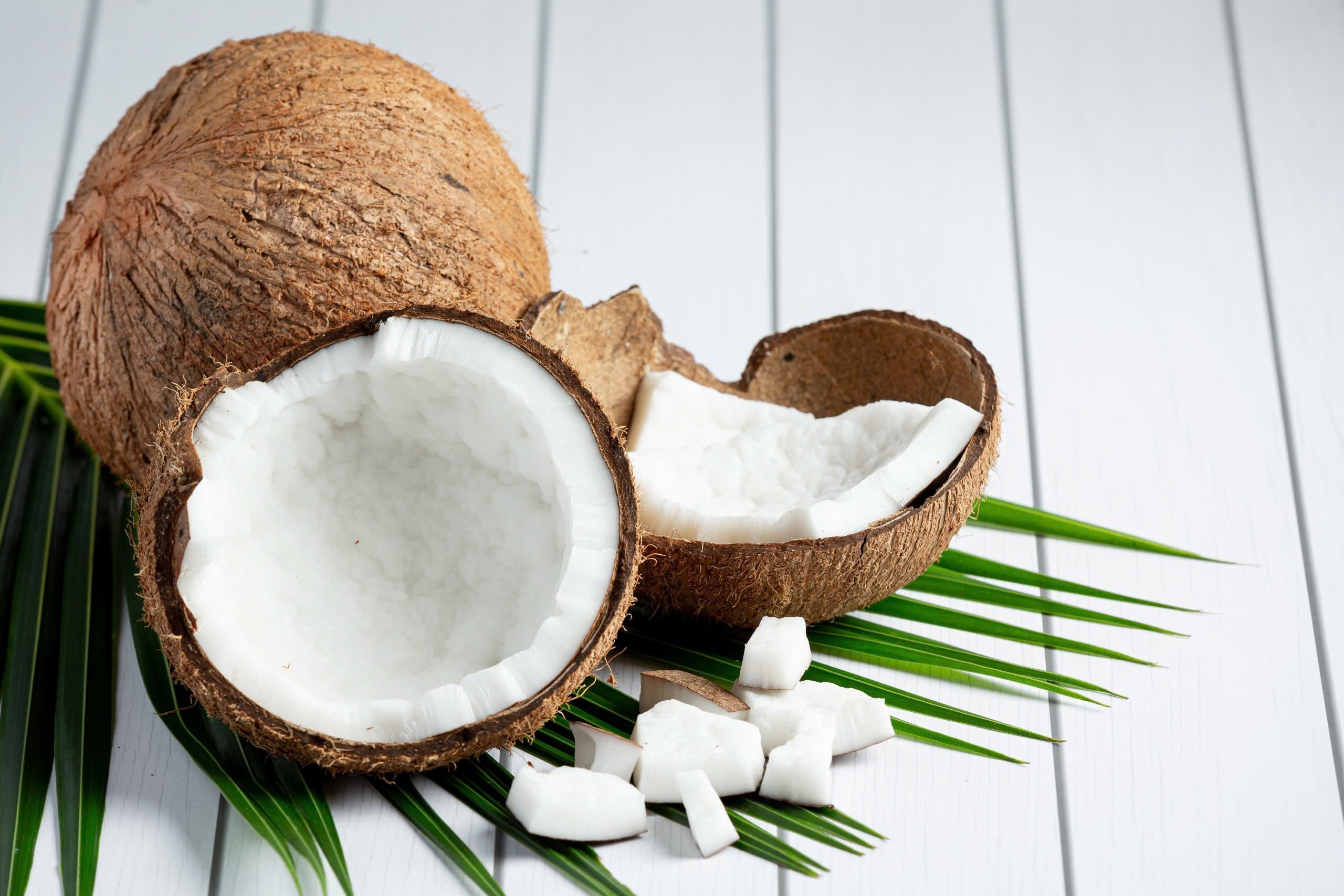
Contributes to Healthy Skin and Hair
In addition to its nutritional benefits, coconut meat provides essential nutrients such as natural fats, vitamins, and minerals that help support healthy skin and hair. The naturally occurring fatty acids in coconut serve as a source of nourishment for the body and help maintain the skin's natural moisture and healthy appearance.
Reference: Apollo 247, article written by Dr. Md Yusuf Shareef and medically reviewed by Dr. M. L. Ezhilarasan, MBBS.
Furthermore, minerals such as copper, iron, and manganese found in coconut meat play important roles in various physiological processes. When included as part of a balanced diet, coconut meat can contribute to maintaining healthy skin and strong, healthy hair from within.
Can Coconut Meat Help with Weight Loss?
Besides asking whether coconut meat is good for health, many people also wonder whether it can help with weight loss.
Coconut meat can be included in a healthy diet; however, its role in weight management depends largely on portion size and overall dietary habits. Thanks to its dietary fiber and natural fats, coconut meat may help promote a feeling of fullness and reduce hunger between meals. However, it is also relatively high in calories, so it should be consumed in moderation to maximize its nutritional benefits.
The combination of dietary fiber and medium-chain triglycerides (MCTs) helps coconut meat promote satiety. Fiber slows digestion, while MCTs provide a steady source of energy. As a result, consuming an appropriate amount of coconut meat may help reduce appetite and support portion control as part of a balanced eating plan.
Although coconut meat is rich in beneficial nutrients, it is also an energy-dense food due to its high natural fat content. Eating excessive amounts over time may lead to excess calorie intake, which could make weight management more challenging. To enjoy its nutritional benefits, coconut meat should be consumed in appropriate portions alongside a balanced diet and regular physical activity.
In addition to being eaten fresh, coconut meat can be combined with a variety of ingredients to create delicious and nutritious dishes for everyday meals.
The recommended daily intake of coconut meat depends on an individual's energy needs, dietary pattern, and physical activity level. In general, consuming about 30–50 grams per day can be a suitable addition to a balanced diet, providing dietary fiber, natural fats, and essential nutrients. Individuals who are managing their weight should adjust their portion size accordingly, as coconut meat is relatively high in calories.
Suggested Ways to Enjoy Coconut Meat
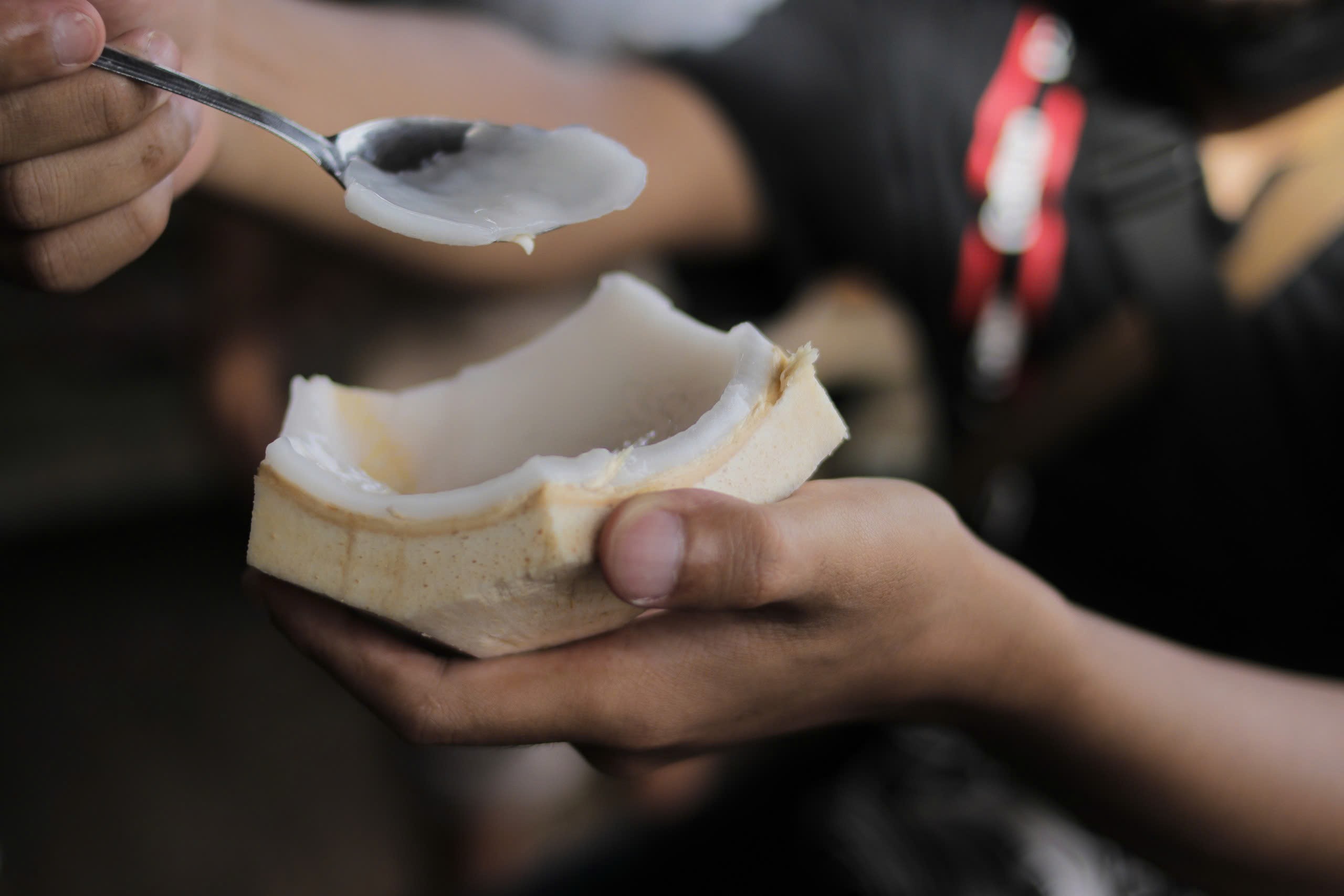
1. Eat Fresh Coconut Meat
This is the simplest way to enjoy the natural flavor of coconut meat. After separating the flesh from the shell, simply rinse it, cut it into bite-sized pieces, and enjoy it as a healthy snack. Fresh coconut meat has a naturally rich, creamy flavor and a texture that ranges from soft to firm, depending on the maturity of the coconut.
2. Coconut Meat Smoothie
A coconut meat smoothie is a rich, creamy beverage that is easy to prepare and makes an excellent source of energy.
Directions:
- Prepare 50–100 g of coconut meat, 100 ml of fresh coconut water, a small amount of milk or yogurt, ice cubes, and honey to taste.
- Blend all the ingredients until smooth.
- For extra flavor and nutrition, you can add fruits such as banana, mango, or strawberries.
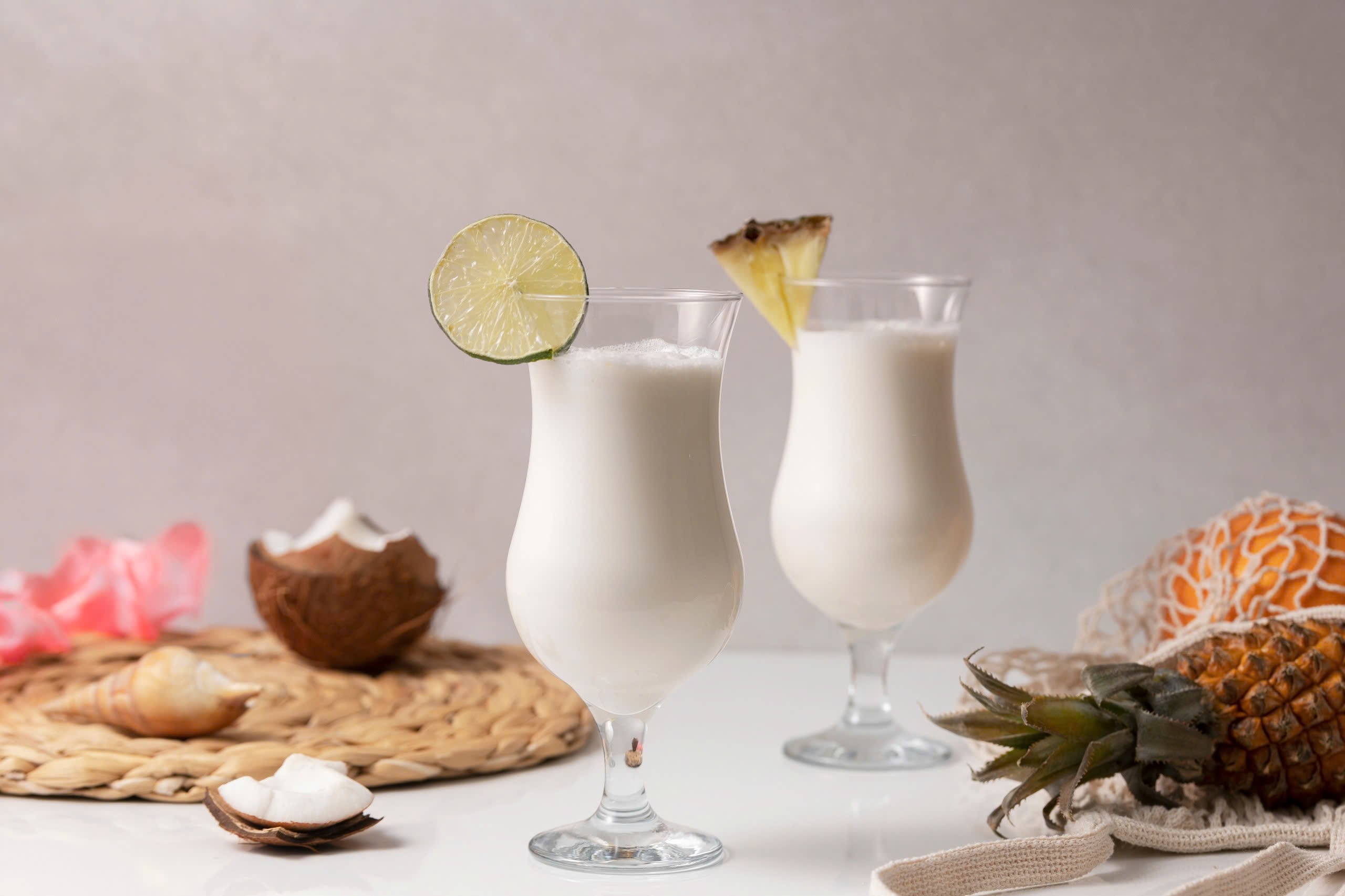
coconut meat smoothie
3. Coconut Meat Salad
Combining creamy coconut meat with fresh vegetables creates a light, refreshing salad that is rich in dietary fiber.
Directions:
- Prepare thinly sliced coconut meat, lettuce, cucumber, cherry tomatoes, shredded carrots, and your favorite leafy greens.
- Toss the ingredients with a dressing made from olive oil, fresh lemon juice, a small amount of honey, and seasonings.
- Add the coconut meat last to preserve its fresh texture and natural flavor.
4. Coconut Meat Yogurt
Combining yogurt with coconut meat creates a light snack with a creamy texture, mild tanginess, and natural sweetness.
Directions:
- Prepare one cup of plain yogurt, 30–50 g of diced coconut meat, and fresh fruits such as mango, strawberries, or kiwi.
- Spoon the yogurt into a serving glass, then top with the coconut meat and fresh fruit.
- Add a sprinkle of chia seeds or granola for extra fiber and texture, if desired.
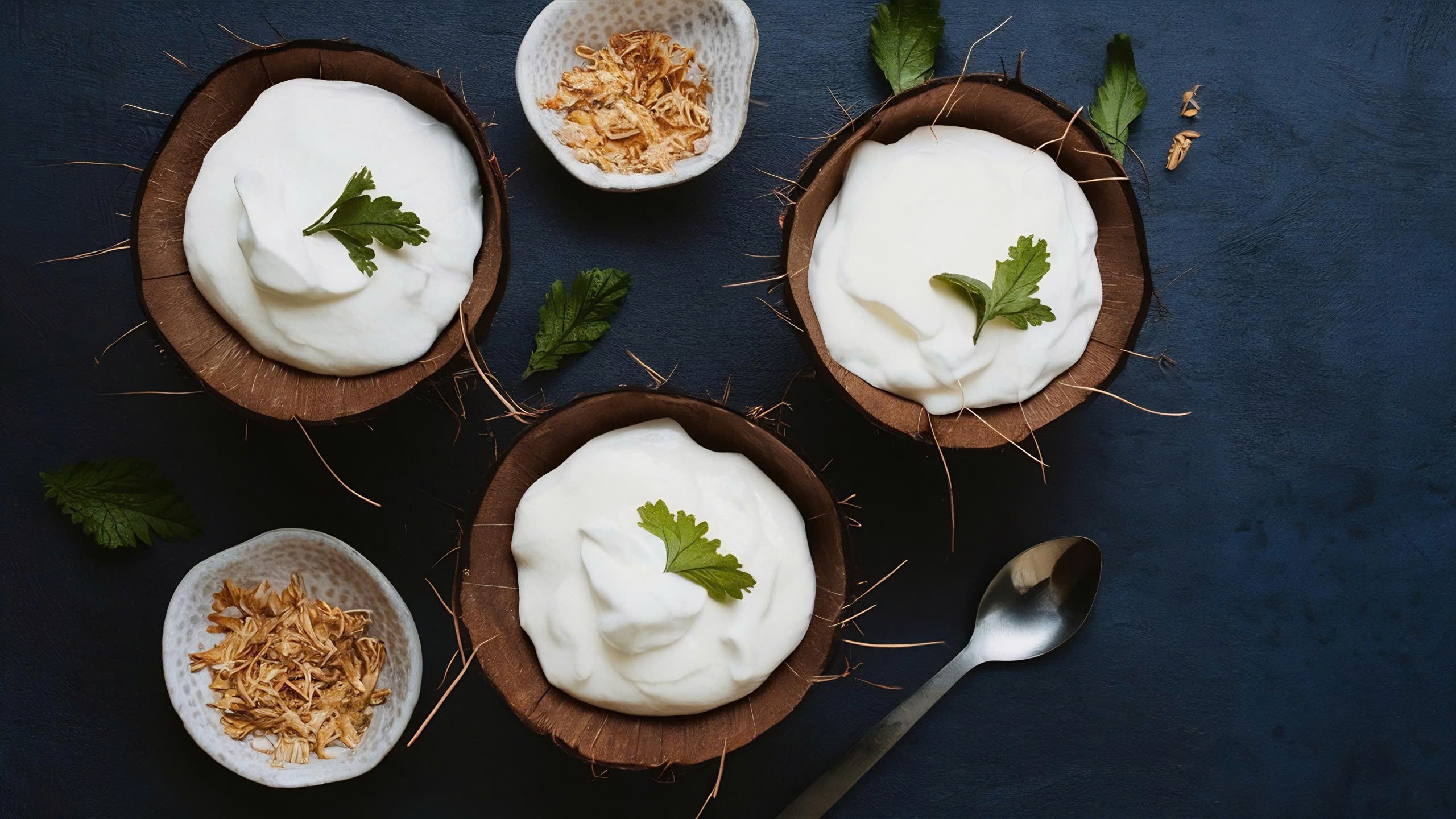
Coconut Meat Yogurt
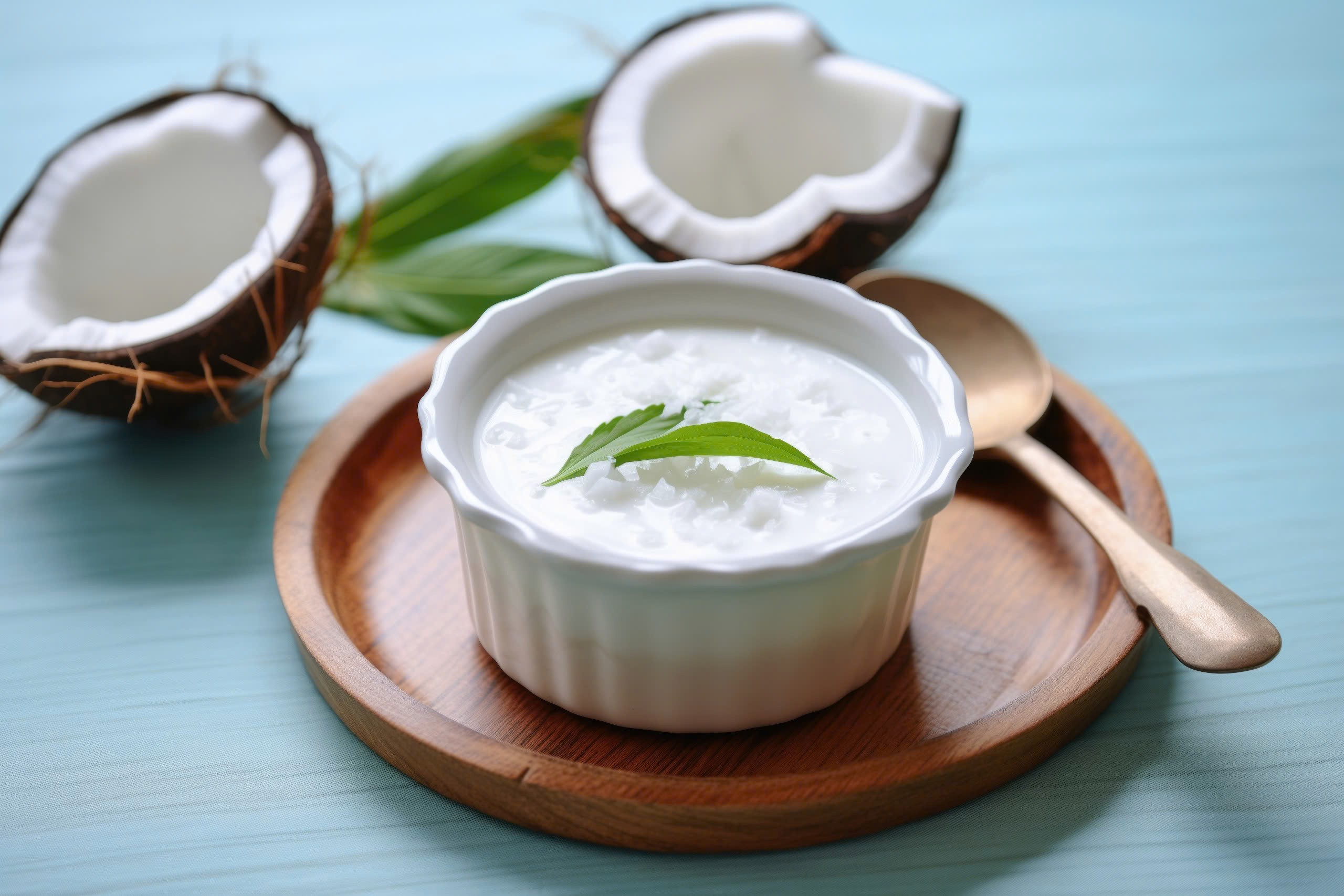
5. Coconut Meat Sweet Dessert
Coconut meat sweet dessert is a popular treat featuring the rich, delicate flavor of coconut.
Directions:
- Prepare shredded coconut meat, coconut milk, sugar, tapioca starch, and your preferred ingredients such as mung beans, sweet potatoes, or tapioca pearls.
- Cook the main ingredients until tender, then stir in the coconut milk to create a rich and creamy base.
- Add the coconut meat at the end of cooking to preserve its natural aroma and texture.
6. Baked Goods and Desserts Made with Coconut Meat
Coconut meat is a versatile ingredient used in a wide variety of baked goods and desserts, including baked coconut cake, coconut sponge cake, coconut cookies, and coconut candy. Its naturally rich, creamy flavor enhances both the taste and texture of these treats, making it a popular ingredient in traditional and modern dessert recipes alike.
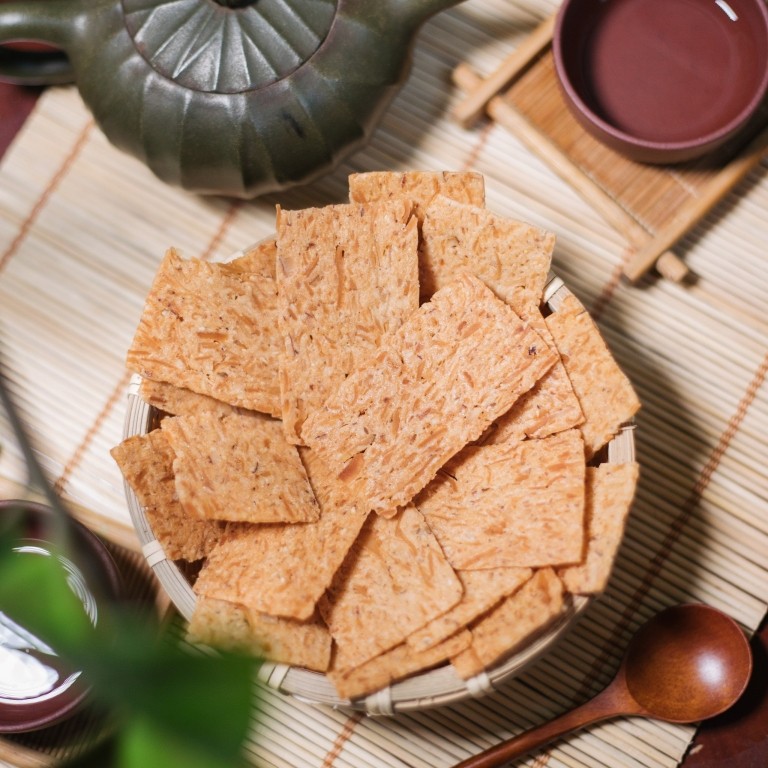
Basic Baked Coconut Cake Recipe
Directions:
- Combine shredded coconut meat with eggs, sugar, flour, and a small amount of fresh milk.
- Shape the mixture into small portions and bake at 170–180°C (338–356°F) until golden brown.
- The finished cake should have a lightly crisp exterior with a rich, aromatic coconut flavor inside.
Thanks to its versatility, coconut meat is not only a staple ingredient in traditional cuisine but also works well in a variety of modern recipes, ranging from beverages and snacks to processed products such as frozen coconut meat.
Where to Buy High-Quality Coconut Meat
Today, coconut meat is widely used in food preparation, beverages, and processed food products thanks to its naturally rich flavor and nutritional value. Depending on the intended use, consumers can choose either fresh coconut meat for everyday consumption or frozen coconut meat for long-term storage and professional food processing.
Buying Coconut Meat for Everyday Use
For household uses such as eating fresh, making smoothies, preparing desserts, or cooking, fresh coconut meat can be purchased from several common sources:
- Wholesale markets: These markets offer a wide selection of fresh coconuts at various price points. Choose vendors with reliable sourcing, and look for coconut meat that is naturally white, fresh, and free from discoloration, dryness, or unusual odors.
- Online marketplaces: Many e-commerce platforms sell pre-cut and conveniently packaged coconut meat. Choose products from reputable sellers that provide clear product information, transparent sourcing, and positive customer reviews.
Buying Export-Quality Coconut Meat
For food manufacturers, restaurants, food processors, and exporters, frozen coconut meat is an excellent option because it offers a long shelf life, convenient handling, and helps preserve the quality of the raw material after harvest.
When selecting export-quality frozen coconut meat, consider products that meet the following criteria:
- Clearly traceable and carefully selected raw materials.
- Hygienic processing and freezing procedures that comply with food safety requirements.
- Natural white color, rich coconut flavor, and the characteristic texture of fresh coconut meat.
- Compliance with quality standards for both domestic and international markets.
Why Choose COMOON Frozen Coconut Meat?
COMOON Frozen Coconut Meat is produced from high-quality Vietnamese coconuts using 100% carefully selected coconut meat to ensure optimal thickness, rich flavor, and natural taste. Every stage—from raw material selection and preparation to processing—is carefully controlled to maintain consistent color, texture, and product quality throughout storage.
Using advanced IQF (Individual Quick Freezing) technology, COMOON Frozen Coconut Meat preserves the freshness, natural flavor, texture, and nutritional value of the original coconut meat, making it an ideal ingredient for a wide range of food processing and culinary applications.
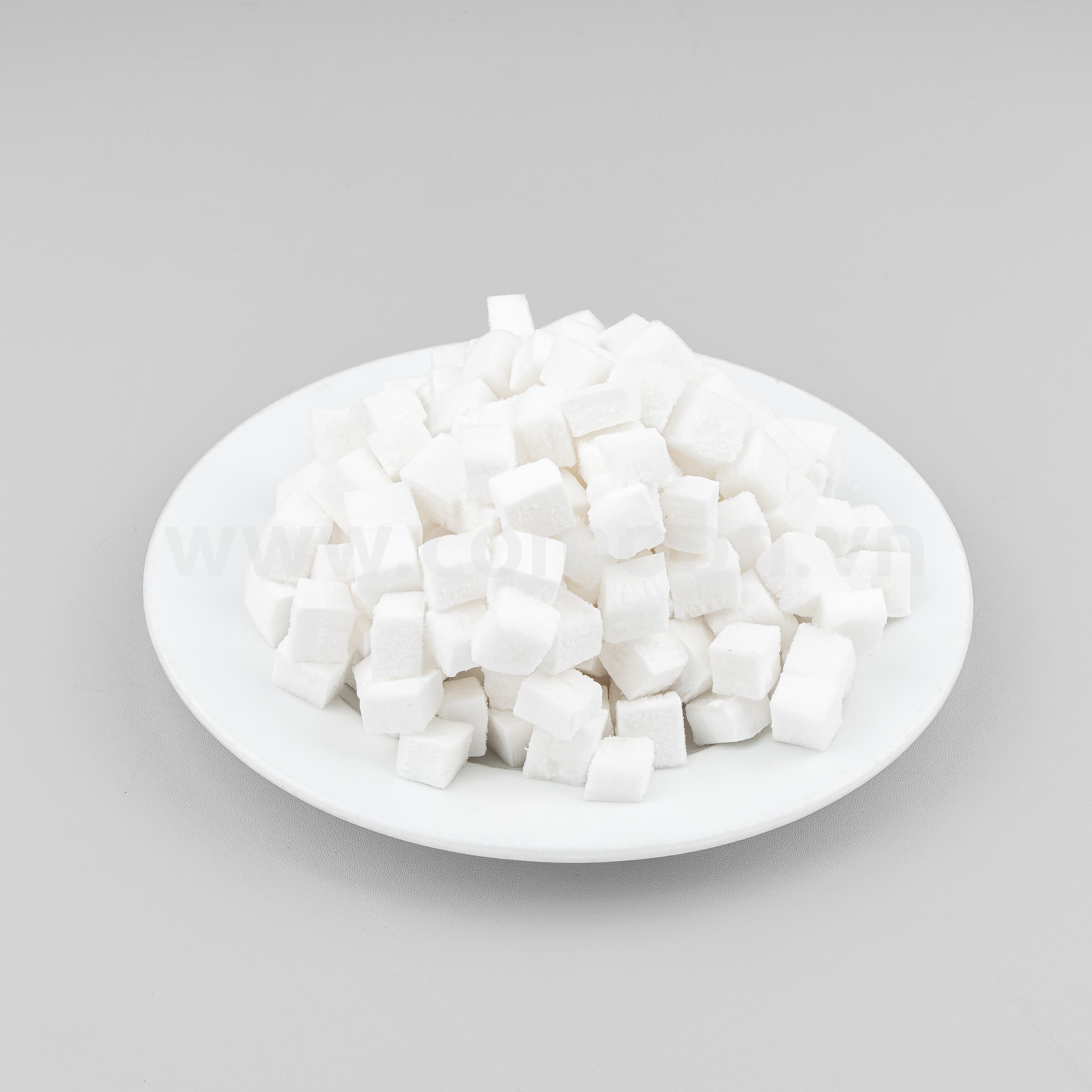
Coconut meat 15mm COMOON
The product is available in multiple cut sizes, including 15 mm, 20 mm, and 25 mm, making it suitable for a wide range of food applications such as coconut milk production, coconut cream, smoothies, ice cream, bakery products, desserts, and other coconut-based products in the F&B industry. In addition, Comoon offers flexible packaging solutions to meet diverse customer needs, from large-scale industrial manufacturing to food service operations. The company operates a fully integrated production process supported by a quality management system that complies with internationally recognized standards, including BRCGS, SGS, FSSC 22000, FDA, Halal, and other certifications, meeting the stringent requirements of global export markets.
In addition to frozen coconut meat, Comoon offers a diverse portfolio of coconut-based ingredients, including coconut milk powder, coconut meat powder, and organic coconut meat powder. These products are designed to meet the needs of food manufacturers, food service chains, importers, distributors, and brands developing products under OEM and private label programs. Comoon also provides comprehensive customer support throughout the partnership by offering technical consultation, product samples, quality documentation, and the necessary export certificates, helping customers streamline product development and bring products to market more efficiently.
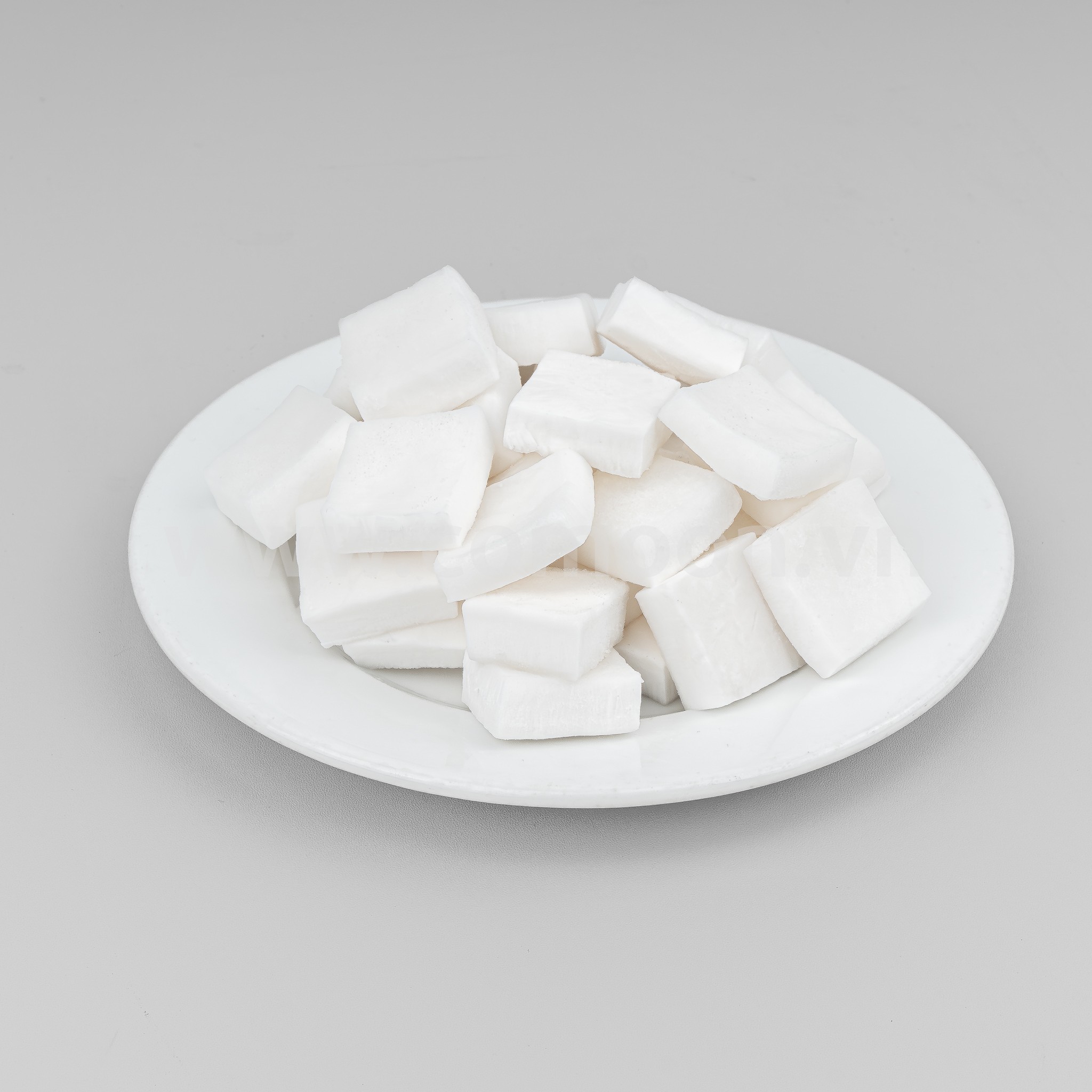
Coconut meat 25mm
Frequently Asked Questions About Coconut Meat
With its rich, creamy flavor and valuable nutritional profile, coconut meat has become increasingly popular in everyday diets as well as in the food processing industry. However, many people still have questions about how to choose the right type, its nutritional value, the recommended serving size, and the differences between various types of coconut meat. Below are some of the most frequently asked questions to help you better understand coconut meat and how to use it effectively.
Which Is Better: Young Coconut Meat or Mature Coconut Meat?
Both young and mature coconut meat offer unique nutritional benefits and are suitable for different purposes. Young coconut meat has a soft texture, high moisture content, and a naturally sweet flavor, making it ideal for eating fresh or using in refreshing dishes and beverages. Mature coconut meat, on the other hand, has thicker flesh, a richer coconut flavor, and a higher natural oil content, making it more suitable for producing coconut milk, shredded coconut, coconut cream, and frozen coconut meat.
Which Is Better: Fresh Coconut Meat or Frozen Coconut Meat?
Fresh coconut meat offers the advantage of retaining its natural state immediately after being removed from the coconut, making it ideal for everyday consumption. Frozen coconut meat, however, provides greater convenience through its longer shelf life, easier transportation, and the ability to preserve its flavor, richness, and quality when processed using proper freezing techniques. The best choice depends on the intended use: fresh coconut meat is ideal for direct consumption, while frozen coconut meat is better suited for food processing and large-scale production.
Is Coconut Meat Good for People with Diabetes?
People with diabetes can include coconut meat in their diet when consumed in appropriate portions as part of a well-balanced meal plan. Coconut meat contains dietary fiber, which supports healthy digestion and helps promote a feeling of fullness. However, individuals with diabetes should choose plain coconut meat and limit sweetened coconut-based desserts, such as coconut pudding or sugary coconut cakes. Consulting a healthcare professional or registered dietitian is recommended to determine an appropriate serving size.
Is It Good to Eat Coconut Meat at Night?
Mature coconut meat is relatively high in natural fats. Individuals with sensitive digestion or those who are prone to indigestion may find it more suitable to consume coconut meat in the morning or at lunchtime rather than late in the evening.
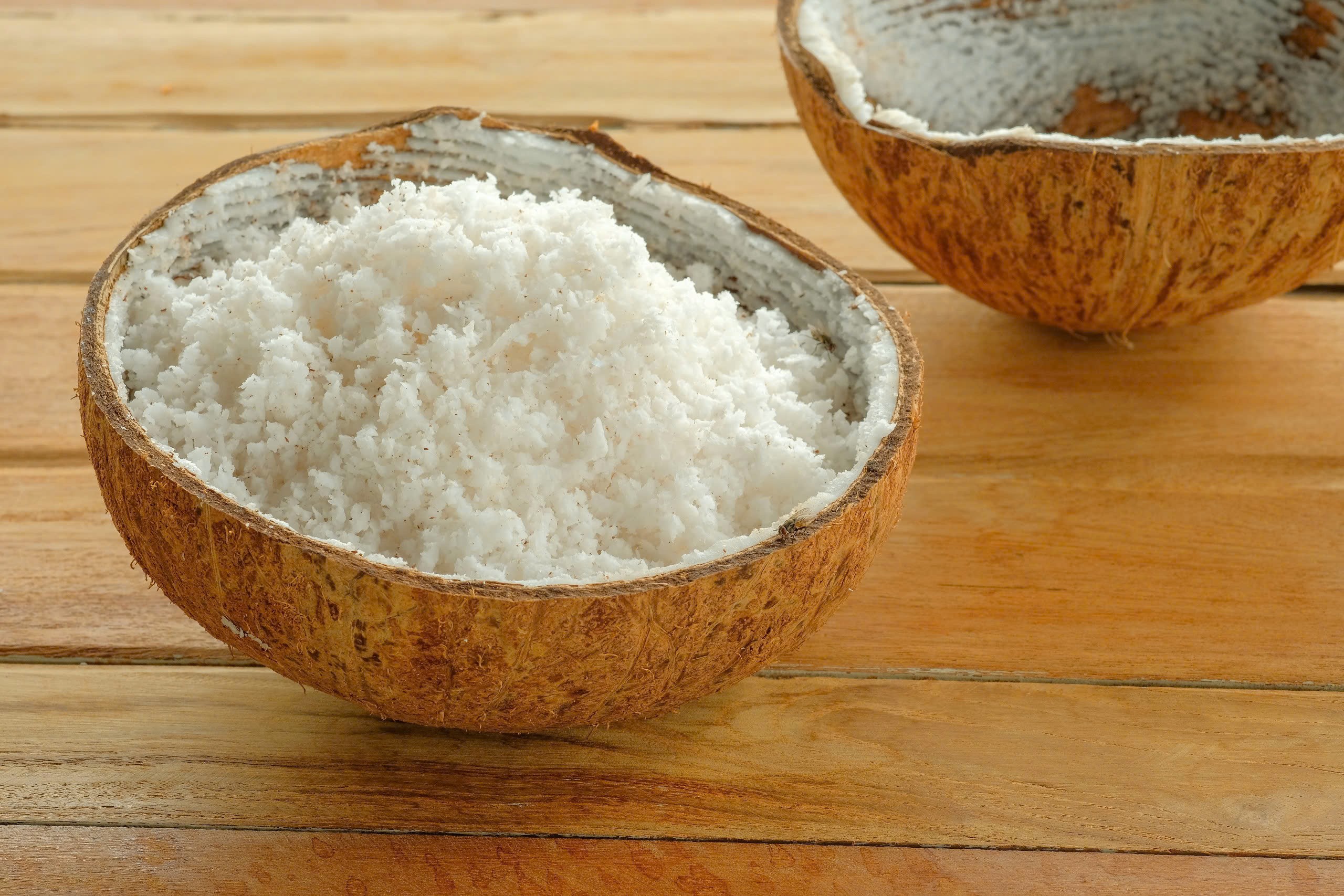
Where to Buy Coconut Meat for Large-Scale Food Production?
Comoon frozen coconut meat is an ideal choice for businesses seeking export-quality frozen coconut meat. Produced from high-quality Vietnamese coconuts, the product undergoes strict quality control throughout every stage of processing to ensure consistent quality and food safety.
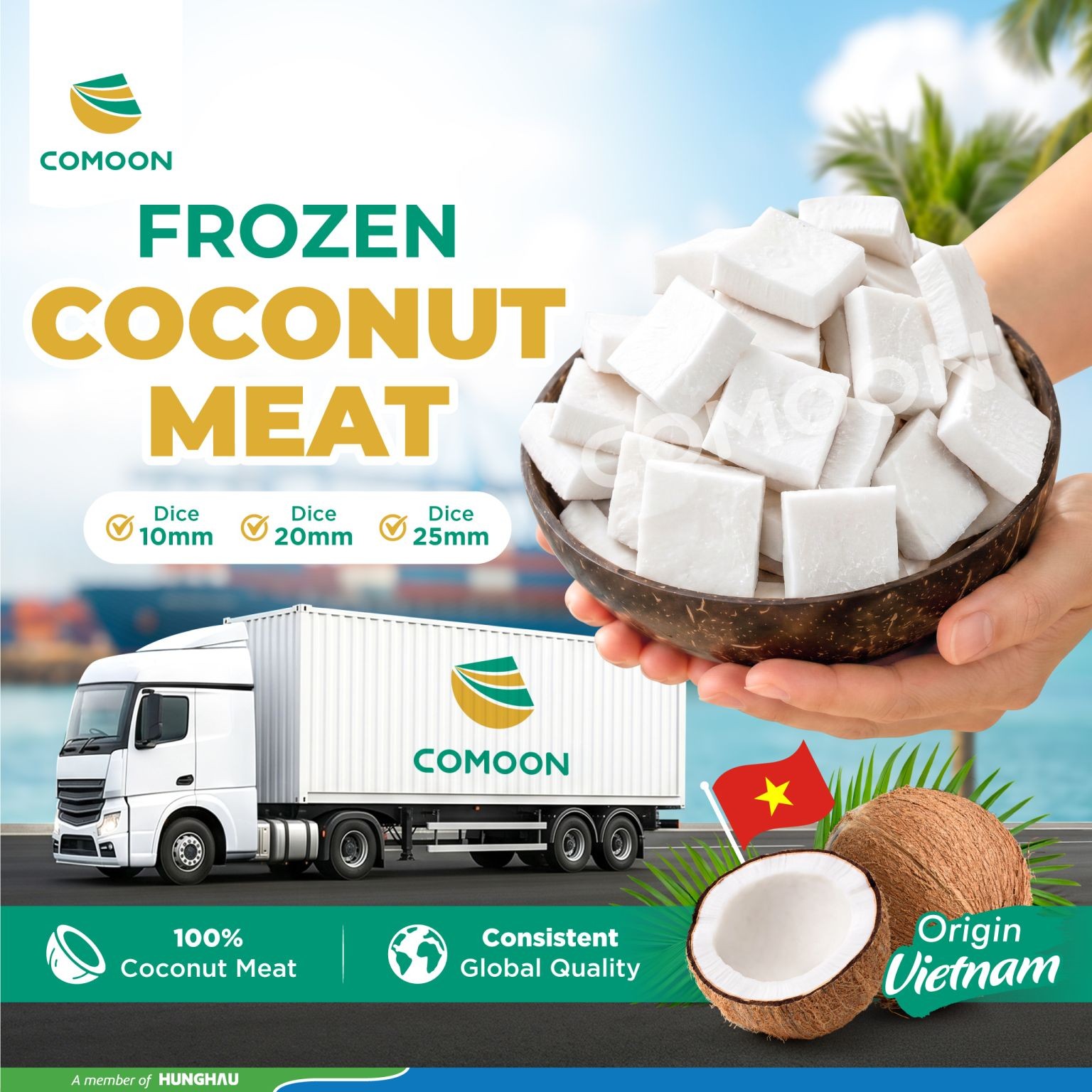
In addition to frozen coconut meat, Comoon offers a wide range of coconut-based products, including bottled coconut water, desiccated coconut, coconut powder, coconut milk powder, coconut oil, and frozen coconut milk, serving the diverse production and food processing needs of international partners.
Conclusion
"How many calories are in coconut meat?" and "Is coconut meat good for you?" are among the most frequently asked questions about this nutritious ingredient. Beyond being a staple in Vietnamese cuisine, coconut meat is a rich source of natural fats, dietary fiber, plant-based protein, vitamins, and essential minerals. When consumed in appropriate portions, it can help provide energy, support digestive health, promote a feeling of fullness, and contribute to overall well-being.
Since mature coconut meat is relatively high in calories, it is best enjoyed in moderation as part of a balanced diet to maximize its nutritional benefits while supporting healthy digestion.
Contact Information
- Hotline/WhatsApp: (+84) 969 440 333
- Email: susan@comoon.vn
- Website: comoon.vn
References:
https://www.mdpi.com/2304-8158/14/23/4023
https://researcherslinks.com/current-issues/Effects-of-Coconut-Meat-Waste-Replacing/33/1/7339/html
Share :
Customer comments
Other news
COMOON Co., Ltd.
58 Co Giang Street, Cau Ong Lanh Ward, District 1, Ho Chi Minh City, Vietnam
T: (+84) 366 053 666
- Business Registration No.: 0318171053
- Issued on November 17, 2023 by the Department of Planning and Investment of Ho Chi Minh City.

Copyright © 2024 COMOON


