




- Login
- Register


News
The latest updates from COMOON. Stay tuned to not miss any information!
COCONUT MILK POWDER: NUTRITION FACTS, HEALTH BENEFITS & HOW TO USE IT
Tuesday, 04/08/2026, 04:19
Coconut milk powder is becoming increasingly popular in cooking, beverages, and dairy-free product formulations due to its convenience and naturally rich coconut fat content. But what exactly is coconut milk powder? What nutrients does powdered coconut milk provide? And how should it be used correctly? In this article, COMOON explores everything you need to know about coconut milk powder.
What Is Coconut Milk Powder?
Coconut milk powder is produced from fresh coconut milk using spray-drying technology. After coconut milk is extracted from fresh coconut meat, it is concentrated and dried into a fine powder, extending shelf life while preserving the characteristic aroma and flavor of coconut.
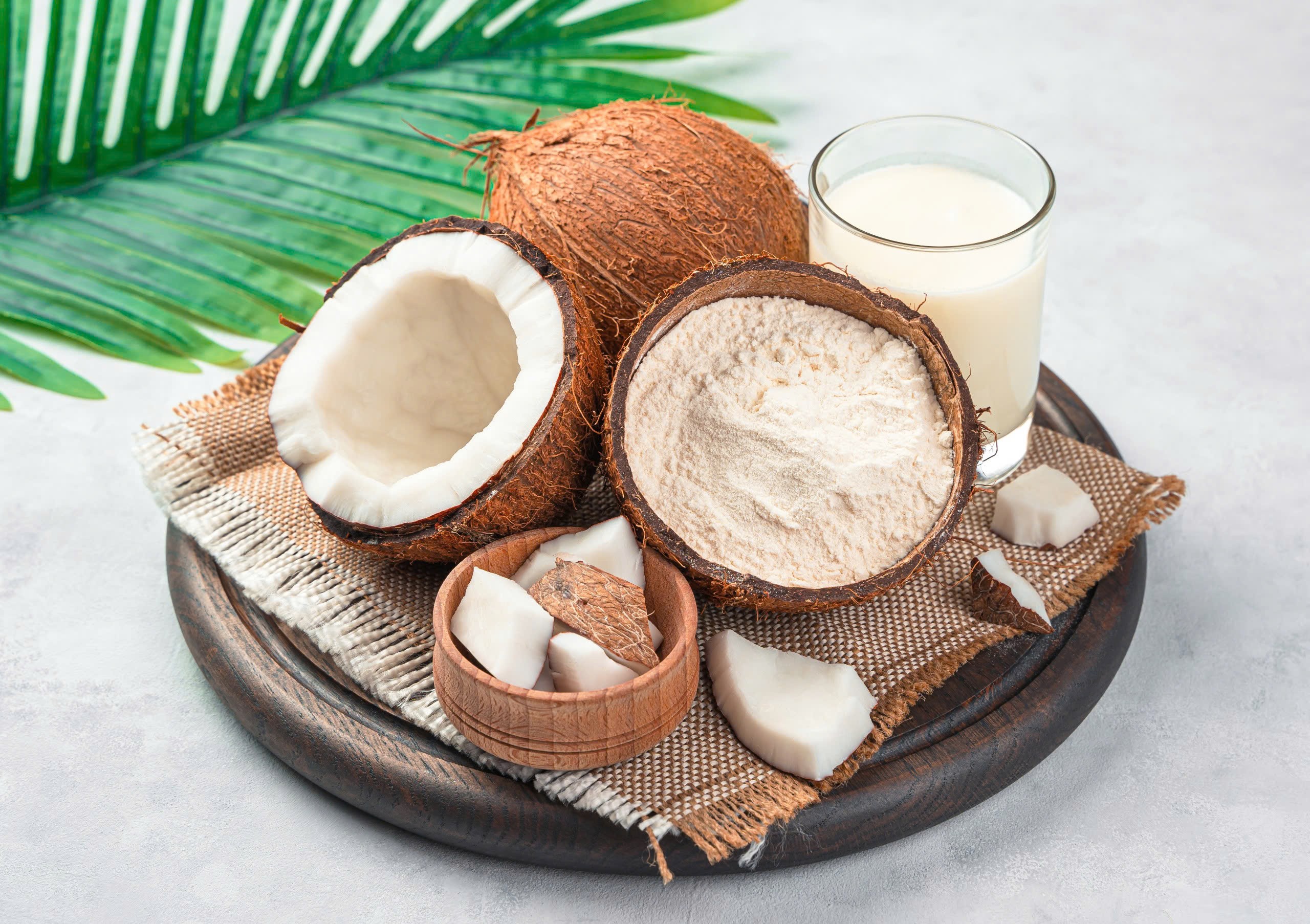
When mixed with warm water in the recommended ratio, coconut milk powder reconstitutes into coconut milk with a rich texture and flavor similar to fresh coconut milk. This makes it a versatile ingredient for cooking, beverage preparation, and food manufacturing.
Many people confuse coconut milk powder with coconut flour, but these are entirely different products in terms of ingredients, nutritional composition, and applications.
|
Criteria |
Coconut Milk Powder |
Coconut Flour |
|
Raw Material |
Spray-dried coconut milk |
Defatted coconut meat, finely ground |
|
Fat Content |
High (approximately 40-65%) |
Low |
|
Mixed with Water |
Reconstitutes into coconut milk |
Does not dissolve, absorbs water strongly |
|
Main Applications |
Cooking, beverages, food production |
Baking, especially gluten-free products |
Nutritional Value of Coconut Milk Powder
Coconut milk powder is an energy-dense food due to its naturally high fat content. In addition to fats, it also provides carbohydrates, protein, and minerals such as potassium and sodium.
Nutritional values vary depending on raw materials, formulation, and manufacturing processes. The table below provides reference values per 100 g of coconut milk powder.
|
Nutrient |
Approximate Amount per 100 g |
|
Energy |
About 690-730 kcal |
|
Total Fat |
About 60-67 g |
|
Carbohydrates |
About 25-27 g |
|
Protein |
About 7 g |
|
Cholesterol |
0 mg |
|
Sodium |
About 100 mg |
|
Potassium |
About 567 mg |
Source: USDA FoodData Central, Dried Coconut Cream
Some coconut milk powder products on the market contain added maltodextrin or emulsifiers to improve solubility and stability. As a result, nutritional content may differ among brands.
For COMOON Coconut Milk Powder, the product is made from 100% fresh coconut meat and contains no dairy ingredients (dairy-free).
How Many Calories Are in Coconut Milk Powder?
According to reference data, 100 g of coconut milk powder provides approximately 690-730 kcal. However, this value applies to the dry powder form. In practical use, only about 20-30 g of powder is typically used per serving.
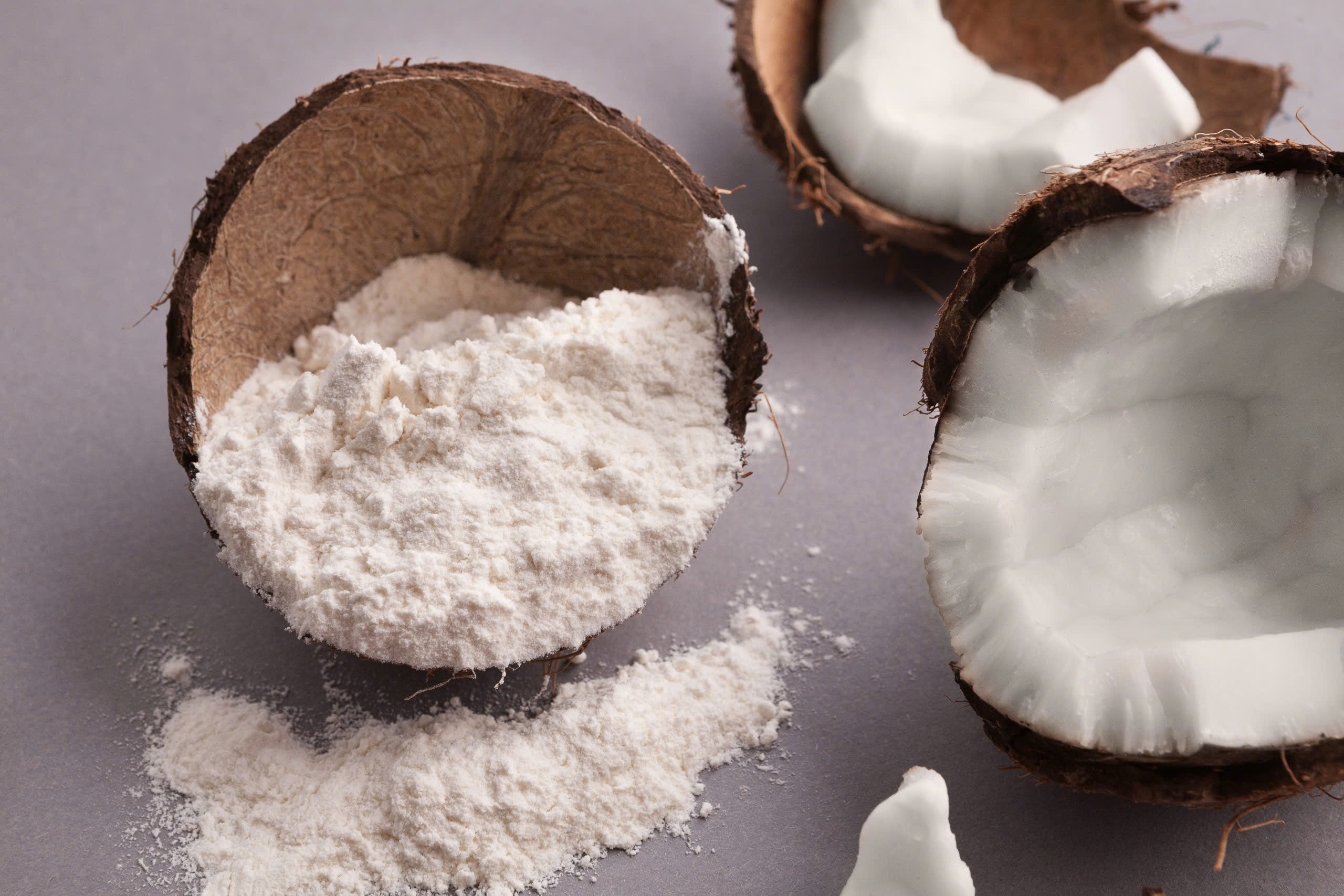
Coconut milk powder is energy-dense in its dry form, but only a small amount is typically used per serving
For example, using 20-30 g of coconut milk powder to prepare coconut milk for curry, desserts, or soups provides approximately 140-220 kcal.
Below is a comparison with other commonly used creamy ingredients:
|
Product |
kcal / 100 g |
kcal per Typical Serving |
|
Coconut Milk Powder |
690-730 kcal |
140-220 kcal (20-30 g powder mixed with 200 ml water) |
|
Canned Coconut Milk |
About 197 kcal |
About 394 kcal (200 ml) |
|
Heavy Cream |
About 340 kcal |
About 170 kcal (50 ml) |
|
Sweetened Condensed Milk |
About 321 kcal |
About 96 kcal (30 ml) |
The calorie value displayed on coconut milk powder packaging may appear high because it is based on 100 g of dry powder. Since only a small amount is diluted with water during use, the actual calorie intake per serving is significantly lower.
Is Coconut Milk Powder Good for You?
Coconut milk powder retains most of the natural fats and flavor found in coconut milk. When consumed in moderation, it can be a convenient ingredient in a wide range of foods and beverages. However, like any high-fat food, it should be incorporated into a balanced diet.
A Source of Medium-Chain Triglycerides (MCTs)
Fats are classified into several categories based on how they are metabolized. Coconut milk powder contains a portion of Medium-Chain Triglycerides (MCTs), which are absorbed and converted into energy more quickly than long-chain fats. However, the MCT content in coconut milk powder is not equivalent to purified MCT oil.
Due to its fat profile, coconut milk powder is commonly used in keto and low-carb diets. It is also more convenient than fresh coconut milk because it is easier to store, measure, and reconstitute whenever needed.
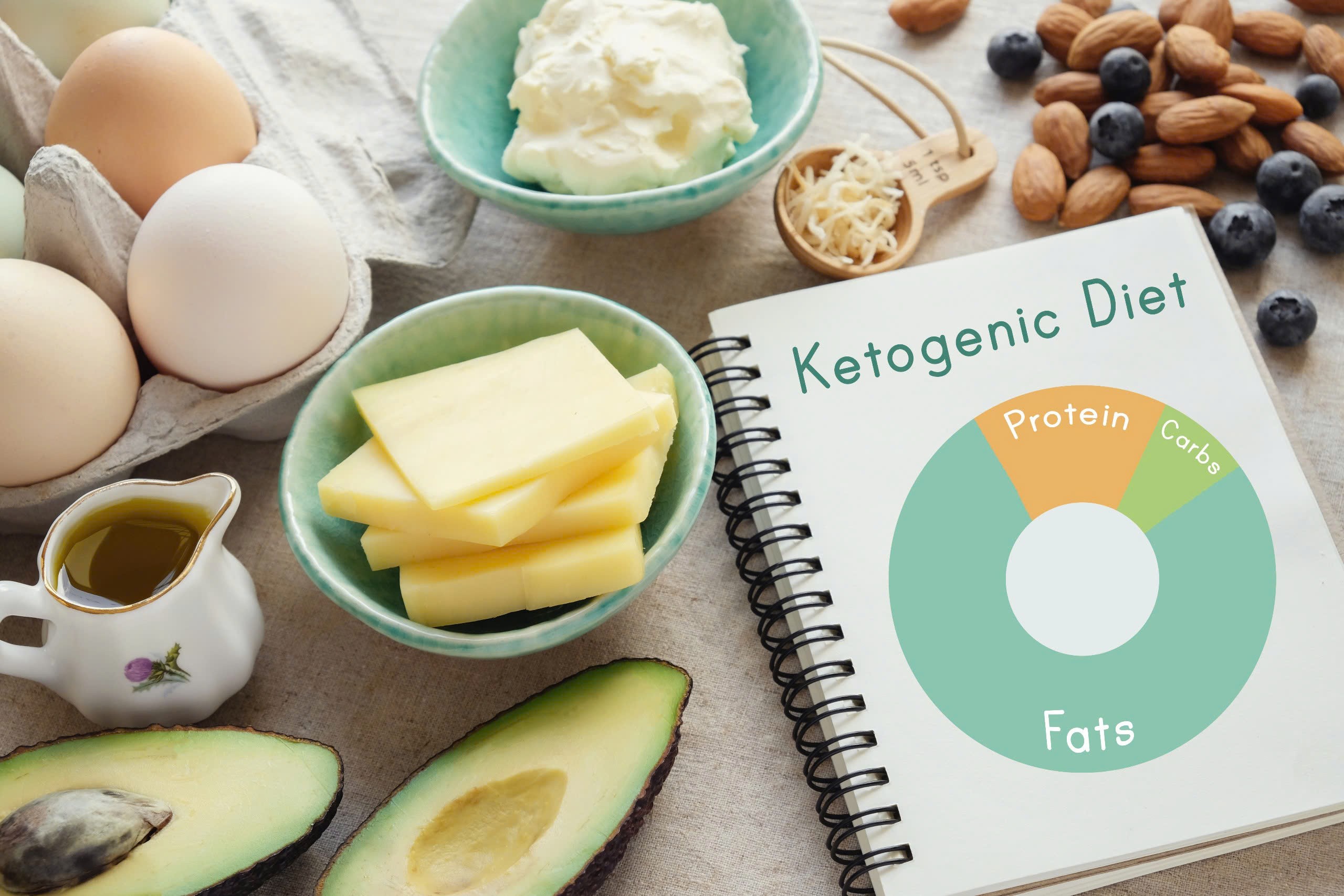
Coconut milk powder contains a portion of MCTs and is commonly used in keto and low-carb recipes
Compared with dairy cream, coconut milk powder provides richness from a plant-based source and contains no cholesterol. However, it still contains a significant amount of saturated fat and should be consumed in moderation.
|
Product |
Fat / Serving |
Saturated Fat |
Lactose |
Cholesterol |
|
Coconut Milk Powder (20 g powder + 200 ml water) |
~13 g |
~12 g |
No |
No |
|
Heavy Cream |
~37 g |
~23 g |
Yes |
Yes |
|
Almond Milk |
~1.1 g |
~0.1 g |
No |
No |
|
Oat Milk |
~1.5 g |
~0.2 g |
No |
No |
|
Soy Milk |
~1.8 g |
~0.2 g |
No |
No |
If your goal is to add creaminess using plant-based ingredients, coconut milk powder is an excellent option. Individuals seeking to reduce fat or calorie intake may prefer lower-fat plant-based alternatives such as almond milk or oat milk.
Lactose-Free and Suitable for People with Dairy Sensitivities
Pure coconut milk powder contains no lactose and no dairy proteins. Therefore, it can be used in recipes designed for people who are lactose intolerant, allergic to milk proteins, or following vegan diets. After reconstitution, it delivers a creamy texture comparable to dairy cream in many applications.
For cooking purposes: Mix 30 g powder with 100 ml water to substitute cream in curries, cream soups, sauces, and baked products. Mix 15-20 g powder with 200 ml water for beverages such as lattes, smoothies, and hot cocoa. When replacing dairy milk, it is best to substitute only part of the milk initially and adjust according to personal preference.
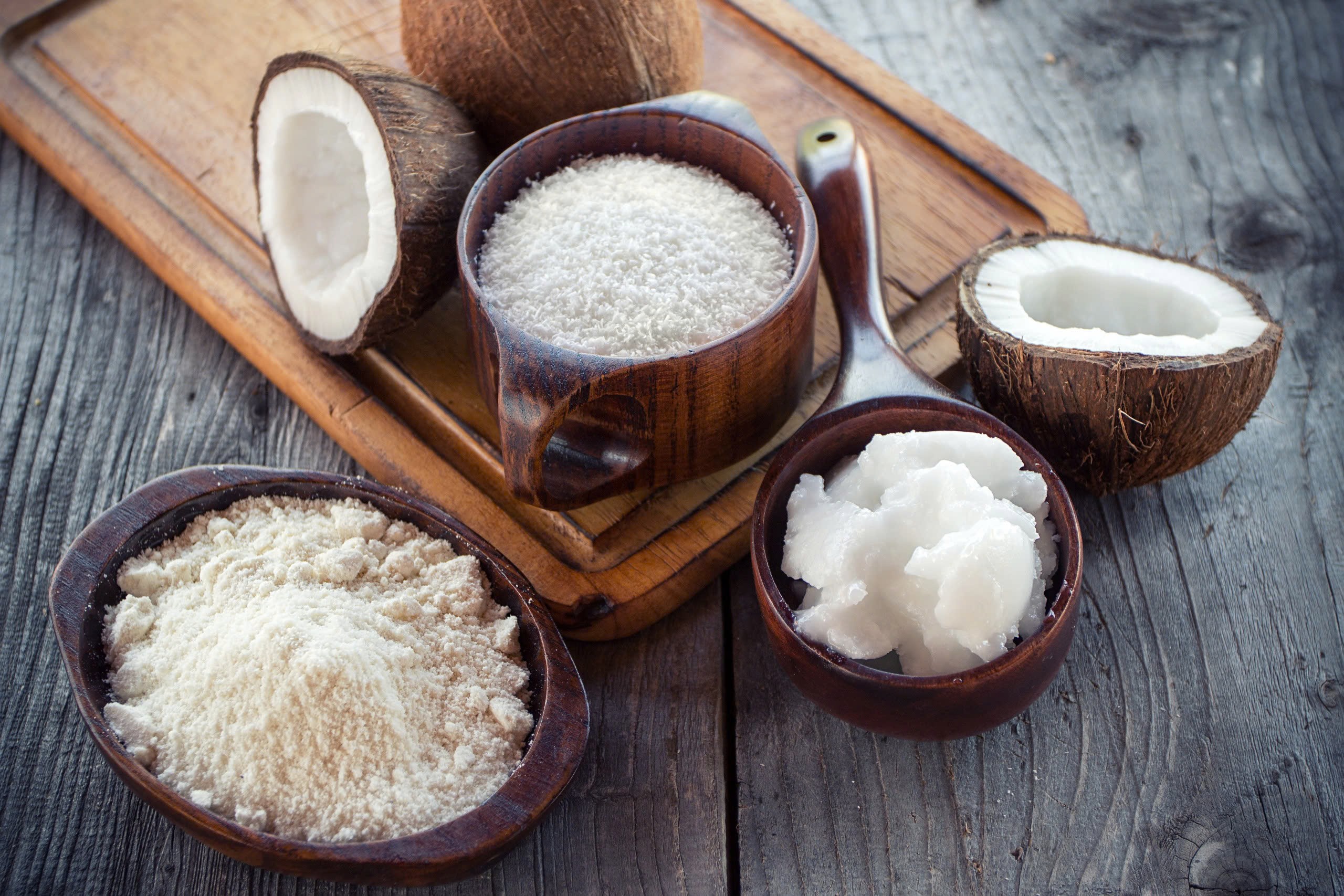
Pure coconut milk powder is lactose-free and suitable for dairy-free recipe applications
However, not all coconut milk powders are the same. Some products may contain casein or dairy-derived ingredients to improve solubility. Individuals with dairy allergies should carefully read ingredient labels before use. COMOON Coconut Milk Powder contains no dairy ingredients and is completely dairy-free
Provides Naturally Occurring Minerals
Besides fat, coconut milk powder contains naturally occurring minerals found in coconut milk, including potassium, iron, and small amounts of other micronutrients.
Potassium plays a role in muscle and nerve function, while iron contributes to red blood cell formation. Although coconut milk powder is not intended to be a primary mineral source, it can contribute to overall dietary variety when combined with a balanced eating pattern.
How to Use Coconut Milk Powder Properly
Coconut milk powder can be used in cooking, baking, and beverage preparation after reconstitution with warm water.
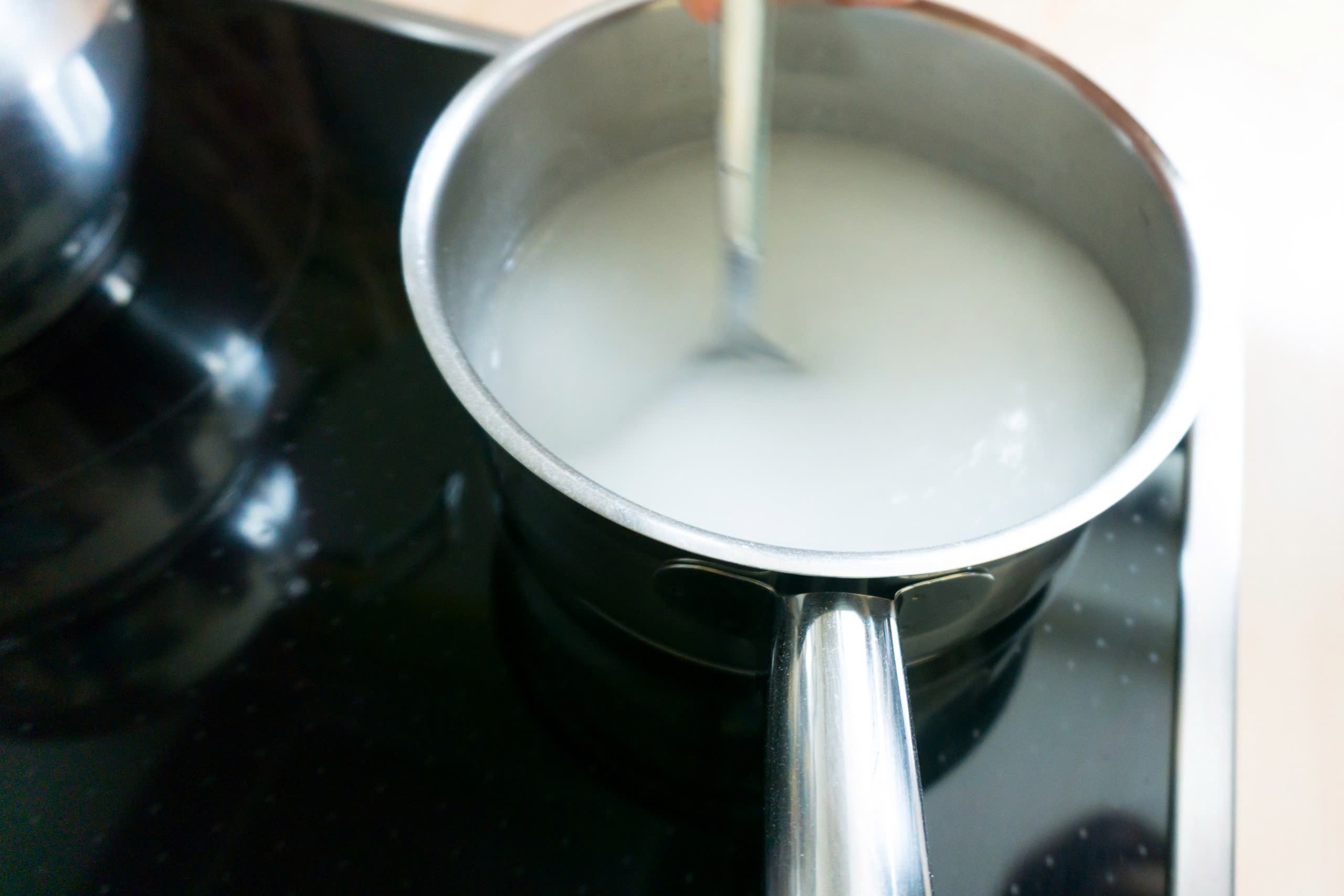
To achieve the best texture and flavor while minimizing clumping or oil separation, proper mixing techniques are important.
Recommended Mixing Ratios
For optimal dissolution, use warm water at approximately 60-70°C (140-158°F).
Avoid boiling water, as excessively high temperatures may cause clumping.
|
Application |
Recommended Ratio |
|
Thick Coconut Milk (curries, desserts, sauces) |
30 g powder + 100 ml warm water |
|
Medium Coconut Milk (baking, ice cream) |
25 g powder + 150 ml warm water |
|
Light Coconut Milk (smoothies, beverages) |
20 g powder + 200 ml warm water |
Mixing Tip: Add water to the bowl first, slowly sprinkle in the powder while stirring continuously. For larger batches, use a whisk or hand blender to achieve a smoother texture.
Let the mixtuPro Tip:
re rest for about 5 minutes after mixing. This helps the coconut milk stabilize and develop its natural consistency before use.
Using Coconut Milk Powder in Cooking
Once reconstituted, coconut milk powder can replace fresh coconut milk in recipes such as: Curries, Coconut desserts, Sticky rice dishes, Soups, Sauces.
For best flavor retention, add coconut milk toward the end of cooking and avoid prolonged boiling. For braised or simmered dishes, add coconut milk during the final 5 minutes to help create a richer sauce while minimizing oil separation.
Recipe: Pumpkin Dessert with Coconut Milk
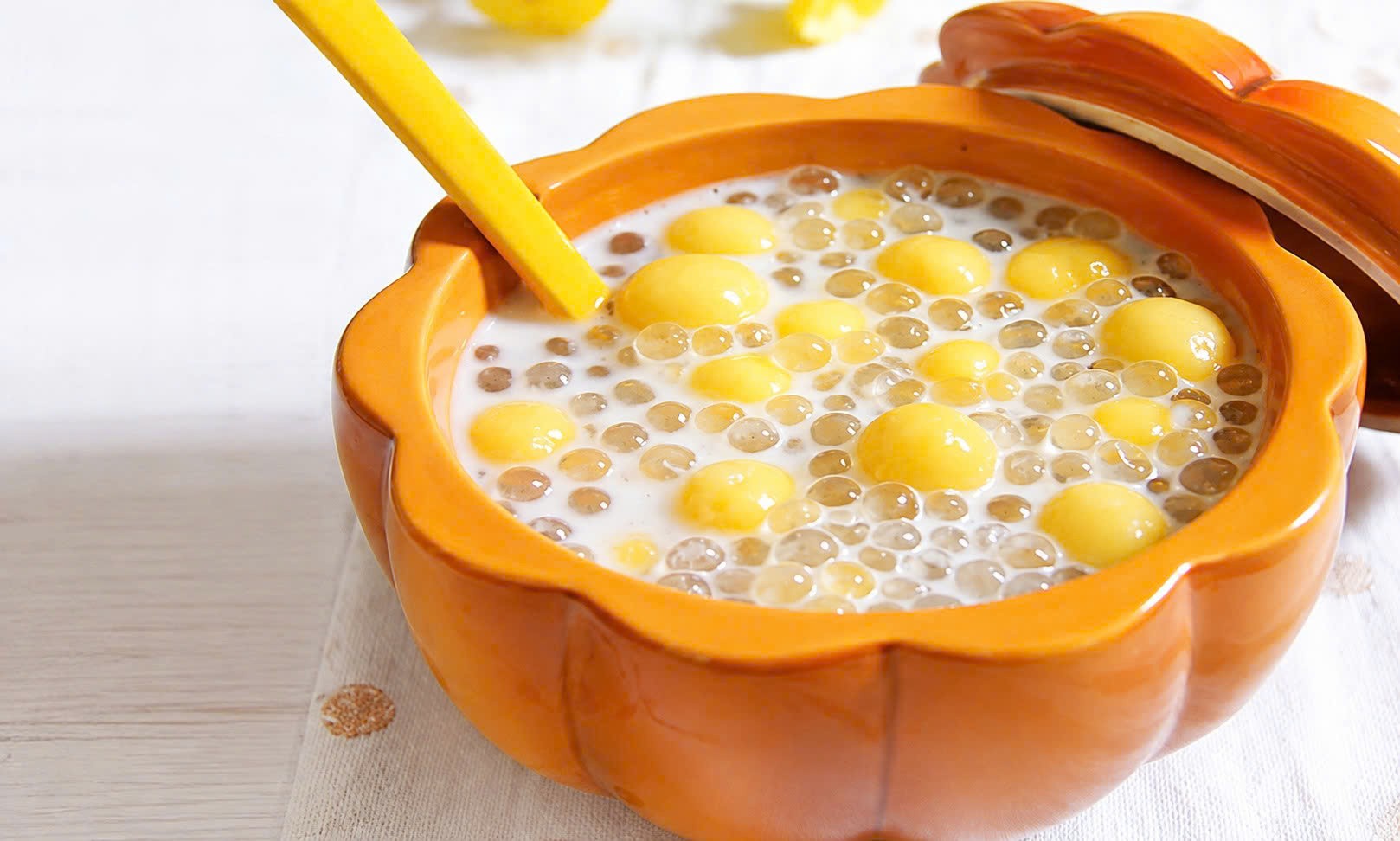
Ingredients
-
300 g pumpkin
-
30 g COMOON Coconut Milk Powder
-
100 ml warm water
-
40 g sugar
-
1/4 tsp salt
-
20 g tapioca pearls (optional)
Directions
-
Peel and cut the pumpkin into bite-sized pieces. Steam or boil until tender.
-
Dissolve 30 g coconut milk powder in 100 ml warm water.
-
Heat the coconut milk with sugar and salt over low heat.
-
Add cooked pumpkin and tapioca pearls.
-
Simmer for 2-3 minutes and remove from heat.
Recipe: Coconut Chicken Curry
Ingredients
-
500 g chicken
-
2 potatoes
-
1 carrot
-
30 g COMOON Coconut Milk Powder
-
100 ml warm water
-
2 tsp curry powder
-
Shallots and garlic
-
Salt, sugar, seasoning powder, pepper
Directions
-
Dissolve coconut milk powder in warm water.
-
Marinate chicken with curry powder, garlic, shallots, and seasonings for 20 minutes.
-
Sauté aromatics and brown the chicken.
-
Add vegetables and enough water to cover.
-
Simmer until tender.
-
Stir in coconut milk and cook over low heat for an additional 3-5 minutes.
Recipe: Pandan Sticky Rice with Coconut Milk
Ingredients
-
500 g glutinous rice
-
30 g COMOON Coconut Milk Powder
-
100 ml warm water
-
100 ml pandan juice
-
40 g sugar
-
1/4 tsp salt
-
Toasted sesame seeds
Directions
-
Soak rice for 6-8 hours and drain.
-
Mix with pandan juice and salt.
-
Steam for 25-30 minutes.
-
Dissolve coconut milk powder in warm water and add sugar.
-
Pour some coconut milk over the rice and steam for another 5 minutes.
-
Serve with remaining coconut milk and toasted sesame seeds.
Using Coconut Milk Powder in Beverages
Coconut milk powder is widely used in: Smoothies, Coconut lattes ,Hot cocoa ,Milk tea ,Specialty coffee beverages.
Always dissolve the powder in warm water before adding ice or blending with other ingredients.
Recipe: Coconut Coffee

Ingredients
-
20 g COMOON Coconut Milk Powder
-
200 ml warm water
-
50 ml strong brewed coffee
-
15 ml sweetened condensed milk
-
Ice cubes
Directions
-
Dissolve coconut milk powder in warm water.
-
Blend coconut milk with sweetened condensed milk and ice.
-
Pour into a glass and slowly add coffee to create a layered effect.
Recipe: Coconut Smoothie
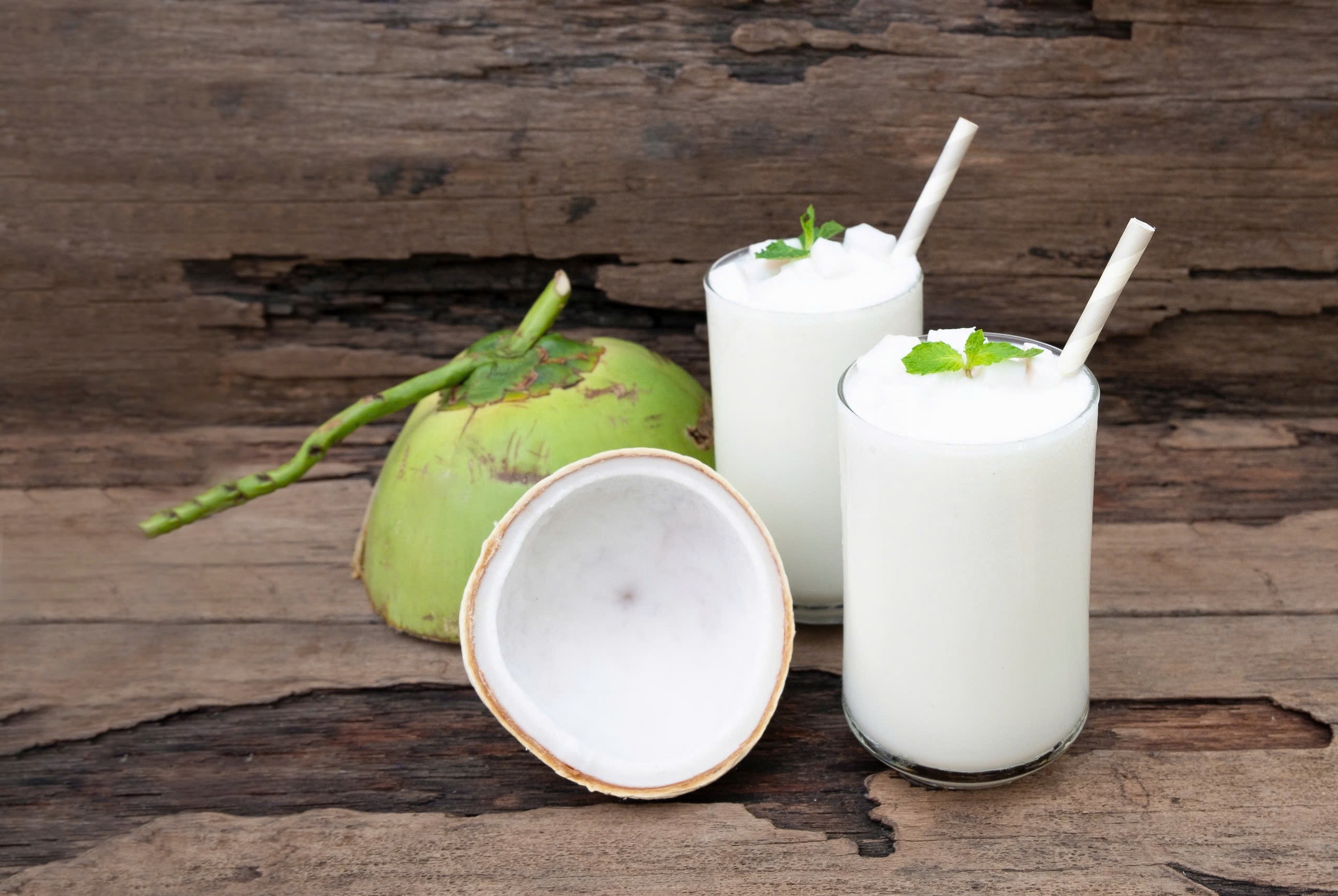
Ingredients
-
20 g COMOON Coconut Milk Powder
-
200 ml warm water
-
1 ripe banana
-
100 g ripe mango
-
1 cup ice cubes
-
Honey or sweetener (optional)
Directions
-
Dissolve coconut milk powder in warm water.
-
Combine all ingredients in a blender.
-
Blend for 40-60 seconds until smooth.
Note: Do not add coconut milk powder directly to ice, as it may form lumps and dissolve poorly.
Storage Guidelines After Opening
After opening the package, coconut milk powder should be sealed tightly after each use to minimize moisture absorption from the environment. The powder can be kept in its original bag secured with a clip, or transferred to an airtight glass jar or plastic container with a tightly fitting lid.
The product should be stored in a cool, dry place at temperatures below 25°C (77°F) and protected from direct sunlight. During use, always use a clean, dry spoon to handle the powder. Moisture from wet utensils can cause clumping, which may affect both the powder's solubility and storage stability.
For COMOON Coconut Milk Powder, the product has a shelf life of up to 24 months when kept in its original unopened packaging and stored according to the manufacturer's instructions. Once opened, it is recommended to use the product within a reasonable period to maintain its optimal quality, flavor, and performance.
Frequently Asked Questions
-
Is coconut milk powder better than fresh coconut milk?
Fresh coconut milk is ideal for immediate use, while coconut milk powder offers greater convenience, longer shelf life, and easier portion control. -
Is coconut milk powder suitable for a keto diet?
Yes. Coconut milk powder is relatively high in fat and low in carbohydrates, making it popular in keto and low-carb eating plans. Always review the nutrition label of the specific product. -
Can pregnant women consume coconut milk powder?
Yes. Coconut milk powder can be included as part of a balanced diet during pregnancy when consumed in appropriate amounts. -
Does coconut milk powder contain cholesterol?
No. Coconut milk powder is plant-based and naturally cholesterol-free.. -
How much coconut milk powder should I consume per day?
There is no universal recommendation. Most recipes use approximately 20-30 g per serving. -
Where Can You Buy Coconut Milk Powder?
COMOON Coconut Milk Powder is made from 100% fresh Ben Tre coconut meat using advanced spray-drying technology. The product is dairy-free, contains 40-65% fat content, has a 24-month shelf life, and is available in 1 kg, 5 kg, 10 kg, and 25 kg packaging sizes, suitable for both household use and food manufacturing.
Why Choose COMOON Coconut Milk Powder?
COMOON is a trusted supplier of coconut milk powder for international markets. COMOON Coconut Milk Powder is produced from 100% fresh coconut meat without casein or dairy-derived ingredients. From raw material sourcing to spray drying, every step is carefully controlled to maintain natural coconut flavor and ensure a dairy-free product.
The product is certified to internationally recognized standards, including BRCGS, FSSC 22000, HALAL, and FDA, and is tested by SGS. These certifications help meet import requirements across various global markets, making it easier for partners to obtain the export documentation and quality assurance records required for international trade.
COMOON offers coconut milk powder with fat contents ranging from 40% to 65% and packaging options from 1 kg to 25 kg, with customization available to meet specific customer requirements. Businesses seeking OEM manufacturing or private-label product development are welcome to contact COMOON for product samples and technical consultation.
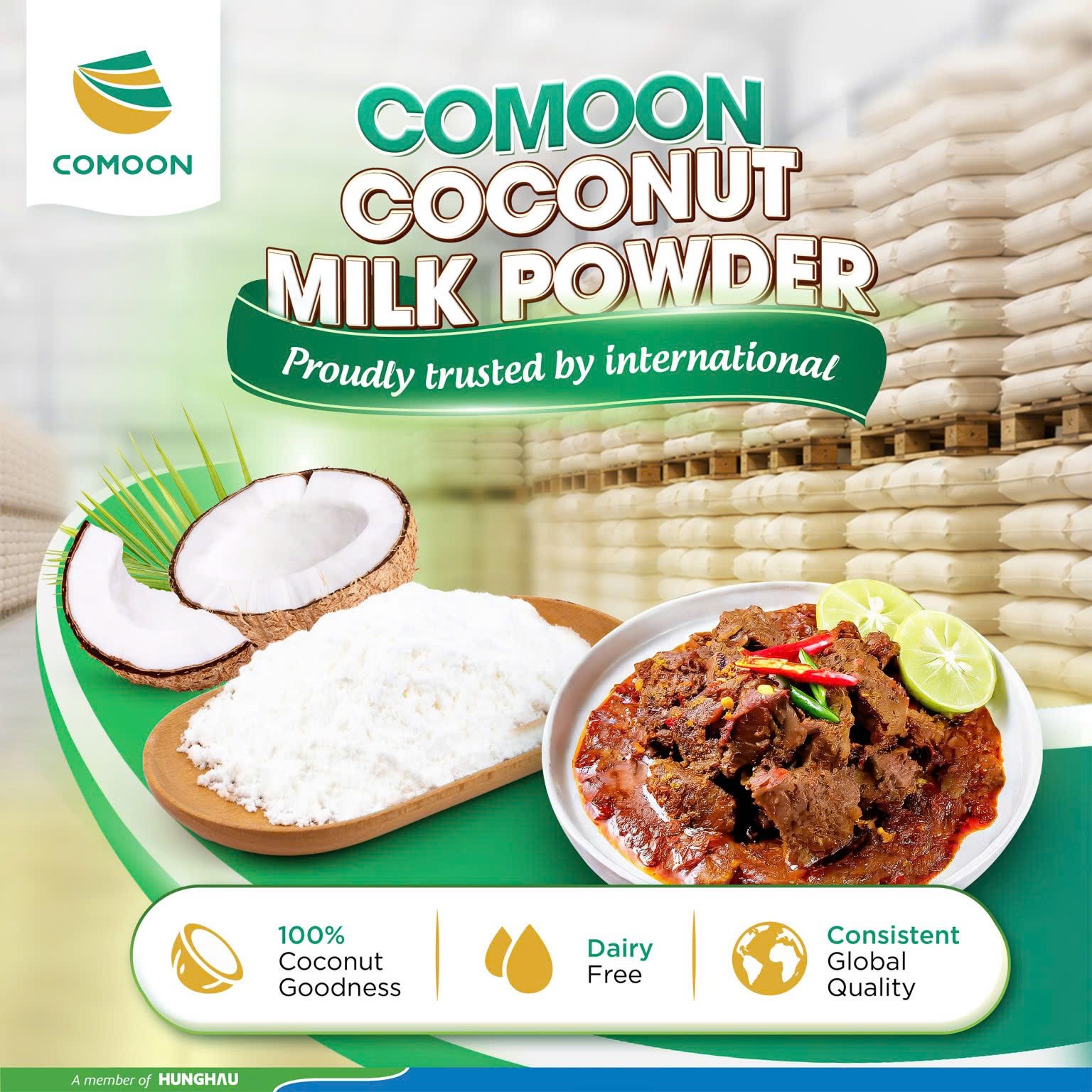
COMOON Coconut Milk Powder is made from 100% fresh coconut meat for food and beverage applications
Coconut milk powder is a convenient ingredient that is rich in natural fats and suitable for various dietary preferences thanks to its dairy-free and cholesterol-free properties. In this article, COMOON has shared key information about the nutritional value, health benefits, and practical uses of powdered coconut milk in everyday cooking and beverages. We hope this guide helps you better understand coconut milk powder and choose the right product for your household or business needs.
Contact Information
COMOON CO., LTD
Hotline: (+84) 969 440 333
Email: susan@comoon.vn
Website: comoon.vn
References:
-
Mayo Clinic, Dietary fat: know which to choose
-
Harvard T.H. Chan School of Public Health, Coconut Oil / Saturated Fat
-
USDA FoodData Central, Dried Coconut Cream
Share :
Customer comments
Other news
COMOON Co., Ltd.
58 Co Giang Street, Cau Ong Lanh Ward, District 1, Ho Chi Minh City, Vietnam
T: (+84) 366 053 666
- Business Registration No.: 0318171053
- Issued on November 17, 2023 by the Department of Planning and Investment of Ho Chi Minh City.

Copyright © 2024 COMOON


