


- Login
- Register

News
The latest updates from COMOON. Stay tuned to not miss any information!
DIFFERENTIATING COCONUT VARIETIES IN VIETNAM BASED ON TREE HEIGHT, GENETIC SOURCE, AND APPLICATIONS
Friday, 20/02/2026, 07:53
Coconut varieties in Vietnam are highly diverse, with many types distributed across different regions. Although coconut trees have long been associated with daily life and livelihoods, many people still cannot clearly distinguish between coconut varieties. The following article provides a detailed guide to identifying types of coconuts in Vietnam based on tree height, genetic origin and practical applications.
Classification of Coconuts by Tree Height
Based on biological characteristics, the Vietnam Coconut Association and coconut breeding research institutions commonly divide coconuts into two main groups: tall coconuts and dwarf coconuts.
The tall coconut group includes varieties such as:
- Brown Coconut;
- Red dwarf coconut;
- Tall Coconut.
The dwarf coconut group includes:
- Green, red, light green, knobbed Siamese Coconut;
- Green, yellow Dwarf Coconut;
- Tam Quan coconut;
- Malayan coconut;
- Aromatic pandan coconut small fruit type.
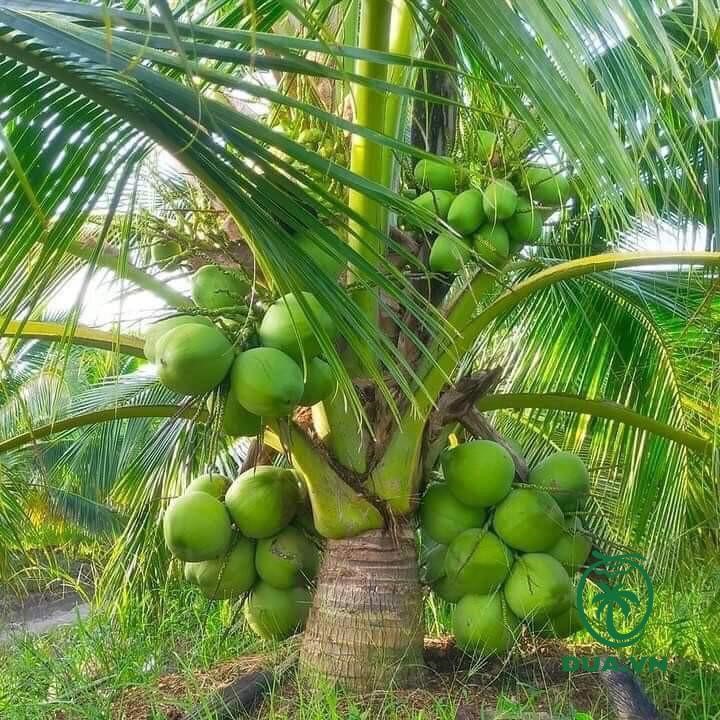
Dwarf Siamese Coconuts (Source: Internet)
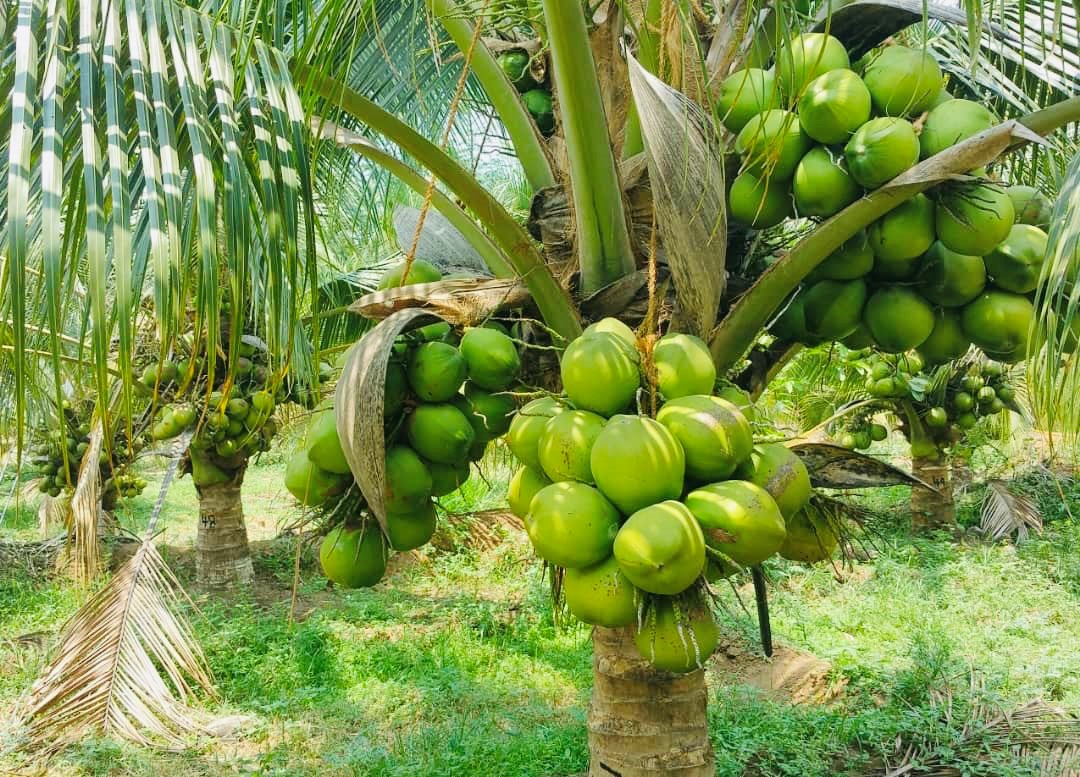
Dwarf Aromatic Coconut (Source: Internet)
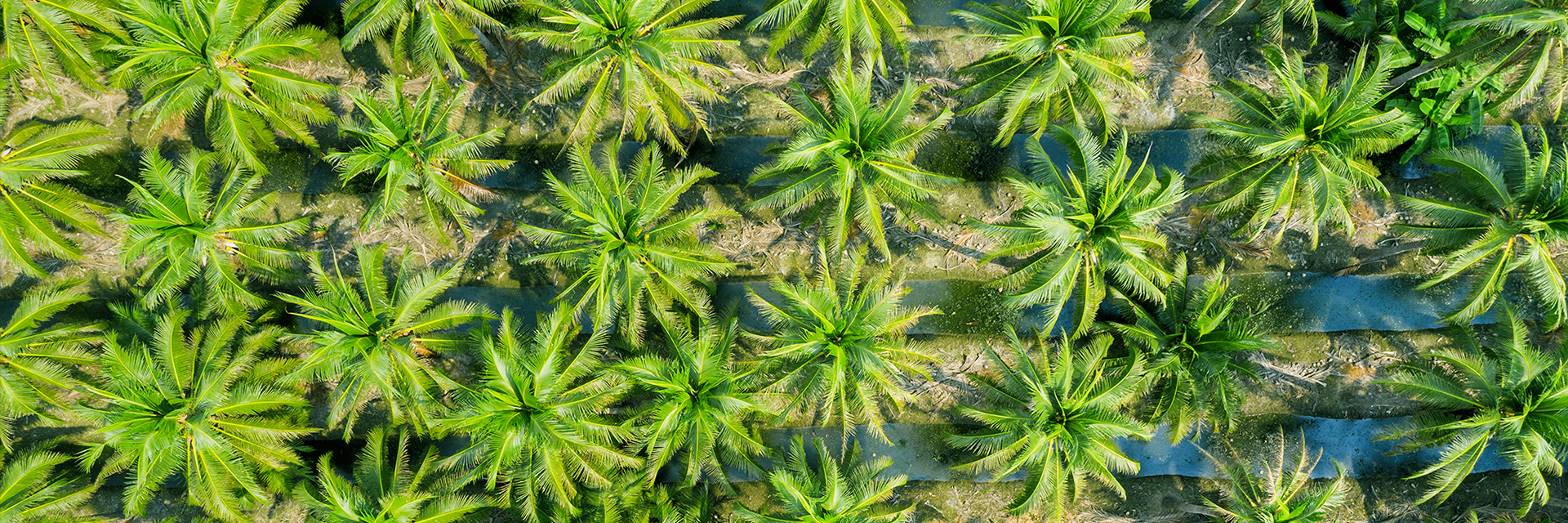
In former Ben Tre province, there are approximately 80,000 hectares of coconut cultivation, accounting for 42% of the total coconut growing area nationwide. Besides Ben Tre, Vietnam also has other major coconut regions such as Tra Vinh, Vinh Long and Binh Dinh, contributing to the diversity of coconut varieties. Ben Tre currently records around 30 coconut varieties, including the dwarf group mentioned above.
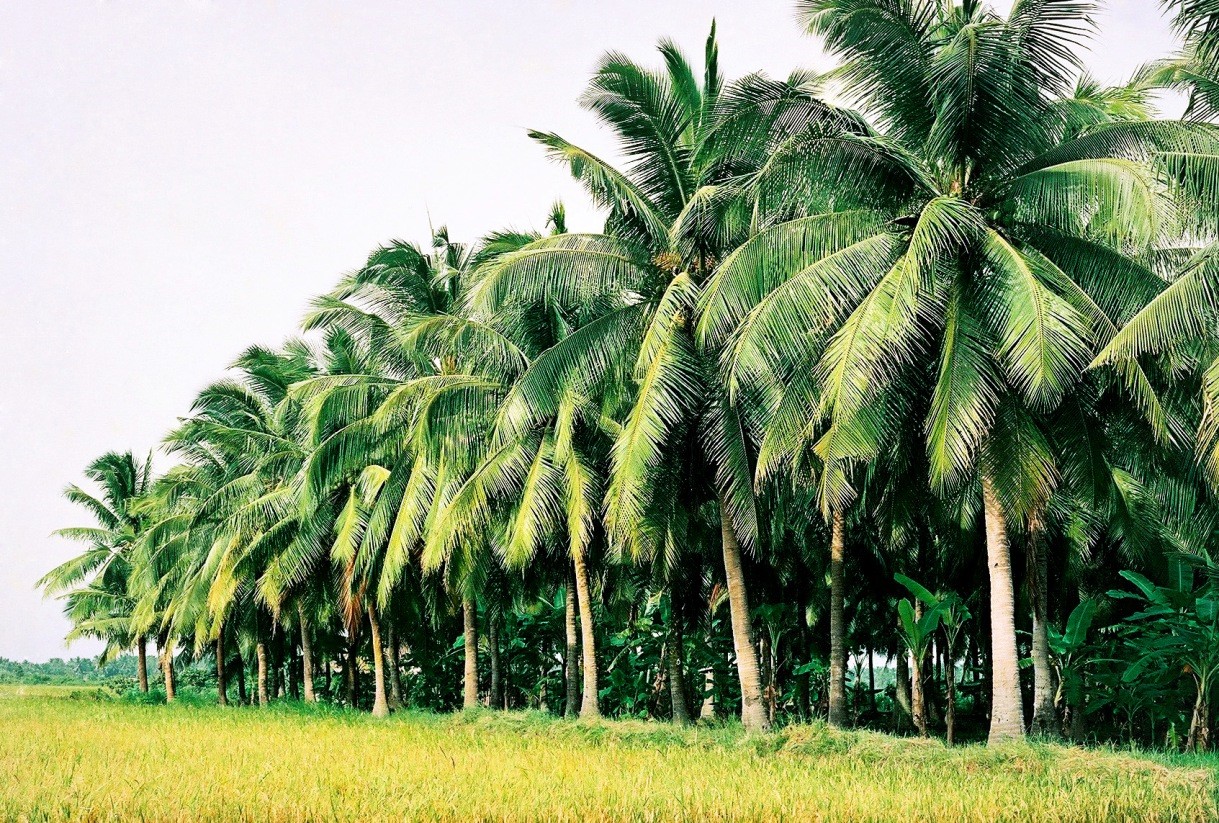
Ben Tre Garden (Source: Internet)
|
Coconut variety |
Tall coconut |
Dwarf coconut |
|
Pollination method |
Cross pollination |
Self pollination |
|
Time to fruiting |
Late fruiting 5–7 years |
Early fruiting 3–4 years |
|
Fruit characteristics |
Large fruits, fewer fruits per bunch |
Smaller fruits, more fruits per bunch |
|
Growth rate and tree height |
Fast growth, 18–20 m tall |
Slower growth, 10–12 m tall |
|
Trunk base characteristics |
Swollen base |
Small straight base |
|
Coconut meat thickness |
Thick meat 1.2–1.3 cm |
Thin meat 0.7–1 cm |
|
Oil content |
High 65–67% |
Lower under 63% |
|
Economic lifespan |
50–60 years |
30–40 years |
|
Adaptability |
Good adaptability to adverse environmental conditions |
Lower adaptability |
|
Typical varieties in Vietnam |
Brown Coconut, Red Dwarf Coconut, Tall Coconut |
Siamese, Dwarf, Tam Quan, Aromatic pandan |
|
|
Classification by Origin
Globally, there are two major genetic groups of coconuts: the Indo Atlantic group and the Pacific group. In terms of origin, coconut varieties in Vietnam belong to the Pacific genetic group.
Coconuts in Vietnam can be divided into:
Division by origin including native or local varieties, hybrid varieties and introduced varieties.
Division by genetic traits including conventional varieties and varieties carrying mutation genes.
Native Coconuts
Native Coconuts are varieties that have existed for a long time, adapted to local climate and soil conditions, and preserved by farmers over generations. According to documents from the Oil and Oil Plant Research Institute, local varieties include:
- Brown Coconut;
- Red Coconut;
- Green Siamese Coconut;
- Dwarf Coconut;
- Jelly Coconut.
Officially recognized by the Ministry of Agriculture and Rural Development in 2016.
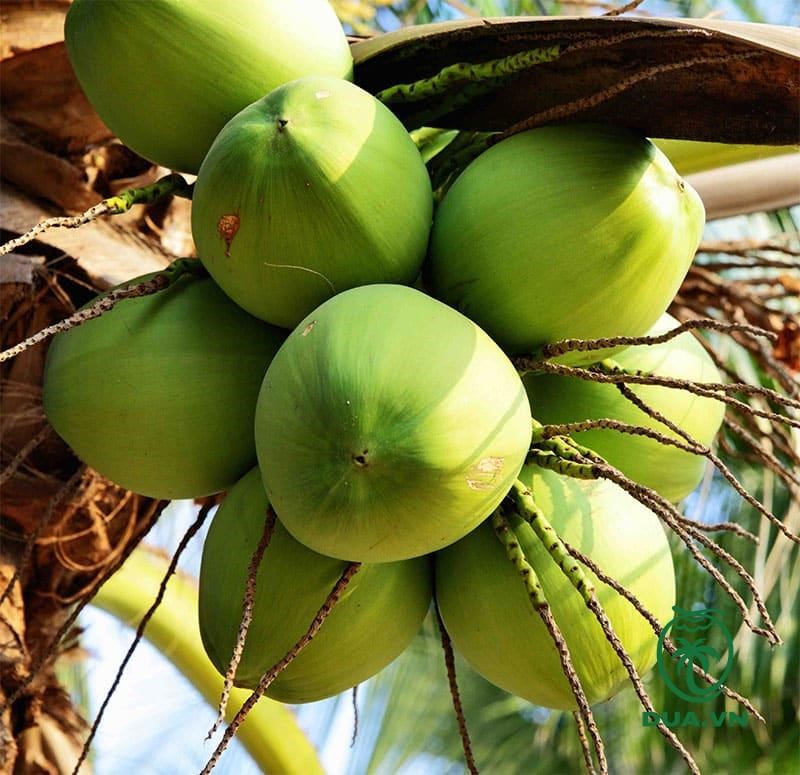
Brown Coconut (Source: Internet)
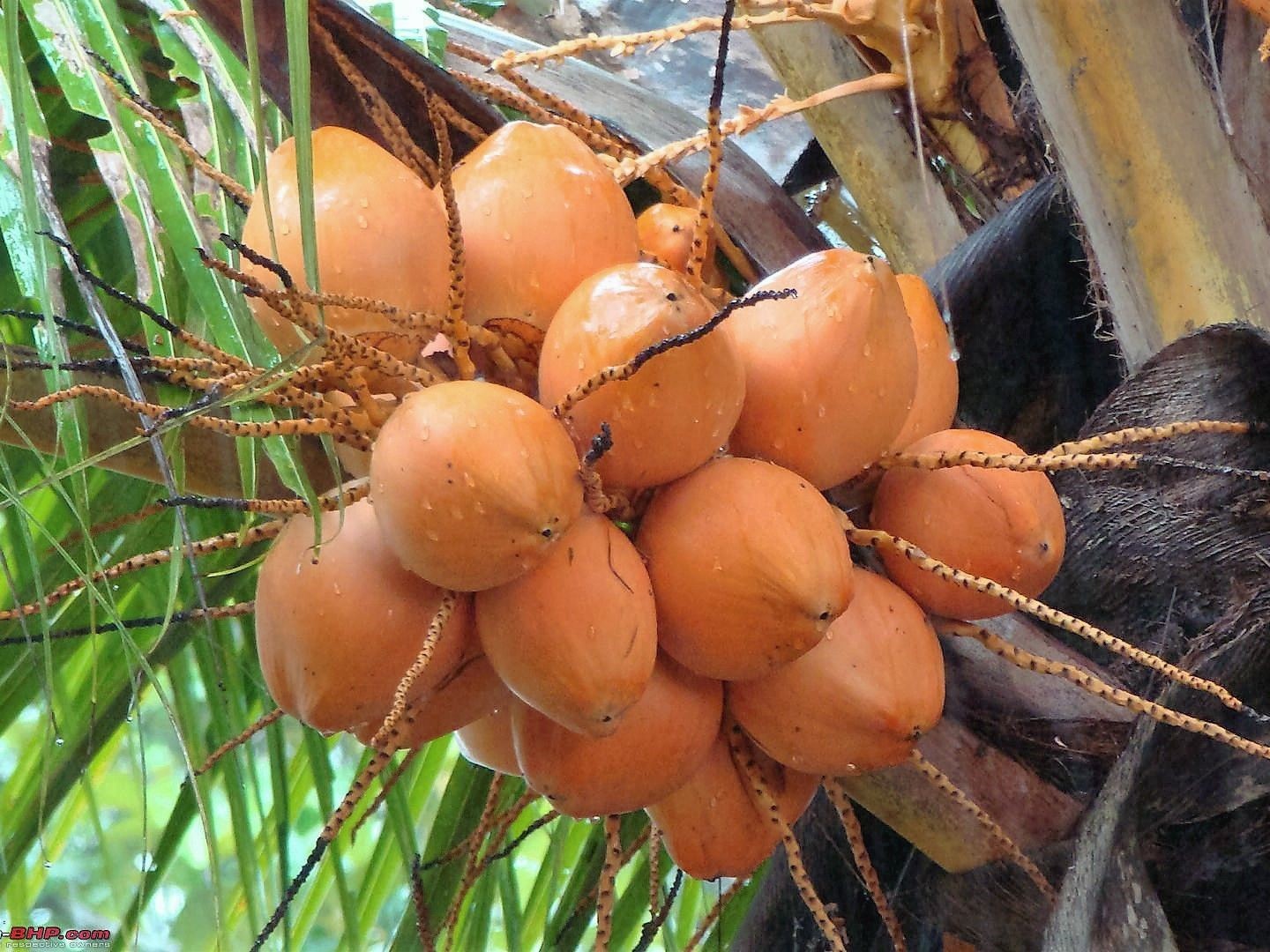
Red Dwarf Coconut (Source: Internet)

Red Siamese Coconut (Source: Internet)
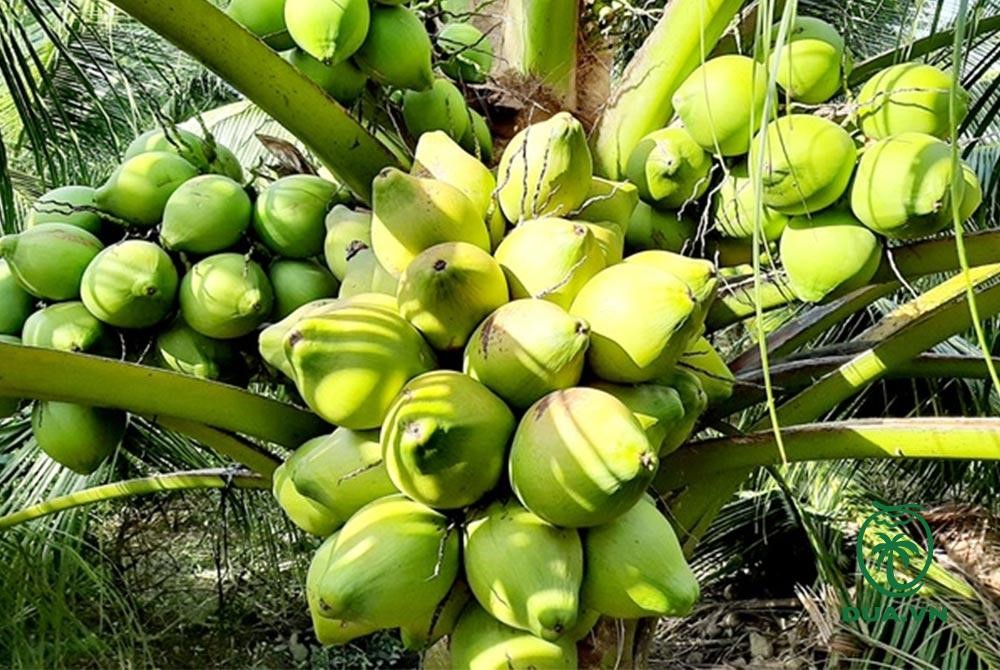
Dwarf Coconut (Nguồn: Internet)
Among these, Brown Coconut and Red Dwarf Coconut are mainly cultivated for oil extraction and processing, while Siamese, Dwarf and Jully coconuts are more oriented toward fresh consumption and tourism.
Hybrid Coconuts
Hybrid Coconuts are the result of intentional cross breeding between dwarf and tall coconuts, or between domestic and imported varieties, to combine the strengths of both groups. Varieties such as JVA1 and JVA2 were developed by research institutions with the following typical combinations:
|
Coconut variety |
Tree form group |
Genetic source |
Color |
|
JVA1 hybrid |
Hybrid tall × dwarf |
Yellow Malayan Dwarf female × Hijo Tall male |
Green |
|
JVA2 hybrid |
Hybrid tall × dwarf |
Red Malayan Dwarf female × Hijo Tall male |
Orange red |
Hybrid coconuts are evaluated as having strong growth, large trunk circumference and more green leaves per tree, 18–20 leaves compared to 12–15 leaves of Ta coconut after three years of planting. They flower early, around three years after planting, while Brown Coconut requires four to five years. Yield is 1.5–2 times higher than local varieties, with oil content reaching 65–68%.
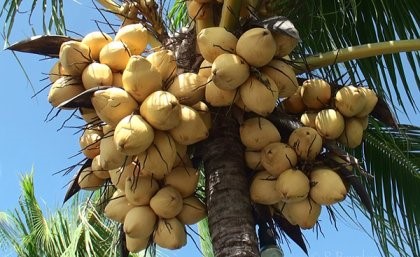
Hybrid Coconuts (Source: Internet)
Mutated Coconuts
The group of coconuts with special mutation characteristics is most clearly represented by Wax coconut. Wax coconut is a specialty of Cau Ke district in Tra Vinh province. It is characterized by thick, soft and jelly like flesh with very little or no water. Each mature fruit weighs 1.2–1.5 kg, with a yield of 40–80 fruits per tree per year, but only one to two wax fruits per bunch, equivalent to 20–25% of fruits showing wax characteristics. Wax coconuts cannot be propagated from wax fruits because they do not germinate. Seedlings must be grown from normal fruits in the same bunch, and not all trees achieve the desired wax fruit ratio. In wax coconuts, coconut water almost disappears and the flesh transforms into a thick sticky mass, considered a unique structural mutation compared to normal coconuts.
Aromatic pandan coconut is also regarded as having mutation characteristics because not only the water but also the leaves, flowers, pollen, flesh and husk carry a pandan fragrance. Fruits vary in size, from small like Siamese Coconut, medium like Red Dwarf Coconut, to large like Brown Coconut. Yield ranges from 80–140 fruits per tree per year, with 300–450 ml of water per fruit. Fragrance is inversely proportional to fruit size. Smaller fruits are more fragrant, while larger fruits have weaker aroma but higher germination rates of 80–90%, compared to 10–20% for small fruits. Therefore, aromatic pandan coconut is considered a premium fresh drinking variety that requires careful seed selection.
Overall, classification by genetic origin helps distinguish stable native varieties, productive hybrid varieties and unique high value mutated varieties.

Jully Coconut (Source: Internet)
Classification by Application
From a production and commercial perspective, the key question is whether a coconut variety is mainly used for water or for meat. In Vietnam, tall coconuts are generally harvested for mature fruits used in processing, while dwarf coconuts are harvested primarily for fresh drinking water.
In practice, classification by usage often aligns with tall and dwarf categories, since most tall varieties are oriented toward meat and oil production, while most dwarf varieties are developed for the fresh drinking coconut market.
Coconut Varieties for Meat and Oil
These are mainly tall varieties such as Brown Coconut and Red Dwarf Coconut. Both have high oil content, Brown Coconut 65–67% and Red Dwarf Coconut 63–65%, thick flesh and medium to large fruit size. They are suitable for oil extraction, desiccated coconut, coconut milk, coconut milk powder and other processed coconut products.

Coconut meat (Source: Internet)
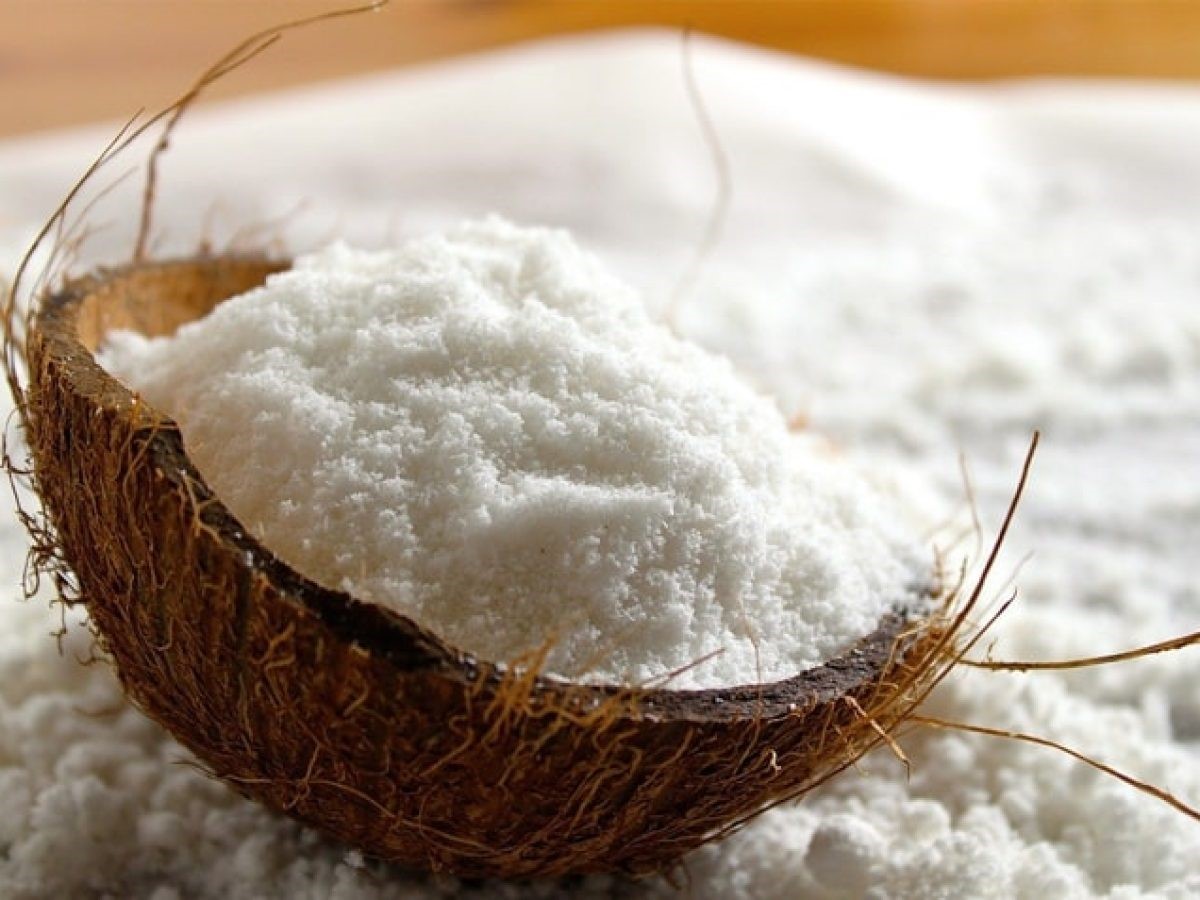
Desiccated coconut (Source: Internet)

Coconut oil (Source: Internet)
Coconut Varieties for Fresh Drinking Water
Coconut varieties used for drinking water are mainly dwarf types, including green Siamese, light green Siamese, red Siamese, pink flesh Siamese, yellow dwarf and red Malayan dwarf. These varieties produce small to medium fruits with high water content, sweet taste, high fruit yield per tree and early fruiting. Green Siamese provides 250–300 ml per fruit, light green Siamese 250–300 ml, red Siamese 280–320 ml and Malayan dwarf 300–350 ml per fruit. They are suitable for fresh consumption and for bottled or canned coconut water production.
Pineapple-scented Coconuts is a dwarf variety with a distinctive pandan fragrance in both water and flesh, yielding around 80–100 fruits per tree per year. It is suitable for cultivation in freshwater alluvial areas and is often associated with beverage services and tourism.
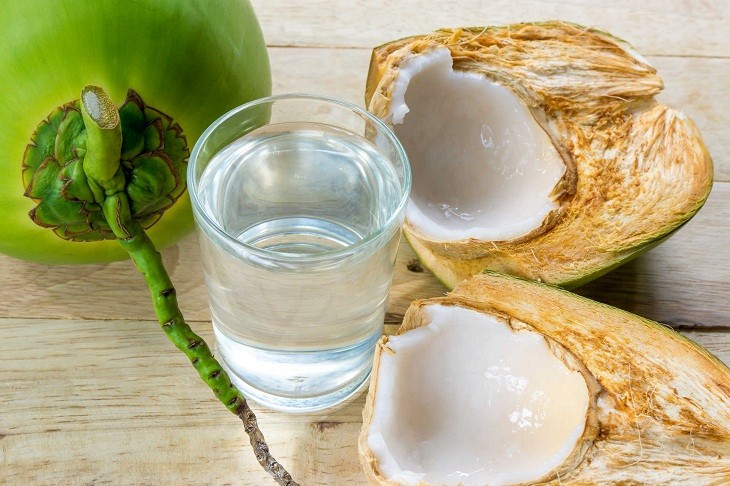
Water coconut (Source: Internet)
Hybrid varieties such as JVA1 and JVA2 can be considered multipurpose. They combine the large fruit size, thick flesh and high oil content of tall coconuts with the early fruiting and high productivity of dwarf coconuts, allowing use for both drinking water at the young stage and meat or oil at maturity.
Local Specialty Coconut Varieties
Local specialty coconuts represent high economic value varieties that contribute to the uniqueness of coconut types in Vietnam.
Jully coconut from Tra Vinh is a solid flesh coconut with thick, soft and creamy meat, very little but jelly like water, and a selling price many times higher than ordinary coconuts. Although the cultivation area is limited, the economic value per hectare is high, creating premium gift products and attracting tourism.
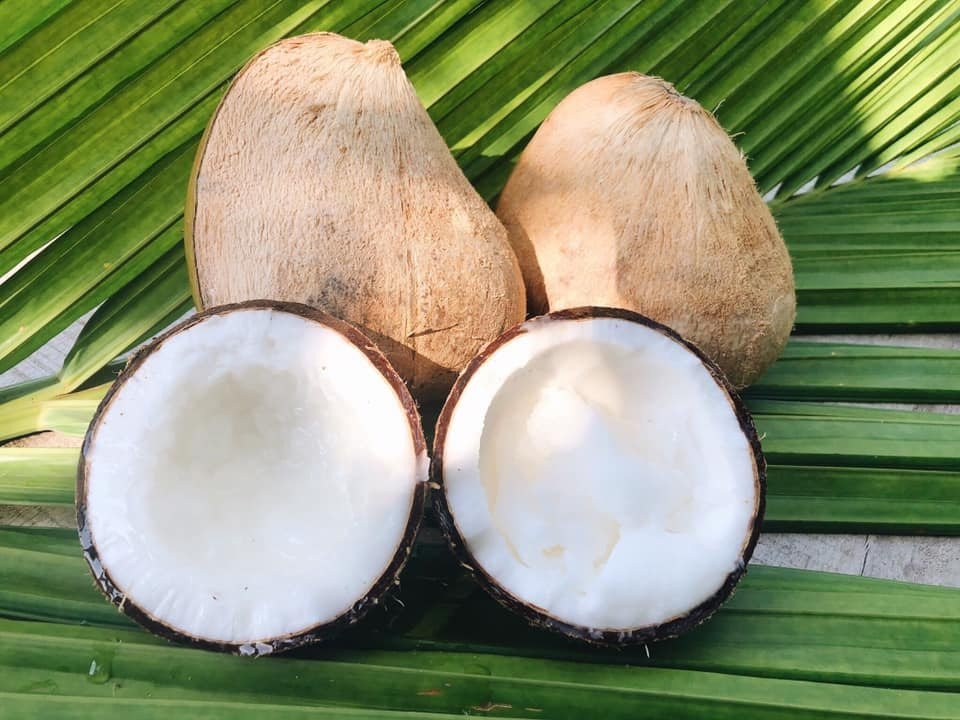
Jully Coconut (Source: Internet)
Understanding types of coconuts in Vietnam is beneficial not only for consumers but also for processing enterprises. Many coconut businesses, including COMOON Co., Ltd., develop product strategies based on this classification. COMOON selects coconuts aged 11–12 months in Ben Tre, considered optimal for water quality and nutritional value, to produce bottled fresh coconut water for domestic and export markets such as Japan, South Korea and Europe. The company also develops handicraft products from coconut shells, fiber and trunks, transforming by products into decorative and household items that reflect Vietnamese identity.
In conclusion, types of coconuts in Vietnam differ not only in appearance or usage. Accurate classification helps consumers make informed choices, enables enterprises to develop suitable products and supports farmers and brands in elevating Vietnamese coconuts on the global agricultural market.
Reference source:
https://cuhudua.com.vn/cach-phan-biet-giong-dua-dac-tinh-mot-so-giong-dua-co-trien-vong
https://www.ioop.org.vn/chi-tiet-tin-tuc/cac-bo-mon-37/cac-bo-mon-122.html
https://dantocmiennui.baotintuc.vn/chon-giong-dua-cho-hieu-qua-kinh-te-cao-post173618.html
Share :
Customer comments
Other news
COMOON Co., Ltd.
58 Co Giang Street, Cau Ong Lanh Ward, District 1, Ho Chi Minh City, Vietnam
T: (+84) 366 053 666
- Business Registration No.: 0318171053
- Issued on November 17, 2023 by the Department of Planning and Investment of Ho Chi Minh City.

Copyright © 2024 COMOON


