



- Login
- Register


News
The latest updates from COMOON. Stay tuned to not miss any information!
HOW HAS THE COCONUT INFLUENCED CUISINES IN DIFFERENT COUNTRIES?
Tuesday, 10/03/2026, 07:38
Many countries around the world feature rich and diverse coconut-based cuisines, from Southeast Asia and South Asia to the Caribbean and South America. Coconut appears in thousands of traditional dishes across different cultures. In each cuisine, it contributes unique flavors and textures that shape regional culinary identities and reflect the cultural heritage of each nation.
So, which countries have the most diverse coconut cuisine? Why is coconut often considered the “soul ingredient” in many traditional dishes? This article explores some of the countries where coconut is not only a cooking ingredient but also an essential part of daily life and cultural traditions.
How Coconut Trees Are Connected to Culinary Culture?
The coconut tree originated in Southeast Asia and South Asia and later spread to Africa, the Caribbean, and South America through maritime trade routes. Thanks to its strong adaptability to tropical coastal climates, coconut has become a common food source in the lives of indigenous communities for hundreds of years.
In culinary practices, almost every part of the coconut is utilized: coconut water is used for beverages and cooking; coconut milk is used to prepare dishes and beverages; grated coconut is used to make pastries and desserts; coconut oil is used for frying, moisturizing the body, removing makeup, and conditioning hair; while coconut shells and husks are used for daily tools and handicrafts. This versatility has helped coconut-based cuisine develop strongly, forming distinctive cooking styles in many tropical countries.
In countries such as India, Sri Lanka, and the Philippines, coconut is not only a familiar ingredient but is also associated with cultural life and traditional rituals such as Hindu ceremonies, coconut festivals, and the Aadi Perukku festival. Therefore, when discussing coconut cuisine, it is not only about food but also about a cultural ecosystem centered around this valuable tropical fruit.
Group of Countries Where Coconut Is the “Soul” of National Cuisine
Coconut Cuisine Culture in Thailand
In Thailand, coconut is not only a familiar ingredient but is also considered the “soul” that creates the distinctive flavor structure of the country’s cuisine. While Thai dishes are known for the spiciness of chili, the sourness of lime, and fresh herbs, coconut milk plays the role of balancing the overall taste with its rich and naturally mild sweetness. As a result, coconut-based cuisine in Thailand often achieves harmony among spicy – sour – salty – sweet flavors, creating clear depth of taste from savory dishes to desserts.
Famous dishes such as green curry, red curry, tom kha soup, and mango sticky rice all use coconut milk as a core component to create a smooth texture, reduce the spiciness, and enhance the characteristic aroma. In addition, grilled coconut is a popular street food, demonstrating how Thai people fully utilize the natural sweetness of coconut. When roasted over charcoal, coconut water becomes more flavorful and aromatic, while the coconut flesh becomes soft, slightly rich, and warm-sweet, completely different from fresh coconut water.
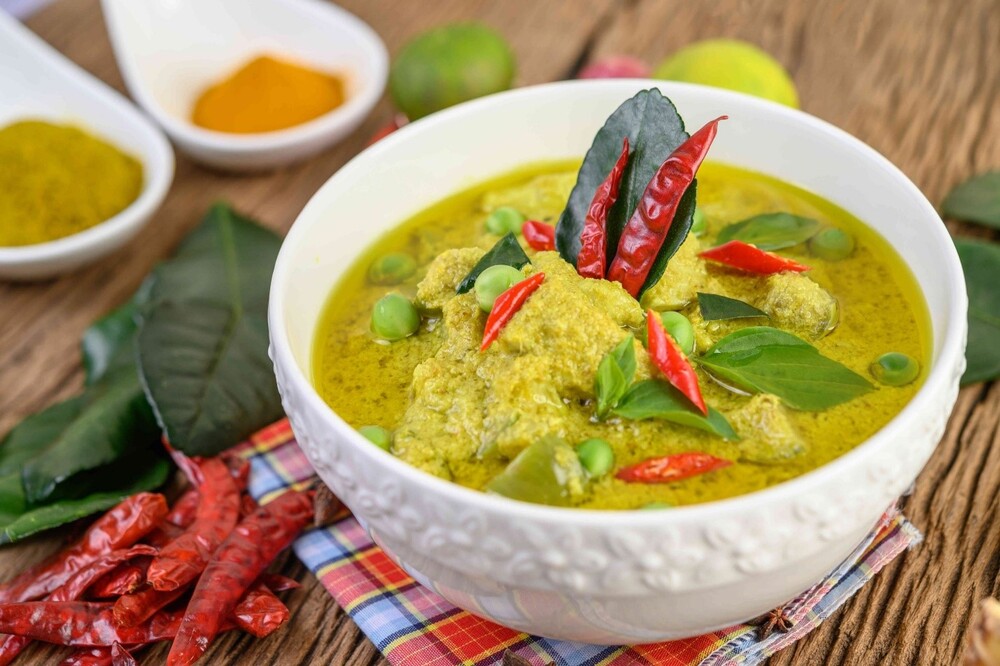
Green curry
Not only in main dishes, coconut also appears frequently in desserts such as coconut ice cream, tako pudding, and grilled coconut cakes. The flexible use of coconut milk and coconut flesh has contributed to shaping Thai cuisine, where coconut is not merely a supporting ingredient but a decisive factor in the country’s culinary identity.
Coconut Cuisine Culture in Indonesia
Indonesia is one of the countries with the largest coconut production in the world, with annual production reaching about 17 million tons according to WorldAtlas. Therefore, the coconut tree plays an important role in both agricultural economics and the culinary life of the people. As an archipelagic country consisting of thousands of islands, Indonesian cuisine has clear regional diversity. Among these, coconut especially coconut milk is widely used as a base ingredient that creates the characteristic flavors of many traditional dishes.
In Indonesian cuisine, coconut milk appears in many famous dishes such as rendang (beef rendang), gula (Indonesian curry), and nasi uduk (Indonesian coconut rice). The gentle richness from coconut helps tenderize meat, create natural thickness for sauces, and provide a deep, distinctive flavor typical of tropical stews. Therefore, coconut not only provides richness but also contributes to creating the characteristic flavors of many Indonesian dishes.
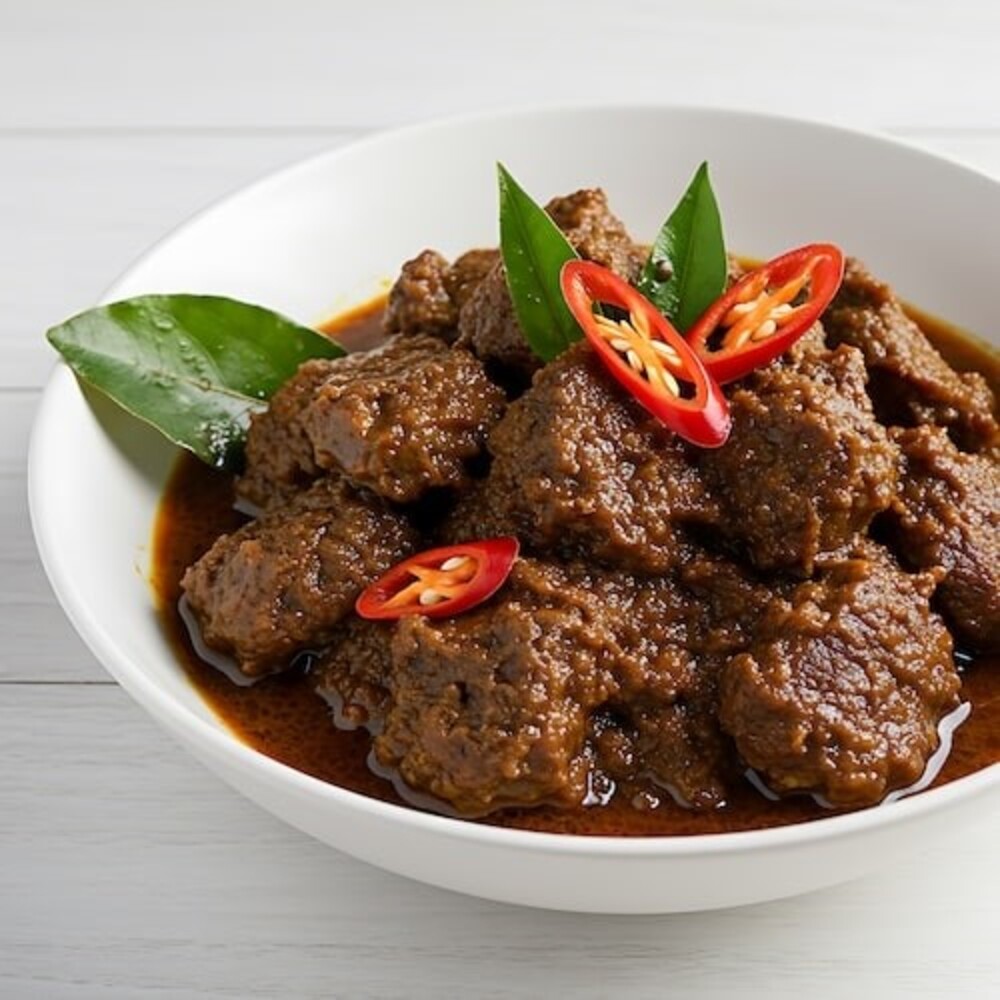
Rendang
Besides savory dishes, coconut is also widely used in desserts and beverages. Es kelapa muda (coconut water combined with fresh coconut flesh) is a popular refreshing drink in daily life. In addition, coconut products such as coconut oil, grated coconut, and coconut vinegar also appear frequently in food preparation. The diversity in usage shows that the coconut tree is not only a familiar ingredient but also an important component in Indonesian culinary culture.
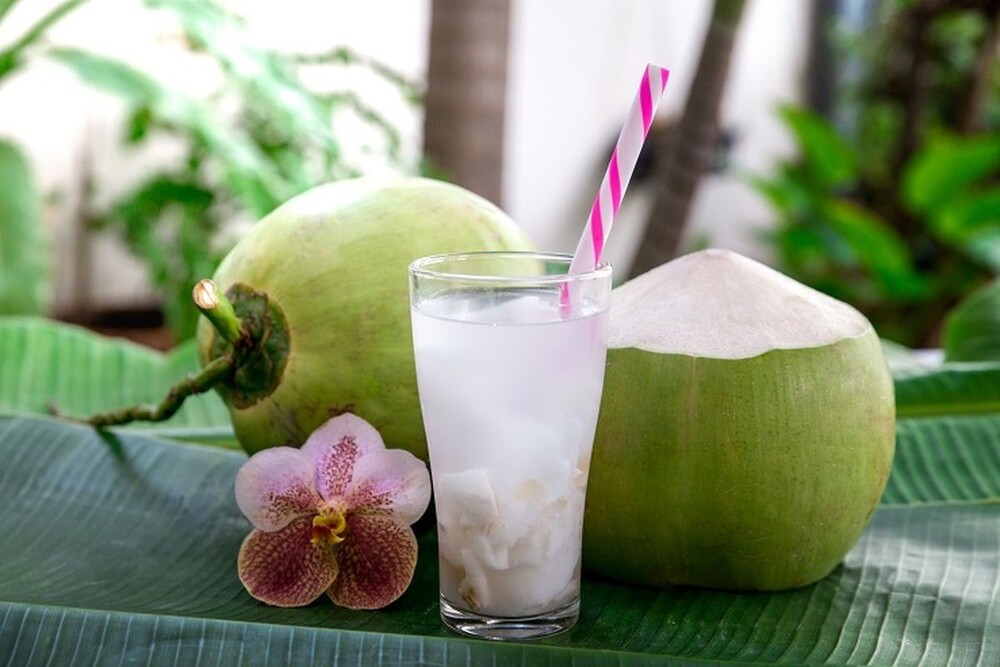
Es kelapa muda
Coconut Cuisine Culture in Southern India
In coastal states such as Kerala, Tamil Nadu, and Karnataka, coconut appears in most dishes in daily meals and plays a central role in South Indian cuisine. Thanks to the favorable tropical climate and abundant coconut resources, local people use coconut in many forms such as grated coconut, coconut milk, and coconut oil, creating distinctive culinary flavors for the region.
Grated coconut is often used to make chutney served with idli (steamed rice cakes) and dosa (rice crepes). In addition, coconut appears in characteristic dishes such as puttu (steamed rice cake), avial (vegetable curry), and many fish and vegetable curries where coconut milk provides light richness, softens spices, and creates a naturally smooth texture. This flexible use helps coconut based cuisine in South India achieve a balance between flavor and nutrition.
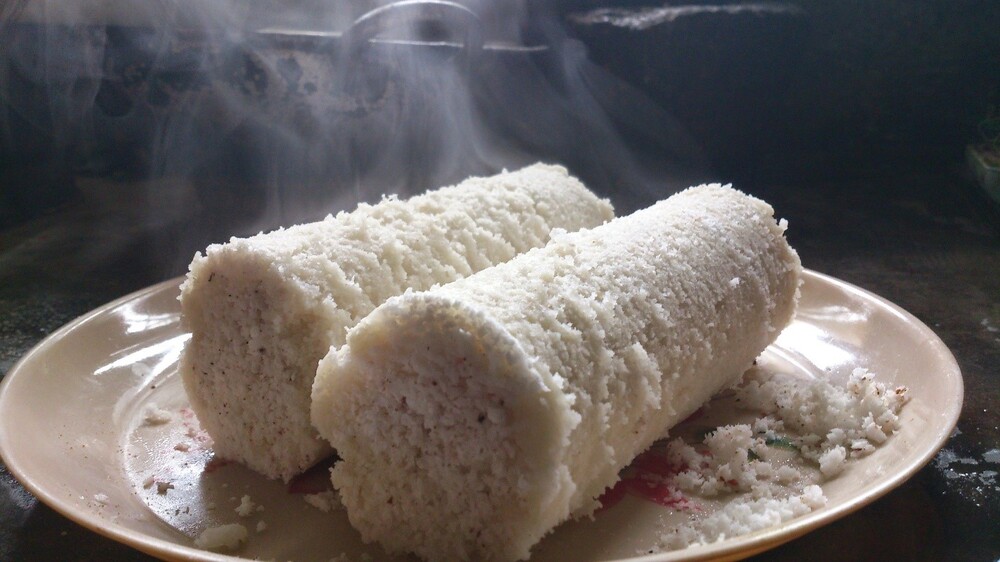
Puttu
Not only limited to savory dishes, coconut also appears in sweets such as coconut burfi (coconut fudge) and neer dosa (rice crepe) from coastal Karnataka. Its presence throughout both main meals and desserts shows that coconut is a widely used ingredient here. Therefore, coconut is considered one of the factors that shape the culinary culture and daily life of people in South India.
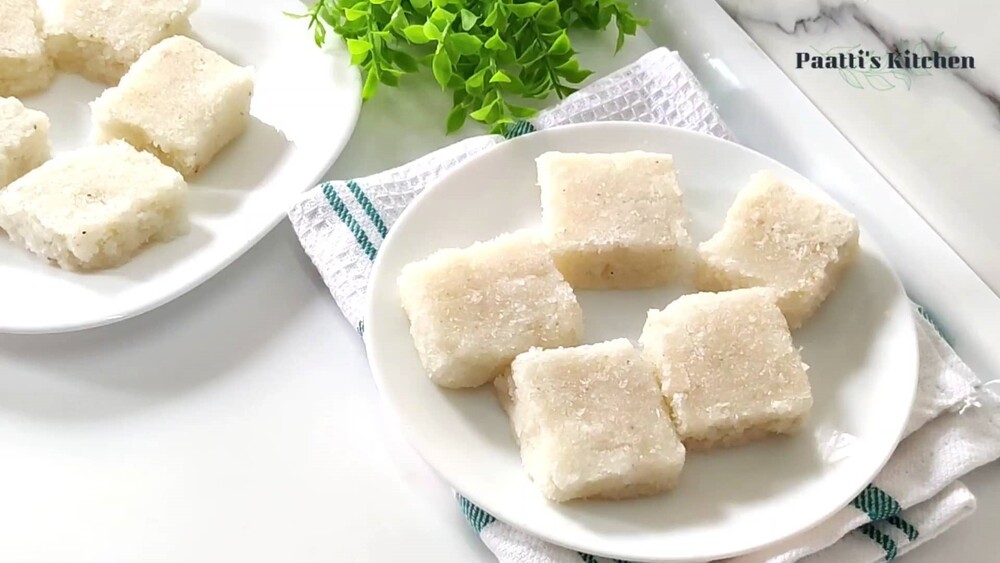
Coconut burfi
Coconut Cuisine Culture in the Philippines
The Philippines is one of the largest coconut-producing countries in Asia, with annual production reaching approximately 14.7 million tons, with major production areas such as the Bicol Region and Mindanao. Thanks to abundant raw materials, coconut has become a core ingredient in many traditional dishes and contributes to shaping the distinctive culinary style of this country. In particular, coconut milk is considered an important ingredient in stews made with fish, meat, seafood, and vegetables, often served with white rice in daily meals.
In Filipino cuisine, ginataan refers to dishes cooked with coconut milk, which can be savory or sweet depending on the ingredients used. In addition, there is halo-halo, a famous shaved ice dessert of the Philippines. This dessert also uses coconut milk along with fruits, sweet potatoes, and sweet beans to add its characteristic richness.
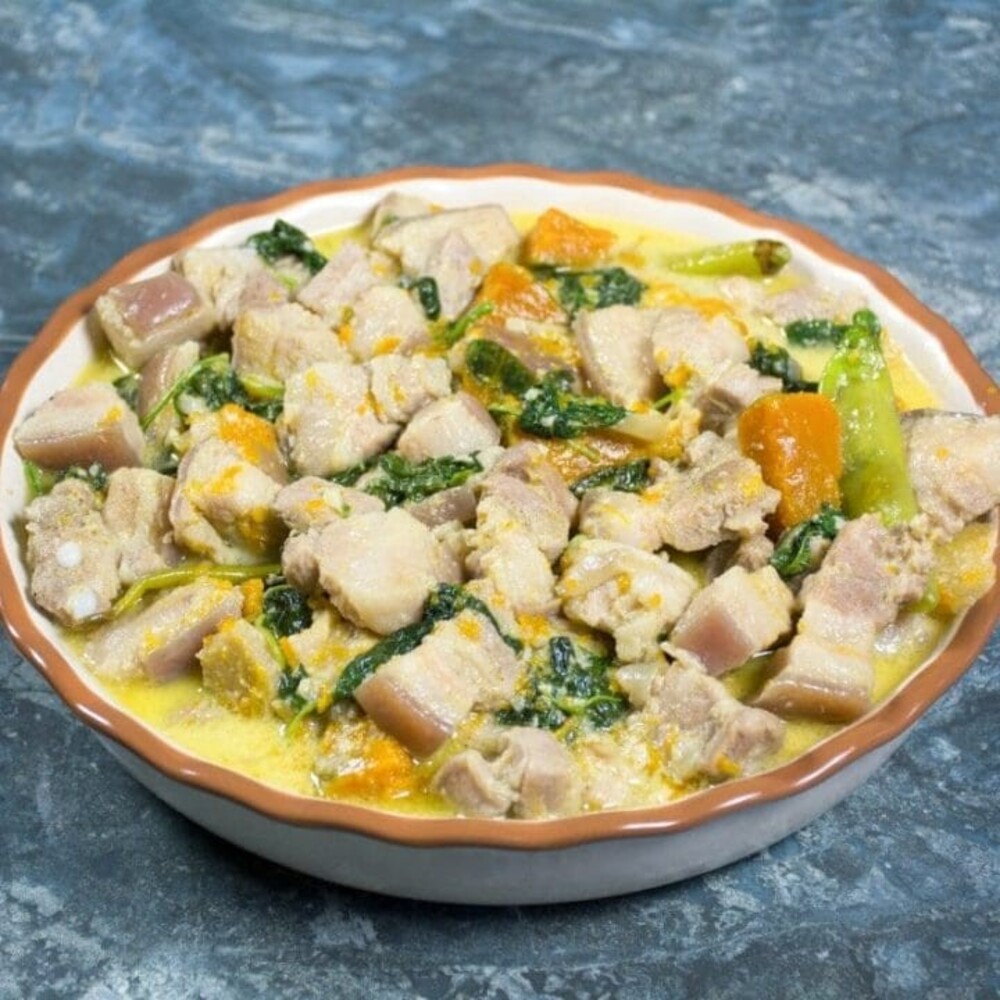
Pork Ginataan
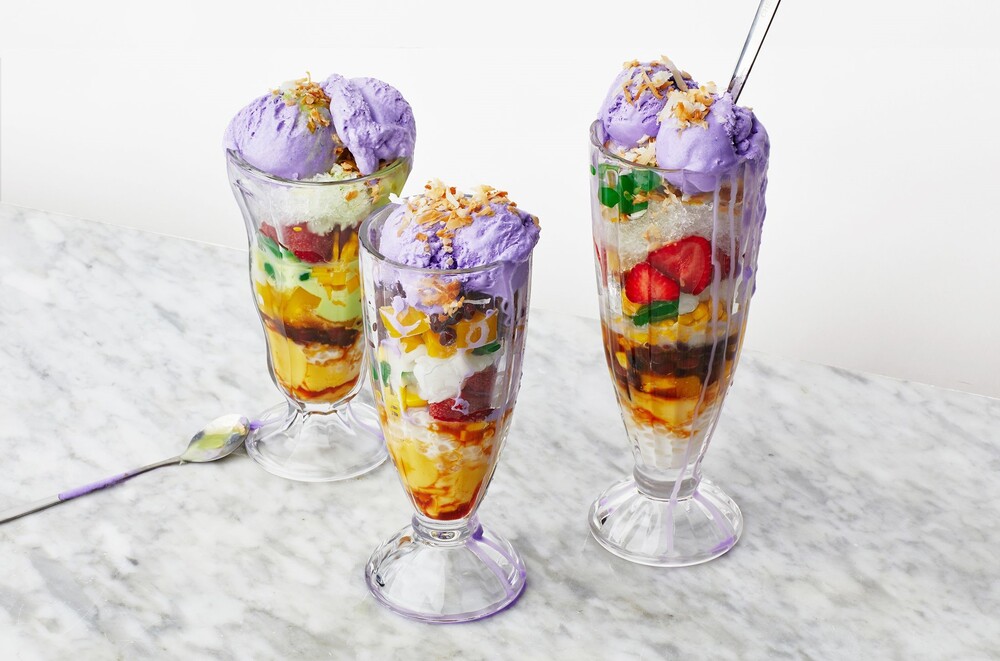
Halo-halo
The presence of coconut in everyday meals shows that coconut plays an important role in Filipino culinary culture and is closely associated with the daily lives of local people.
Group of Countries Where Coconut Is a “Pillar” of Traditional Cuisine
Coconut Cuisine Culture in Vietnam
In Vietnam, coconut is closely associated with the life, culture, and cuisine of many regions, especially Ben Tre (now Vinh Long), which is known as the “coconut capital.” Thanks to favorable soil conditions and tropical climate, coconuts here have distinctive flavor and stable quality. In Vietnamese cuisine, coconut is used in many forms such as fresh coconut water, coconut milk, coconut flesh, and coconut oil, becoming a familiar ingredient in both family meals and large-scale food processing.
Coconut water is often used to braise meat, cook curry, prepare sweet soups, make cakes, cook coconut rice, or create rustic dishes such as small shrimp stir-fried with coconut milk. In particular, Ben Tre coconut candy is a famous traditional product that contributes to defining the culinary identity of the Mekong Delta region. In addition, coconut is also processed into coconut oil, candied coconut, and many other specialties, demonstrating the diversity and high applicability of this ingredient in Vietnamese cuisine.
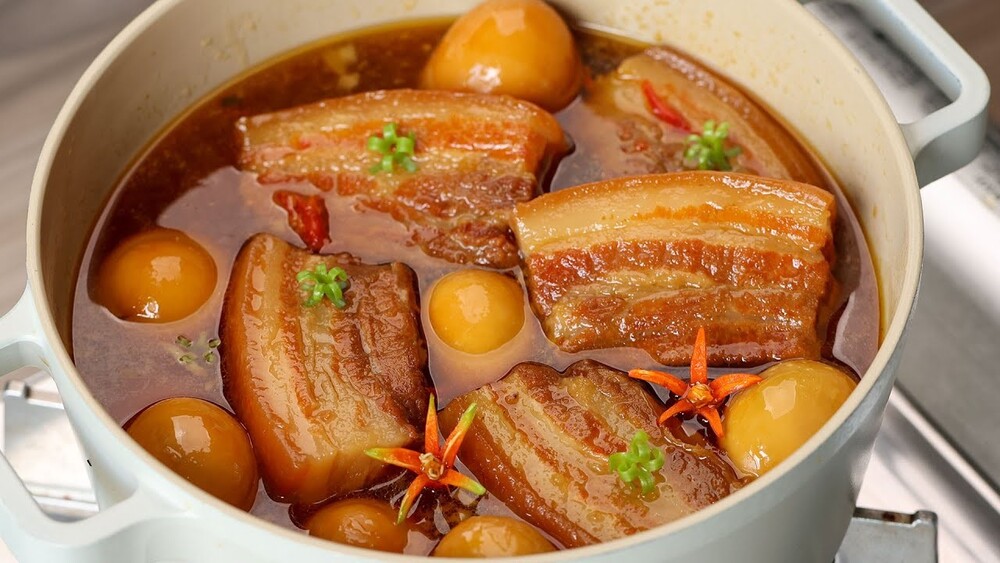
Vietnamese braised pork with duck eggs and coconut milk
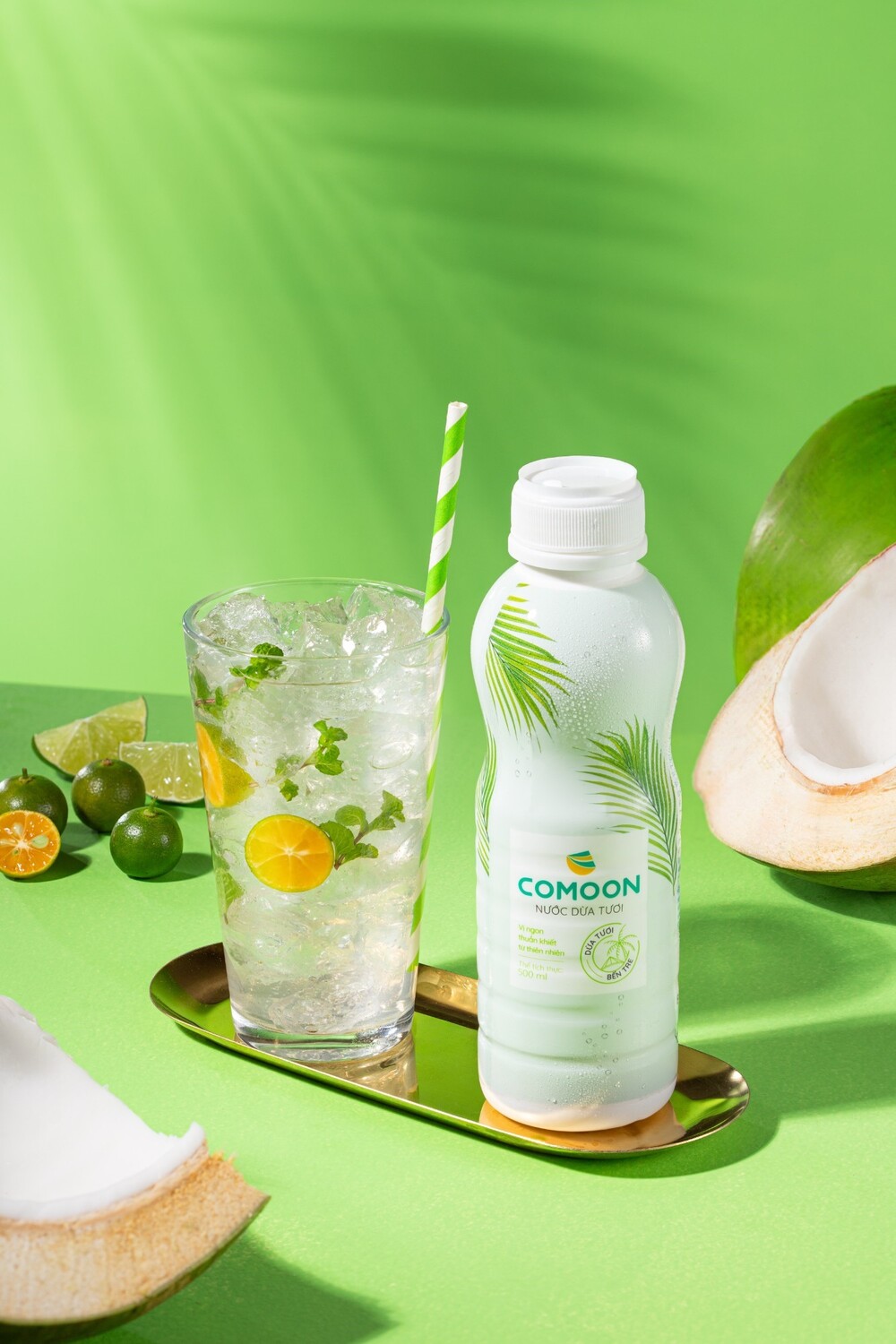
COMOON coconut water is sourced from coconuts grown in Ben Tre, Vietnam
Fresh coconut water is also widely consumed in Vietnam as a natural electrolyte drink that brings refreshment to the body. Coconut water in Vietnam can be combined with kumquat, pennywort with mung beans, pineapple jam, and other ingredients to create a variety of beverages.
From the habit of consuming fresh coconut water among Vietnamese communities, many local businesses have taken the opportunity to develop bottled, canned, and packaged coconut water products, serving both domestic demand and international consumption.
COMOON fresh bottled coconut water products meet the demand for convenience while maintaining the original refreshing taste of Vietnamese coconuts. COMOON Co., Ltd. is contributing to elevating Vietnamese coconut water through modern processing processes and export-quality standards.
Coconut Cuisine Culture in Sri Lanka
Sri Lanka is a country where the coconut tree is an important export agricultural product and the foundation of national culinary culture. With a long history of coconut cultivation and stable production, Sri Lanka develops a variety of coconut products such as coconut milk, coconut oil, dried coconut meat, and grated coconut for both domestic consumption and export. However, the core value of coconut remains in the traditional kitchen, where it shapes the distinctive flavor structure of Sri Lankan cuisine.
Sri Lankan cuisine is famous for its intense spiciness influenced by Indian cuisine, and within this strong spice system, coconut milk plays a role in balancing the taste. Coconut milk helps soften the spiciness, create richness, and provide a smooth texture for traditional curries. Pol sambol is a mixture of grated coconut, chili, and onion, often served as a side dish to enhance aroma and flavor. Dishes such as kiribath (rice cooked with coconut milk) and pittu (steamed rice flour with coconut) show that coconut is not only a cooking ingredient but also a central component of daily meals.
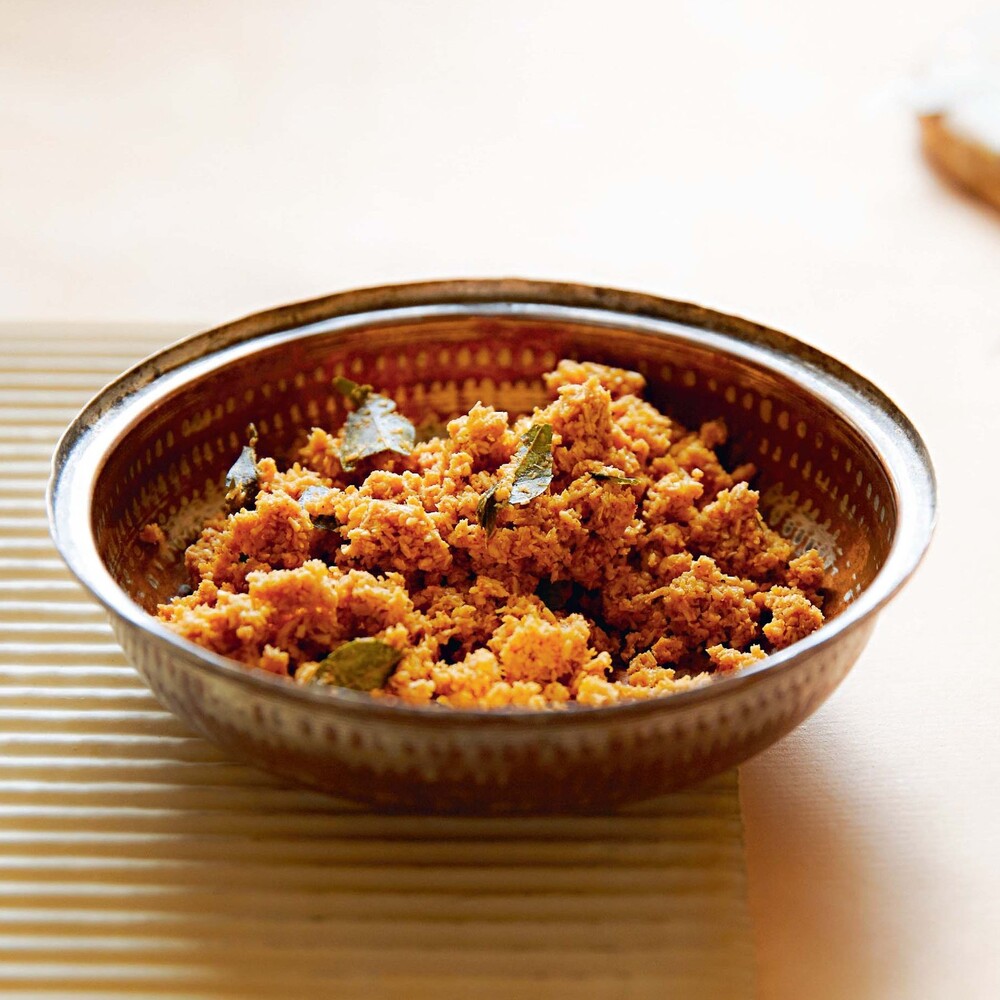
Pol sambol
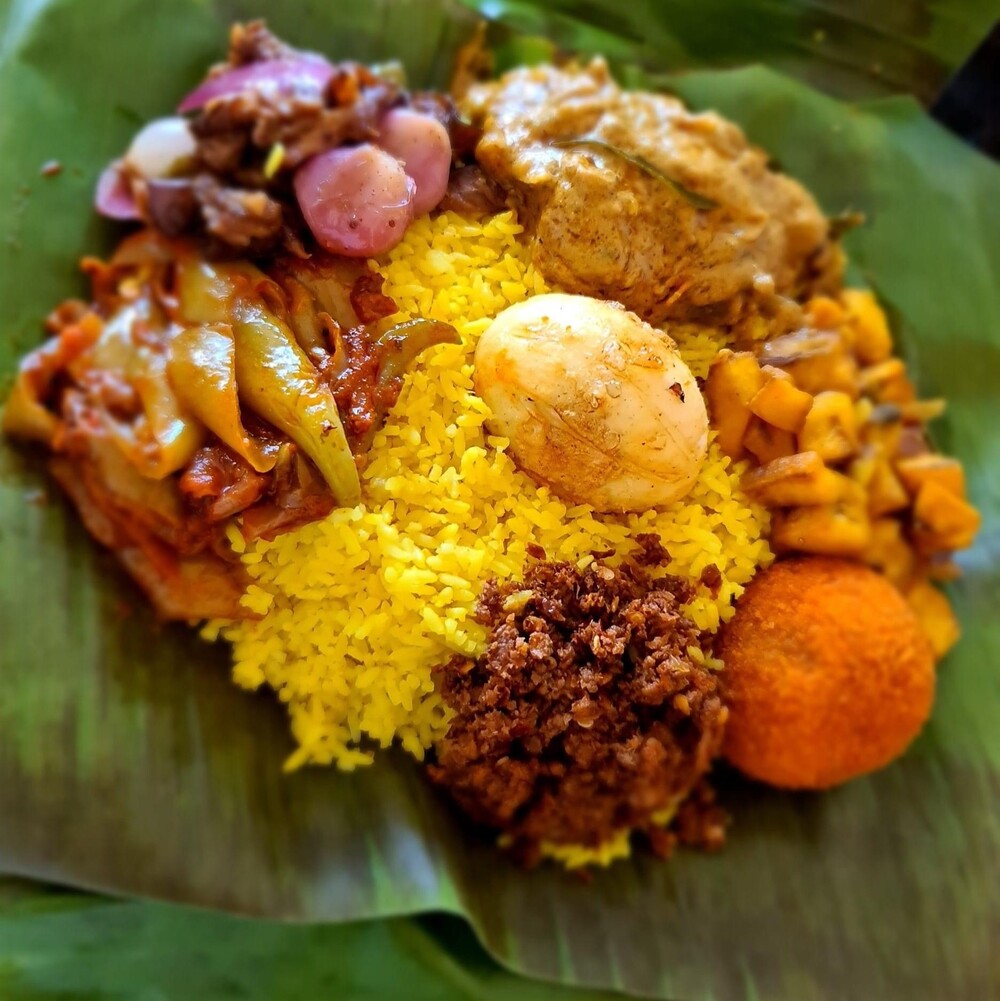
Lamprais Sri Lanka
Besides traditional dishes, coconut also appears in culturally blended dishes such as lamprais, which is rice cooked with coconut milk wrapped in banana leaves and served with various curries and meats. From traditional cuisine to modern processed products, coconut appears throughout Sri Lankan culinary life, affirming the role of this fruit as the soul of the country’s taste identity.
Coconut Cuisine Culture in Malaysia
Malaysian culinary culture is a unique blend of Malay, Chinese, Indian, and neighboring culinary influences, creating a rich and diverse flavor landscape in Southeast Asia. In this culinary system, coconut plays a central role, appearing from main dishes to desserts. Malaysian cuisine stands out with the combination of rich coconut milk, fresh herbs, and strong spices, creating dishes with deep flavors that are still balanced and easy to enjoy. Noodles and rice are two main ingredients, but they are always balanced with vegetables, herbs, and plant-based components, making the menu diverse and allowing vegetarian dishes to be easily found.
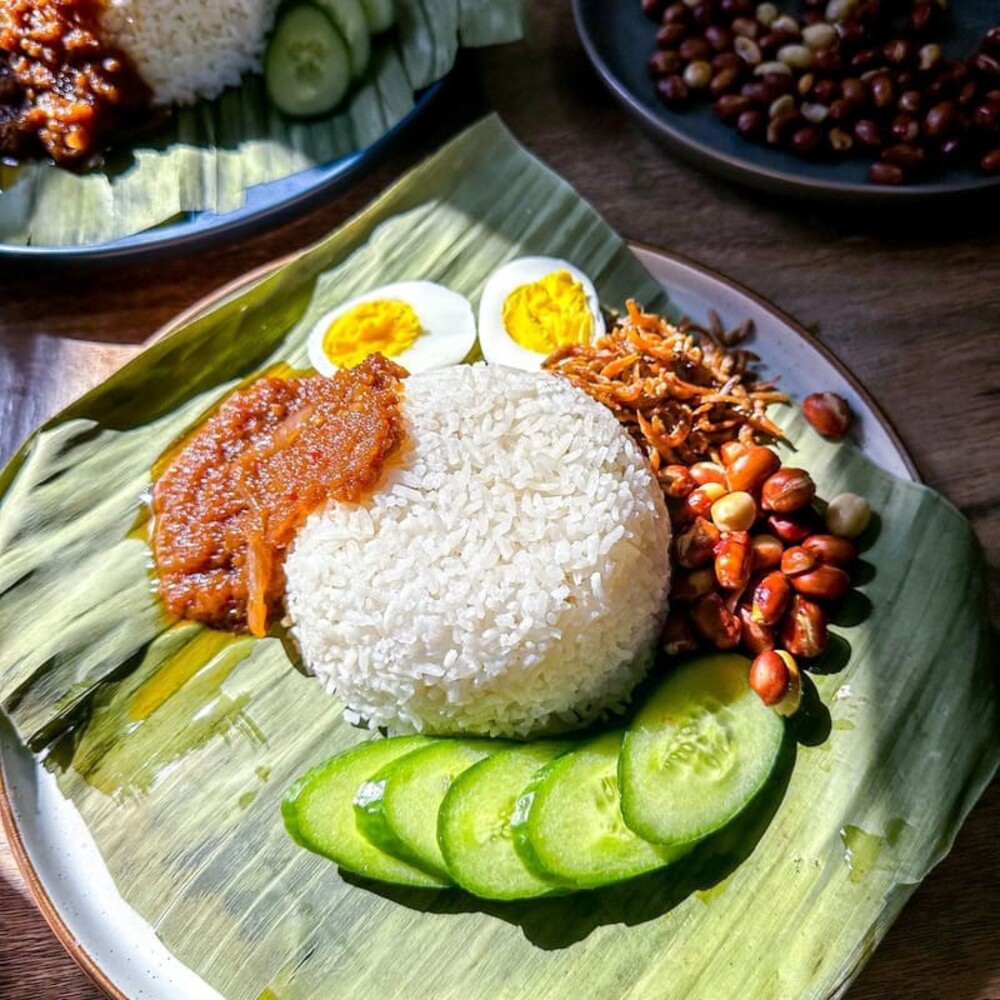
Nasi lemak
When mentioning Malaysian cuisine, nasi lemak cannot be overlooked. This dish is considered a symbol of Malay culinary culture. Nasi lemak is fragrant rice cooked with coconut milk and pandan leaves, bringing a light richness and distinctive aroma. This dish is often served with spicy sambal chili sauce, roasted peanuts, crispy fried anchovies, cucumber slices, and eggs, creating a balance between rich – spicy – salty – sweet flavors. The harmonious combination of coconut milk and spices has helped nasi lemak become one of the most famous dishes in Southeast Asia and a representative symbol of Malaysian cuisine.
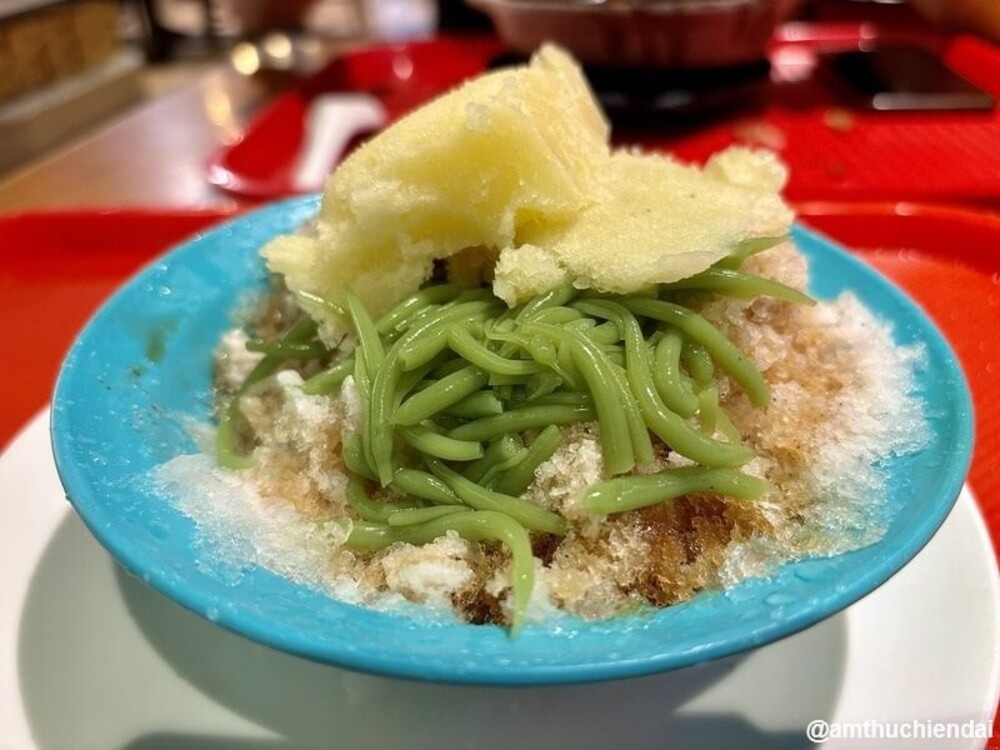
Durian Cendol
It can be said that coconut in Malaysian cuisine plays the role of both an ingredient and a factor that shapes the national culinary style. From rice cooked with coconut milk and rich curries to traditional desserts, coconut contributes to the distinctive richness and aroma. The cultural exchange and flexible use of ingredients have helped Malaysian cuisine become a notable highlight on the Asian culinary map.
Group of Countries Where Coconut Reflects Island and Regional Cultural Identity
Coconut Cuisine Culture in Jamaica
Jamaican cuisine is the result of centuries of cultural exchange, combining influences from the indigenous Taino people, Africa, England, Ireland, France, Spain, Portugal, India, China, and the Middle East. This blend has created a Caribbean cuisine rich in spices, diverse cooking techniques, and a strong tropical identity. Among the traditional ingredients of Jamaica, coconut plays an important role thanks to its natural richness, gentle aroma, and ability to balance the intense spiciness characteristic of Scotch Bonnet chili peppers.
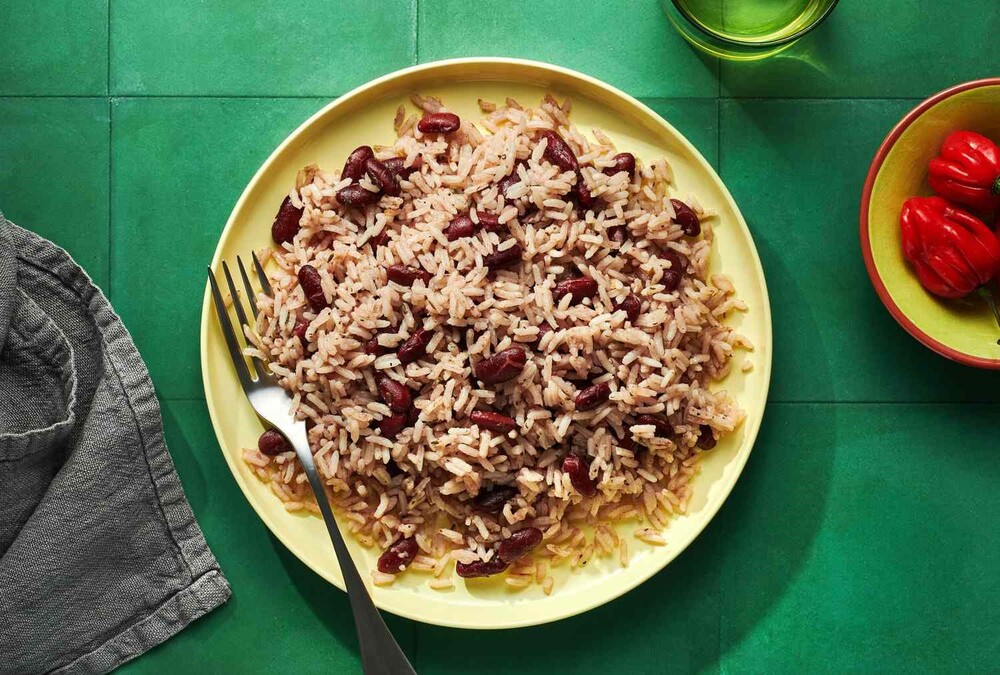
Rice and peas
Coconut commonly appears in many signature dishes such as rice and peas, a dish made by cooking rice with coconut milk and red beans, often served during family meals and festive occasions. Coconut milk is also used in Jamaican-style stews and curries to create thickness and soften the strong spicy flavor. In addition to savory dishes, coconut is also a familiar ingredient in puddings, coconut candies, and traditional beverages, reflecting the richness of tropical ingredients in the Caribbean region.
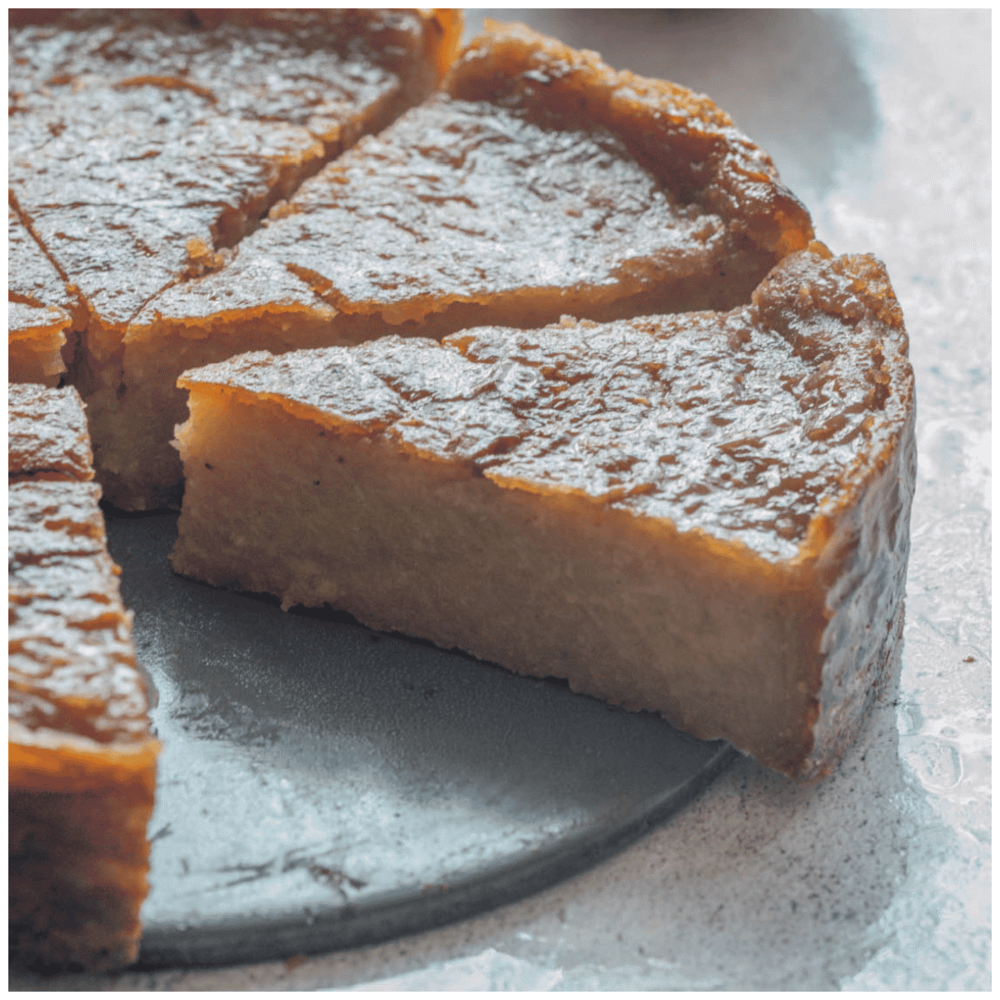
Coconut potato pudding
It can be seen that coconut is not only a culinary ingredient but also an element that helps shape Jamaican cultural identity. The combination of African spices, European cooking techniques, and local ingredients such as coconut has created a unique culinary style, making Jamaica one of the representative cuisines of the Caribbean on the global culinary map.
Coconut Cuisine Culture in Brazil
Brazilian culinary culture clearly reflects regional diversity and deep cultural exchange. The northern and northeastern regions, especially the state of Bahia, are strongly influenced by African culture and are known for using coconut oil and palm oil (dendê) to create richness and distinctive color for dishes. Meanwhile, southern Brazil carries strong European influences with red meat dishes and cooking styles from Portugal, Germany, and Italy. The combination of indigenous, African, and European cuisines has created the unique identity of Brazilian cuisine, in which coconut plays an important role as a flavor base ingredient.
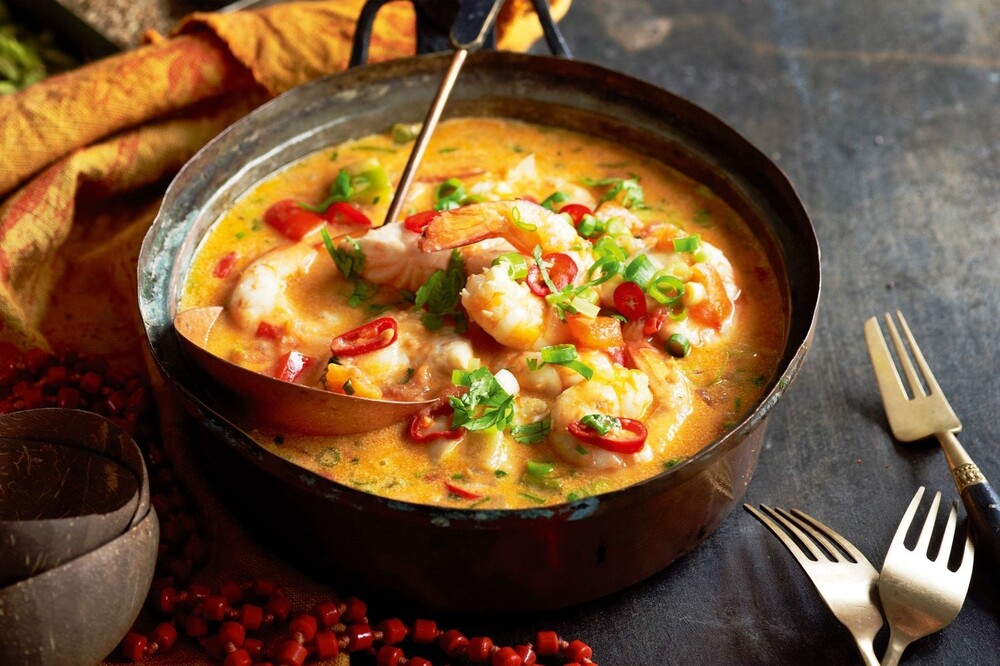
Moqueca
Moqueca is a typical fish stew that clearly represents coconut-based cuisine in Brazil. The dish combines coconut oil, coconut milk, onions, garlic, bell peppers, tomatoes, and coriander, and is often cooked in clay pots to retain heat and allow the flavors to blend more deeply. Originating from the mixture of indigenous, African, and Portuguese influences, moqueca is usually served with white rice to absorb the rich coconut sauce and highlight the natural sweetness of fish and seafood.
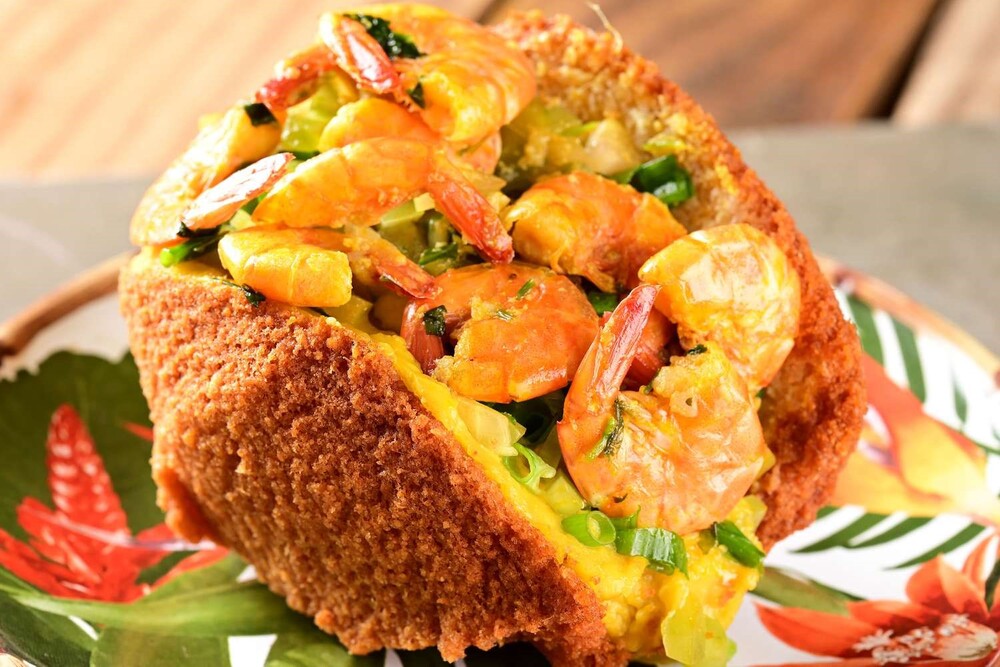
Acarajé
In addition, characteristic dishes from Bahia such as acarajé and bobó de camarão also demonstrate the prominent role of coconut in Brazilian cuisine. Acarajé is a traditional street food made from ground black-eyed pea batter, fried in coconut oil or dendê oil, and filled with shrimp and vatapá—a mixture made from bread, shrimp, ground peanuts, and coconut milk. Meanwhile, bobó de camarão is a dish of shrimp stewed with mashed cassava and coconut milk, creating a smooth, rich, and fragrant texture. These dishes not only reflect a tropical palate rich in spices but also confirm coconut as one of the core ingredients that form the soul of Brazilian cuisine.
Coconut Cuisine Culture in Hawaii (USA)
Hawaii, known as the “jewel of the Pacific,” is famous for its sweet, fresh, and naturally flavorful coconuts. In Hawaiian culinary culture, coconut is not only used as a refreshing beverage but also serves as an important ingredient in many traditional dishes. Since indigenous communities began using coconut in daily life, this fruit has become an essential part of family meals and festive occasions.
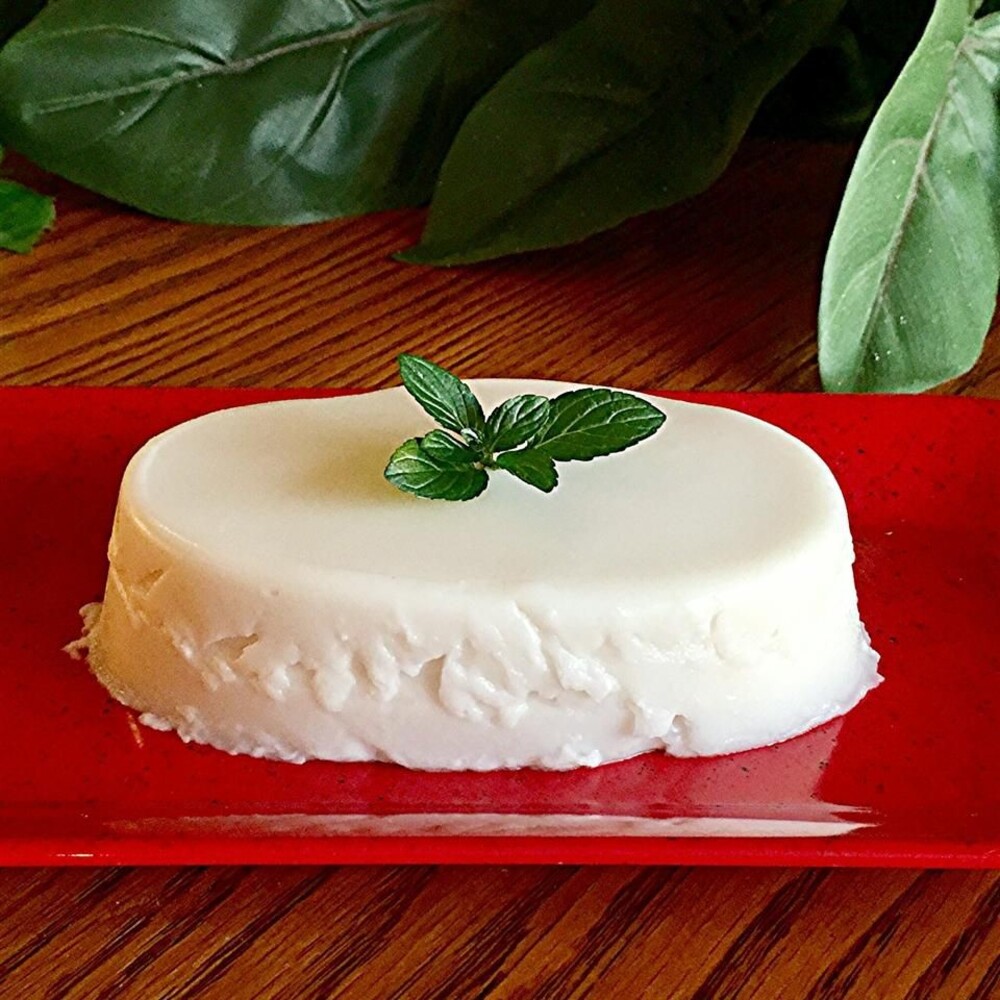
Haupia
One of the typical coconut dishes is haupia, a traditional coconut dessert made from pure coconut milk, with a soft texture and naturally mild richness. Besides the traditional version, baked coconut cakes are also popular among locals and are often chosen by visitors as a distinctive gift from the islands.
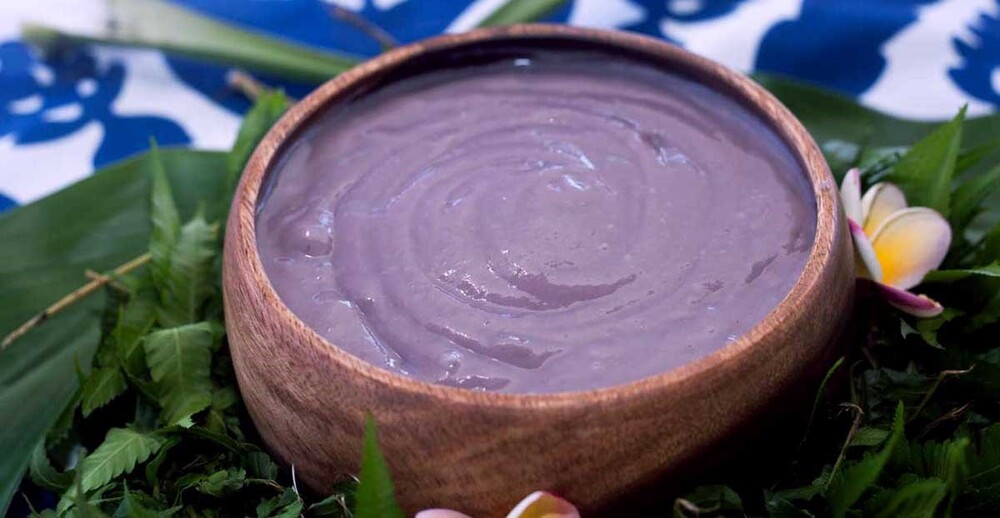
Poi
Hawaiian cuisine is a blend of indigenous culture and influences from Polynesia, Europe, and Asia. Traditional food relies heavily on local agricultural products such as taro, sweet potatoes, yams, pineapple, and coconut, along with abundant fresh seafood. Dishes such as poi (made from mashed taro) and traditional roasted pork and chicken reflect the islanders’ lifestyle closely connected with nature. Today, the trend of “Hawaiian regional cuisine” continues to highlight local ingredients such as coconut while combining them with modern culinary techniques to introduce the distinctive flavors of the archipelago to global diners.
Conclusion
COMOON Co., Ltd. has introduced a diverse picture of coconut-based culinary culture, from countries in Southeast Asia and South Asia to the Caribbean and Latin America. It can be seen that coconut plays an important role in the economy, culture, and daily life of people in these regions.
We are proud to be a Vietnamese company bringing coconut-based products such as fresh bottled coconut water, coconut meat, coconut oil, and desiccated coconut that meet international standards, providing high-quality food ingredients that contribute to creating thousands of dishes around the world.
Share :
Customer comments
Other news
COMOON Co., Ltd.
58 Co Giang Street, Cau Ong Lanh Ward, District 1, Ho Chi Minh City, Vietnam
T: (+84) 366 053 666
- Business Registration No.: 0318171053
- Issued on November 17, 2023 by the Department of Planning and Investment of Ho Chi Minh City.

Copyright © 2024 COMOON


