




- Login
- Register

News
The latest updates from COMOON. Stay tuned to not miss any information!
HOW MANY CALORIES ARE IN DESICCATED COCONUT? IS EATING DESICCATED COCONUT GOOD FOR YOU?
Thursday, 25/06/2026, 04:35
Many people wonder how many calories are in desiccated coconut and whether eating desiccated coconut is good for their health, especially when incorporating it into their daily diet. This article will answer these questions while providing a closer look at the nutritional value and health benefits of desiccated coconut.
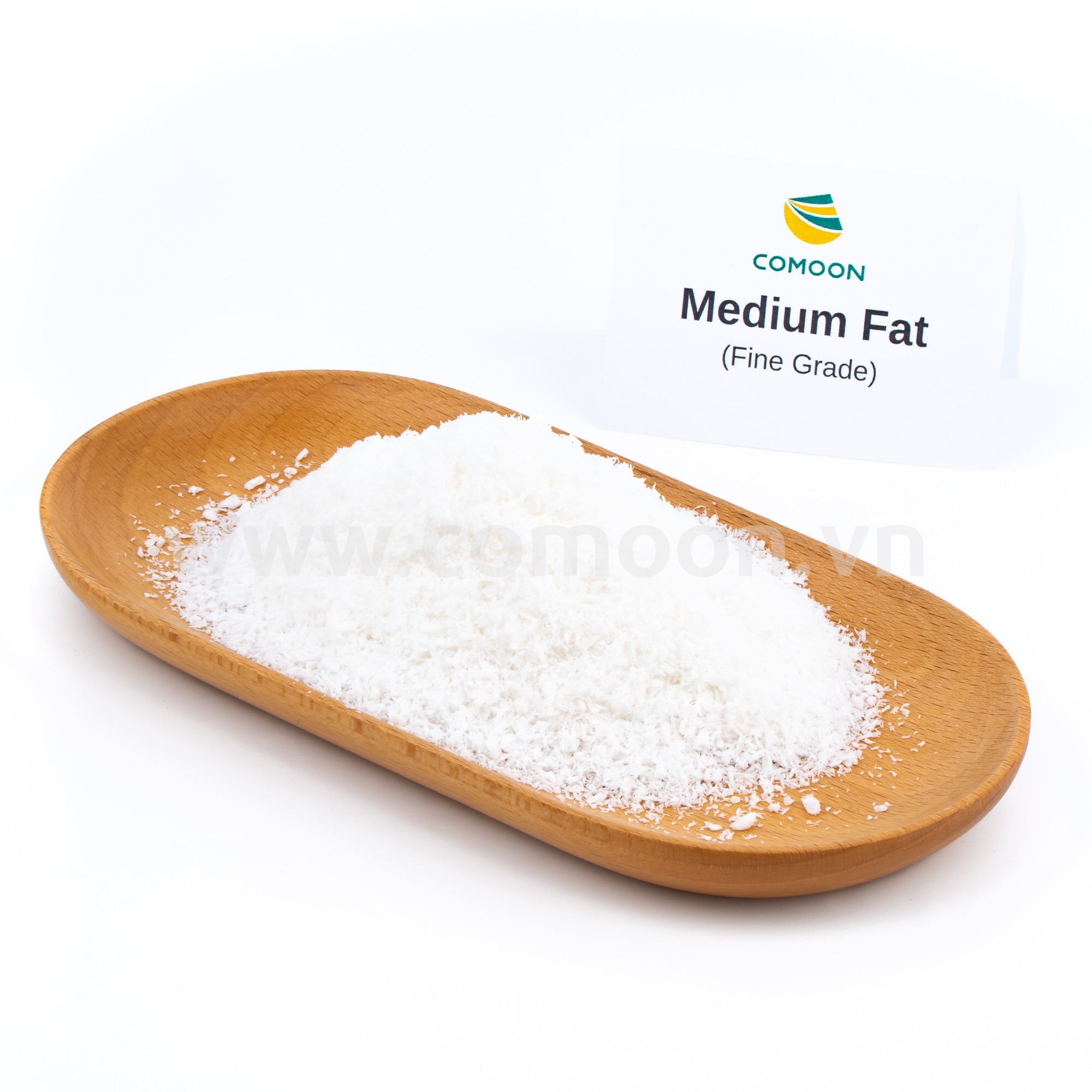
COMOON desiccated coconut is a nutritious food with versatile applications.
WHAT IS DESICCATED COCONUT?
Definition of Desiccated Coconut
Desiccated coconut is made from the white flesh of mature coconuts. After the shell is removed, the coconut meat is finely grated or shredded and then dried using modern processing technology. The finished product has a natural white color, a mild sweet flavor, and is rich in nutrients. It is widely used as an ingredient in confectionery, baked goods, ice cream, yogurt toppings, and ready-to-eat snacks.
Types of Desiccated Coconut
Desiccated coconut is available in a variety of sizes, shapes, and fat contents to meet different applications in the food industry. Each type offers unique characteristics in terms of texture, richness, and functionality, making it suitable for bakery products, confectionery, beverages, toppings, and processed foods.
Classified by Size and Shape
Fine Grade
The smallest particle size, finely grated and dried to a moisture content of ≤ 3%, with a particle size of approximately 1.4–1.7 mm. It blends easily into recipes and is ideal for cakes, ice cream, and products requiring a smooth texture.
Medium Grade
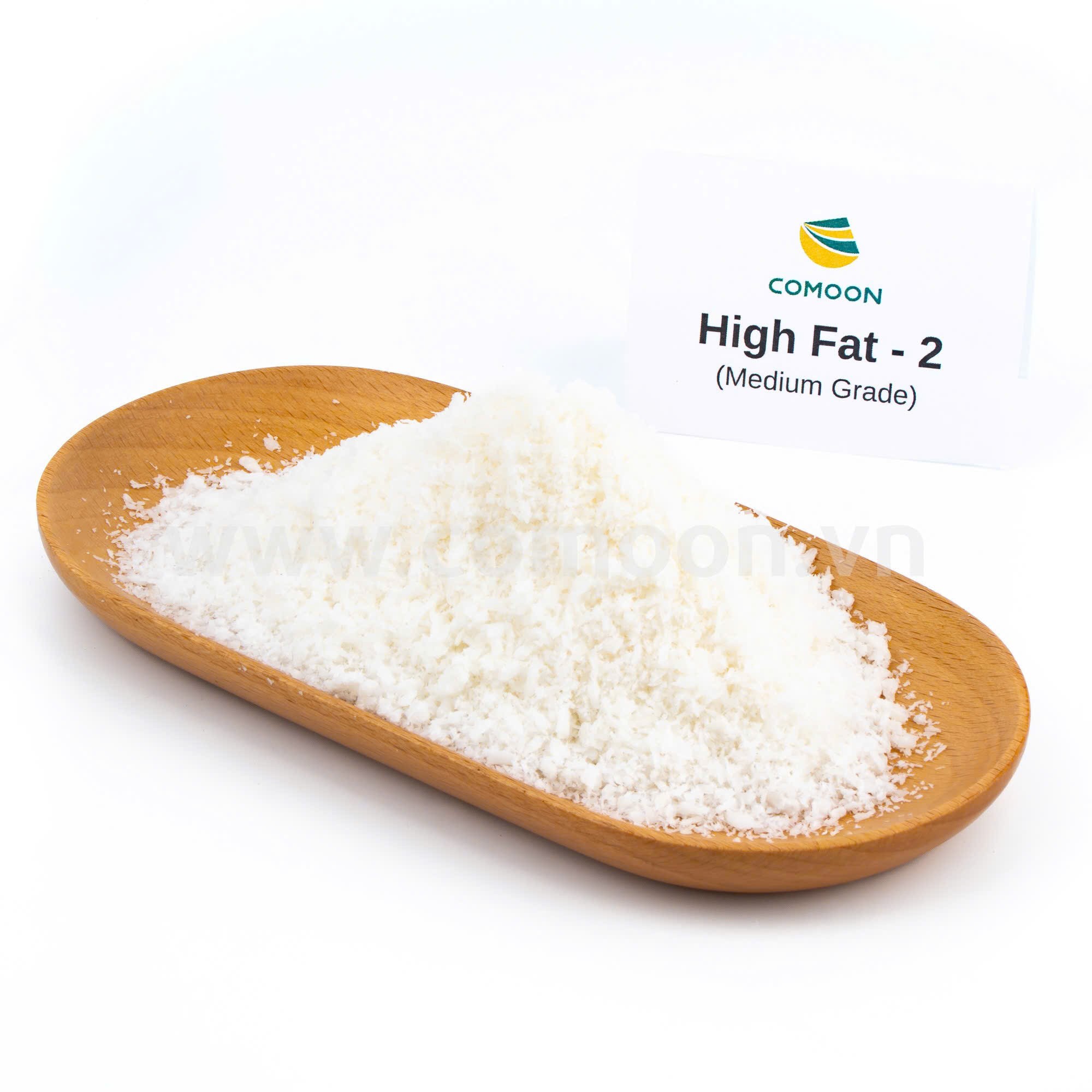
Larger than the fine grade, with a particle size of approximately 1.0–2.8 mm and a moisture content of ≤ 3%. It maintains a loose texture and provides a noticeable coconut bite, making it suitable for toppings and food mixes.
Long Shred (Thread)
Long coconut strands measuring approximately 10–50 mm with a moisture content of ≤ 3%. This type closely resembles fresh coconut meat in texture and is commonly used for decoration or to add texture to dishes.
Flakes
Thin, flat, crispy coconut slices with an attractive natural white color. Measuring approximately 0.8–1.0 mm and containing ≤ 3% moisture, coconut flakes are considered a premium ingredient for decorating baked goods and enhancing high-quality food products.
Chips
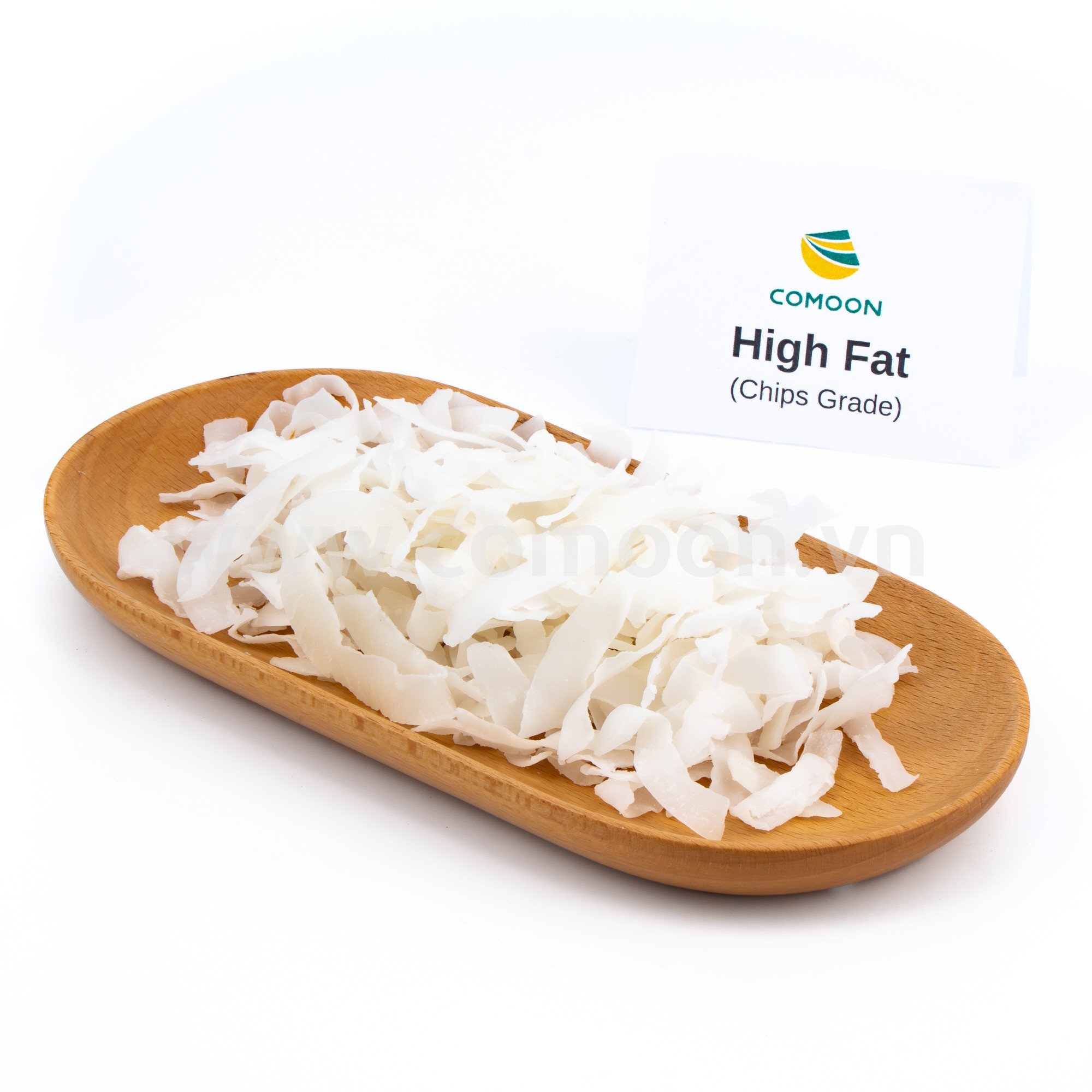
Larger and thicker than flakes, coconut chips measure approximately 1–50 mm with a moisture content of ≤ 3%. They retain the coconut's natural richness and crispness, making them ideal as a healthy snack or as a distinctive ingredient in food products.
Classified by Fat Content
High Fat (≥ 60%)
Available in most forms, including Fine Grade, Medium Grade, Long Shred, Flakes, and Chips. This type delivers a rich coconut aroma and creamy flavor, making it ideal for bakery products, confectionery, ice cream, and recipes that require a full-bodied coconut taste.
Medium Fat (40–50%)
Typically available in Fine Grade. It offers a lighter texture while retaining the characteristic coconut aroma, providing a milder flavor that works well in a wide range of food applications.
Low Fat (20–25%)
Usually produced in Fine Grade, this option is suitable for products targeting health-conscious consumers. It contains less fat and fewer calories while preserving the natural coconut flavor, making it an excellent ingredient for healthier recipes.
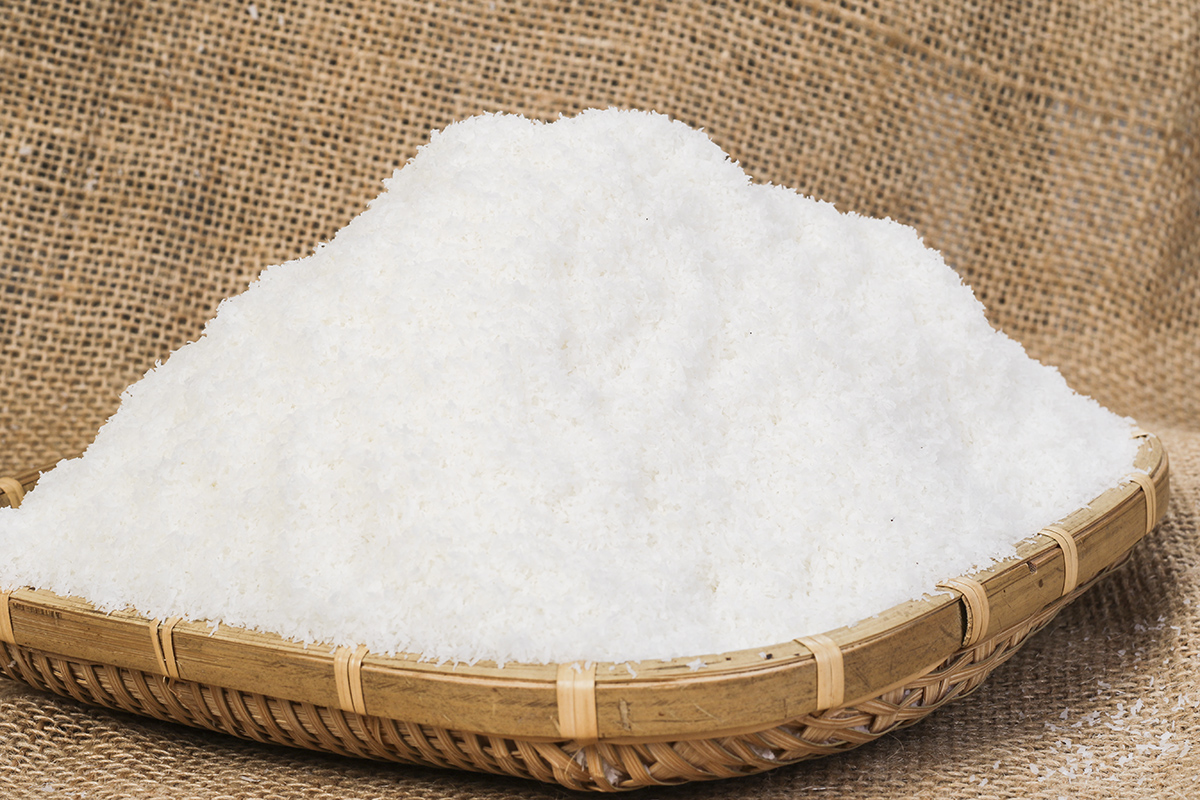
Fine-grade desiccated coconut, light and fluffy, easy to use in many recipes (Source: Internet).
DESICCATED COCONUT PRODUCTION PROCESS
Step 1: Selecting the Raw Material
The quality of the coconut is the key factor that determines the flavor and richness of the final product. To produce premium desiccated coconut, mature coconuts with thick, white flesh should be selected. The coconuts should be free from cracks, fermentation, or signs of spoilage. The thicker the coconut meat, the richer the aroma and flavor after drying, resulting in a firmer product with an appealing texture that can be processed into either crispy or chewy forms.
Step 2: Dehusking and Preparation
The green husk, hard shell, and thin brown skin are removed to obtain clean white coconut meat. This process can be carried out manually or with specialized machinery to ensure both productivity and food hygiene.
Step 3: Washing and Pretreatment
The coconut meat is thoroughly washed several times with clean water to remove excess surface oil. It is then soaked in diluted salt water or lemon water to eliminate unwanted odors and preserve its natural white color. After washing, the coconut is carefully drained before moving to the next stage.
Step 4: Grating, Shredding, or Cutting
The coconut meat is processed using specialized equipment to grate, shred, or cut it into different sizes depending on the intended application. The particle size can be adjusted to produce fine, medium, or long-shred desiccated coconut. This stage determines the final appearance and texture of the product.
Step 5: Drying
The prepared coconut is dried in a hot-air drying system or a fluidized-bed dryer at approximately 60–80°C (140–176°F) for 6–8 hours. The drying process reduces the moisture content to below 3–5%, helping inhibit microbial growth and significantly extending shelf life. This is the most critical step in achieving the product's signature crisp texture and rich coconut flavor.
Step 6: Screening and Grading
After drying, the desiccated coconut is screened to remove impurities and any substandard particles. It is then graded according to particle size and color to ensure product consistency and compliance with commercial quality standards.
Step 7: Packaging
The finished product is packed in moisture-proof packaging, which may be vacuum-sealed or filled with inert gas to preserve freshness. The packaging is designed to protect product quality during storage and transportation while displaying complete product information in accordance with labeling requirements.
Step 8: Quality Control
Before being released to the market or exported, the finished product undergoes comprehensive quality inspections. Parameters such as moisture content, fat content, protein levels, and microbiological safety are carefully tested. These quality control procedures are performed in accordance with internationally recognized food safety management systems, including HACCP and ISO, ensuring that every batch meets the required quality and safety standards.
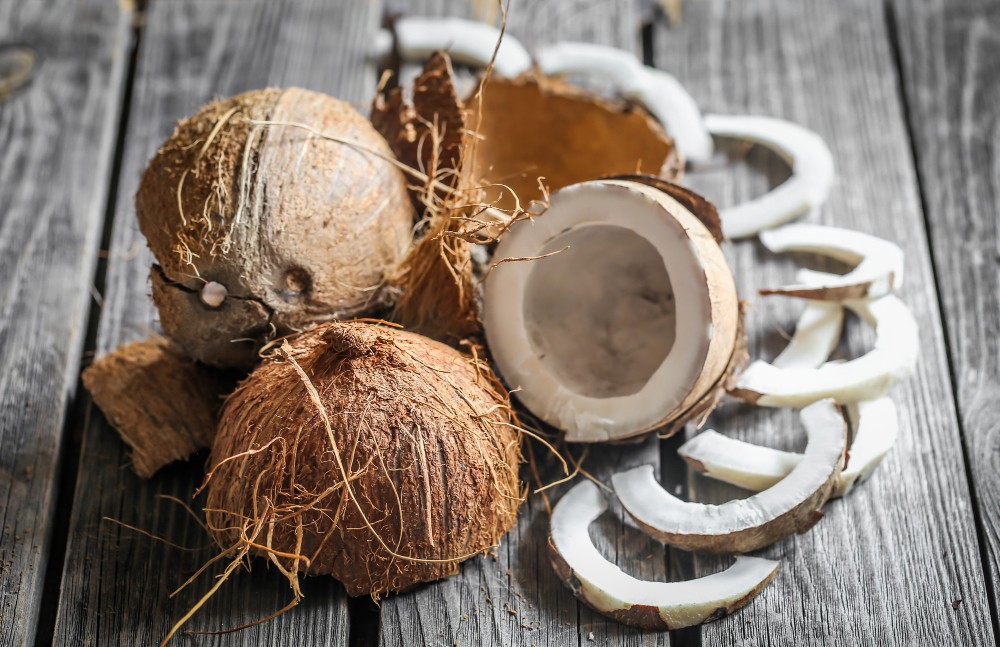
Coconut preparation (Source: Internet)
NUTRITIONAL COMPOSITION OF DESICCATED COCONUT
Fat
Desiccated coconut is naturally high in fat, accounting for approximately 60–70% of its nutritional composition. Although most of this fat is saturated, it also contains medium-chain triglycerides (MCTs)—a unique type of fat that is metabolized more quickly than long-chain fatty acids. MCTs provide a readily available source of energy, making desiccated coconut a convenient energy-boosting food.
Dietary Fiber
The dietary fiber content of desiccated coconut ranges from 4–16 g per 100 g, depending on the processing method and product type. Fiber plays an essential role in supporting digestive health by promoting regular bowel movements and helping prevent constipation. It also increases feelings of fullness, which may support portion control and healthy weight management.
Protein
Desiccated coconut contains a moderate amount of protein, typically 2–7 g per 100 g. While it is not considered a primary source of protein, it can still contribute to meeting daily nutritional requirements as part of a balanced diet.
Vitamins and Minerals
Desiccated coconut provides several important minerals, including potassium, magnesium, phosphorus, iron, and manganese. These nutrients support a variety of essential bodily functions, such as maintaining electrolyte balance, promoting muscle function, strengthening bones, supporting red blood cell production, and assisting enzyme activity involved in metabolism.
Comparison Between Desiccated Coconut and Fresh Coconut
| Criteria | Desiccated Coconut | Fresh Coconut |
|---|---|---|
| Definition | Fresh coconut meat that has been grated and dried | Coconut meat inside a freshly harvested coconut |
| Moisture Content | Low (most of the water has been removed) | High (naturally high water content) |
| Flavor | Rich, intense coconut flavor and aroma | Mild, lightly creamy, and refreshing |
| Texture | Crispy or chewy (depending on the product type) | Soft and moist |
| Calories | 600–660 kcal per 100 g | 57–140 kcal per 100 g |
| Fat Content | 65–67 g per 100 g | 33–35 g per 100 g |
| Vitamins & Minerals | Some nutrients may be reduced during the drying process | Better retained in their natural state |
| Shelf Life | Long (8–12 months, up to 24 months with proper packaging) | Short (approximately 7–15 days) |
| Applications | Bakery, confectionery, cereals, processed foods | Fresh consumption, coconut water, and fresh dishes |
| Convenience | High (lightweight, easy to store and transport) | Lower (perishable and requires quicker consumption) |
COMOON desiccated coconut has a naturally rich and fragrant coconut flavor.
HOW MANY CALORIES ARE IN DESICCATED COCONUT?
Calories Per Serving
According to the Vietnam Food Composition Table published by the National Institute of Nutrition, coconut products are naturally high in energy due to their high fat content. Desiccated coconut typically provides approximately 600–660 kcal per 100 g, depending on the processing method and the final moisture content.
For smaller serving sizes:
- 10 g of desiccated coconut provides approximately 60–70 kcal.
- 30 g of desiccated coconut provides approximately 180–200 kcal.
Compared with many common snack foods, desiccated coconut is considered an energy-dense food.
Why Is Desiccated Coconut High in Calories?
The high calorie content of desiccated coconut is primarily due to its naturally high fat content. Fat is the most energy-dense macronutrient, providing approximately 9 kcal per gram, which makes coconut an inherently calorie-rich food.
During the drying process, most of the water in the coconut meat is removed. While this significantly reduces the product's moisture content and weight, it does not substantially reduce the amount of fat or other nutrients.
As a result, the nutrients—especially fats—become more concentrated per unit of weight. This increased nutrient density explains why desiccated coconut contains significantly more calories per 100 grams than fresh coconut, even though its overall nutritional composition remains largely unchanged.
COMOON desiccated coconut is rich in nutrients and helps provide daily energy.
IS DESICCATED COCONUT GOOD FOR YOU?
From a nutritional perspective, desiccated coconut is an energy-dense food that contains several valuable nutrients and bioactive compounds. One of its key components is medium-chain triglycerides (MCTs), a type of fat that is metabolized relatively quickly by the body and can provide a readily available source of energy. This makes desiccated coconut particularly beneficial for individuals who need a quick energy boost or engage in prolonged physical activity.
In addition to providing energy, desiccated coconut is also a good source of dietary fiber, which supports healthy digestion. Fiber helps promote regular bowel movements, contributes to a balanced gut microbiome, and increases feelings of fullness, which may assist with appetite control and portion management.
However, current dietary guidelines recommend moderating the intake of foods high in saturated fat to help reduce the risk of abnormal blood lipid levels and cardiovascular disease. Therefore, desiccated coconut can be a nutritious addition to a balanced diet when consumed in appropriate amounts, but it should not be eaten excessively or too frequently as part of daily meals.
DOES EATING DESICCATED COCONUT CAUSE WEIGHT GAIN?
From a nutritional standpoint, desiccated coconut is a high-calorie food, meaning that even a small serving provides a considerable amount of energy. When calorie intake consistently exceeds the body's energy expenditure, the excess energy is stored as body fat, which may lead to weight gain over time.
That said, weight gain depends on overall daily calorie intake, not on a single food alone. When consumed in moderation and within your recommended daily energy requirements, desiccated coconut is unlikely to cause weight gain by itself.
An individual's physical activity level and metabolic rate also play important roles. People who are more physically active can utilize the energy from desiccated coconut more efficiently than those with sedentary lifestyles. Therefore, portion control, combined with a balanced diet and regular exercise, is the key to enjoying desiccated coconut without increasing the risk of unwanted weight gain.
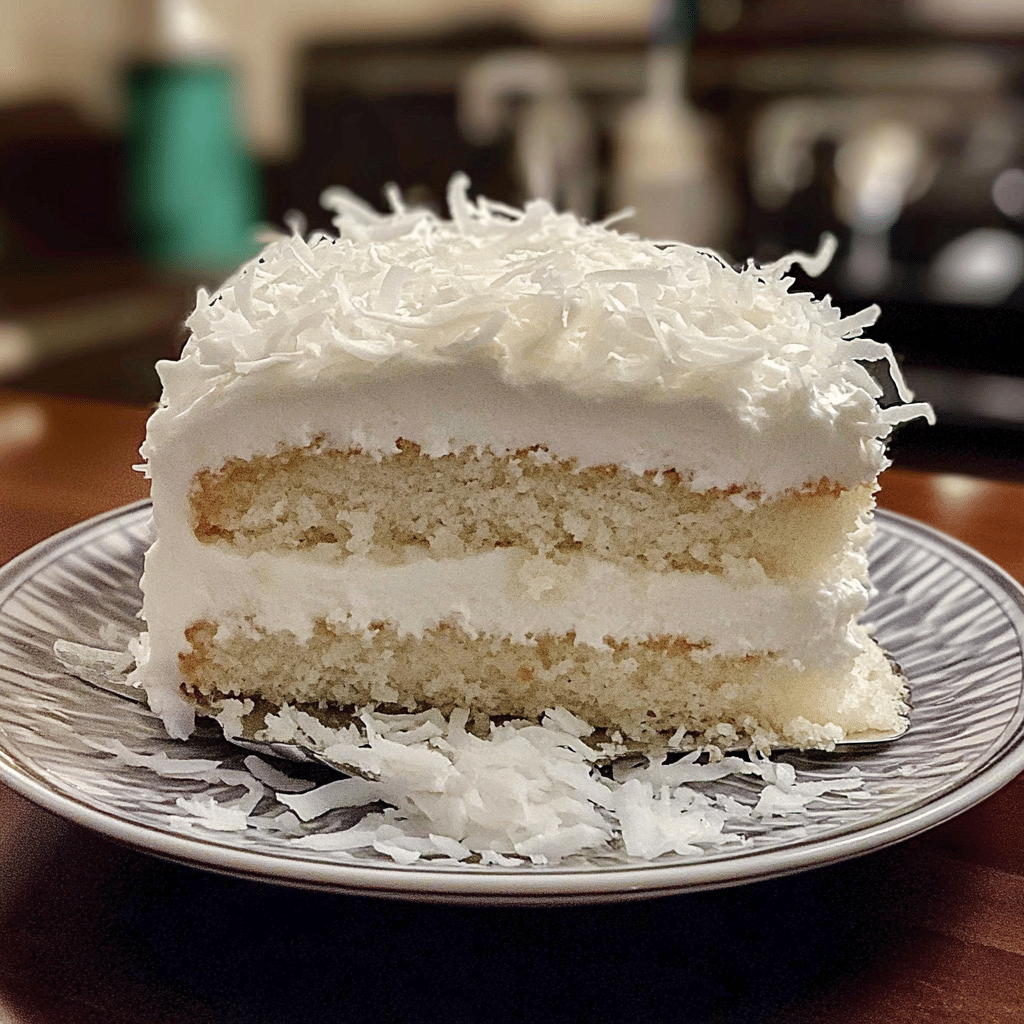
Coconut cake topped with desiccated coconut is rich, fragrant, and delicious, but should be eaten in moderation to balance energy intake (Source: Internet).
HOW TO EAT DESICCATED COCONUT WITHOUT GAINING WEIGHT
Pair with Yogurt
Mix desiccated coconut with unsweetened yogurt and add fruits such as bananas or strawberries. This combination enhances flavor while increasing fiber and nutrient content.
Mix with Granola or Oatmeal
Combine oats, nuts, honey, and desiccated coconut, then lightly bake to create homemade granola. This makes a nutritious and balanced breakfast option.
Use as a Topping Instead of Eating Alone
Add desiccated coconut as a topping for fruit salads with mango, apple, kiwi, or other fresh fruits. It adds a natural crunch and enhances flavor without the need for large portions.
Eat in the Morning or Before Physical Activity
Consuming desiccated coconut in the morning or before exercise allows the body to utilize its energy more efficiently. This reduces the likelihood of excess energy being stored as fat when combined with an active lifestyle.
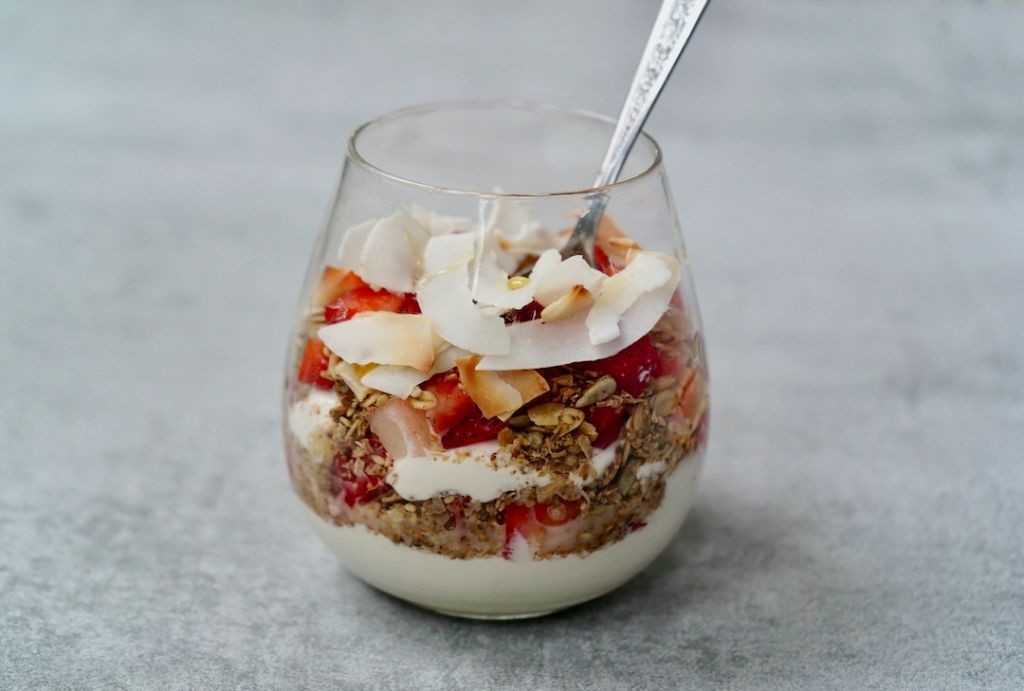
Combining desiccated coconut with yogurt and fruits makes the dish more delicious and nutritious (Source: Internet).
MISTAKES THAT MAKE YOU GAIN WEIGHT WHEN EATING DESICCATED COCONUT
Not Controlling Portion Size
Because desiccated coconut is high in fat, even a small amount provides a significant number of calories. When you consume more than your daily energy needs, the excess is stored as body fat over time, which can lead to weight gain. A recommended serving size is around 10–20 g (approximately 1–2 tablespoons) per intake.
Eating It at Night
Consuming desiccated coconut in the evening, especially close to bedtime, may increase the likelihood of weight gain. During periods of low physical activity and slower metabolism, the body is less efficient at using energy, making it easier for excess calories and fats to be stored as fat.
Choosing Products with Added Sugar or Additives
Some desiccated coconut products contain added sugar, syrups, or flavoring agents, which increase overall sugar and calorie content. Regular consumption of these products may negatively affect blood sugar balance and metabolic health.
COMOON DESICCATED COCONUT
COMOON (COMOON Co., Ltd.) specializes in coconut-based products from Vietnam, including desiccated coconut, coconut water, coconut oil, and other coconut-derived products.
COMOON desiccated coconut is made from 100% mature Ben Tre coconuts, ensuring high quality while preserving natural flavor and nutrition. The product comes in various fat content levels and flexible packaging options, meeting both domestic and export market standards.
The shelf life of COMOON desiccated coconut is 12 months from the production date. It is available in bulk packaging options such as 15 kg, 25 kg, 50 kg, or customized packaging upon request. To maintain optimal quality, the product should be stored in a dry place, at temperatures below 25°C, and away from direct sunlight.
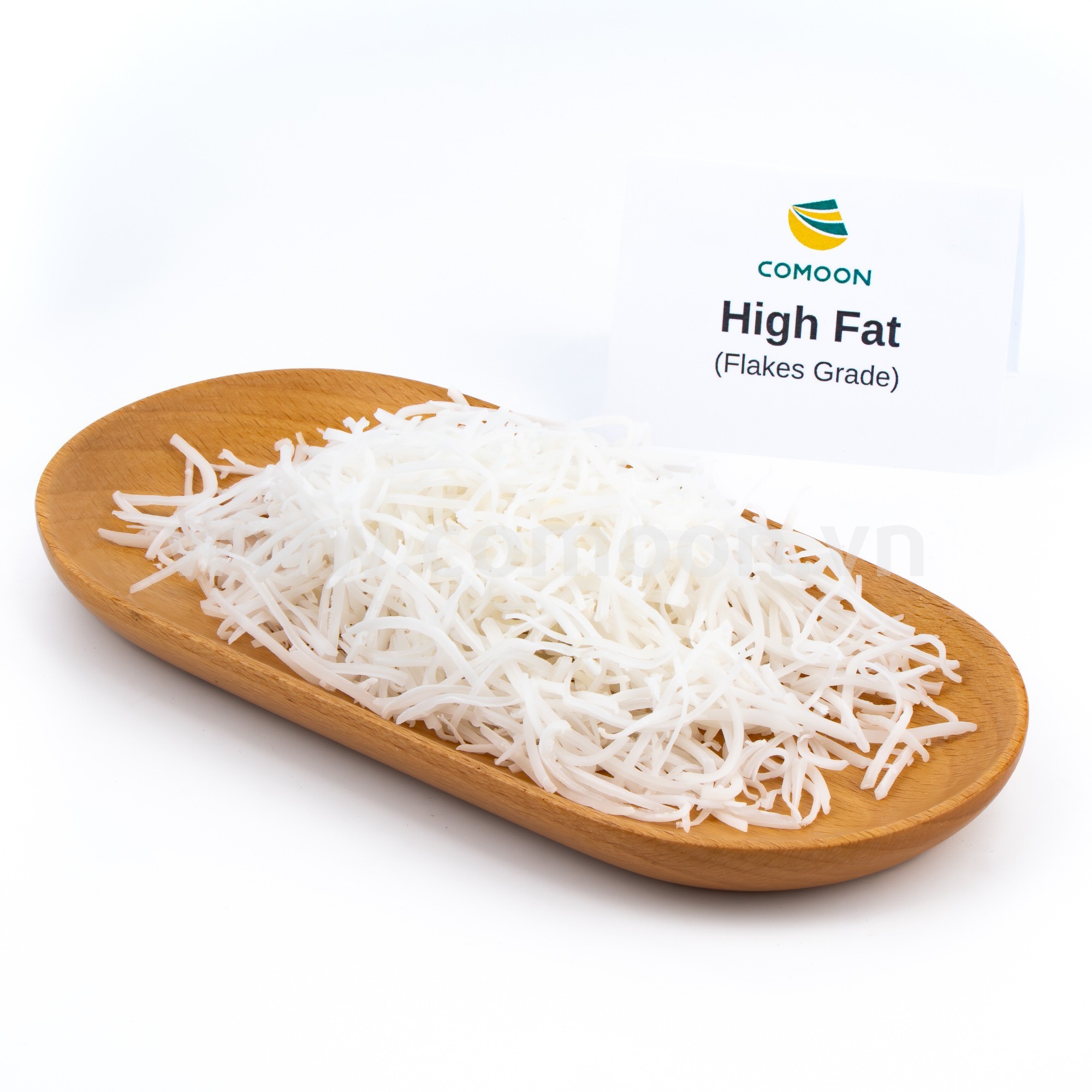 Long shredded desiccated coconut, slightly chewy, suitable for decoration.
Contact Information:
COMOON Co., Ltd.
Phone: +84 366 053 666
Email: info@comoon.vn
References:
https://www.vinmec.com/vie/bai-viet/thanh-phan-dinh-duong-trong-nuoc-dua-vi
https://coconutpowder.net/vi/com-dua-say-kho-la-gi-cong-dung-gi-va-neu-an-nhieu-co-tot-khong/
Share :
Customer comments
Other news
COMOON Co., Ltd.
58 Co Giang Street, Cau Ong Lanh Ward, District 1, Ho Chi Minh City, Vietnam
T: (+84) 366 053 666
- Business Registration No.: 0318171053
- Issued on November 17, 2023 by the Department of Planning and Investment of Ho Chi Minh City.

Copyright © 2024 COMOON


