



- Login
- Register


News
The latest updates from COMOON. Stay tuned to not miss any information!
HOW TO CHOOSE A COCONUT WATER SUPPLIER BASED ON RAW MATERIAL SOURCES, PRICE, AND RELIABILITY
Wednesday, 14/10/2026, 02:43
As the demand for bottled coconut water continues to grow, finding a reliable coconut water supplier has become important for businesses, agents, and distributors. However, buying coconut water in large quantities is not only about price but also about product quality, raw material sources, and a stable supply. So, what should businesses consider when choosing the right supplier? This article will explain the key factors to consider before working with a supplier, including raw material sources, pricing factors, and supplier reliability.
Coconut Growing Regions: The Foundation Of Quality Coconut Water
The quality of coconut water depends on several factors, including the growing region, coconut varieties, farming conditions, and harvest time. When choosing a coconut water supplier, businesses should consider where the coconuts come from and how the raw materials are managed. These factors help ensure consistent product quality and a stable supply of coconut water.
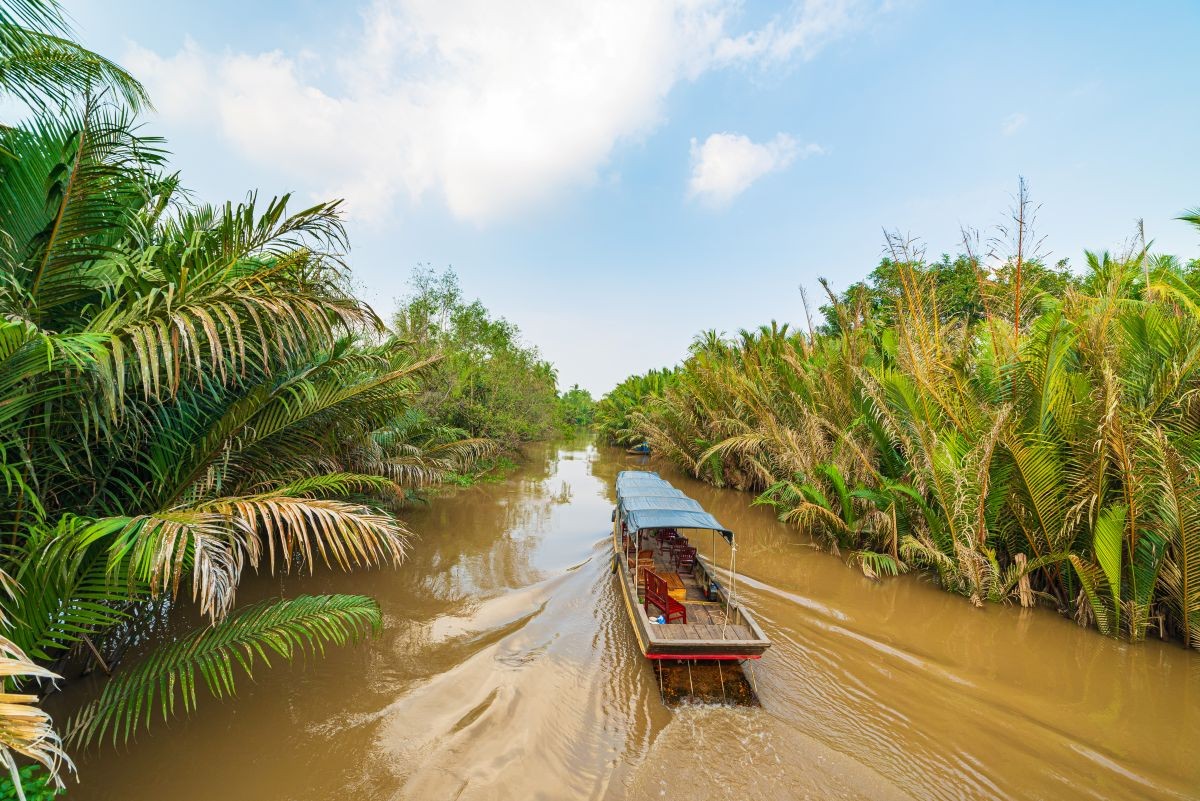
Major Coconut Growing Regions In Vietnam And Their Coconut Water Characteristics
-
Ben Tre: Known as one of the largest coconut growing regions in Vietnam, Ben Tre provides raw materials for fresh coconut water, bottled coconut water, and various coconut-based products.
-
Tra Vinh: Famous for Cau Ke wax coconuts, which have thick, soft, and creamy coconut flesh with high economic value. However, wax coconuts are mainly grown for their flesh and are not commonly used to produce bottled coconut water.
-
Tien Giang: One of the regions where Siamese coconuts are grown. This coconut variety is popular for its high water content and naturally sweet taste. Siamese coconuts are often enjoyed fresh and can also be used to produce processed coconut water products.
The quality of pure coconut water is influenced by coconut varieties, fruit maturity, and seasonal conditions. Different varieties, such as Green Siamese coconuts, Vietnamese Tall coconuts, and Dau coconuts, have different levels of sweetness, aroma, and water content. Among them, Green Siamese coconuts are often preferred for their naturally sweet taste and distinctive aroma.
Coconut Varieties, Maturity, And Seasonal Factors
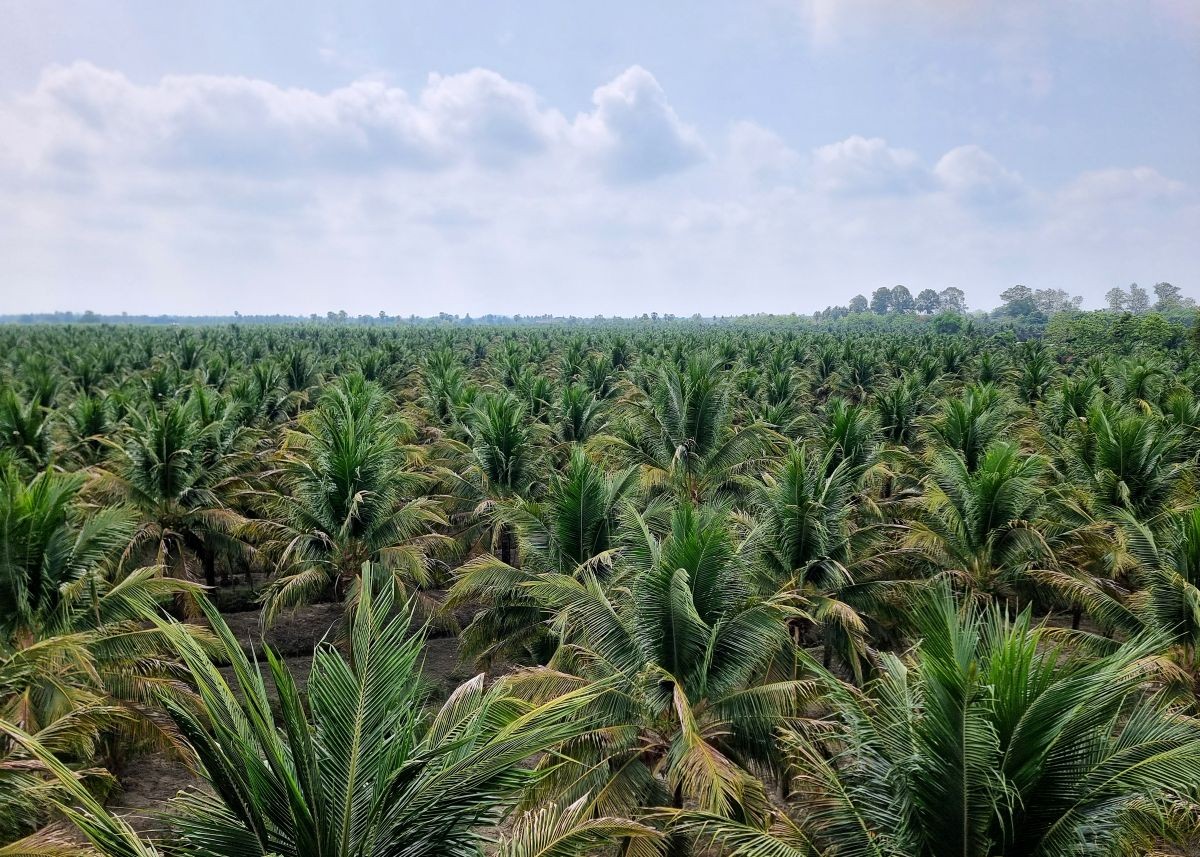
Coconuts harvested at around 7–9 months are usually suitable for drinking, while harvesting too early or too late may affect their taste and water content. Seasonal conditions also affect coconut quality and production, especially during the rainy season or periods of low coconut supply.
Vietnamese Tall coconuts, a traditional coconut variety in Vietnam, are not as sweet as Siamese coconuts. However, many businesses use them to produce bottled coconut water because they are more affordable.
Therefore, choosing the right coconut varieties, controlling harvest time, and maintaining a stable seasonal supply help bottled coconut water manufacturers ensure consistent product quality and taste.
Why A Stable Coconut Supply Ensures Consistent Quality Across Production Batches
A stable coconut supply helps maintain consistent coconut water quality across production batches. When coconuts come from different sources, differences in coconut varieties, growing conditions, and harvest time can affect the sweetness (Brix), pH level, color, and taste of coconut water.
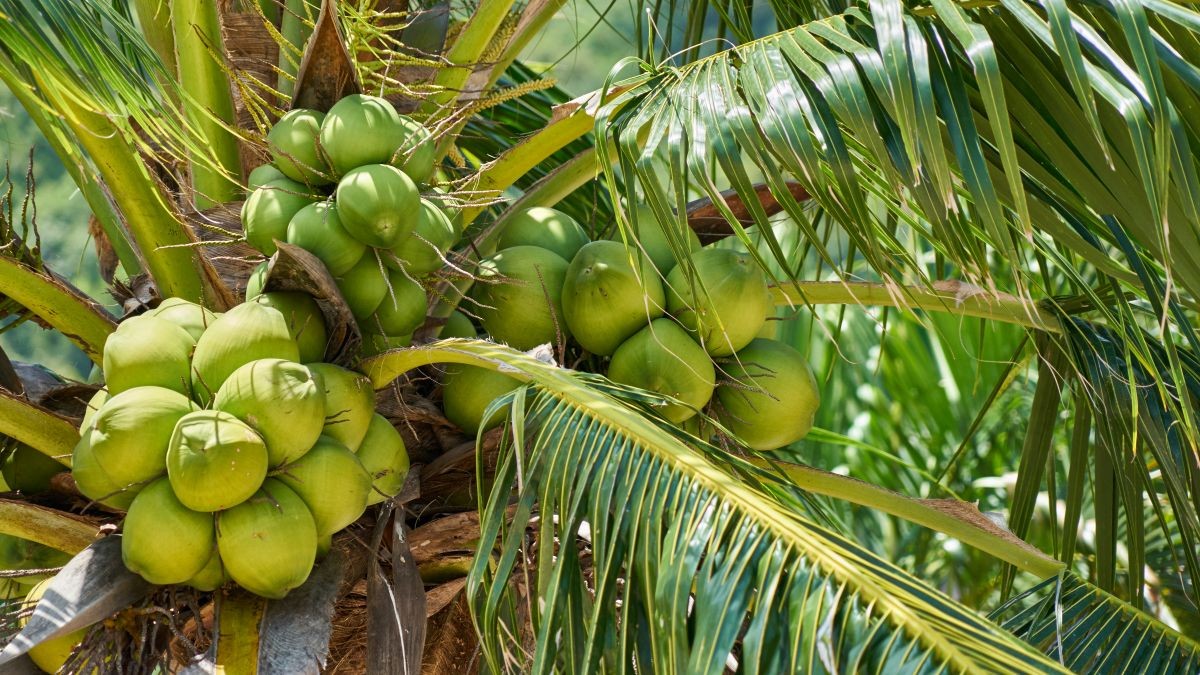
In contrast, a stable raw material supply allows manufacturers to better control coconut growing, harvesting, and selection. Checking raw materials before production also helps reduce differences between production batches. As a result, coconut water suppliers can maintain consistent product quality and meet the bulk purchasing needs of businesses, agents, and distributors.
Geographic Location Of Coconut Growing Areas
The location of coconut growing areas directly affects the quality of fresh coconuts and transportation costs to processing factories. When coconut farms are located near production facilities, transportation time is shorter. This helps reduce the risk of quality loss caused by high temperatures or poor storage conditions. Proper protection, storage, and arrangement of coconuts during transportation also help maintain their freshness.
In addition to product quality, transportation distance affects purchasing costs and supply capacity. In the Mekong Delta, road and waterway transport systems support the movement of coconuts from growing areas to processing facilities. Choosing coconut growing areas in convenient locations helps coconut water suppliers reduce logistics costs, secure additional raw materials when demand increases, and maintain stable production.
Bulk Coconut Water Prices: Key Factors That Affect Costs
Factors That Affect Coconut Water Prices
The price of bottled coconut water depends on several factors, including raw materials, processing technology, and packaging.
Raw Materials And Seasonal Factors
Raw material prices may change depending on the season and market supply and demand. When coconut supply decreases or demand increases, raw material costs may rise. In addition, each coconut variety has different water content, taste, and purchasing prices. These differences affect the amount of raw materials needed and the overall production costs.
Processing Technology
Processing technology is another factor that affects the cost of bottled coconut water. Two common heat treatment methods used in the beverage industry are pasteurization and Ultra-High Temperature (UHT) processing.
| Criteria | Pasteurization | UHT Processing |
|---|---|---|
| Treatment Method | Uses suitable temperatures and treatment times to reduce microorganisms. | Uses very high temperatures for a short time to treat microorganisms. |
| Storage Conditions | Many products require refrigerated storage. | Products can be stored at room temperature when packed under sterile conditions and the packaging remains sealed. |
| Cost Factors | Costs depend on processing equipment, storage, and transportation. | Costs depend on UHT systems, sterile packaging equipment, and production scale. |
Packaging Types
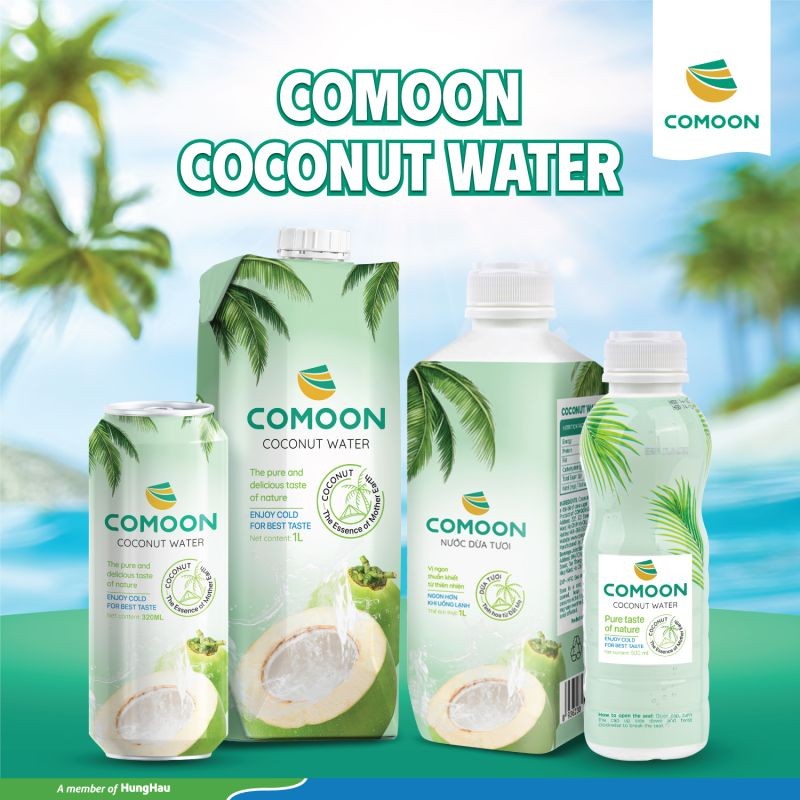
Besides processing technology, packaging materials also affect production costs. Common packaging options include PET bottles, aluminum cans, and multilayer cartons.
| Packaging Type | Characteristics | Impact On Costs |
|---|---|---|
| PET Bottles | Lightweight, easy to transport, and convenient to use. | Costs depend on bottle size, material quality, and production quantity. |
| Aluminum Cans | Protect drinks from light, helping maintain flavor, freshness, and shelf life. | Costs depend on aluminum prices and canning technology. |
| Multilayer Cartons | Made from several layers of materials to protect the product. Commonly used in sterile packaging systems. | Costs depend on packaging materials and packaging equipment. |
Overall, bottled coconut water prices depend not only on raw materials but also on processing technology and packaging types. Therefore, when comparing prices from different coconut water suppliers, businesses should consider product quality, bottle size, packaging options, and distribution conditions.
Other Factors That Affect Bottled Coconut Water Prices
Besides production costs, bottled coconut water prices also depend on order quantity and supplier discount policies. Businesses and distributors that place large orders or purchase regularly may receive better prices, depending on each supplier's policies. This helps reduce the cost per product and manage purchasing budgets more effectively.
In addition, transportation costs and payment terms also affect the total purchasing cost. Deliveries to distant locations may have higher shipping fees, while payment methods and deadlines can affect pricing terms. Therefore, when choosing a coconut water supplier, businesses should compare not only product prices but also delivery costs, discounts, and business terms to find the most suitable option.
How To Identify A Reliable Coconut Water Supplier
COMOON – A Reliable Coconut Water Supplier In Vietnam
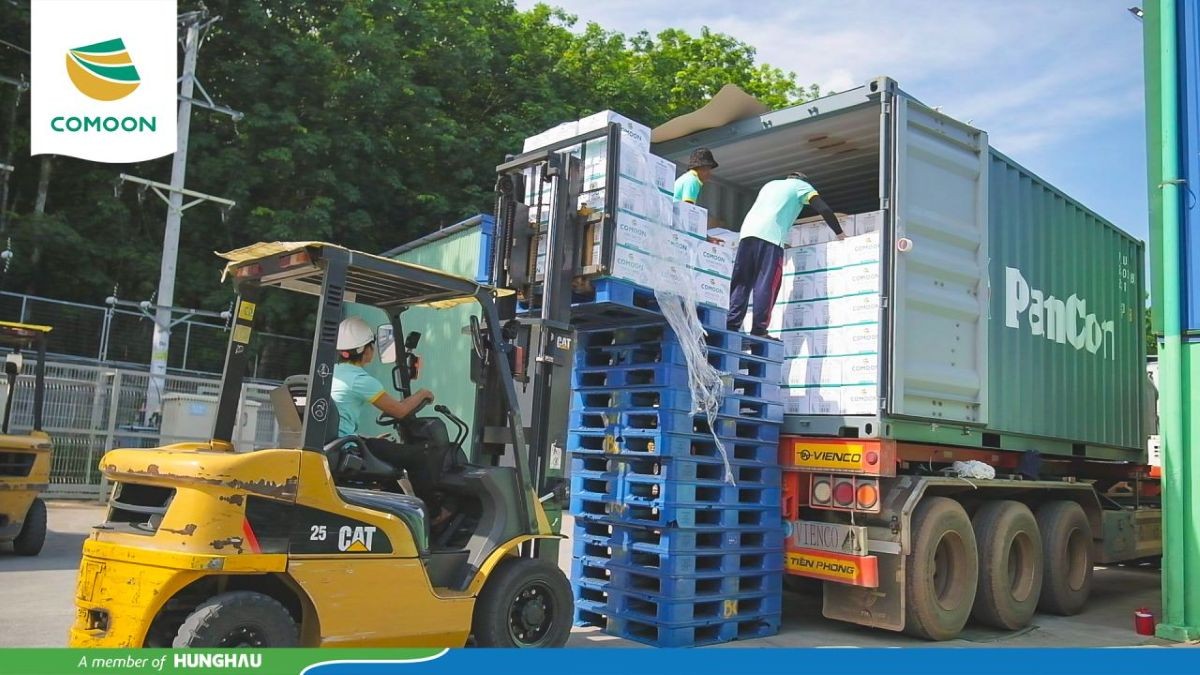
COMOON is a Vietnamese coconut water brand that uses coconuts from Ben Tre to produce pure coconut water with a natural taste. The brand focuses on selecting quality raw materials and controlling the production process to maintain product quality and meet consumer and distribution needs.
For businesses, agents, and distributors, choosing a reliable coconut water supplier requires careful consideration of raw material sources, production standards, supply capacity, and partnership policies. These factors are important for building stable and long-term business relationships.
With a focus on developing products made from Vietnamese coconuts, COMOON aims to expand its distribution network and create business opportunities for partners across Vietnam.
Product Traceability And Certifications: Raw Material Sources And Production Facilities
COMOON coconut water is made from coconuts grown in Ben Tre. The coconuts are harvested at around 11–12 months of age and processed on the same day to help maintain their freshness and natural flavor. Clear information about coconut growing areas and processing times helps businesses better understand the origin and quality of the products.
For businesses and distributors, information about raw material sources, production facilities, and product batch numbers is important for checking and tracing product origins. In addition, businesses should ask suppliers for food safety certifications and relevant product testing reports. These documents help them check whether the products meet quality requirements before starting a business partnership.
Factory Standards And Food Safety Standards
During the production of COMOON coconut water, quality control is important at every stage, from receiving raw materials and processing to filling and bottling. Each step must follow proper hygiene requirements to maintain product quality and food safety.
In addition, food safety management systems such as HACCP and ISO 22000 are important standards for evaluating production processes. Providing clear information about production facilities, applied standards, and certification documents helps COMOON build trust with businesses, agents, and distributors.
Stable Supply Capacity: Production Volume, Monthly Deliveries, Cold Chain, And Transportation
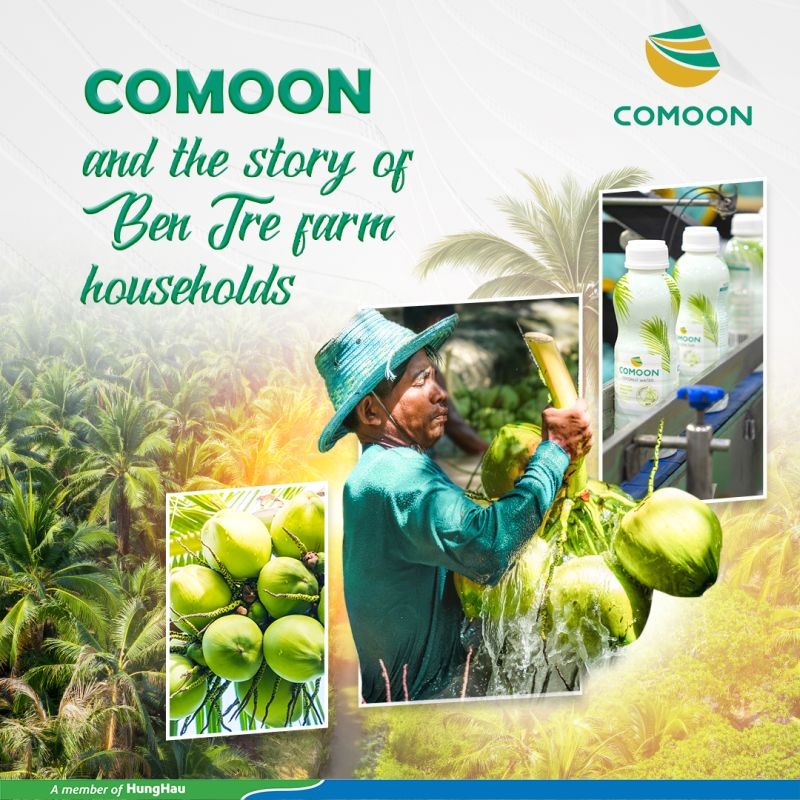
COMOON uses coconuts from Ben Tre to produce and distribute bottled coconut water in both domestic and international markets. A stable raw material supply and well-organized production process help the brand meet bulk purchasing needs from businesses, agents, and export partners.
For regular weekly or monthly orders, production planning and product preparation help reduce the risk of supply shortages, especially during seasons when coconut production decreases. When demand increases, the ability to adjust supply plans is also important for delivering orders on time.
For storage and transportation, COMOON coconut water must be stored under suitable conditions for each product type to maintain quality during distribution. Clear agreements with partners on delivery schedules, order quantities, and transportation methods help ensure smooth and stable purchasing operations.
Warning Signs To Consider: Unusually Low Prices, Unclear Product Origins, And Refusal To Provide Samples
When choosing a coconut water supplier, businesses should be careful with prices that are much lower than the market average. If a supplier cannot clearly explain the price difference, businesses may face risks related to product quality or additional costs for transportation, packaging, and delivery.
Another concern is when suppliers do not provide clear information about raw material sources, production facilities, or food safety documents. This makes it difficult for businesses to check product origins and evaluate supplier reliability before placing orders.
In particular, if a supplier refuses to provide product samples, businesses cannot directly check the taste, color, packaging, and quality of the coconut water. Therefore, before placing bulk orders, businesses should request product samples, review relevant documents, and agree on clear purchasing terms to reduce risks during the partnership.
COMOON's Coconut Product Range Beyond Coconut Water
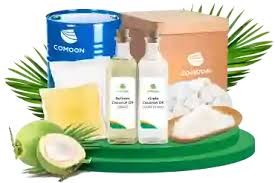
Besides bottled coconut water, the coconut product range of COMOON and HungHau Foods also includes desiccated coconut, frozen coconut meat, frozen coconut water, coconut water concentrate, and coconut oil. These products serve different needs in food consumption and food processing.
Desiccated coconut is commonly used in making cakes, candies, and desserts, while frozen coconut meat is suitable for preparing sweet soups, ice cream, and other coconut-based dishes. Frozen coconut water and coconut water concentrate are used as ingredients in beverages and drink production. Coconut oil is also used in the food and cosmetics industries.
This wide range of coconut products gives businesses and distributors more options to expand their product offerings and makes it easier to find different coconut-based ingredients from suppliers.
Partnership Process With COMOON
COMOON is a coconut water brand under HungHau Foods, a company specializing in food production, processing, and distribution. With its experience in the food industry, production facilities, and distribution network, HungHau Foods provides a strong foundation for COMOON to develop its coconut water supply operations and meet the needs of businesses, agents, and distributors.
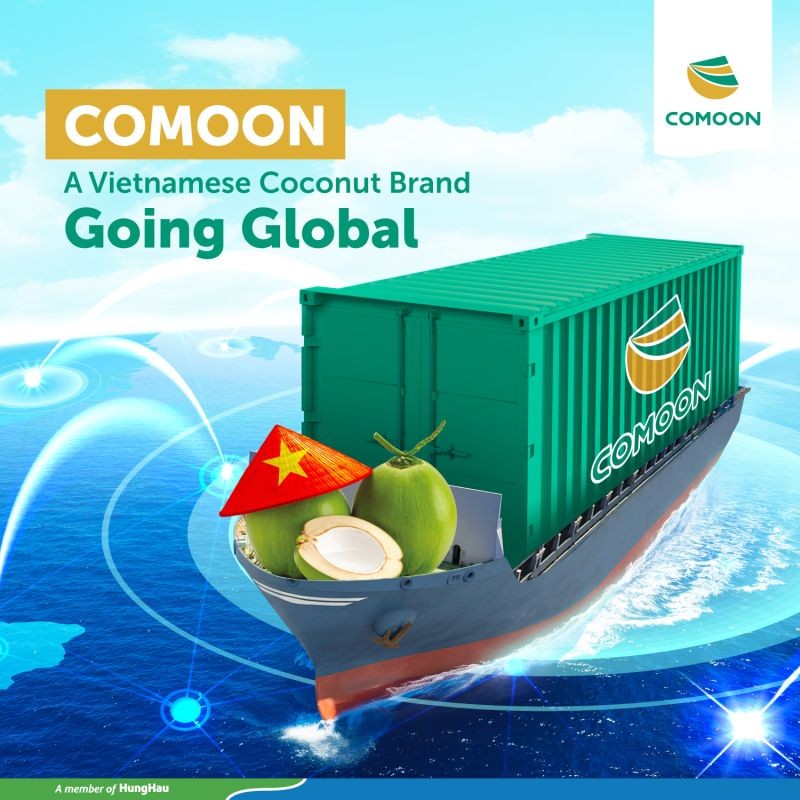
To learn more about COMOON products and become a distribution partner, businesses can contact COMOON directly through its official website. Businesses can share their purchasing needs, expected order quantities, and distribution areas to receive product advice, price quotations, and information about suitable partnership policies.
Conclusion
Choosing a reliable coconut water supplier requires careful consideration of raw material sources, product quality, pricing, and stable supply capacity. With coconuts sourced from Ben Tre and a wide range of products, COMOON is a suitable option for businesses, agents, and distributors looking for quality coconut water to support long-term business growth.
Customers can learn more about COMOON products and place orders through the official COMOON website or the COMOON Official Store on Shopee. Businesses can also follow COMOON on LinkedIn for brand updates or contact the company directly for product information, partnership policies, and supply solutions that meet their business needs.
Contact Information
-
Hotline/WhatsApp: (+84) 969 440 333
-
Email: susan@comoon.vn
-
Website: comoon.vn
Share :
Customer comments
Other news
COMOON Co., Ltd.
58 Co Giang Street, Cau Ong Lanh Ward, District 1, Ho Chi Minh City, Vietnam
T: (+84) 366 053 666
- Business Registration No.: 0318171053
- Issued on November 17, 2023 by the Department of Planning and Investment of Ho Chi Minh City.

Copyright © 2024 COMOON


