



- Login
- Register


News
The latest updates from COMOON. Stay tuned to not miss any information!
HOW TO CHOOSE A COCONUT WATER SUPPLIER IN VIETNAM? PRODUCTS, QUALITY STANDARDS AND SUPPLY CAPACITY
Wednesday, 02/09/2026, 03:58
Vietnam is one of the major coconut-producing countries in the Asia-Pacific region, with many coconut water suppliers offering ready-to-drink products and industrial coconut water ingredients to international markets. When sourcing coconut water from Vietnam, what quality standards, production capabilities and criteria should importers evaluate? COMOON explores these considerations in detail below.
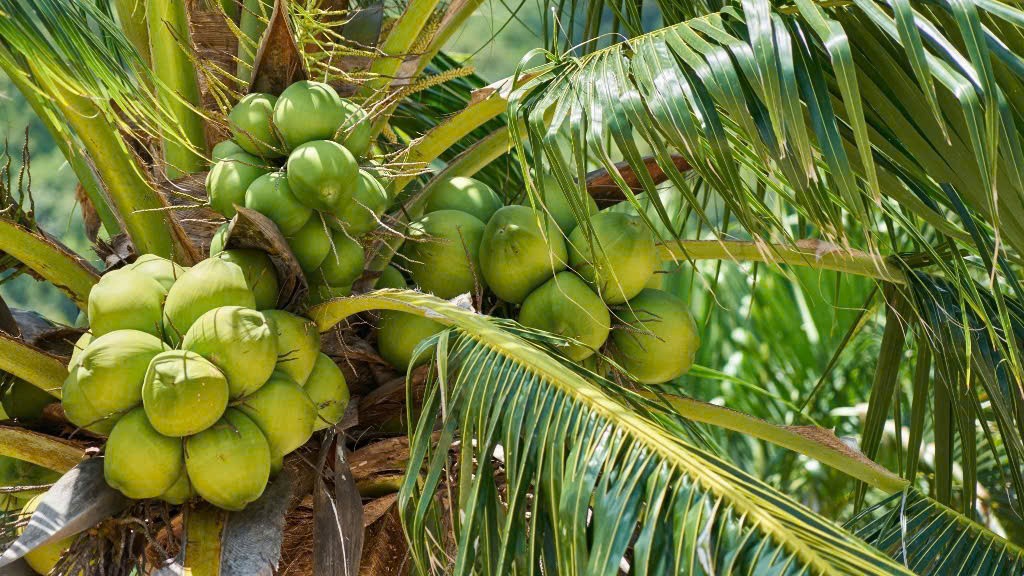
Why source coconut water from Vietnam?
Vietnamese coconut water suppliers are attracting growing interest from international importers thanks to the country’s large raw material base and competitive production costs. In 2024, exports of coconuts and coconut products reached nearly USD 1.1 billion, up more than 20% from 2023. Fresh coconut exports alone exceeded USD 390 million.
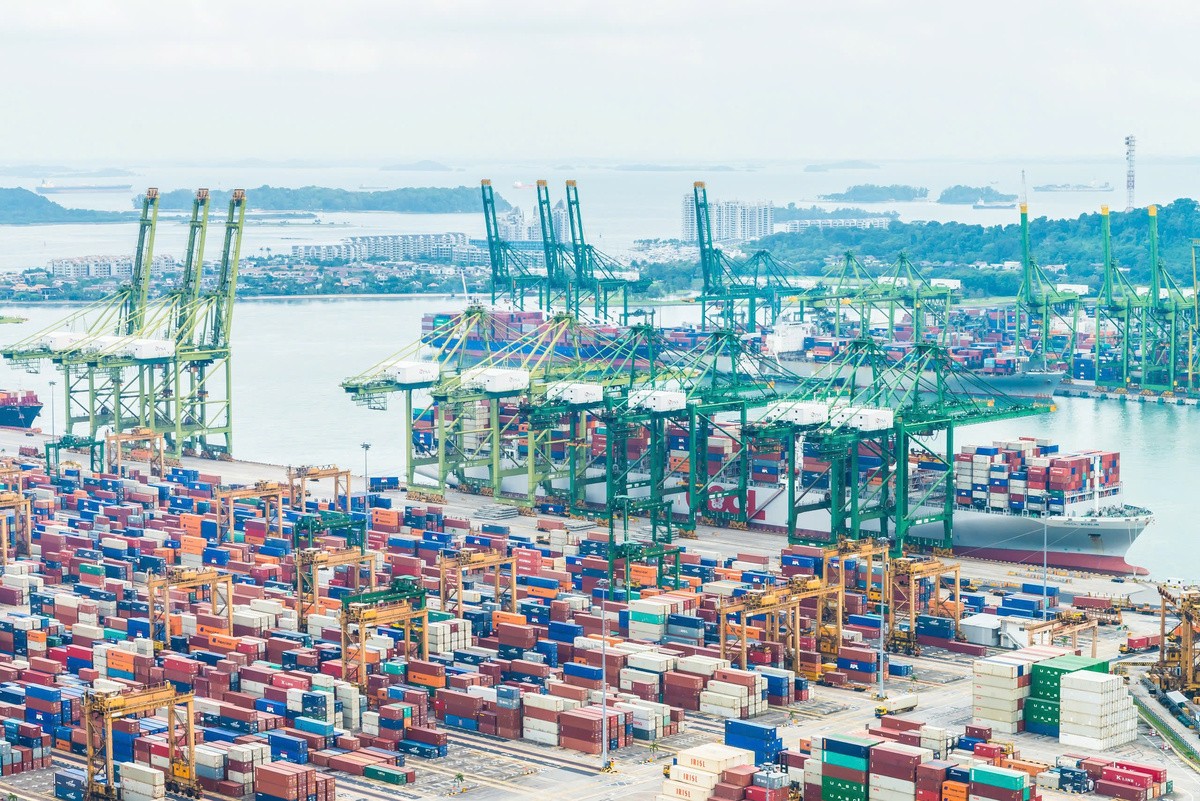
Vietnam’s exports of coconuts and coconut products reached nearly USD 1.1 billion in 2024
Coconut-growing areas are concentrated mainly in the Mekong Delta. Ben Tre leads the country with nearly 80,000 hectares of coconut plantations, accounting for approximately 42% of Vietnam’s total coconut-growing area. Ben Tre coconuts have received geographical indication protection, while organic production areas have been developed to meet U.S., EU and Japanese standards.
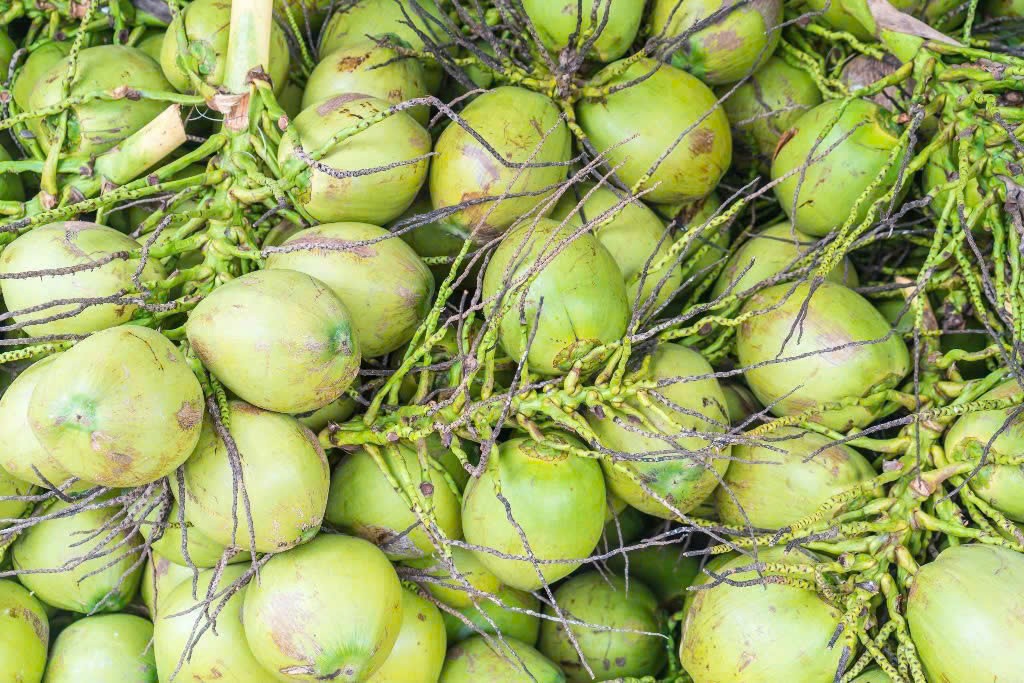
Ben Tre leads Vietnam in coconut-growing area, with nearly 80,000 hectares
Labor and production costs in Vietnam remain competitive compared with other coconut-exporting countries in the region. Many processing facilities hold international food safety certifications and provide OEM and private label services for overseas partners. The combination of concentrated raw material areas, processing capabilities and competitive costs is making Vietnam a preferred sourcing destination for many coconut water importers.
What makes Vietnamese coconut water distinctive?
Vietnamese coconut water has a consistent flavor profile supported by the growing conditions in its major coconut-producing regions. Ben Tre is located downstream of the Mekong River, where freshwater from the river system meets mild levels of salinity from the sea. This natural interaction between fresh and brackish water influences the mineral content and flavor profile of coconuts grown in the area.
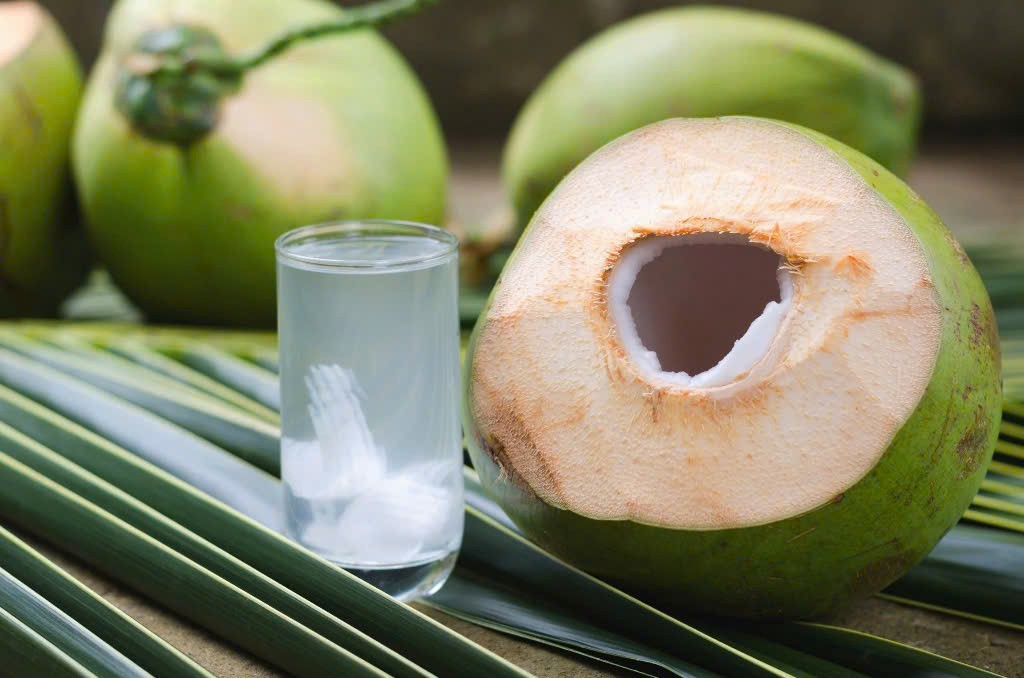
Ben Tre coconut water typically has a Brix level of 5–9% with a naturally mild sweetness
Ben Tre coconut water typically has a Brix level of 5–9%, with a mild sweetness and clean finish. Consistent Brix levels between batches make it easier for beverage manufacturers to maintain formulation control during product development. The natural profile of Ben Tre coconut water is also suitable for clean-label products and no-added-sugar formulations in many international markets.
For importers, a stable raw material profile means fewer formulation adjustments between batches and potentially lower R&D costs when developing new product lines.
What products do coconut water suppliers typically offer?
A coconut water supplier in Vietnam may offer one or both of the following main product groups, depending on its production capabilities.
Ready-to-drink (RTD) coconut water. RTD products include coconut water in PP bottles and Tetra Prisma cartons, serving distributors, retail chains and F&B businesses. PP bottles are suitable for convenience stores and supermarkets. Tetra cartons are suitable for markets requiring ambient storage and a longer shelf life.
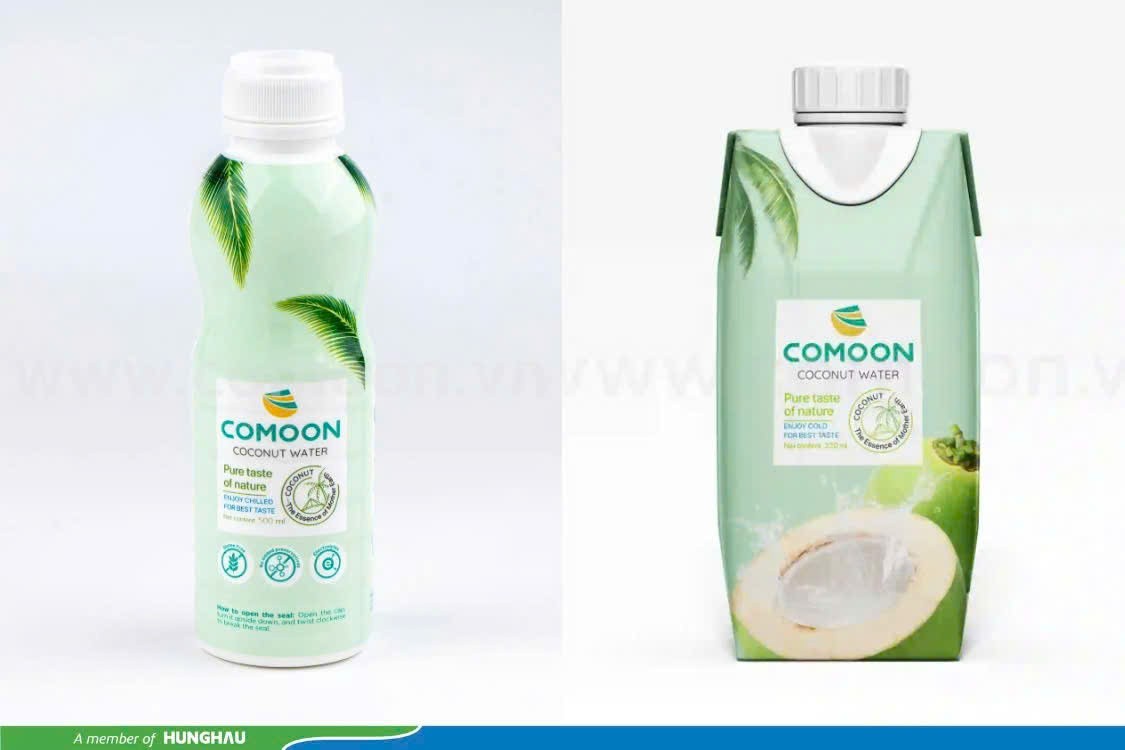
COMOON coconut water in PP bottles and Tetra Prisma cartons, ready for retail distribution and export
Industrial or bulk coconut water ingredients. This product group includes frozen coconut water and frozen coconut water concentrate for beverage manufacturers, food processors and large-scale F&B businesses.
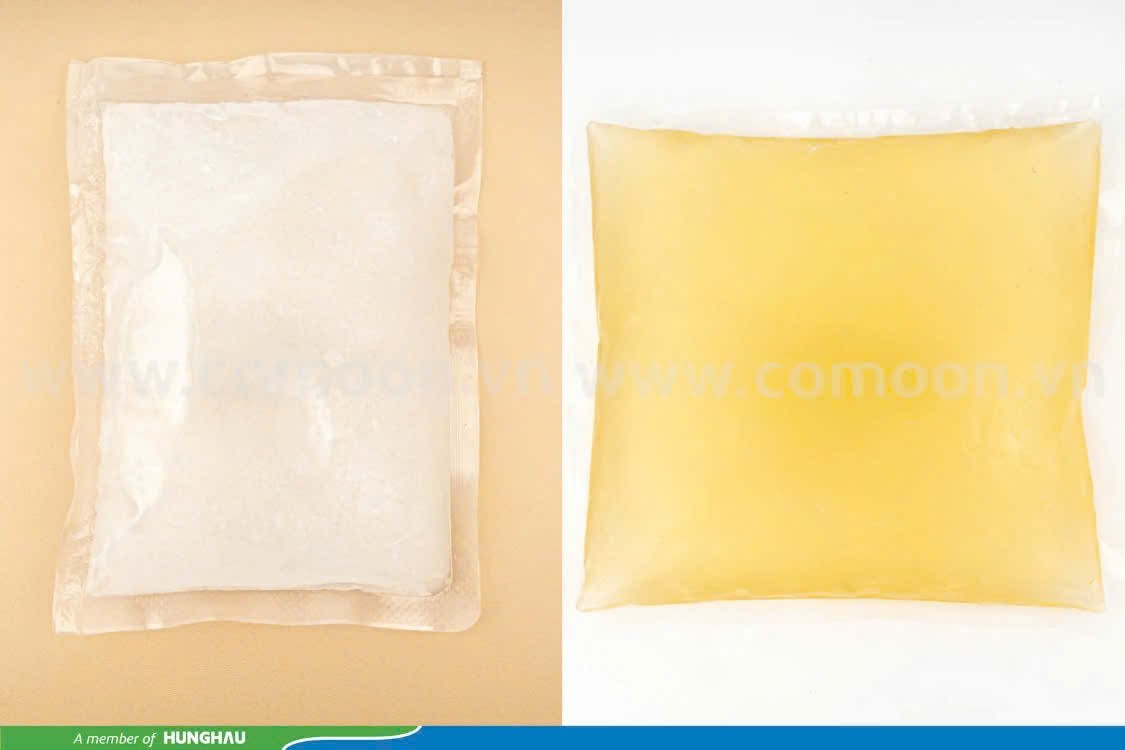
COMOON frozen coconut water (left, clear) and frozen coconut water concentrate (right, yellow) packed in PA bags
Not every coconut water supplier offers both product groups. Some suppliers focus on RTD products, while others specialize in frozen or concentrated ingredients. Importers should clearly define their product requirements before contacting suppliers, as supply capabilities can vary significantly between companies.
What quality standards matter when choosing a coconut water supplier?
Food safety certifications are among the first criteria importers should check. Specific requirements vary by target market, but the following four certifications and registrations are widely used across the international food supply chain.
BRCGS is a food safety standard used by many major retailers worldwide when evaluating suppliers. Facilities certified to BRCGS are required to maintain food safety and quality controls throughout the production process.
FSSC 22000 is based on ISO standards and provides a framework for managing food safety risks and maintaining traceability throughout the supply chain.
FDA registration and compliance are required for food businesses exporting products to the United States. Suppliers serving the U.S. market need to meet the requirements of the U.S. Food and Drug Administration.
HALAL certification is particularly important for suppliers targeting markets with large Muslim populations, including countries in the Middle East and Southeast Asia.

International certifications help importers quickly assess a coconut water supplier’s food safety standards
In addition to these certifications, importers should request a Certificate of Analysis (CoA) for each shipment or according to the agreement with the supplier. A CoA provides technical specifications such as Brix, pH and microbiological parameters. Comparing the CoA with the specifications agreed upon in the contract helps importers verify product quality upon receipt. Checking certifications and requesting a CoA early can also shorten the supplier evaluation process and reduce potential issues during customs clearance.
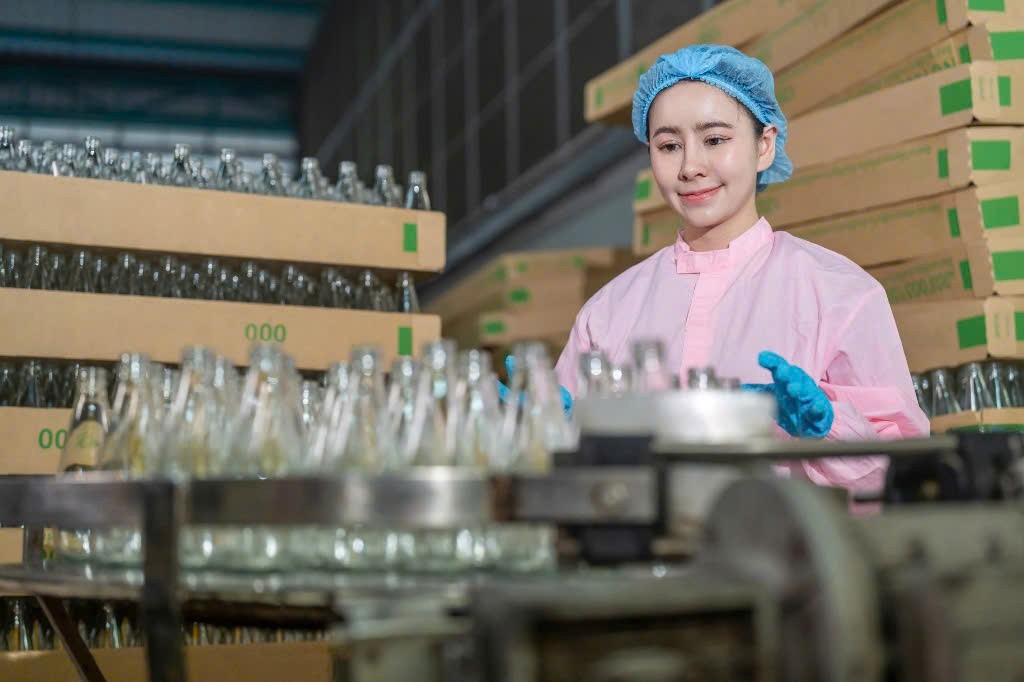
How to evaluate a coconut water supplier’s production capacity?
Production capacity directly affects a supplier’s ability to fulfill large orders and maintain a stable supply. Importers should consider four key factors when evaluating a coconut water supplier.
Annual production capacity. Importers should understand the supplier’s annual production capacity and the volume allocated for export. These figures help determine whether the facility can meet the expected order volume and has room to increase production in the future.
Raw material sourcing. Does the supplier control its coconut sourcing or rely on intermediaries? Direct sourcing from growing areas allows better control over incoming raw material quality and greater flexibility in supply planning, especially when raw material prices fluctuate seasonally.
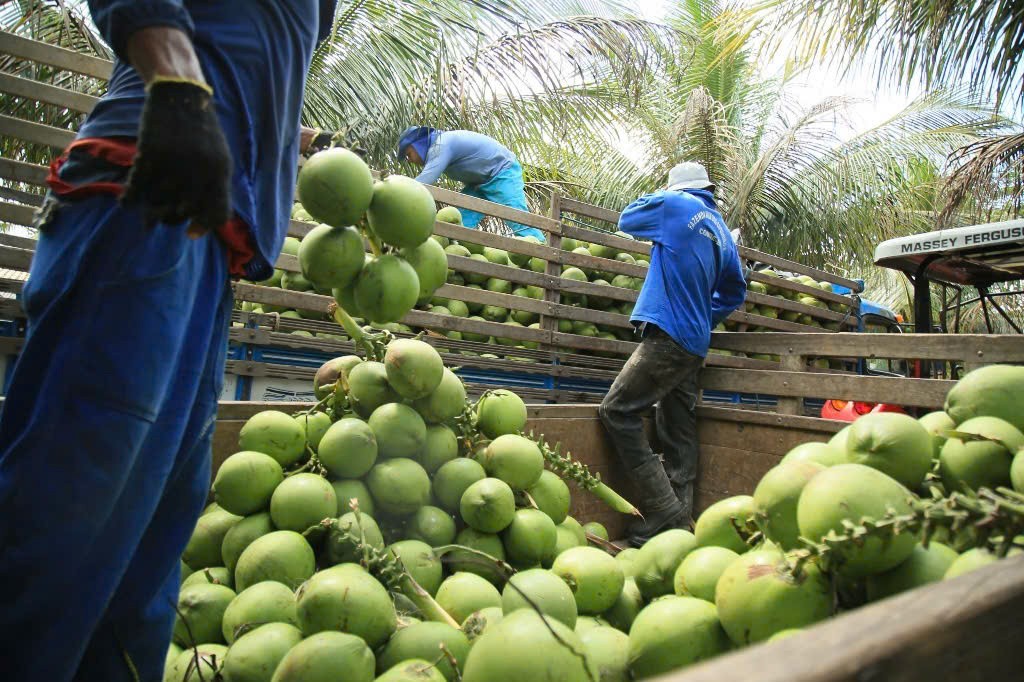
A coconut water supplier with greater control over raw materials can better manage incoming quality
Processing technology. Different coconut water products require different processing technologies. UHT and aseptic processing are commonly used for RTD coconut water. Blast freezing is suitable for frozen coconut water used as an industrial ingredient. A supplier with multiple processing technologies can accommodate a wider range of product requirements.
Year-round supply capability. Coconut availability can vary by region and season. Importers should discuss raw material availability with the supplier and establish clear volume commitments before signing a long-term contract.
These four factors should be discussed in detail during the initial supplier evaluation, particularly when an importer plans to place long-term orders or increase volumes on a quarterly basis.
Packaging options and private label services
Packaging specifications should match distribution requirements in the importing market. Coconut water exported from Vietnam is available in various formats for both retail and industrial applications.
RTD coconut water is commonly packed in PP bottles or Tetra Prisma cartons. PP bottles are suitable for convenience stores, supermarkets and other retail channels. Tetra cartons are suitable for markets requiring ambient storage and a longer shelf life.
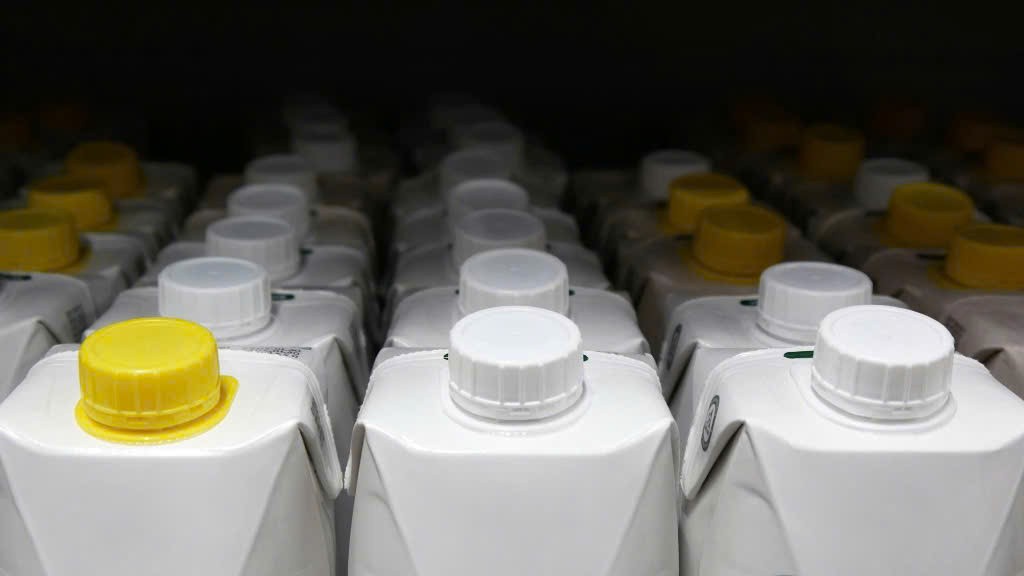
Industrial coconut water ingredients are packed in PA bags or cartons for frozen products. Frozen coconut water concentrate can also be supplied in larger drum formats. The appropriate packaging format depends on the product type, storage conditions and the importer’s specific production requirements.
Many Vietnamese suppliers provide private label and OEM services, including customized packaging design, production according to agreed specifications and sample development before the contract is finalized. Importers should confirm the MOQ for each product and packaging format at the beginning of negotiations to shorten the lead time to the first shipment.
How is a coconut water supplier different from a coconut product supplier?
Many coconut water suppliers in Vietnam are beverage companies that focus on finished coconut water products. Their portfolios may also include fruit juices and other beverages for retail and distribution channels.
Another group consists of agricultural processing companies with a broader coconut value chain. These businesses may control raw material sourcing, industrial processing and finished-product manufacturing within the same supply system. Importers working with this type of supplier can source both finished coconut water and industrial coconut ingredients from a single partner instead of managing separate suppliers.
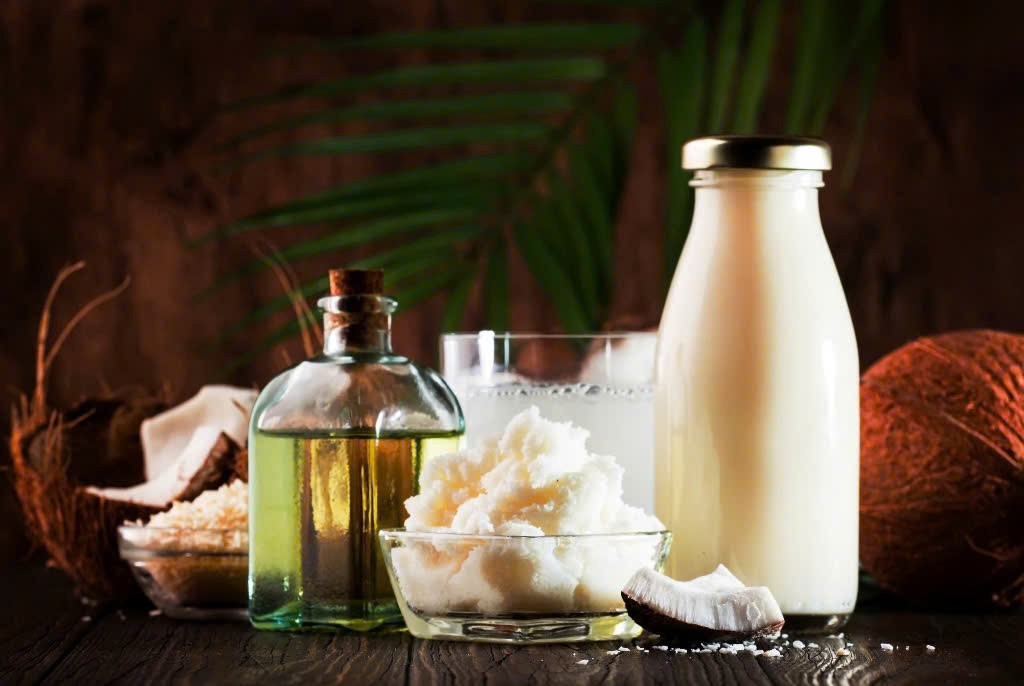
COMOON is a member company of HungHau Foods, specializing in coconut products sourced from Ben Tre. Its coconut water portfolio includes RTD coconut water in PP bottles and Tetra Prisma cartons, frozen coconut water and frozen coconut water concentrate. COMOON also supplies frozen coconut milk, frozen coconut meat, desiccated coconut, coconut milk powder and coconut oil.
In 2025, COMOON was recognized among the Top 100 National Strong Brands. COMOON products are currently available in more than 40 countries and territories. Choosing a supplier with a broader coconut value chain gives importers greater flexibility to expand their product portfolio without having to find additional partners.
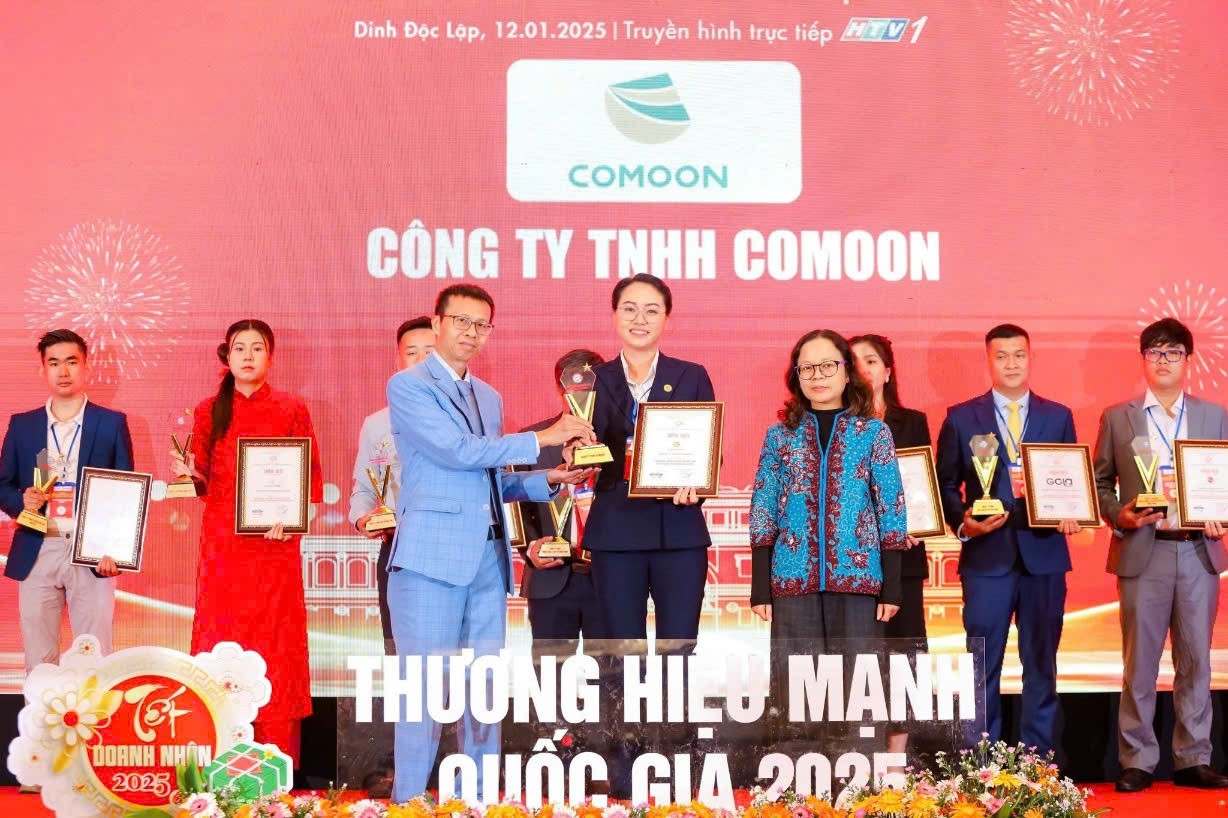
COMOON was recognized among the Top 100 National Strong Brands in 2025, an award organized by the Institute for Research and Evaluation of Enterprise Quality and Human Resource Development
Why choose common as your coconut water supplier?
Ben Tre coconut sourcing and an integrated supply chain: COMOON sources coconuts directly from growing areas in Ben Tre and processes them at a factory located within the raw material region. Direct sourcing provides greater control over raw material quality from harvesting and greater flexibility in production planning according to order requirements.
International food safety certifications: COMOON’s factory and products meet BRCGS, FSSC 22000, FDA and HALAL requirements. Certification documents are available to partners upon request.
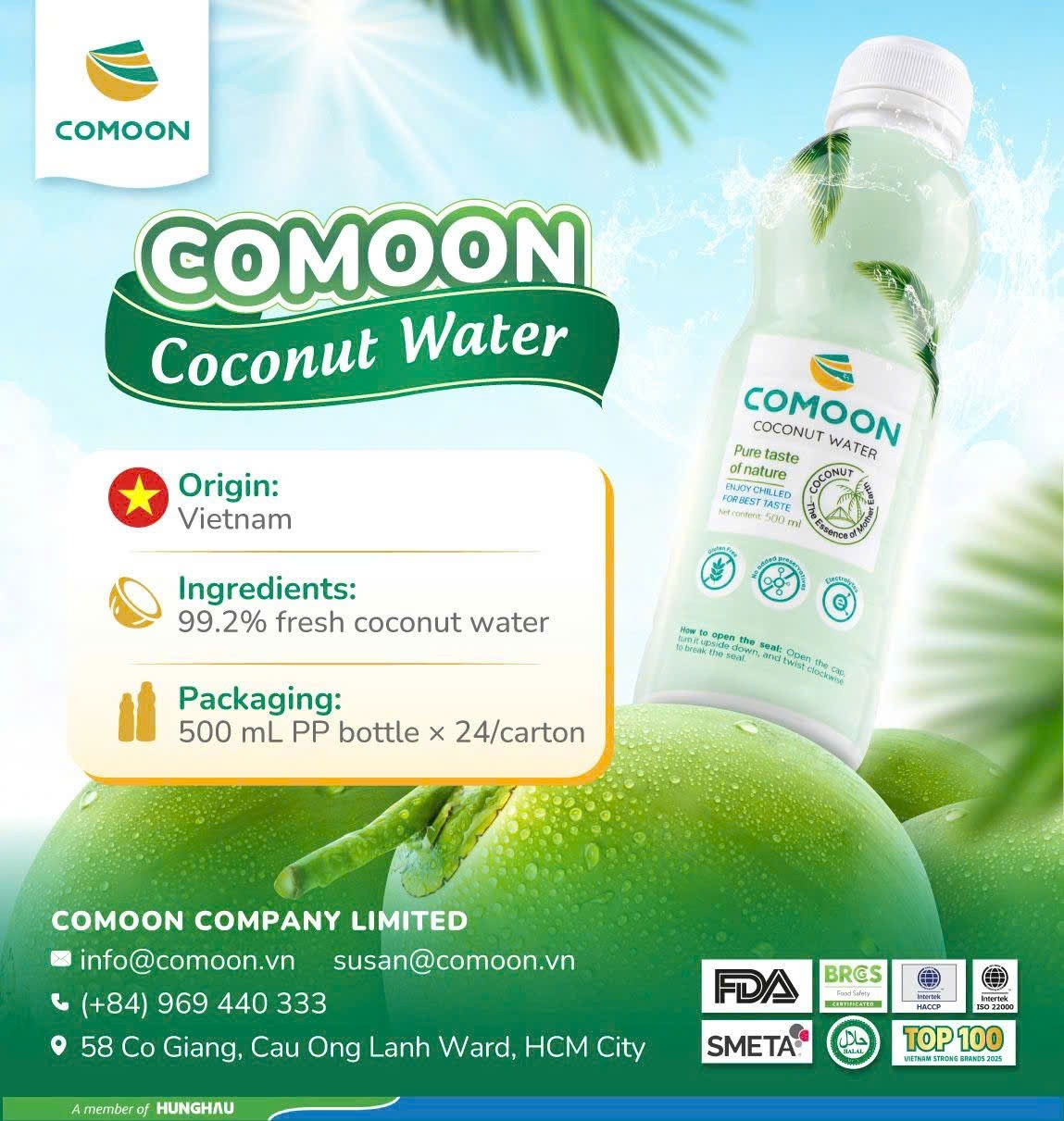
A diverse coconut product portfolio: COMOON supplies RTD coconut water as well as industrial coconut ingredients, including frozen coconut water, frozen coconut milk, desiccated coconut, coconut milk powder and coconut oil. Importers can start with one product line and expand their coconut portfolio as market demand grows without having to find a new supplier.
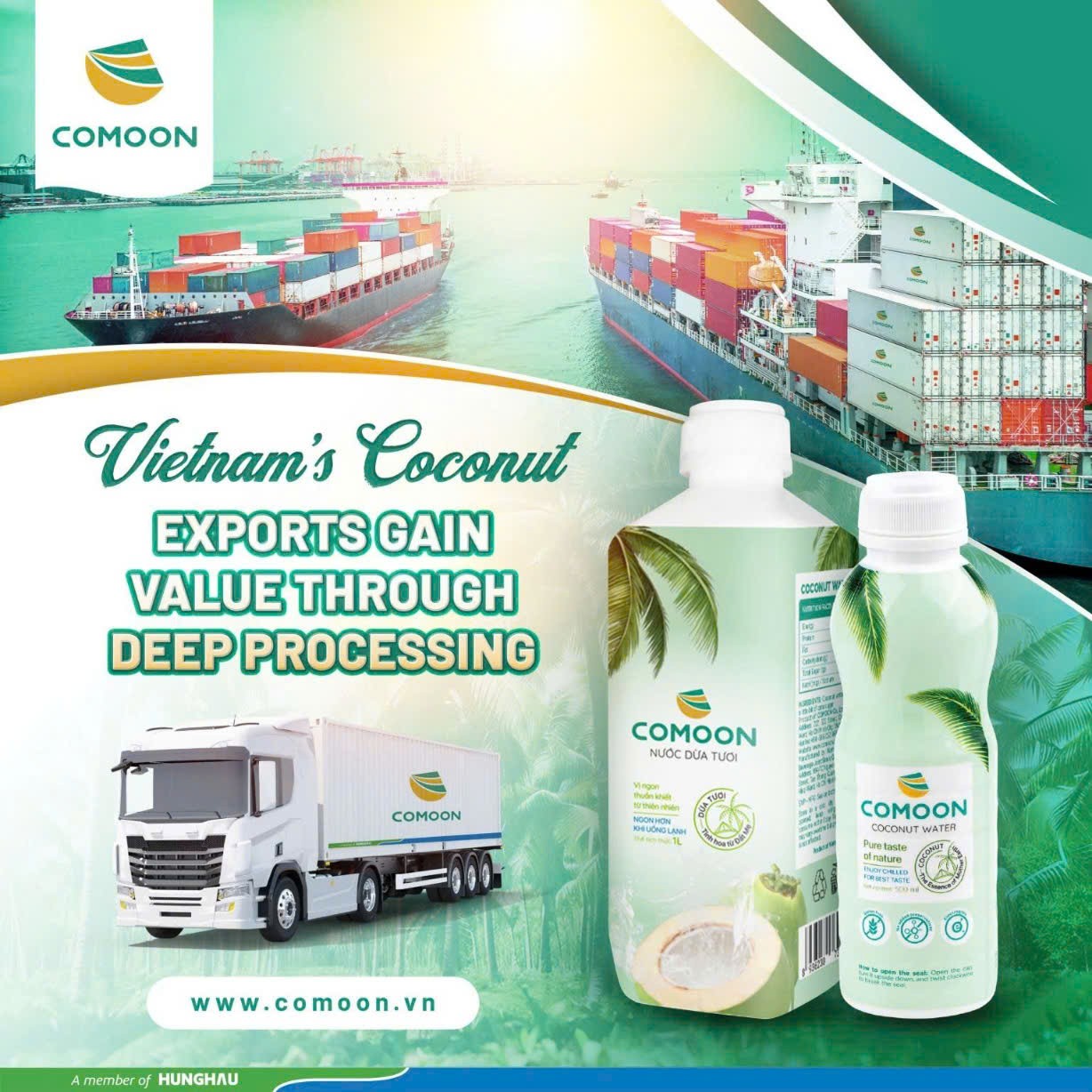
COMOON offers coconut water and industrial coconut ingredients for export to more than 40 countries
Flexible OEM and private label services: COMOON supports OEM and private label production according to customer requirements. Packaging formats include PP bottles, Tetra Prisma cartons, PA bags and cartons, depending on the product and customer specifications.
Frequently asked questions
1. What is the MOQ for COMOON coconut water?
MOQ depends on the product type and packaging format. Importers can contact COMOON’s export team for specific MOQ requirements and quotations.
2. Does COMOON offer private label and OEM services?
Yes. COMOON provides private label and OEM services, including packaging consultation, customized production and sample development before the contract is finalized.
3. What certifications does COMOON have?
COMOON’s factory and products meet BRCGS, FSSC 22000, FDA and HALAL requirements. Certification documents are available to partners upon request.
4. How is coconut water packaged for export?
Finished coconut water is available in PP bottles and Tetra cartons. Industrial coconut water ingredients are packed in PA bags, cartons or larger formats depending on the product.
5. What is the shelf life of COMOON coconut water?
Shelf life depends on the product type and packaging format. Frozen coconut water stored at -18°C has a shelf life of 12 months from the date of production.
6. Can COMOON supply both finished coconut water and industrial ingredients?
Yes. COMOON supplies finished coconut water in PP bottles and Tetra cartons, as well as industrial ingredients such as frozen coconut water and frozen coconut water concentrate. Importers can source both product groups from the same supplier.
A coconut water supplier has a direct impact on final product quality, supply continuity and the ability to meet target-market requirements. Key evaluation criteria include food safety certifications, production capacity, packaging options and control over the raw material supply chain.
COMOON has shared key criteria for choosing a coconut water supplier in Vietnam, along with an overview of coconut water product categories, quality certifications and supply capabilities. To request samples, technical specifications or a quotation, please contact COMOON’s export team directly.
CONTACT INFORMATION:
COMOON Co., Ltd.
58 Co Giang Street, Cau Ong Lanh Ward, District 1, Ho Chi Minh City, Vietnam
Hotline/WhatsApp: (+84) 969 440 333
Email: susan@comoon.vn
Website: comoon.vn
Share :
Customer comments
Other news
COMOON Co., Ltd.
58 Co Giang Street, Cau Ong Lanh Ward, District 1, Ho Chi Minh City, Vietnam
T: (+84) 366 053 666
- Business Registration No.: 0318171053
- Issued on November 17, 2023 by the Department of Planning and Investment of Ho Chi Minh City.

Copyright © 2024 COMOON


