




- Login
- Register


News
The latest updates from COMOON. Stay tuned to not miss any information!
How to Drink Coconut Water Properly: Health Benefits, Important Considerations, and Storage Tips
Monday, 05/10/2026, 04:01
With its light, sweet taste and high water content, coconut water has become a popular refreshing drink for many families. Besides helping cool the body, it also provides carbohydrates, potassium, sodium, vitamins, and minerals.However, coconut water is good for your health only when consumed properly. You should consider how much and when to drink it, your health condition, the foods you combine it with, and how you store it. This article will help you understand the main components of coconut water, who should drink it, who should limit it, and how to keep fresh coconut water tasty for longer.
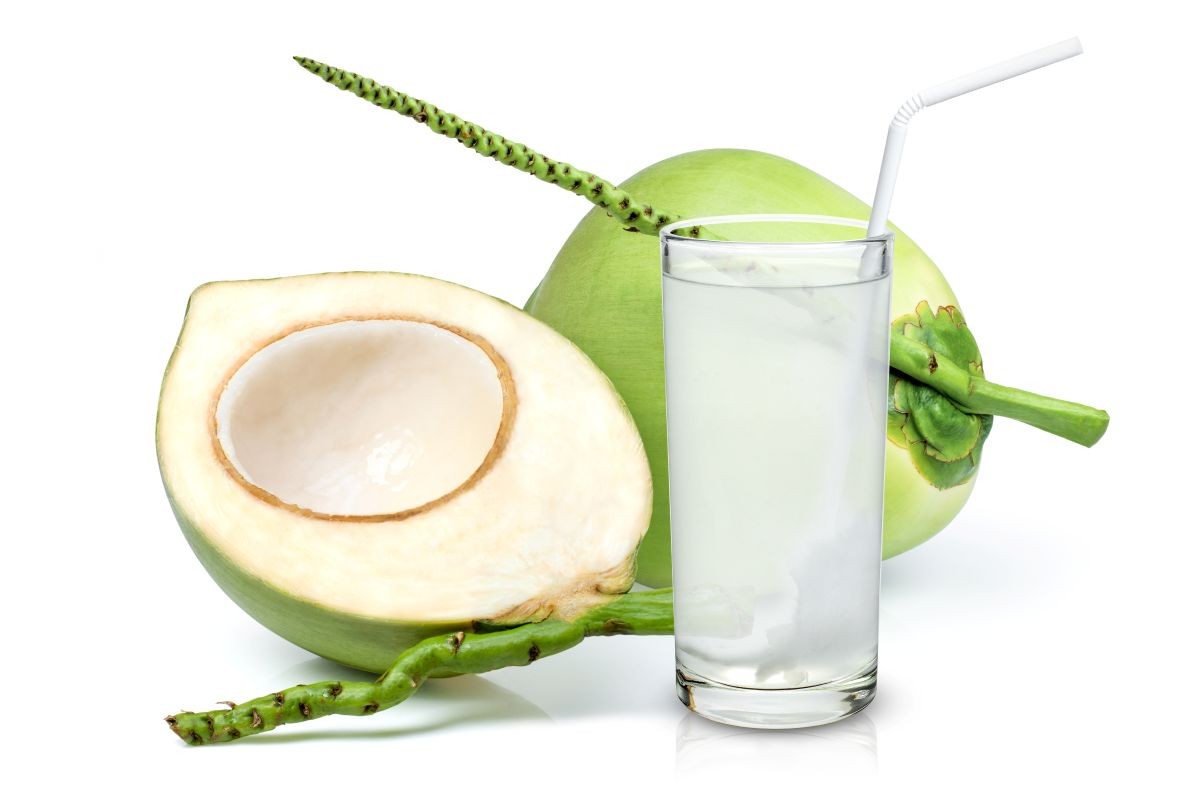
What Is in Coconut Water?
Coconut water is the natural liquid found inside a coconut. It is mainly made up of water, along with carbohydrates, natural sugars, and various minerals.
The nutritional content can vary depending on the type of coconut, how ripe the coconut is, and how it is stored. For bottled or canned coconut water, the processing method can also affect the product.
Coconut Water Nutrition Facts
A 240 ml serving of coconut water is relatively low in fat and calories it also provides carbohydrates and some minerals. Potassium is one of the key minerals found in coconut water.
|
Nutrient |
Amount per 240 ml
|
Role |
|
Calories |
About 45 kcal |
Provides energy |
|
Carbohydrate |
About 9 g |
Provides energy |
|
Natural sugars |
About 6 g |
Gives a sweet taste |
|
Fiber |
About 2–3 g |
Helps add fiber to the diet |
|
Protein |
About 2 g |
Helps build body tissues |
|
Fat |
Nearly 0 g |
Present in a very small amount |
|
Kali |
About 400–600 mg |
Helps maintain fluid balance and muscle function |
|
Natri |
About 50–60 mg |
Participates in electrolyte balance |
|
Magie |
A small amount |
Helps maintain electrolyte balance |
|
Canxi |
A small amount |
Helps support bones and muscle function |
|
Vitamin C |
A small amount |
Helps protect cells from damage |
The actual amount of nutrients may vary between different types of coconut water. For bottled or canned coconut water, it is best to check the nutrition facts provided by the manufacturer.
Coconut water still contains carbohydrates and natural sugars, even when no added sugar is used. People who need to control their carbohydrate intake should include coconut water in their total daily intake.
Vitamins And Plant Compounds
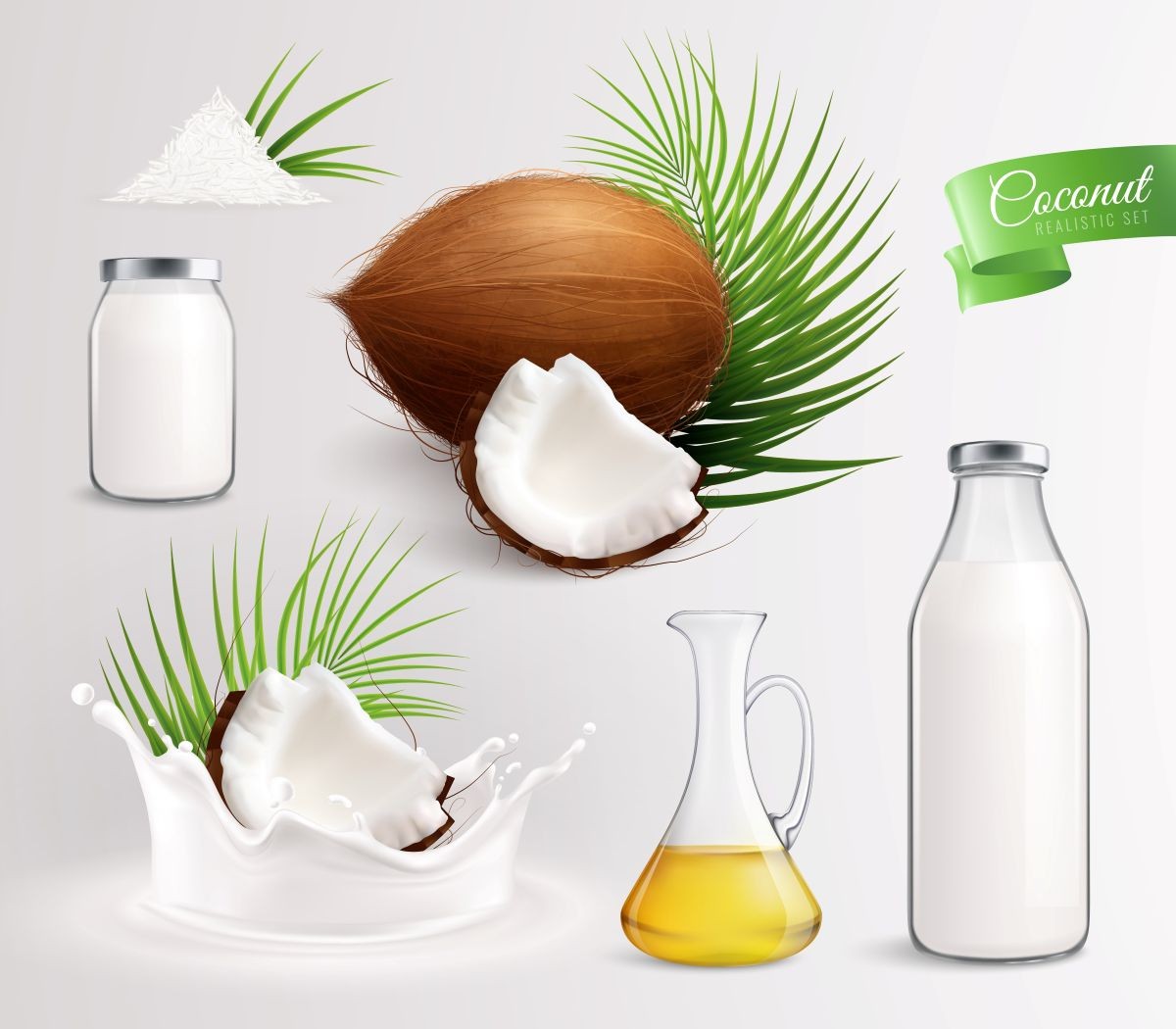
Besides minerals, coconut water also contains some vitamin C and B vitamins. Some plant compounds in coconut water are also being studied for their antioxidant effects and other possible health benefits. However, this does not mean that coconut water can replace vegetables or fruits.
A varied diet still needs different types of food to provide enough nutrients. If you drink bottled coconut water, check the ingredient and nutrition labels instead of relying only on advertising. Products with added sugar or other ingredients may have different nutritional values from pure coconut water.
Comparing Common Types Of Coconut Water
Food technology has made it easier for people to buy coconut water in different forms. Besides drinking fresh coconut water directly from the fruit, there are many bottled, canned, and reconstituted coconut water products available in stores.
To help you choose the right option, the table below compares the main types of coconut water:
|
Criteria |
Fresh Coconut Water
|
Bottled/Canned Coconut Water
|
Coconut Water from Concentrate |
|
Source |
Taken directly from the coconut |
Coconut water is collected, processed, and packaged |
Coconut water is made into a concentrated syrup and then mixed with water |
|
Processing |
Little processing before drinking |
Processed using UHT or pasteurization |
Goes through concentration and reconstitution |
|
Taste |
Depends on the type and ripeness of the coconut |
More consistent between products |
May taste different from fresh coconut water |
|
Ingredients |
Contains water, carbohydrates, minerals, and natural compounds |
Depends on the ingredients and production process |
Depends on the ingredients and concentration process |
|
Shelf life |
Short, especially after opening the coconut |
Longer due to processing and packaging |
Convenient for production and storage |
|
Convenience |
The coconut needs to be opened before drinking |
Easy to transport and drink |
Suitable for large-scale production |
|
When buying |
Choose whole coconuts with no cracks or signs of damage |
Check the ingredients, sugar content, and expiration date |
Check the label for information about concentrate or reconstitution |
Fresh coconut water can change quickly after it is removed from the coconut because of contact with the environment, enzymes, and microorganisms. This is why commercial products need proper processing and storage methods.
Bottled coconut water should not automatically be considered less nutritious than fresh coconut water. The changes depend on the processing method used. Different methods can have different effects on the quality and taste of the product.
How to Drink Coconut Water Properly

Recommended Daily Amount
- Healthy adults: A suitable amount is about 250–500 ml per day, equal to 1–2 glasses or one medium coconut.
- Do not replace plain water: Coconut water should not completely replace your daily need for plain water, which is about 1.5–2 liters per day. Coconut water contains calories and sugar, so drinking too much may add unnecessary calories.
- Choose plain coconut water: Fresh or plain coconut water is the better choice. Try to avoid adding sugar, condensed milk, or syrup, as these can increase the calorie content.
When Is the Best Time to Drink Coconut Water?
Drinking coconut water at the right time may help you get the most from it.
- In the morning: Coconut water provides electrolytes and may help you start the day. It also contains compounds such as cytokinin and lauric acid. Start with a moderate amount. If you have a sensitive stomach, it is better to drink it after a meal instead of on an empty stomach.
- 30 minutes before a meal: A small amount of about 100–150 ml may be suitable. Avoid drinking too much, as it may cause bloating and make you feel full before the meal.
- After exercise: Coconut water provides water, potassium, magnesium, and sodium, which can help replace some fluids after exercise. However, a study in the Journal of Physiological Anthropology found that coconut water was not much different from plain water or sports drinks for hydration. After high-intensity exercise with heavy sweating, you may still need an additional source of sodium.
Who Should Drink Coconut Water?
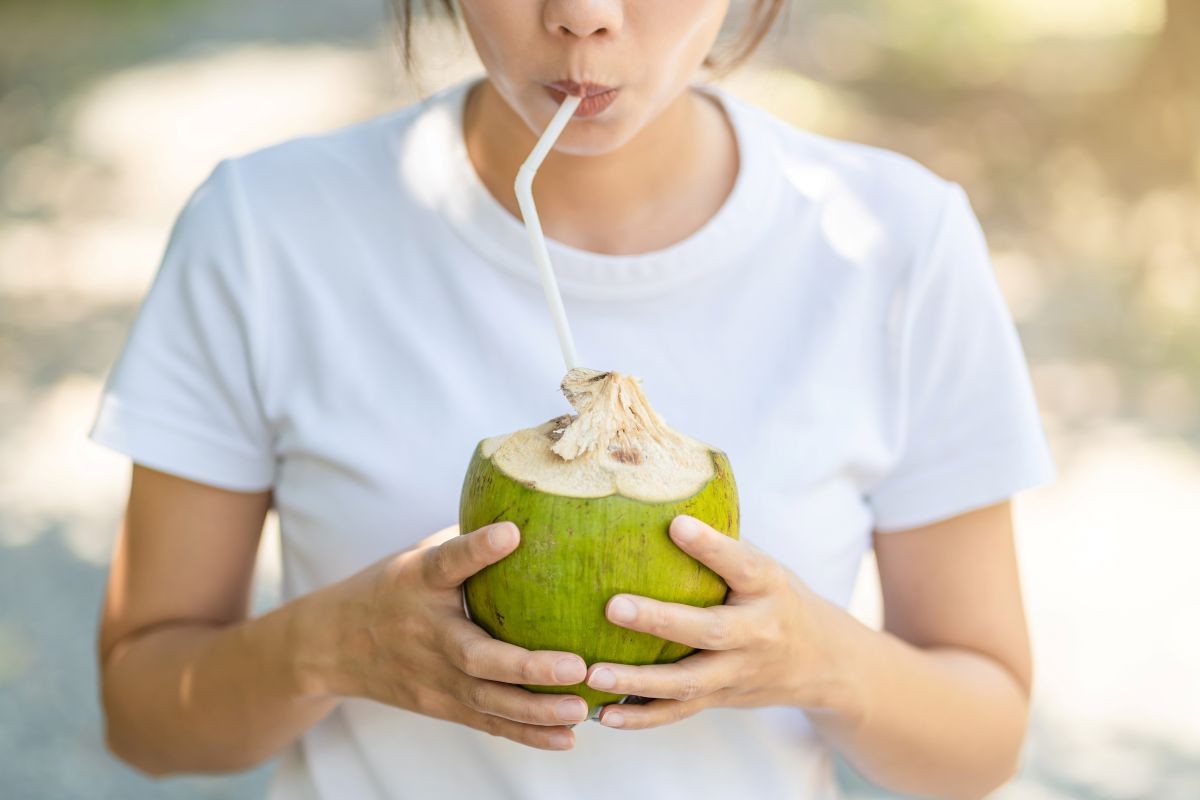
Coconut water can be part of the diet of many healthy people. However, the right amount and how well the body can handle it may be different for each group:
-
People who exercise or work outdoors: Coconut water can help replace some water and minerals lost through sweat. It is most suitable for light exercise or as part of a hydration plan. During long activities with heavy sweating, extra sodium may be needed because the electrolytes in coconut water may not be enough.
-
People who want to reduce sugary drinks: Plain coconut water can be a good alternative to soft drinks and other drinks with added sugar. However, it should still be consumed in moderation because coconut water contains natural sugar. When buying bottled products, choose options with no added sugar.
-
Healthy adults: Coconut water can be part of a varied diet and provide water, carbohydrates, and minerals. Pay attention to the amount you drink, do not use it as a complete replacement for plain water, and start with a small amount if you are not used to drinking it.
-
Pregnant women: There is no need to avoid coconut water during pregnancy, and the idea that it should not be consumed during the first three months is not a rule that applies to everyone. Its use should depend on the mother's health condition. Pregnant women with gestational diabetes, kidney disease, or special dietary needs should talk to a doctor before drinking it regularly.
How Should People with Health Conditions Limit Coconut Water?
Coconut water contains potassium and carbohydrates, so some people with certain health conditions may need to limit the amount they drink. The right amount depends on their health condition, diet, and treatment plan.
|
Group |
Why Be Careful?
|
How to Use
|
|
People with kidney disease |
Kidney problems can make it harder for the body to remove potassium. |
Do not drink too much without medical advice. If you need less potassium, count coconut water as part of your daily potassium intake. |
|
People with diabetes |
Coconut water still contains carbohydrates and natural sugal |
Drink a suitable amount and include it in your daily carbohydrate intake. Choose products with no added sugar. |
|
People with nausea or diarrhea |
Drinking too much at once may cause bloating or discomfort. |
Drink slowly if you feel comfortable. Do not use coconut water instead of oral rehydration drinks. |
|
People who need to limit potassium or fluids |
Coconut water contains potassium and adds to your daily fluid intake |
Follow your doctor's or nutritionist's advice. Do not choose a daily amount on your own. |
When Should You Avoid Drinking Coconut Water?
Coconut water can be a healthy drink, but drinking it at the wrong time may cause discomfort. You should avoid or limit coconut water in the following situations:
-
When you feel bloated or have indigestion: Drinking more liquid when your stomach already feels full may make bloating worse.
-
When you feel nauseous or are vomiting a lot: Drinking a large amount of coconut water quickly may be hard on your stomach. Take small sips instead. If you have severe dehydration or keep vomiting, seek medical care instead of using only coconut water.
-
When you are tired after being outside in the sun: Some people may feel uncomfortable when they drink a large amount of cold coconut water right after coming in from the heat. It is better to rest for 10–15 minutes and let your body cool down before drinking small amounts.
-
When the coconut water looks or smells spoiled: Do not drink coconut water if it has a strong sour smell, changes color, has a film, shows mold, or looks fermented. Do not taste it to check. Throw it away to stay safe.
Common Mistakes When Drinking Coconut Water with Other Foods
There is no strong evidence that coconut water should not be combined with many common foods. The more important points are the amount of sugar, calories, potassium, and how well your body can digest the foods together.
-
Adding too much sugar or condensed milk: Coconut water already has natural sugar. Adding sugar or condensed milk increases calories and added sugar, which may not be a good choice for people who want to lose weight or control blood sugar.
-
Drinking it with other sugary drinks: Having coconut water together with milk tea, soft drinks, or juice with added sugar can increase your total sugar intake.
-
Drinking it with a very fatty meal: Drinking a lot of coconut water with oily foods may make digestion harder and cause bloating or discomfort for some people.
-
Having it with too many high-potassium foods: Healthy people do not usually need to worry about this. However, people with kidney disease or those who need to limit potassium should consider their total daily potassium intake from coconut water, vegetables, fruits, and beans based on their doctor's advice.
How Is Coconut Water Good for Your Health?
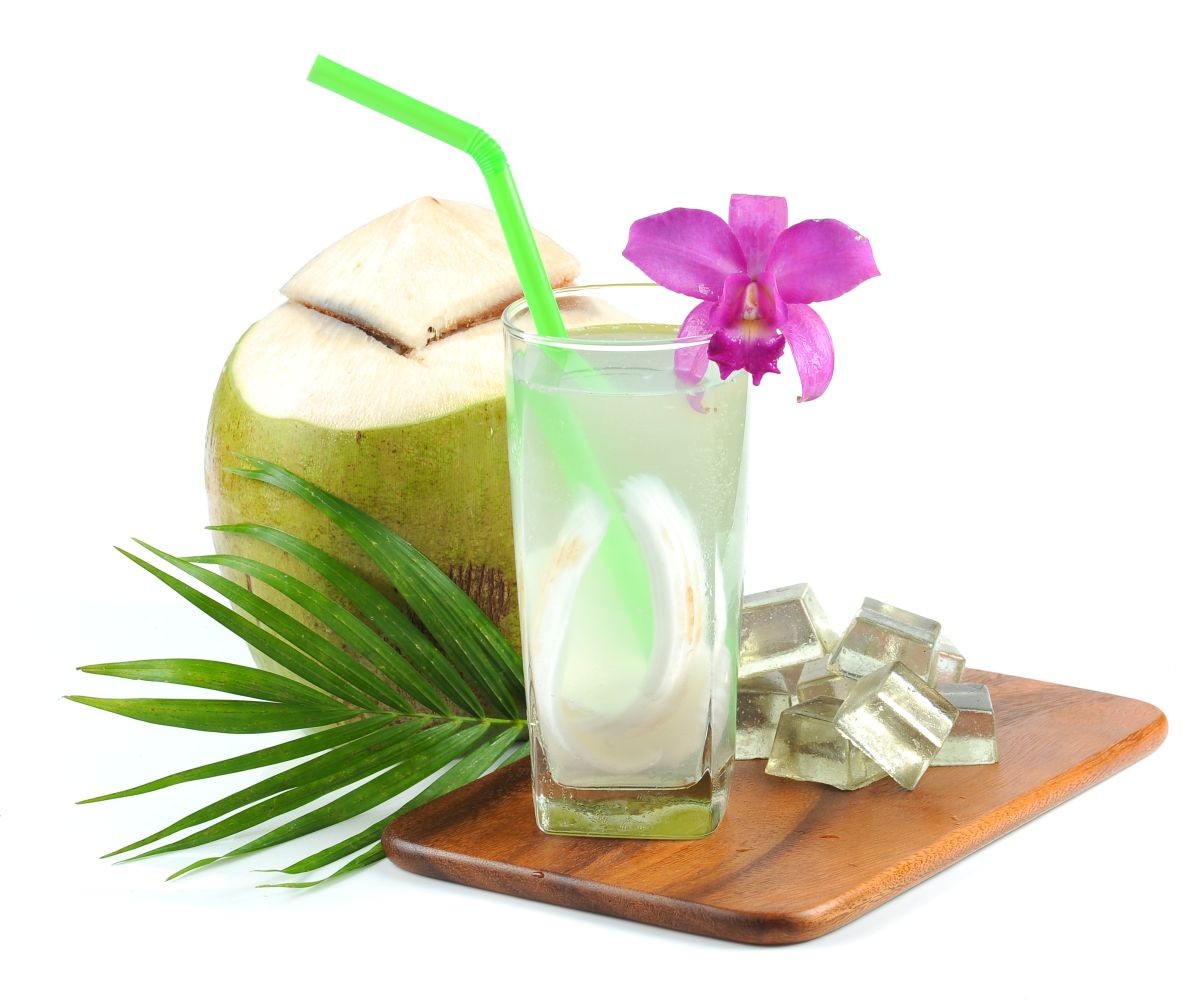
Coconut water can provide useful nutrients such as water, carbohydrates, and essential minerals. However, it is not a medicine and should not replace medical treatment.
-
Helps replace fluids and electrolytes: Coconut water contains a lot of water, as well as potassium and sodium. It can help replace fluids after exercise. However, after long and intense exercise, you may need a more complete electrolyte drink.
-
Provides potassium: The potassium in coconut water helps support fluid balance and muscle function. However, you should not drink too much just to get more potassium. A varied diet is still important. People with kidney disease should talk to a doctor about the right amount to drink.
-
A better choice than sugary drinks: Choosing plain coconut water instead of soft drinks or other sugary drinks can help reduce added sugar. When buying bottled coconut water, choose products with no added sugar. You should also control the amount you drink because coconut water contains natural sugar.
Can Coconut Water Help with Weight Loss?
Coconut water does not directly burn fat or cause weight loss. Weight loss depends on your total calorie intake, diet, and level of physical activity.
Coconut water may help with weight control when you use it instead of drinks with a lot of added sugar. This can help reduce the amount of sugar and calories you get from drinks. However, drinking too much coconut water or adding sugar, condensed milk, or syrup will increase your calorie intake. Therefore, drinking more coconut water does not mean you will lose more weight.
How to Store Coconut Water
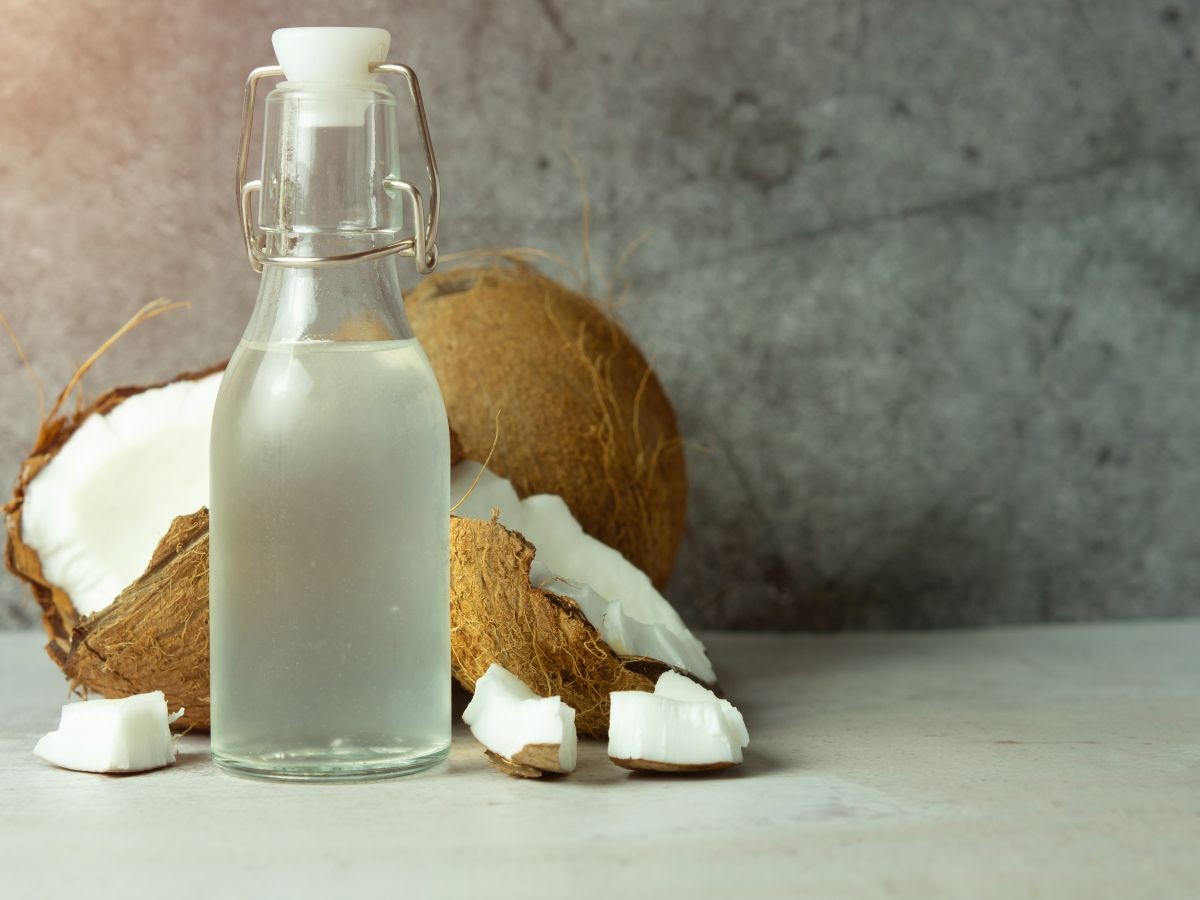
Fresh coconut water can change more quickly after the coconut is opened because it comes into contact with air, containers, and the outside environment. Proper storage can help reduce the risk of spoilage and keep the coconut water tasting fresh. Once opened, it is best to drink coconut water as soon as possible instead of storing it for too long.
Coconut Water Storage Guide
|
Type of Coconut Water |
Storage Conditions |
Recommended Time
|
|
Whole coconut |
Keep in a dry place away from direct sunlight. For longer storage, keep it in the refrigerator at 4–8°C. |
2–5 days at room temperature |
|
Opened coconut |
Pour into a clean glass bottle or sealed container and keep in the refrigerator. |
24–48 hours (best within the first 12 hours) |
|
Frozen coconut water |
Divide into ice trays or suitable food containers and freeze. |
1–2 months (best for smoothies or cooking) |
|
Unopened bottled/canned coconut water |
Follow the storage instructions on the package. |
Follow the expiration date and storage instructions from the manufacturer |
|
Opened bottled/canned coconut water |
Close tightly and keep refrigerated. |
Follow the recommended time on the package |
These storage times should not be considered exact safety limits for every type of coconut water. Temperature, cleanliness, packaging, and the original quality of the product can all affect how long it stays safe to use. The FDA recommends refrigerating foods that need to be kept cold within 2 hours, or within 1 hour when the temperature is above 32°C.
How to Store a Whole Coconut
Keep whole coconuts in a clean, dry place away from direct sunlight. When buying coconuts, choose ones without cracks, leaks, or signs of mold.
How to Store Opened Coconut Water
After opening a coconut, pour any leftover coconut water into a clean bottle or sealed container and refrigerate it as soon as possible. For fresh coconut water, 24–48 hours can be used as a general guide when it is stored properly in the refrigerator. However, its actual quality should also be checked by looking at its smell, color, and appearance.
Do not leave opened coconut water at room temperature for too long. The FDA recommends not leaving foods that can spoil at room temperature for more than 2 hours, or more than 1 hour when the temperature is above 32°C.
How to Freeze Coconut Water
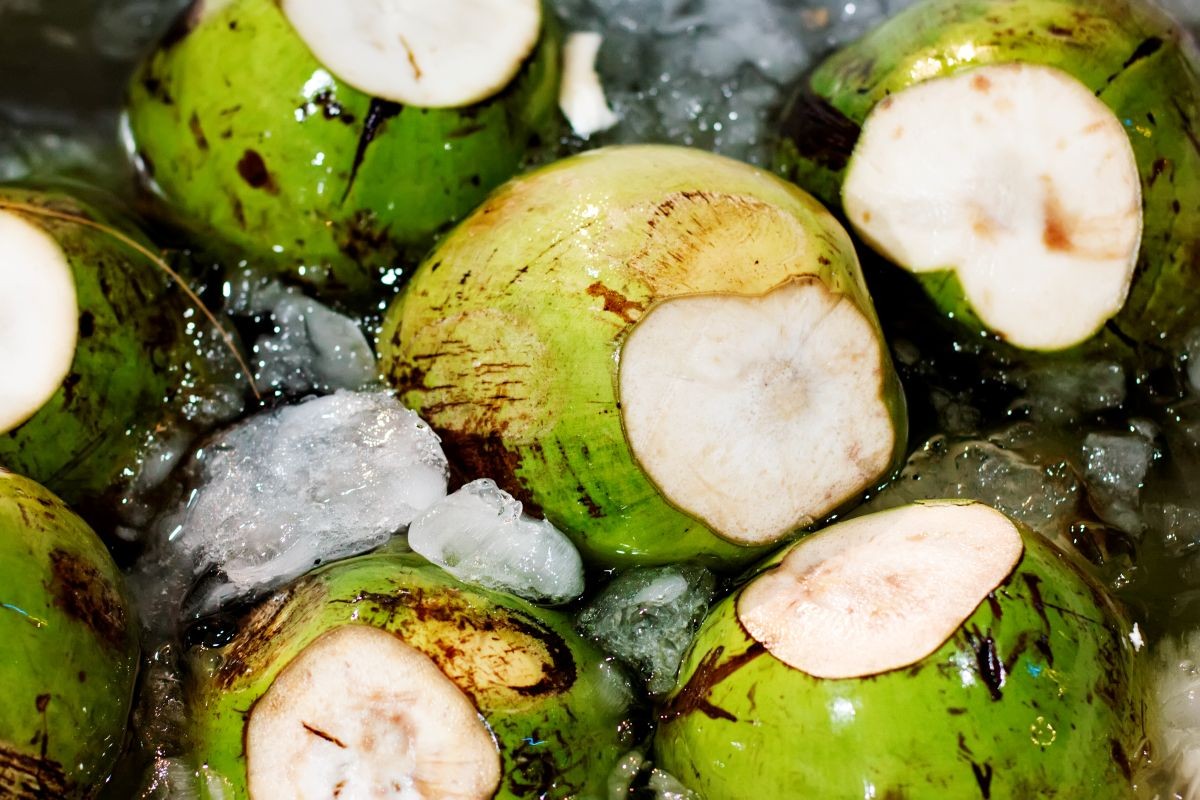
If you want to keep coconut water for longer, divide it into small portions and use containers or bags made for freezing food. After thawing, coconut water can be used in smoothies or other drinks. However, its texture and taste may change compared with freshly opened coconut water.
How to Tell If Coconut Water Has Gone Bad
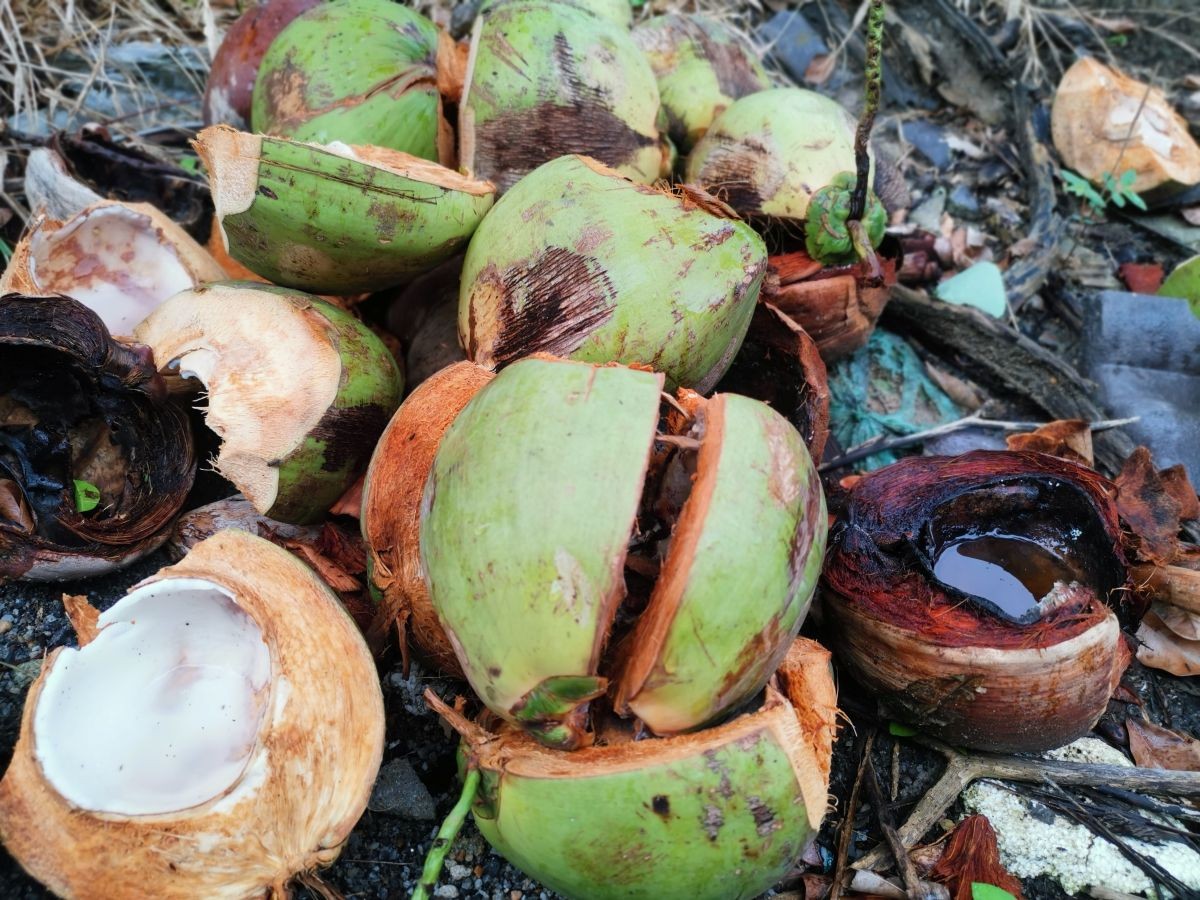
Fresh coconut water can be easily affected by microorganisms and high temperatures. To stay safe, check it carefully and stop drinking it if you notice any of the following signs:
-
Unusual smell or taste: The coconut water has a strong sour smell, a fermented smell like alcohol, or a bad, rotten smell.
-
Changes in color or appearance: The coconut water becomes dark or cloudy, has a cloudy film floating on the surface, keeps producing bubbles, or has mold.
-
Signs of spoilage on the coconut: The coconut stem is very dark and soft, the shell is cracked and leaking, or there is liquid coming from the shell.
Tips for Choosing Fresh Coconut Water
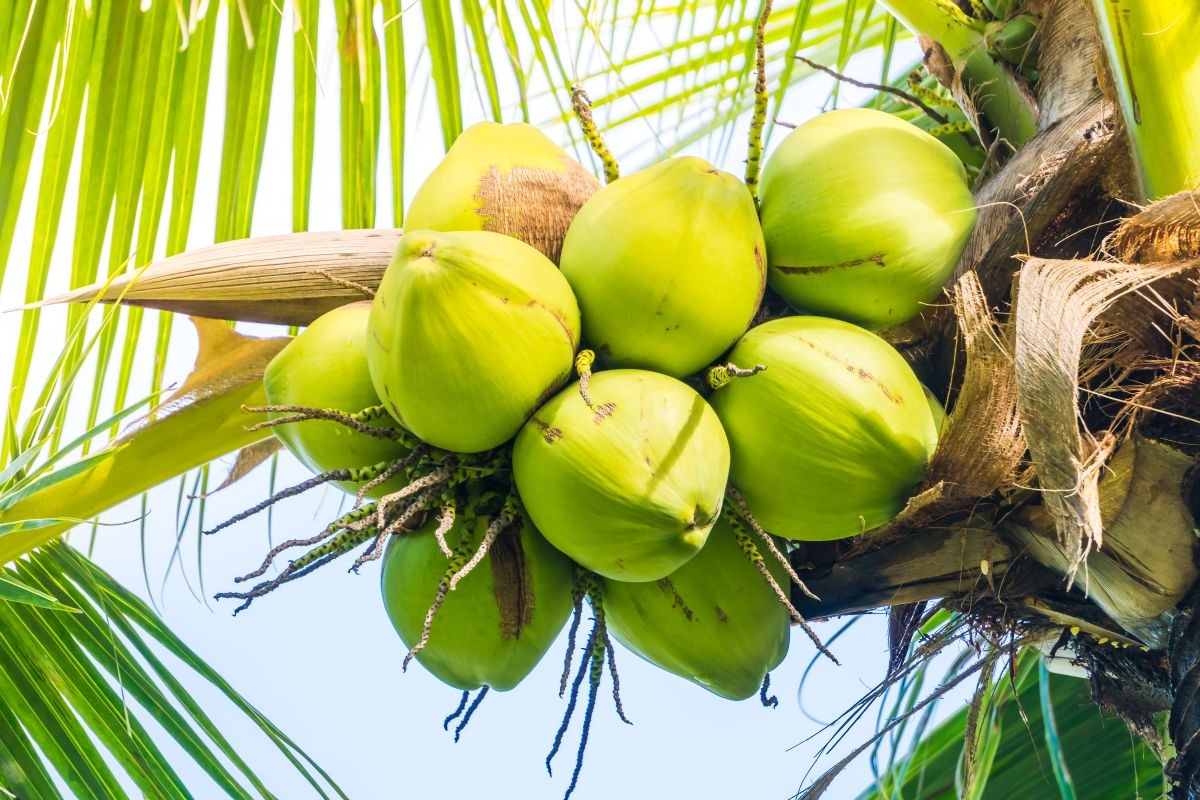
When choosing a fresh whole coconut, look for coconuts with a fairly clean and undamaged shell. Avoid coconuts with cracks, bruises, or mold. The coconut stem should look fresh and should not be soft or have a strange smell.
Tapping or knocking on the coconut shell is a traditional way to check its quality, but it should not replace checking the coconut carefully. For ready-to-drink coconut water in cups or bottles, choose products with a clear source, clean packaging, and proper refrigeration.
Frequently Asked Questions About Coconut Water
1. Does drinking coconut water at night cause weight gain or trouble sleeping?
Drinking coconut water at night does not directly cause weight gain if you do not consume more calories than your body needs during the day. However, coconut water may make you urinate more often and contains natural sugar. Therefore, avoid drinking too much or drinking it right before bed to reduce the chance of waking up at night to use the bathroom.
2. How long can fresh coconut water stay in the refrigerator?
Opened fresh coconut water should be kept in a clean, sealed glass bottle and is best consumed within the first 12 hours. When stored in the refrigerator at 4–8°C, it can generally be used within 24–48 hours. Do not drink it if it has a sour smell or a film on the surface.
3. Can pregnant women drink coconut water during the first three months?
The idea that pregnant women must completely avoid coconut water during the first three months is not supported by strong scientific evidence. Pregnant women with a healthy pregnancy can drink a moderate amount. However, morning sickness and bloating are common during this period, so it is best to ask a doctor about the right amount for your health condition.
4. Can people with stomach problems or those taking blood pressure medicine drink coconut water?
People with stomach problems should drink small amounts after meals and avoid drinking it on an empty stomach. For people taking blood pressure medicine, coconut water can provide potassium but cannot replace medicine. Always follow your doctor's treatment plan.
5. Can coconut water replace oral rehydration solution when you have a fever or diarrhea?
No. Coconut water contains electrolytes, but the amounts of sodium and potassium are not the same as the balanced formula used in oral rehydration solutions such as ORS. In cases of severe dehydration caused by a high fever or diarrhea, a proper oral rehydration solution should be used.
Conclusion
Coconut water is a natural drink that can help provide water and some minerals to the body. To get these benefits, drink it in moderate amounts, choose plain coconut water, and avoid adding sugar.
You should also pay attention to when you drink it, who should drink it, and how you store it. People with kidney disease, diabetes, or a need to control potassium should be more careful when drinking coconut water. Fresh coconut water should also be refrigerated after opening and used soon to maintain its quality.
In short, drinking coconut water properly does not mean drinking as much as possible. The important thing is to choose an amount that suits your needs and health condition.
Share :
Customer comments
Other news
COMOON Co., Ltd.
58 Co Giang Street, Cau Ong Lanh Ward, District 1, Ho Chi Minh City, Vietnam
T: (+84) 366 053 666
- Business Registration No.: 0318171053
- Issued on November 17, 2023 by the Department of Planning and Investment of Ho Chi Minh City.

Copyright © 2024 COMOON


