



- Login
- Register


News
The latest updates from COMOON. Stay tuned to not miss any information!
IS BOTTLED COCONUT WATER GOOD FOR YOU? 5 THINGS TO KNOW BEFORE YOU BUY
Friday, 20/11/2026, 06:08
Bottled coconut water offers a convenient, time-saving way to enjoy the delicious taste of coconut water. Yet many consumers still have reservations about drinking it. So, is bottled coconut water good for you? And what should you look for when choosing one?
Is Bottled Coconut Water Good for You?
With its refreshing taste and grab-and-go convenience, bottled coconut water has become a popular everyday drink. Coconut water provides fluid and electrolytes such as potassium and sodium, though the amounts vary from product to product.
So, is bottled coconut water good for you? That depends on the product you choose and how you drink it. Before you buy, check the label for the percentage of coconut water, look for added sugars in the ingredient list, and review the nutrition information. Choosing a product with a clearly stated origin, following the storage instructions, and drinking an amount that suits your needs can help you enjoy the flavor you love as part of a balanced diet.
5 Things to Know Before You Buy Bottled Coconut Water
A great-tasting coconut water can win you over from the first sip, but flavor is only one part of the decision. Before you buy, take a moment to check what’s in the bottle, where it comes from, and what else the label tells you.
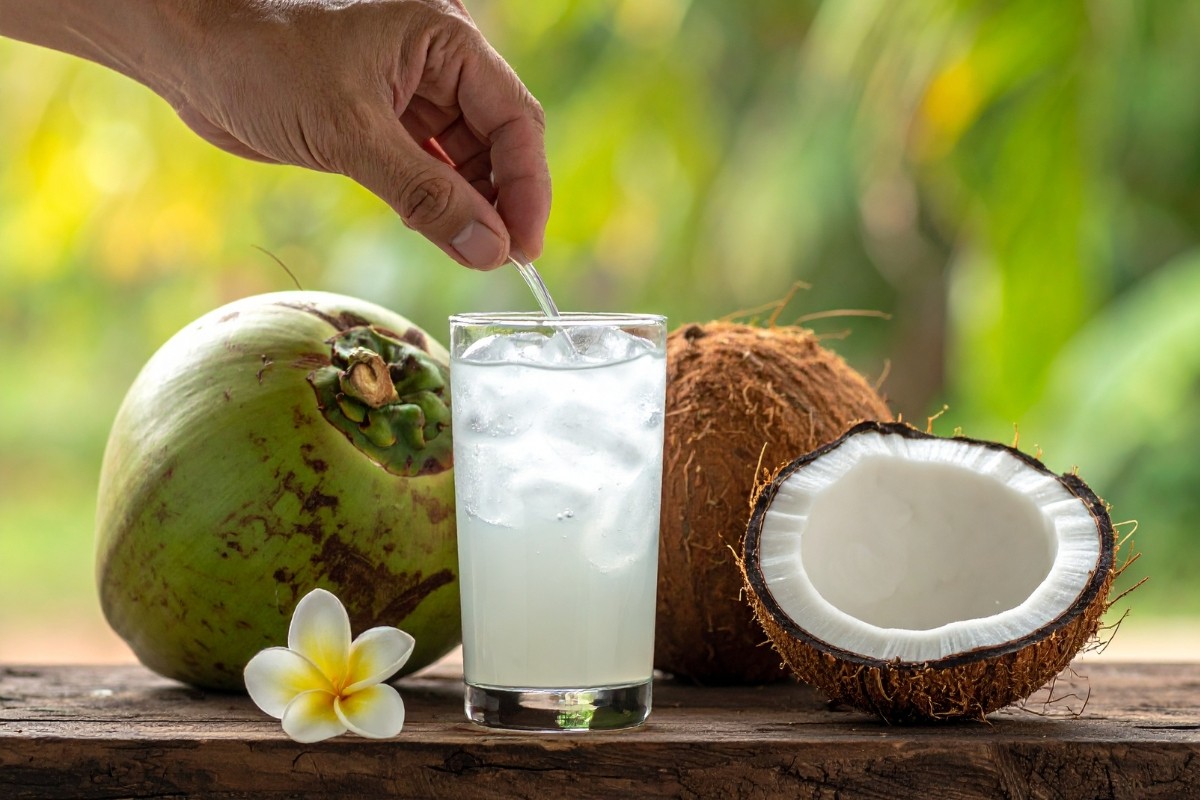
Coconut Water Content and Added Sugars
The ingredient list tells you what goes into the bottle. Check the stated percentage of coconut water and see whether the product contains added sugars, flavorings, or other ingredients. These details can help you choose a product that suits your needs. Even when the label says “no added sugar,” the drink still contains the sugars naturally present in coconut water.
Nutritional Value
The nutrition label shows how many calories and how much sugar a serving provides, along with the amounts of any other nutrients listed. Nutritional values can vary from one bottled coconut water to another because each product may use different ingredients or a different recipe.
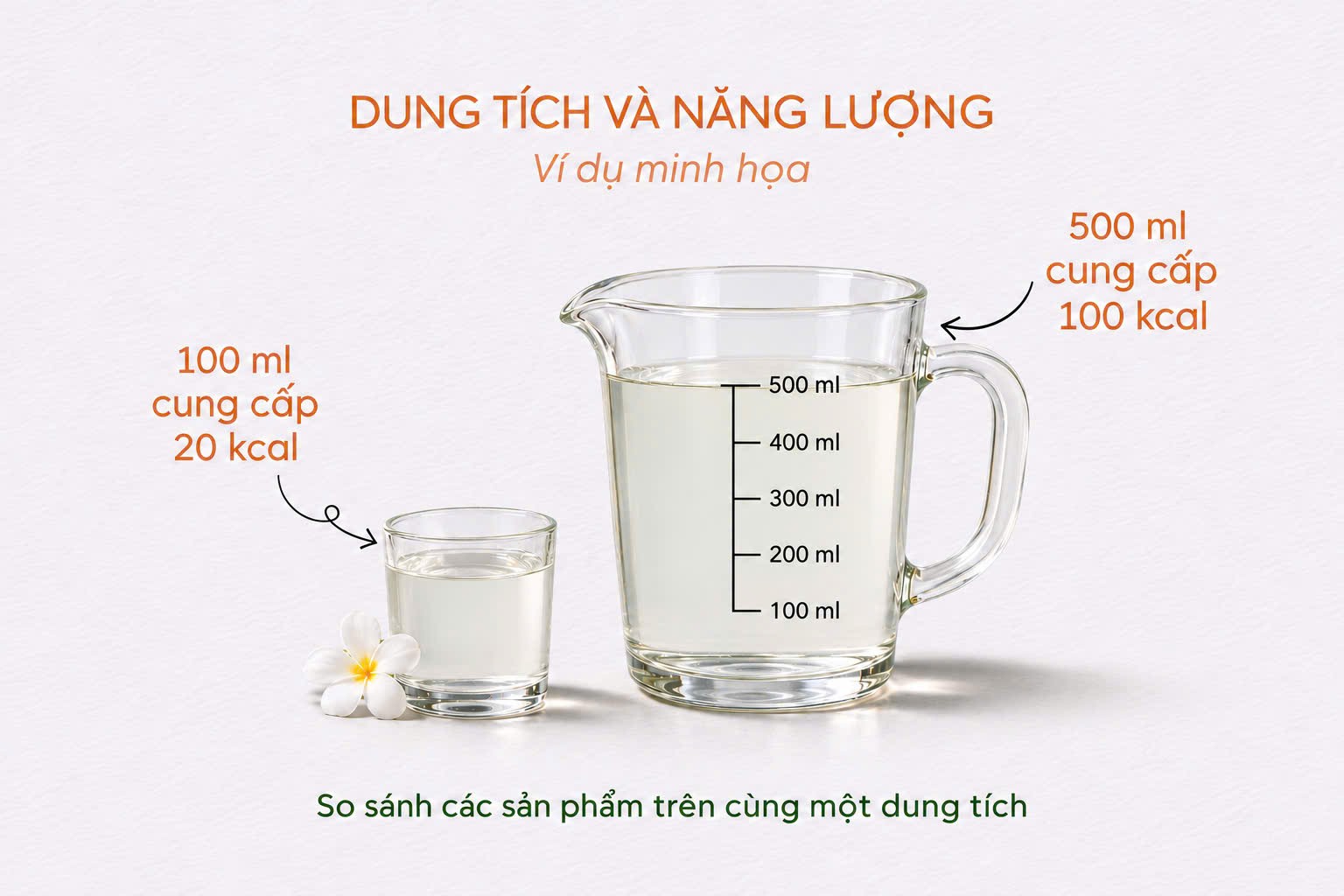
When reading the nutrition label, check whether the figures are given per 100 ml, per serving, or per bottle. For example, if 100 ml provides 20 kcal, drinking an entire 500 ml bottle gives you 100 kcal. When comparing products, use the same volume for each, then consider how much you plan to drink and how it fits your energy needs.
Where the Coconuts Come From and Who Makes the Product
It’s also worth checking where the coconuts are grown and who makes the finished product. For example, coconut water made from coconuts grown in Ben Tre may be processed and bottled elsewhere. A brand may produce its own coconut water or work with a separate manufacturer.
Check the packaging for the names and addresses of both the manufacturer and the company responsible for the product. If needed, cross-check these details through the brand’s official channels. Clear, consistent information makes it easier to learn more, contact the right company for support, and make a choice that takes more than the origin of the coconuts into account.
COMOON bottled coconut water, for example, is a product of COMOON Co., Ltd. Made with coconuts from Ben Tre, it has a light sweetness and a delicate coconut aroma. The label identifies the manufacturer and the company responsible for the product and provides contact details, making it easy to find out more before you buy.
Production Process and Quality Control
Quality control should cover every stage of bottled coconut water production, from selecting the coconuts through processing and packaging. When evaluating a product, look for information the brand shares about its production technology, the testing it carries out, and the standards it follows.

If a certificate or test report is available, check what it covers. A management system certificate shows how the factory manages quality control, while a test report gives the results for the specific sample tested. Understanding the scope of each document helps you interpret the information and make an informed choice.
Food safety certification is the first thing importers should check. Specific requirements vary by target market. The following standards, certifications, and certification bodies are widely recognized in international food supply chains.
FSSC 22000 draws on ISO standards to provide a framework for managing food safety risks and maintaining traceability throughout the supply chain.
Halal certification is particularly important for suppliers targeting markets with large Muslim populations, including countries in the Middle East and Southeast Asia.
SGS is an organization that audits and certifies management systems. Its certification helps suppliers demonstrate to business partners that their systems meet the requirements of the standard named on the certificate.
BRCGS is a food safety standard that many major retailers worldwide use to assess suppliers. Facilities certified to the standard must maintain food safety and quality controls throughout the production process.
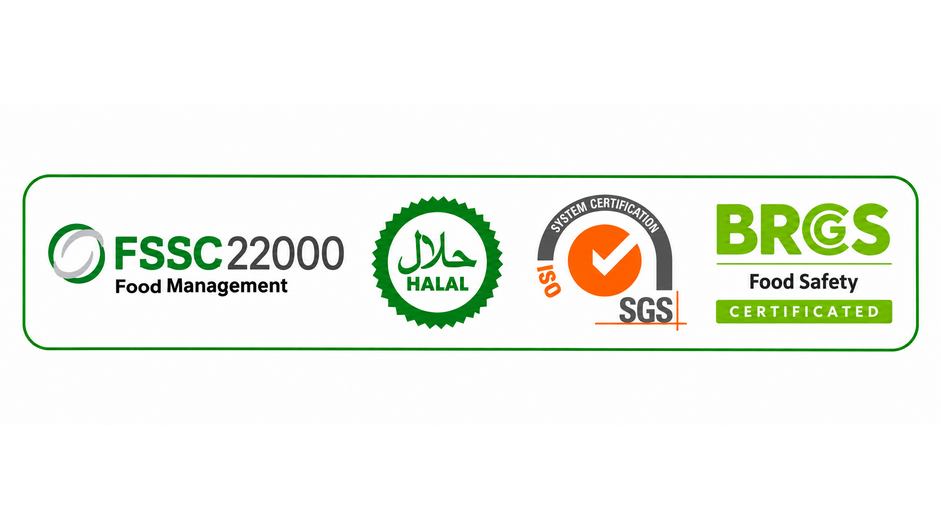
Logos of certification schemes and bodies in the international food supply chain.
Packaging, Expiration Dates, and Storage Conditions
Check that the bottle is intact, the cap is tightly sealed, and there are no leaks or signs of unusual swelling. The production date, expiration date, and storage instructions should be easy to read so you can decide whether to buy and use the product.
Pay particular attention to how long the coconut water keeps after opening. The printed expiration date applies to the unopened bottle. Even if that date is months away, once you open the bottle, follow the manufacturer’s instructions on storage temperature and how soon to finish it. These instructions can vary by product.
For example, a label may tell you to store the unopened bottle in a cool, dry place, then refrigerate it after opening and finish it within two days. That two-day limit applies even if the printed expiration date is still months away. If the coconut water changes color or develops an unpleasant odor, discard it.
Who Is Bottled Coconut Water a Good Choice For?
Bottled coconut water is a convenient choice for anyone who enjoys the light sweetness of coconut water. For office workers and people with busy schedules, it saves preparation time and is easy to enjoy during a break. You can also take a bottle along when traveling, heading out for a picnic, or spending the day on the go, as long as you can store it as directed on the label.
If you’re allergic to coconut or any other ingredient in the product, avoid drinking it. If you have kidney disease or high blood potassium, or if you’ve been advised to limit your potassium or fluid intake, ask your doctor whether coconut water is suitable for you and, if so, how much you can drink.
COMOON Bottled Coconut Water Made with Coconuts from Ben Tre
Coconuts from Ben Tre give COMOON bottled coconut water its distinctive character, with a light sweetness and delicate coconut aroma familiar to Vietnamese consumers. COMOON makes it easy to enjoy that familiar taste, even on a busy day. Each bottle brings the flavor of Vietnam’s coconut-growing region into everyday life.
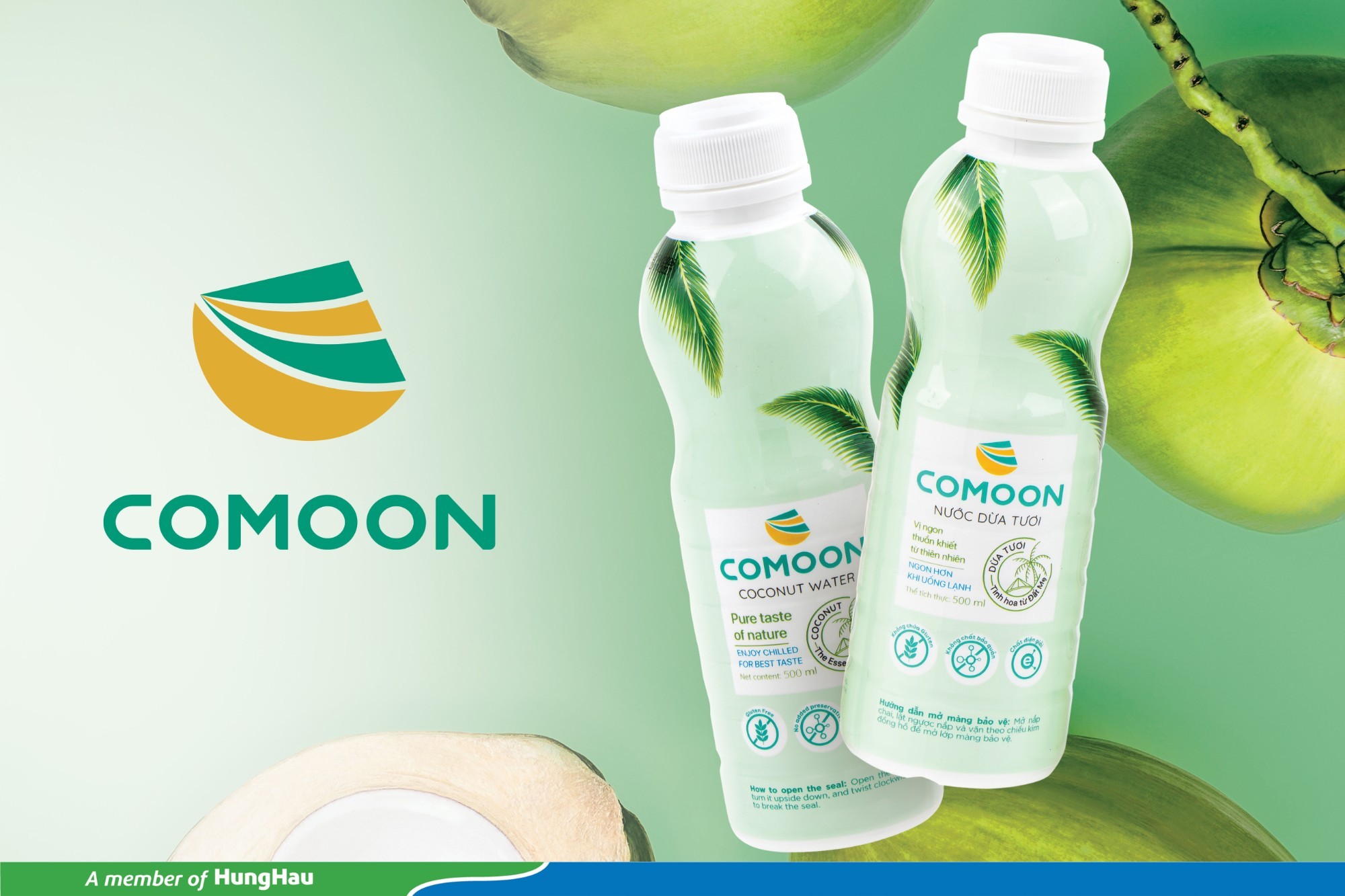
COMOON uses coconuts from Ben Tre to bring the region’s familiar coconut flavor to its bottled coconut water. For COMOON, sourcing coconuts from Ben Tre is both a hallmark of the brand and a reflection of its ties to Vietnamese agriculture.

An aerial view of coconut groves in Ben Tre.
With its bottled coconut water, COMOON aims to make the taste of Ben Tre coconuts easier to enjoy every day. Whether you’re taking a break, relaxing at home, or traveling, you can simply open a bottle and enjoy it without having to cut open a coconut.
Ingredients and Nutrition Information for COMOON Coconut Water
The label lists the following nutritional values per 100 ml.
|
Nutritional information |
Amount per 100 ml |
|
Energy |
18–26 kcal |
|
Protein |
Less than 0.5 g |
|
Fat |
Less than 0.5 g |
|
Carbohydrate |
4.5–6.5 g |
|
Total sugars |
4.5–6.5 g |
|
Sodium |
30–50 mg |
Total sugars include both the sugars naturally present in coconut water and any added sugars, including cane sugar. Knowing this can help you choose a serving size that suits your needs. For example, a 200 ml serving provides 36–52 kcal and contains 9–13 g of total sugars.
How to Enjoy and Store COMOON Coconut Water
COMOON coconut water comes in a bottle with a screw cap, making it easy to open and take with you. You can drink it straight from the bottle or pour it into a glass. Before opening, check the condition of the bottle and cap, along with the production and expiration dates printed on the bottle.
The label recommends storing the unopened bottle in a cool, dry place. Once opened, refrigerate it and finish it within two days. If you take a bottle to school, to work, or on a day out, keep any remaining coconut water refrigerated as directed.
COMOON Bottled Coconut Water for Young People on the Go
For young people, healthy living starts with paying attention to everyday choices, from what they eat and drink to how they stay active and make time for rest. With the light sweetness and delicate aroma of Ben Tre coconuts, COMOON bottled coconut water offers a refreshing change of pace for coconut water lovers looking for a convenient drink during a busy day of classes or work.
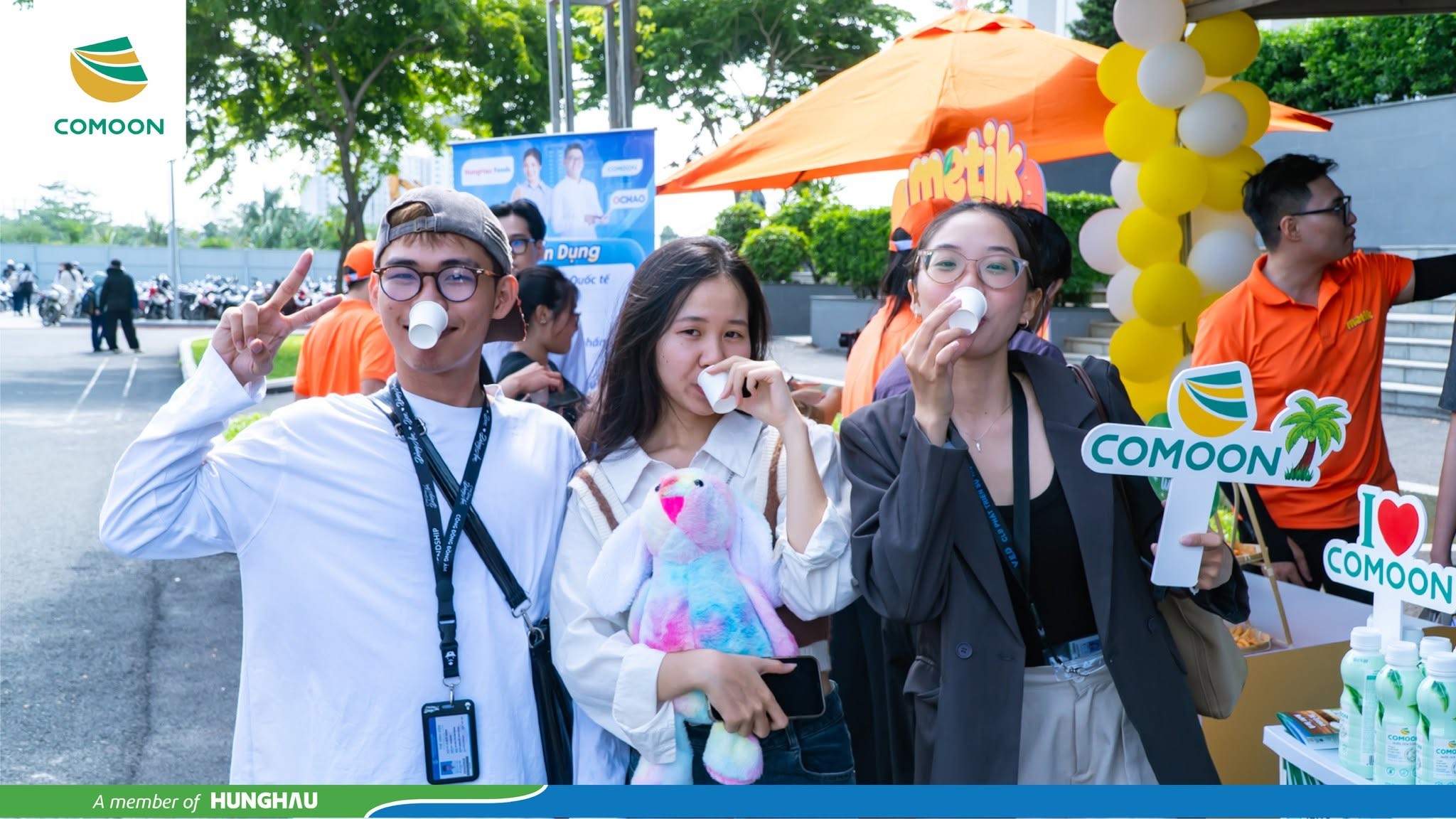
Part of that lifestyle is choosing drinks you enjoy while keeping your nutritional needs in mind. COMOON lists its ingredients and nutrition information on the label, so you can check how much sugar and energy each serving provides and choose a portion that suits you. Enjoyed this way, bottled coconut water can add variety to a balanced daily diet.
Where Can You Buy COMOON Bottled Coconut Water?
You can learn more about COMOON products and buy them online through channels such as
website
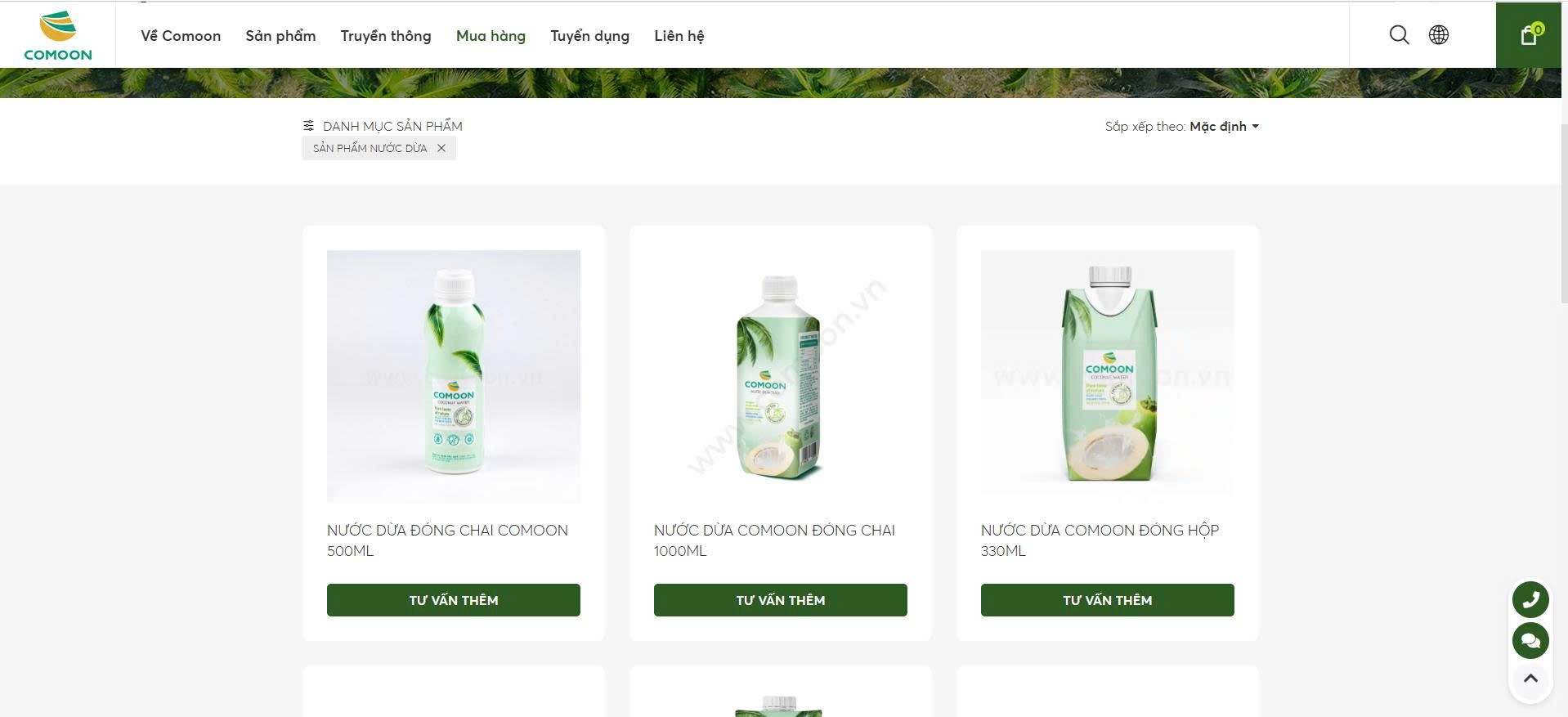
Purchase link www.comoon.vn
Shopee
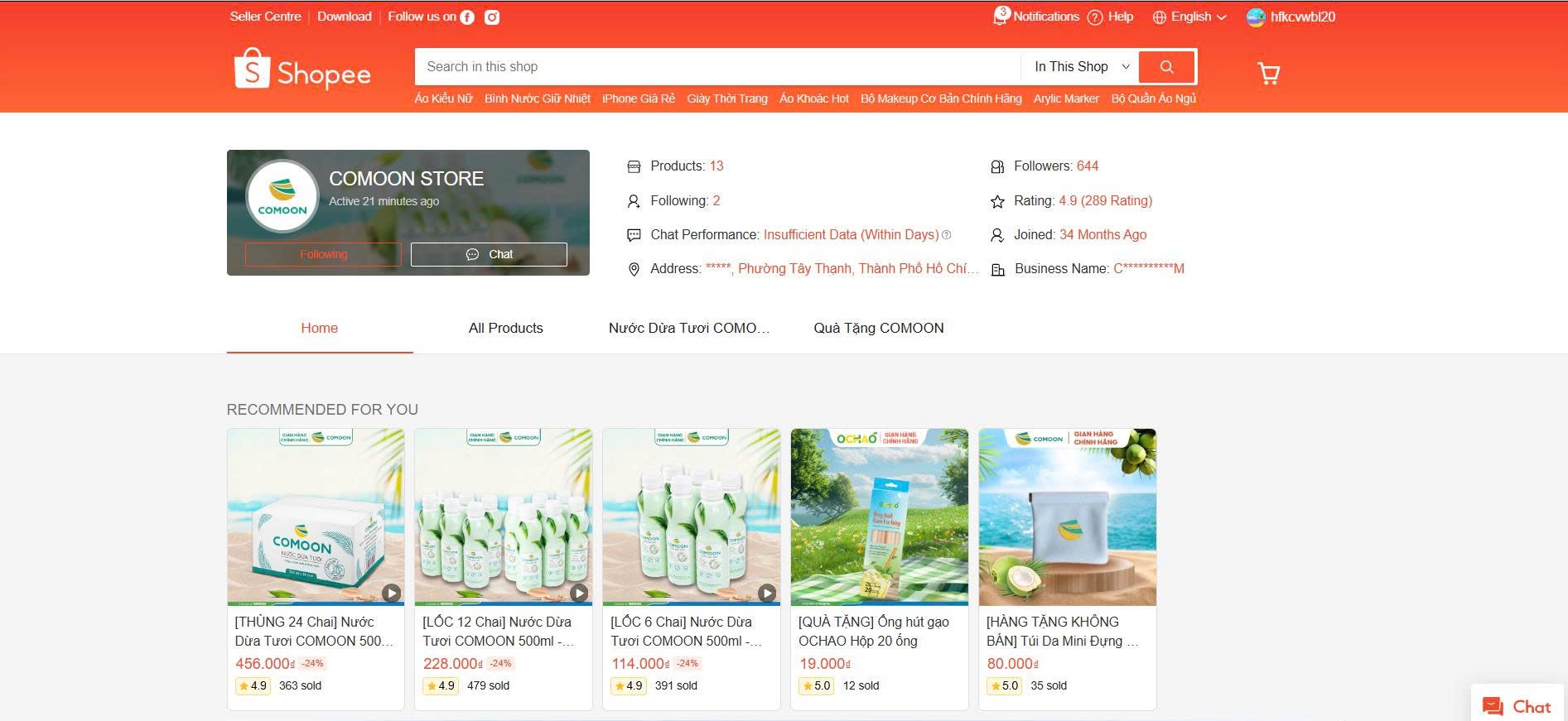
Purchase link: https://vn.shp.ee/Ki1wPoBT
MyU Shop
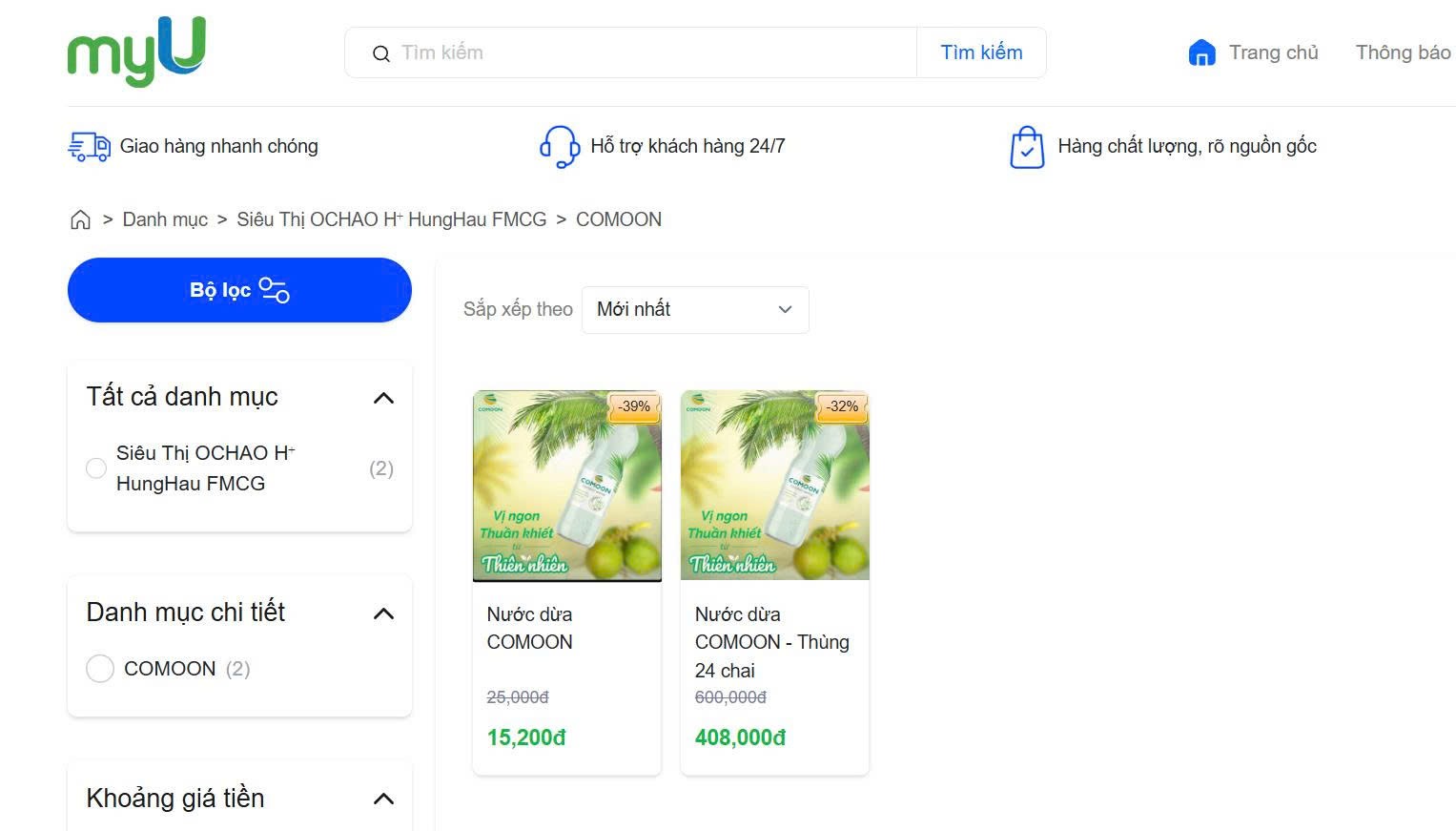
Purchase link: https://myu.vn/shop/chi-tiet/nuoc-dua-comoon-2378
COMOON bottled coconut water is also available at two OCHAO H+ supermarket locations in Ho Chi Minh City.
- 58 Co Giang Street, Cau Ong Lanh Ward, Ho Chi Minh City
- 889 Truong Chinh Street, Tay Thanh Ward, Ho Chi Minh City
When you contact the store, you can ask which products are in stock, whether the quantity you need is available, and what pickup or delivery options suit you. Whether you buy in person or order for delivery, check that the packaging is intact and the expiration date is easy to read. Follow the storage instructions once you receive your order.
Taste and convenience are easy to appreciate when you drink bottled coconut water. Before you buy, it’s also worth checking the ingredients, nutritional values, where the coconuts come from, and how the bottle should be stored. COMOON hopes this guide helps you understand bottled coconut water, make an informed choice, and enjoy each sip a little more.
Contact Information
COMOON COMPANY LIMITED
- Address: 58 Co Giang Street, Cau Ong Lanh Ward, Ho Chi Minh City
- Phone: +84 366 053 666
- Email: info@comoon.vn
- Website: https://comoon.vn
- LinkedIn: https://www.linkedin.com/company/comoonmoon/
Share :
Customer comments
Other news
COMOON Co., Ltd.
58 Co Giang Street, Cau Ong Lanh Ward, District 1, Ho Chi Minh City, Vietnam
T: (+84) 366 053 666
- Business Registration No.: 0318171053
- Issued on November 17, 2023 by the Department of Planning and Investment of Ho Chi Minh City.

Copyright © 2024 COMOON


