



- Login
- Register


News
The latest updates from COMOON. Stay tuned to not miss any information!
IS COCONUT MILK POWDER GOOD FOR YOU? INGREDIENTS, NUTRITION, AND HOW TO USE IT
Friday, 27/11/2026, 04:15
Coconut milk powder is used to add richness and a fragrant coconut flavor to many familiar Vietnamese dishes, especially in the Mekong Delta. From bowls of rich chè (Vietnamese sweet soup) and plates of fragrant sticky rice to pots of velvety curry, each dish uses coconut milk in its own way. The coconut milk poured over chè is usually mixed to a thick consistency so it blends into every spoonful, while a thinner mixture can be used in coffee or smoothies to let the flavor of the coffee or fruit come through.
Fresh coconut milk has a short shelf life. In powdered form, coconut milk is easier to store, and you can measure out just the amount you need and mix it with warm water whenever you want to use it. In this article, COMOON covers the ingredients and nutritional value of coconut milk powder and explains how to use it in cooking, baking, and drink preparation.
What Is COMOON Coconut Milk Powder?
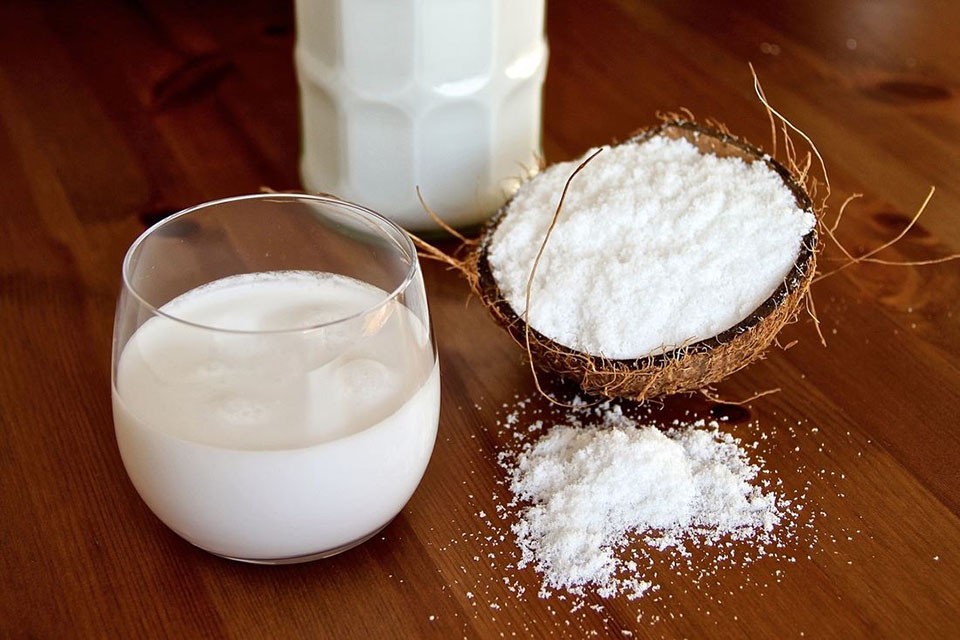
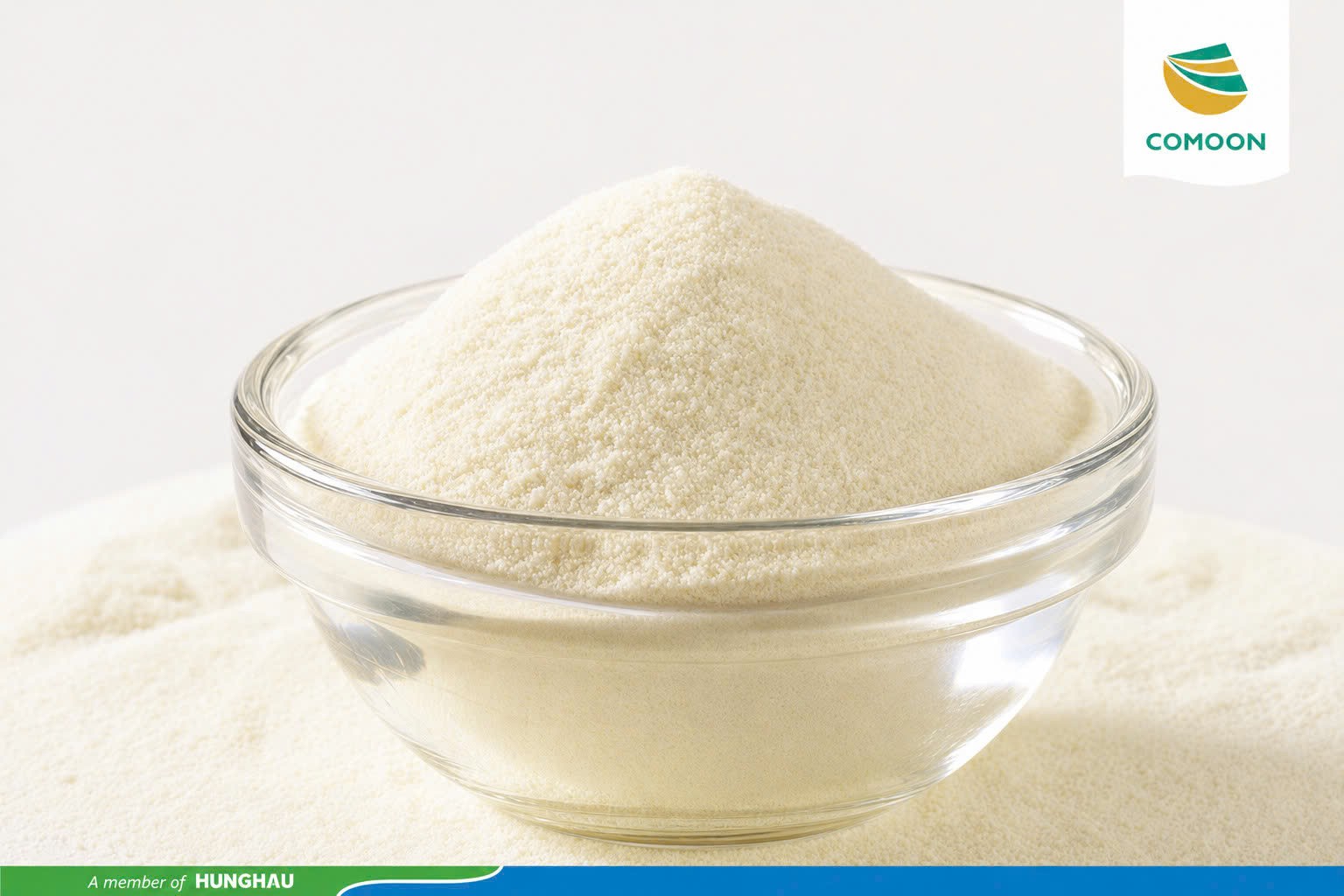
Powdered coconut milk, also known as coconut milk powder, is made by concentrating milk pressed from coconut flesh and then spray-drying it into a fine powder. The coconut milk powder distributed by COMOON Co., Ltd. is made from the flesh of mature coconuts sourced from Bến Tre. The finished powder is milky white and retains the characteristic richness and aroma of coconut.
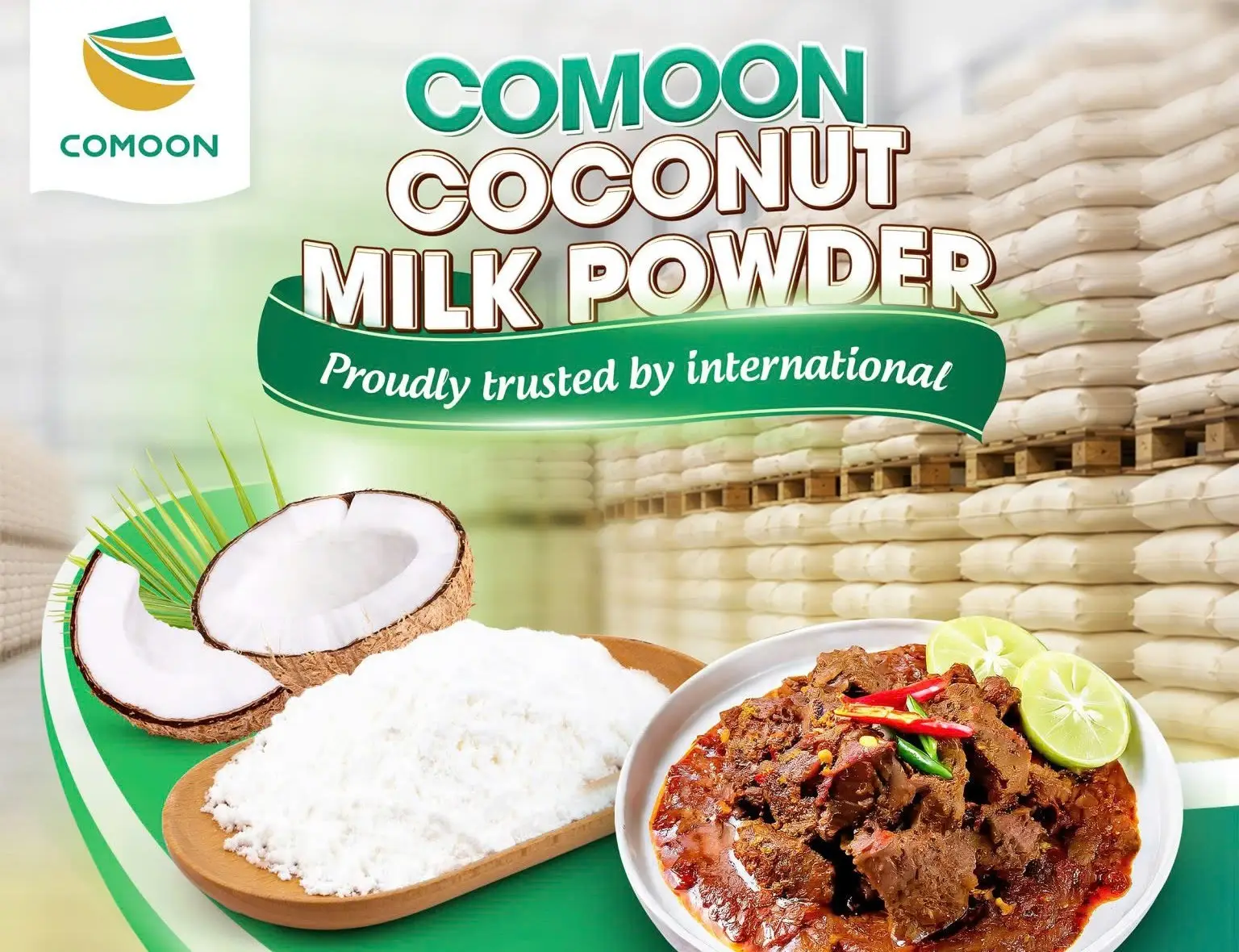
The dry powder is easy to store and convenient to measure out in the amount needed. It can be mixed with warm water to achieve the right consistency for each dish. For example, use a thicker mixture to pour over chè or a thinner one for smoothies. To see whether coconut milk powder fits into your daily diet, check the ingredient list on the package and consider how many calories and how much fat are in the portion you actually use.
How Is Coconut Milk Powder Made?
After harvest, the flesh of mature coconuts is removed from the shells and pressed to extract the milk. The freshly pressed coconut milk is pasteurized at a high temperature and then rapidly cooled. COMOON uses a closed production line and controls the moisture content of the finished powder according to technical specifications.
To turn the liquid into powder, the coconut milk is first concentrated and then spray-dried. During spray drying, the coconut milk is sprayed into tiny droplets so the water evaporates quickly, leaving fine powder particles. The reduced moisture content allows the product to be stored dry and mixed with water again when needed.
Ingredients in COMOON Coconut Milk Powder
COMOON uses 100% mature coconut flesh to extract the milk. The finished powder contains no dairy ingredients. In addition to naturally occurring coconut fat, COMOON coconut milk powder contains carbohydrates, dietary fiber, plant protein, and minerals such as potassium and magnesium.
COMOON coconut milk powder has a fat content of 40% to 65% by dry weight. This is equivalent to 40–65g of fat per 100g of powder. For example, if you use 20g of powder, the prepared coconut milk contains about 8–13g of fat. Adding water thins the mixture, while the total amount of fat still depends on how much powder you use.
How Do Coconut Milk Powder and Coconut Milk Differ From Coconut Flour?
Coconut milk powder, coconut milk, and coconut flour have similar names and are easy to confuse. Coconut milk powder comes in dry form, and coconut milk comes in liquid form. Both are made from milk pressed from mature coconut flesh. Coconut flour is made from mature coconut flesh that has been defatted, dried, and then ground into powder. These differences affect their fat content, how they mix with water, and how they are used in recipes.
|
Criterion |
Coconut Milk Powder |
Coconut Milk |
Coconut Flour |
|
Raw material |
Milk pressed from coconut flesh, then spray-dried into powder |
Milk pressed from mature coconut flesh |
Coconut flesh that has been defatted, dried, and finely ground |
|
Fat content |
High, at about 40–65% for COMOON coconut milk powder |
About 21.3 g of fat per 100 g of canned coconut milk (reference value) |
Lower because the coconut flesh has been defatted |
|
When mixed with water |
Mix with warm water to make coconut milk. Adjust the powder-to-water ratio to get the desired consistency. |
No water needs to be added. |
Does not dissolve in water. It absorbs a lot of water and thickens the mixture. |
|
Uses |
Can replace liquid coconut milk in cooking and drink preparation, for example in chè, curry, or coconut coffee |
Used directly in cooking and drink preparation |
Can replace some of the wheat flour in certain recipes, be mixed into baked goods, or be used as a topping |
What Nutrients Does Coconut Milk Powder Contain?
Coconut milk powder contains natural coconut fat, along with carbohydrates, plant protein, dietary fiber, and some minerals. Fat gives the powder its characteristic richness and accounts for a significant share of its energy content. The amount of energy and fat in a serving depends on how much powder is used.
Energy and Fat Content
A 100 g portion of COMOON coconut milk powder provides approximately 690–730 kcal. Based on the same figures, 20 g of powder provides about 138–146 kcal. Adding only water makes the coconut milk thinner, while the total energy from the amount of powder used stays the same.
The declared fat content of COMOON coconut milk powder ranges from 40% to 65%, depending on the variety. This means that 20 g of powder provides about 8–13 g of fat. To find the total energy content, check the “Energy” entry on the package or in the product specifications for the variety you are using.
Saturated Fat and Medium-Chain Triglycerides in Coconut
When coconut milk is dried into powder, the finished product retains the fat naturally present in coconut flesh. Saturated fat accounts for a large share of this fat, and lauric acid is one of its main fatty acids. The fat also contributes to the richness and thickness of the coconut milk when the powder is mixed with water.
Medium-chain triglycerides (MCTs) are a type of fat made up of fatty acids with medium-length carbon chains. The term saturated describes the structure of a fatty acid, while medium-chain refers to the length of its carbon chain. A fatty acid can therefore be both saturated and medium-chain. Caprylic acid and capric acid are two examples found in coconut. Both are commonly found in refined MCT oil. Natural coconut fat contains a wider range of fatty acids.
For COMOON coconut milk powder, the 40–65% range refers to total fat as a percentage of the powder’s dry weight and varies by product variety. To determine how much saturated fat or how many MCTs are in a serving, check the corresponding value on the label or in the technical specifications and calculate it based on the amount of powder you actually use.
Carbohydrates and Selected Minerals
The table below provides reference values per 100 g of coconut milk powder. Actual amounts may vary depending on the raw materials and formulation of each product.
|
Nutrient |
Amount per 100 g |
|
Carbohydrates |
About 25–27 g |
|
Protein |
About 7 g |
|
Potassium |
About 567 mg |
|
Sodium |
About 100 mg |
How to Read the Nutrition Label
First, check whether the nutrition values are listed per 100 g of dry powder, per serving, or for a specified amount of prepared coconut milk. The same value can correspond to different amounts of powder. If the label lists values per serving, check how many grams of powder are in one serving.
Next, review the values for energy, total fat, carbohydrates, and protein. If you are tracking saturated fat or sugar, look for the separate entries for saturated fat and total sugars, if listed. For example, the declared range of 40–65% for COMOON coconut milk powder refers to total fat as a percentage of the powder’s dry weight.
Finally, calculate the values based on how much powder you actually use. For example, if the label lists 50 g of fat per 100 g of powder, then 20 g of powder provides 10 g of fat. If you mix 20 g of powder with water and use the entire mixture, it still contains 10 g of fat. If you divide the prepared coconut milk evenly between two glasses, each glass contains about 5 g of fat from the powder. You can use the same calculation for energy and other values listed on the label.
Does Coconut Milk Powder Fit Into Your Diet?
Coconut milk powder can add richness to vegetable soup, thicken a sauce, or be used to make a cup of coconut coffee. If you include it in your daily meals, how well it fits into your diet depends on how much you use per serving.
If you follow a fully plant-based diet or limit dairy, check the ingredient list to see whether the product contains any dairy ingredients. If you follow a low-carbohydrate diet or are managing your weight, count the carbohydrates and calories in the amount of powder you actually use and factor in other ingredients such as sugar or condensed milk.
For People on a Vegan Diet
In plant-based dishes, coconut milk powder can replace animal fat while adding richness and thickness. For example, once mixed with water, it can be added to vegetable curry or stirred into pumpkin soup for a smoother, richer texture without using animal fat.
For drinks, you can use more water than you would for cooking to give the mixture a lighter taste. You can also pair it with coffee or fruit to make your favorite dishes or drinks.
For people who follow a fully plant-based diet, the name “coconut milk powder” indicates that the main ingredient comes entirely from plants. Some coconut milk powders may contain added milk protein, so check the packaging carefully before deciding whether to use them. COMOON states that its coconut milk powder contains no dairy ingredients and is made from 100% coconut milk pressed from the flesh of mature Bến Tre coconuts.
For People Who Limit Dairy
People who limit dairy typically cut back on or avoid milk from animals and dairy products such as condensed milk, cream, and butter. Some do so out of personal preference. People with lactose intolerance need to adjust how much they consume because their bodies have difficulty digesting lactose, the sugar naturally found in milk.

When a recipe calls for richness or a thicker consistency, coconut milk powder is a preferred ingredient for preparing coconut milk for pumpkin soup, sauces, or coconut coffee. Many coconut milk powders contain milk fat, so check the ingredient list before buying the product you plan to use. COMOON states that its coconut milk powder contains no dairy ingredients.
For People on a Low-Carbohydrate Diet
People on a low-carbohydrate diet limit how much carbohydrate they consume each day. In practice, they may eat smaller portions of rice, rice vermicelli, bread, or potatoes at each meal and cut back on cakes and sugary drinks. The daily limit depends on each person’s dietary goals and includes all food and drinks consumed throughout the day.
People on a low-carbohydrate diet can use coconut milk powder if the carbohydrates in their serving fit within their daily limit. Check the carbohydrate content on the nutrition label and calculate it based on how much powder you actually use. For example, if the label lists 25 g of carbohydrates per 100 g of powder, then 20 g of powder provides 5 g of carbohydrates. When you mix that amount of powder with water, the prepared coconut milk still contains 5 g of carbohydrates.
When using coconut milk powder to make coffee, also count the carbohydrates from any sugar or condensed milk you add. For curry, include the potatoes in the dish and any rice served with it. Counting the carbohydrates in the whole serving helps you see how much the dish or drink contributes to your planned intake for the day.
For People Managing Their Weight
People managing their weight adjust their daily eating and physical activity habits to maintain their current weight or reach a personal weight goal. Part of this process involves tracking how much they actually eat and drink to balance their daily energy intake.

How Do Coconut Milk Powder and Liquid Coconut Milk Differ?
Both products are made from milk pressed from coconut flesh, and each form is used differently. The difference is easiest to see when preparing recipes that call for different levels of richness, such as thick coconut milk to pour over chè and a lighter mixture to stir into coffee.
Flavor and Richness
When mixed with warm water, coconut milk powder has a distinct coconut aroma and a rich taste. How rich the prepared coconut milk is depends on two factors: the fat content of the powder and the amount of water used. With the same powder, using less water makes a thicker coconut milk suitable for pouring over sticky rice or chè. Using more water gives it a lighter taste, which works well in drinks where you want the coffee or fruit flavor to come through.
The thickness and richness of liquid coconut milk vary by product. Freshly pressed coconut milk has the distinctive aroma of fresh coconut flesh. For canned or packaged coconut milk, check the fat content on the label to choose a product that suits your recipe. A richer coconut milk can help thicken a sauce, while a lighter one blends more easily with other drink ingredients.
To compare fat content, use the same amount of coconut milk in the form in which you’ll use it. COMOON coconut milk powder contains 40–65% fat by dry weight. For example, if you mix 20 g of powder with a fat content of 50% with 80 g of water, the resulting 100 g of coconut milk contains about 10 g of fat. You can compare this figure with the amount of fat in 100 g of liquid coconut milk.
How to Prepare and Use Them
Coconut milk powder can be used in two ways, depending on the recipe. If the recipe calls for liquid coconut milk, pour warm water into a bowl first, gradually sprinkle in the powder, and stir until smooth. For iced drinks, dissolve the powder before adding ice and the remaining ingredients. In some baking recipes, you can mix the powder directly with the dry ingredients.
Liquid coconut milk is convenient when the recipe specifies how much to use. For example, if a chè recipe calls for 100 mL of coconut milk, you can measure out 100 mL directly. If you use powder, mix it to the desired consistency first, then measure out 100 mL of the prepared coconut milk. The amount of water used to mix the powder and the amount of prepared coconut milk added to the dish are two separate measurements.
|
Dish or Drink |
Coconut Milk Powder |
Liquid Coconut Milk |
|
Chè, curry, or sauces |
Mix 30 g of powder with 100 mL of warm water to make thick coconut milk. |
Choose a product with the desired consistency and measure the amount specified in the recipe. |
|
Baked goods or ice cream |
Mix 25 g of powder with 150 mL of warm water if the recipe calls for liquid coconut milk. |
Measure the amount specified in the recipe and add it to the wet ingredients. |
|
Smoothies or coconut coffee |
Mix 20 g of powder with 200 mL of warm water to make thinner coconut milk. |
Measure the amount needed and combine it with the other ingredients |
Storage and Shelf Life
Store coconut milk powder in a cool, dry place away from direct sunlight. COMOON coconut milk powder has a shelf life of 24 months when the packaging remains intact and the product is stored as directed at temperatures below 25°C. After opening, use a dry spoon to scoop out the powder and reseal the package tightly. Keeping out moisture helps the powder stay free-flowing and dissolve easily when mixed with water.
The shelf life of liquid coconut milk varies depending on how it is processed and packaged. Freshly pressed coconut milk is usually used right away. For canned or packaged products, check the expiration date for the unopened product and the instructions for how long and at what temperature to store it after opening. Both details help you decide how much to buy, especially when a recipe calls for only part of the package.
If you only need a little coconut milk from time to time, the powdered form lets you measure out what you need and store the rest dry. If you’re making a batch of chè or a pot of curry that calls for a specific amount, you can measure liquid coconut milk directly.
How to Use COMOON Coconut Milk Powder
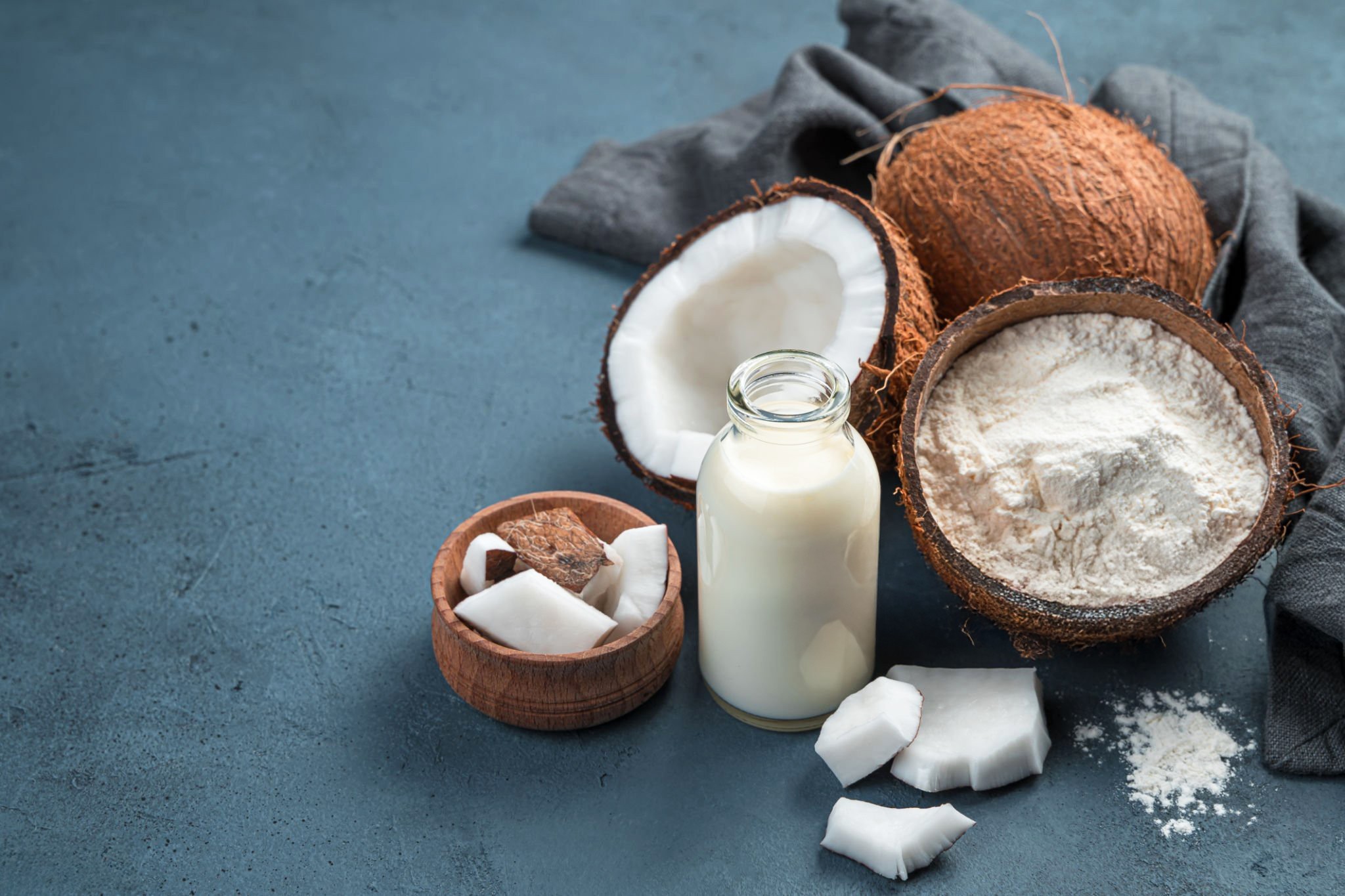
COMOON coconut milk powder can be mixed with warm water for cooking, baking, or making drinks. Adjust the powder-to-water ratio to get the consistency you want for each recipe. A thicker mixture is usually used for pouring over chè or cooking curry. For smoothies or coffee, a thinner mixture lets the fruit or coffee flavor come through. Some baking recipes call for coconut milk powder in its dry form, so you can mix it directly with the other dry ingredients.
How to Mix Coconut Milk Powder
Pour warm water at about 60–70°C into a bowl, then gradually sprinkle in the powder while stirring. This helps the powder disperse evenly and reduces clumping. Once the mixture is smooth, you can let it stand for about five minutes before using it.
|
Desired Consistency |
Suggested Ratio of Powder to Warm Water |
Suitable Uses |
|
Thick |
30g of powder with 100mL of water |
Chè, curry, and sauces |
|
Medium |
30g of powder with 150mL of water |
Baked goods and ice cream |
|
Thinner |
30 g of powder with 200mL of water |
Smoothies and coconut coffee |
Use the ratios above as a starting point and adjust them based on the fat content of the powder and your taste. If a recipe calls for a specific amount of coconut milk, measure it after mixing. For example, if you need 100mL of coconut milk, mix the powder and water to the desired consistency, stir well, and then measure out 100mL.
Making Chè and Other Desserts
Coconut milk is often considered the heart of chè and other desserts from Vietnam’s Mekong Delta. It can be poured over a dessert, cooked with the other ingredients, or served as a dip. However it’s used, coconut milk adds richness and makes the dessert more flavorful.
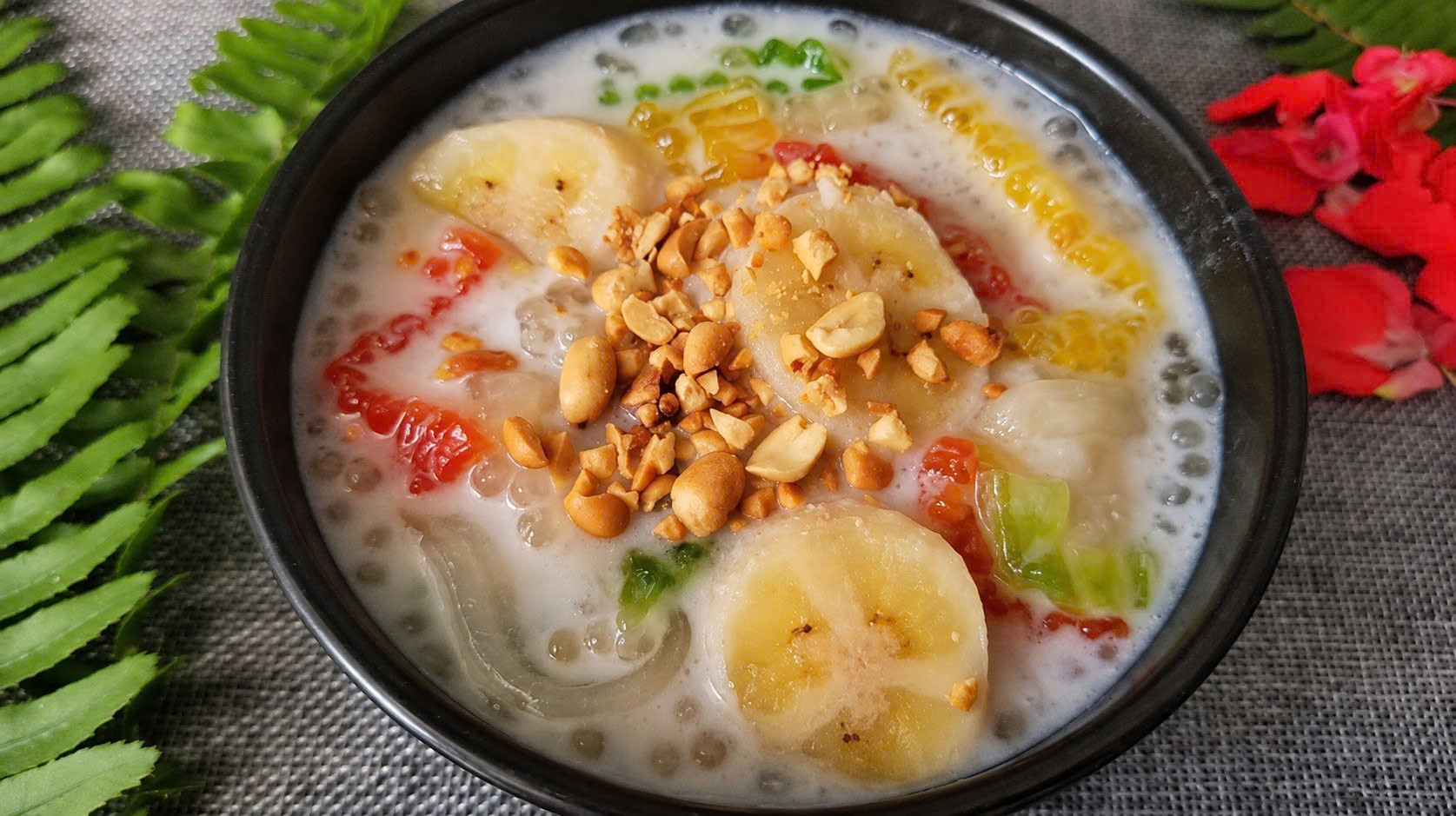
Coconut milk powder has a flavor and richness similar to fresh coconut milk and can be used in its place when making desserts. For a fuller flavor and richer taste, mix 30 g of powder with 100 mL of warm water to make a thick coconut milk. If you prefer it richer, add more powder a little at a time until it suits your taste. For sticky rice, mix some of the prepared coconut milk into the rice when it is nearly finished steaming, then drizzle the rest over the rice when serving.
Making Curries, Soups, and Savory Dishes
For savory dishes, mix COMOON coconut milk powder with warm water to add richness and thickness to broths or sauces. How you use it depends on the texture of the dish. Curries usually call for coconut milk rich enough to blend with the spices. For soups or braised dishes, you can add it a little at a time to adjust the richness.
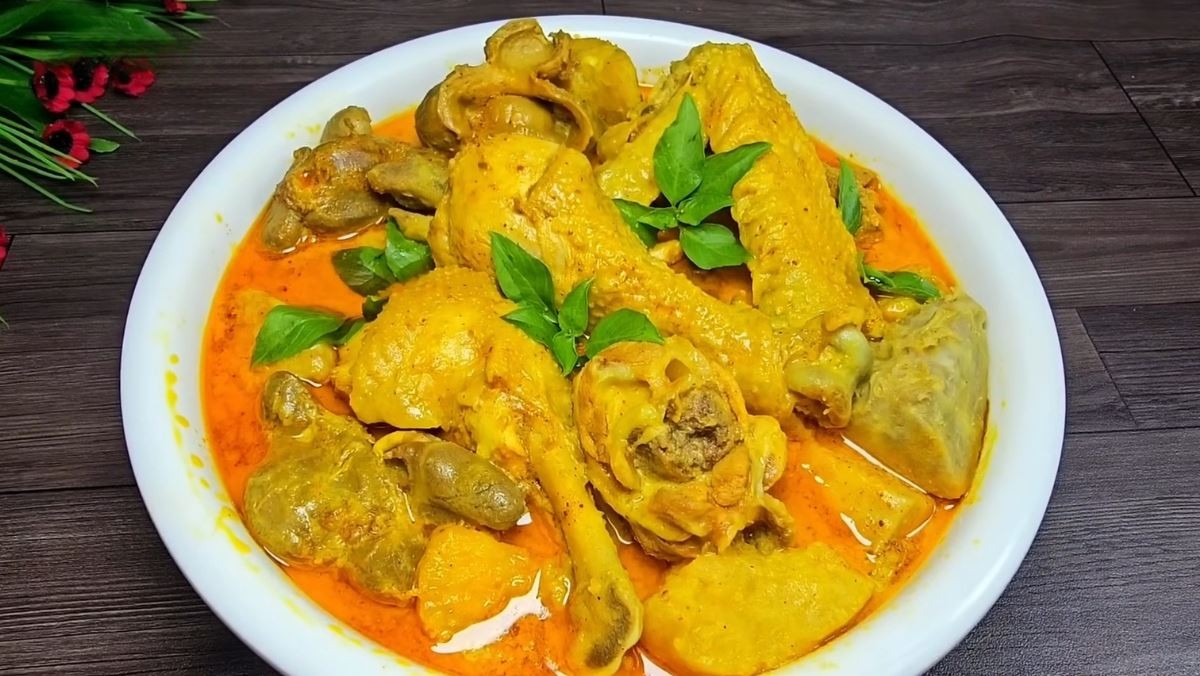
For chicken curry, use 30 g of powder to 100 mL of warm water as a starting ratio. Once the chicken, potatoes, and carrots are cooked, pour the prepared coconut milk into the pot, stir gently, and simmer over low heat for another 3–5 minutes. Adding the coconut milk near the end lets its richness blend into the curry while preserving the coconut aroma.
For pumpkin soup, add the coconut milk after the pumpkin has been cooked until tender and puréed. Pour it in a little at a time, stirring and tasting as you go to adjust the thickness and richness. For braised or simmered dishes, such as shrimp simmered in coconut milk, add the prepared coconut milk during the last five minutes or so, once the sauce is seasoned to taste. Keep the heat low and stir gently so the sauce coats the ingredients evenly.
Making Baked Goods and Snacks
How you use coconut milk powder in baking depends on what the recipe calls for. If it calls for liquid coconut milk, mix the powder with warm water and measure out the amount needed. If the recipe calls for dry coconut milk powder, mix it thoroughly with the other dry ingredients before adding the wet ingredients as directed. This keeps the recipe’s ingredient proportions in balance.
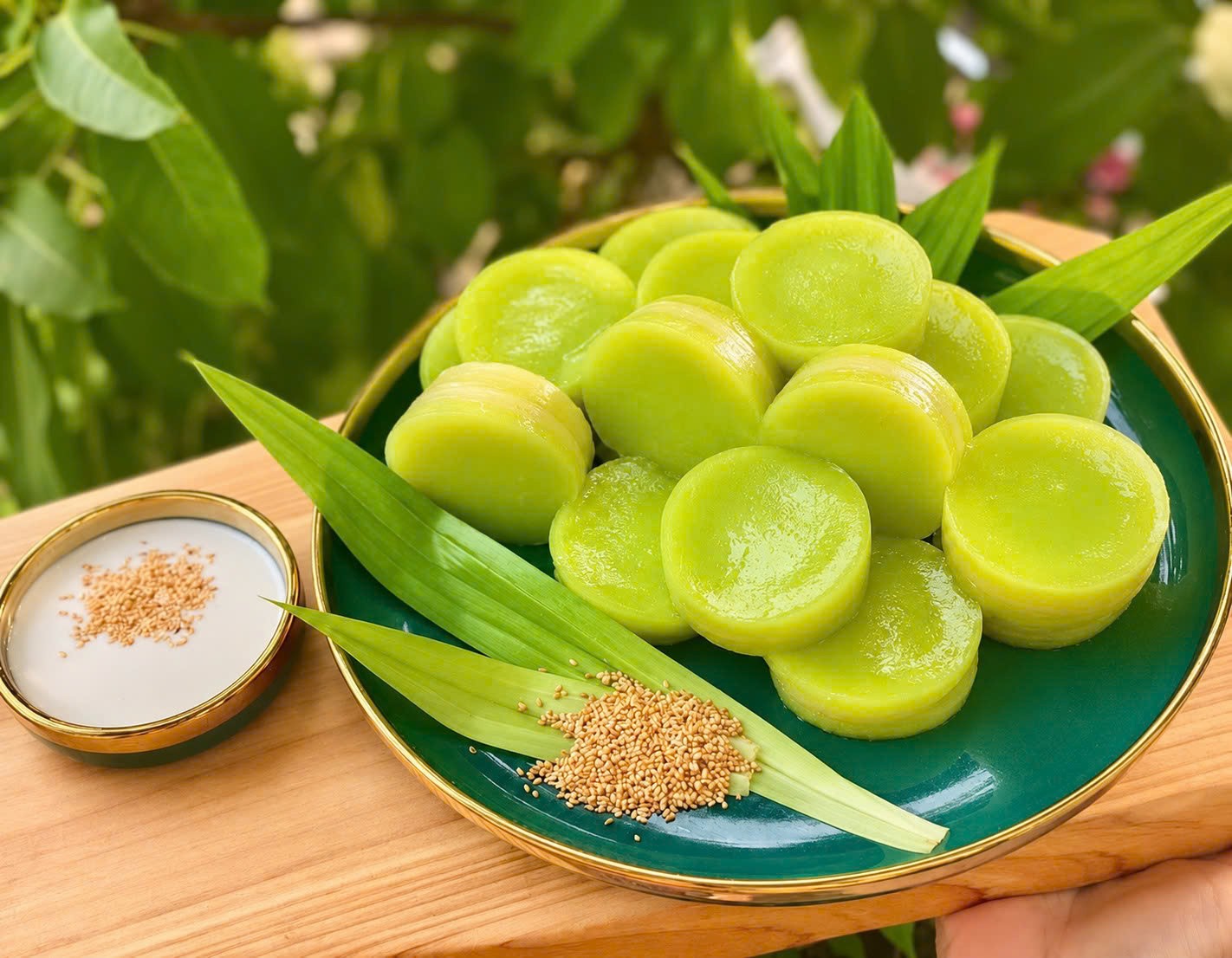
Coconut milk powder can also be mixed to a thick consistency and served with snacks. For example, when plating steamed banana cake, drizzle a thin layer of coconut milk over the cake so its richness complements the sweetness of the bananas.
Making Smoothies and Other Drinks
For iced drinks, dissolve the coconut milk powder in warm water before mixing it with coffee, fruit, or ice. This helps keep the mixture smooth and reduces graininess. A suggested ratio is 20 g of powder to 200 mL of warm water. Once mixed, measure out the amount of coconut milk you need for each glass.

For a mango and banana smoothie, blend the prepared coconut milk with the fruit and ice for a thick, smooth texture. For coconut coffee, blend the coconut milk with ice and a little condensed milk, then pour strong coffee over the top. Adjust the amount of condensed milk to taste so both the coconut and coffee flavors come through.
How to Choose the Right Coconut Milk Powder
When buying coconut milk powder, start with what you plan to make. Coconut milk for pouring over chè should be thick, while coconut milk for coffee should mix evenly and have the right level of richness for the recipe. Once you know what you need, read the ingredient list, check the package size, and estimate how much powder you can use within its shelf life.
Check the Ingredients on the Package
If the package only says coconut flour, check the ingredient description. Coconut milk powder is made from milk pressed from coconut flesh. It can be mixed with warm water to make chè, curry, or drinks. Coconut flour is made from defatted coconut flesh that is finely ground and is often blended with other ingredients in baking recipes. Knowing the difference helps you choose the right product even when the Vietnamese names on the packaging look similar.
Next, read the full ingredient list. Some coconut milk powders contain added maltodextrin or emulsifiers to help the powder dissolve and keep the mixture stable after preparation. If you need to limit dairy ingredients, check for added milk powder or milk protein. COMOON states that its coconut milk powder is made entirely from milk pressed from mature coconut flesh and contains no dairy ingredients.
Choose a Product That Suits Your Recipe
Think about the result you want in your dish or drink. The same powder can produce thick or thin coconut milk depending on the powder-to-water ratio. If you’re choosing between two powders, try mixing them at the same ratio, then compare their richness, thickness, and smoothness to see which works best in your recipe.
|
Intended Use |
What to Check When Choosing |
|
Making Vietnamese sweet soups, curries, and sauces. |
Check whether the prepared coconut milk gives the dish the thickness and richness you want. |
|
Making coffee, smoothies, and other drinks |
Check whether the powder dissolves easily when stirred into warm water and forms a smooth mixture before you add coffee, fruit, or ice. |
|
Baking |
Check the recipe to see whether you need to measure out prepared coconut milk or use the powder in dry form. |
COMOON coconut milk powder is available in varieties with a fat content ranging from 40% to 65% by dry weight. When choosing between fat levels, taste the prepared coconut milk in the finished dish or drink. For coconut coffee, for example, try it with the coffee you normally use to see whether it adds enough richness while letting the coffee flavor come through.
Check the Product’s Origin and Pack Sizes
When choosing coconut milk powder, check where the product comes from, where its ingredients are sourced, and which company is responsible for it. Information about the growing region may appear on the packaging or in the supplier’s product description. COMOON coconut milk powder is a product of COMOON Co., Ltd. and is made with fresh coconut flesh from Bến Tre. The flesh is pressed to extract the coconut milk, which is then processed into a fine, milky-white powder. Knowing where the ingredients come from and who makes the product can help you choose with greater confidence for your family.
COMOON offers 1kg, 2kg, 5kg, and 25kg packs. The 1kg pack is suitable for testing recipes or using the powder in small quantities. Beverage shops and food producers that use it regularly can choose a larger pack based on how much powder they use per week or per batch.
Check the Expiration Date and Storage Instructions
Before buying, make sure the packaging is intact and the expiration date gives you enough time to use the product. COMOON coconut milk powder has a declared shelf life of 24 months when the packaging is intact and the product is stored as directed in a cool, dry place below 25°C, away from direct sunlight.
After opening, follow the instructions on the package. Use a dry spoon to scoop out the powder and reseal the package tightly after each use to reduce moisture absorption and clumping. If you transfer the powder to an airtight container, keep the original label or write the expiration date on the container so you can check it easily.
Coconut Milk Powder Quality and Standards
COMOON coconut milk powder is made from 100% fresh coconut flesh sourced from Bến Tre. The coconuts are purchased directly from the growing region, and the white flesh is removed and pressed to extract the milk. The coconut milk is then concentrated and spray-dried into a fine, milky-white powder that retains the characteristic aroma and richness of coconut.
COMOON declares a total fat content of 40% to 65% by dry weight. At the lower end of this range, 100 g of powder contains 40 g of fat. At the upper end, 100 g contains 65 g of fat.
Ingredients and Production Process for COMOON Coconut Milk Powder
COMOON uses 100% mature coconut flesh from Bến Tre to extract the coconut milk. After pressing, the milk is pasteurized at a high temperature and then rapidly cooled. It is then spray-dried into a fine, milky-white powder. The entire process takes place on a closed production line.

Aerial view of a coconut grove in Bến Tre
In dry form, the product can be measured out as needed, mixed with water, or added directly to production formulations. COMOON offers varieties with fat contents ranging from 40% to 65%, allowing users to choose the level of richness that suits each application.
COMOON sources its coconuts from growing areas in Bến Tre and carries out strict quality checks throughout a closed production process, from initial preparation to the finished powder. After the milk is pressed from fresh coconut flesh, it is pasteurized at a high temperature and rapidly cooled before being processed into powder. Moisture content is one of the quality parameters monitored in the finished powder. It affects how freely the powder flows, since moisture absorbed during storage can cause clumping and make the powder harder to dissolve.
Production Facility Certifications
COMOON coconut milk powder is tested by SGS upon customer request. SGS (Société Générale de Surveillance) is an international organization that provides testing, inspection, and certification services. For food products, SGS tests samples of raw materials or finished products according to the requested parameters. The results are recorded in a test report so the company can compare them with the product’s technical specifications.
To help ensure food safety, COMOON’s quality control team monitors every shipment from dispatch to receipt, giving customers peace of mind when placing an order.
Frequently Asked Questions About Coconut Milk Powder
Can Coconut Milk Powder Replace Fresh Coconut Milk?
Yes. Once mixed with warm water, coconut milk powder can replace fresh coconut milk in many recipes, including Vietnamese sweet soups, curries, sauces, and smoothies. The powder-to-water ratio depends on how thick and rich the coconut milk needs to be. For example, coconut milk for pouring over Vietnamese sweet soups is usually thicker than coconut milk for coconut coffee.
If a recipe calls for 100 mL of coconut milk, mix the powder to the desired consistency, then measure out 100 mL of the prepared coconut milk. This keeps the amount of liquid in the recipe correct.
Does Coconut Milk Powder Contain Dairy?
It depends on the product’s formulation. Coconut milk pressed from coconut flesh is plant-based. Some manufacturers add milk proteins such as casein or sodium caseinate to help the powder dissolve. COMOON states that its coconut milk powder contains no dairy ingredients. Anyone with a milk protein allergy should read both the ingredient list and the allergen statement on the package before using it.
Is Coconut Milk Powder Suitable for Vegetarians?
Yes. Coconut milk powder made entirely from plant-based ingredients is suitable for both vegetarians and vegans. Some varieties contain added casein or sodium caseinate, both of which are derived from milk. Vegetarians who consume dairy can choose these varieties, while vegans should check the full ingredient list on the package. COMOON states that its coconut milk powder is made from 100% fresh coconut flesh and contains no dairy ingredients.
How Should You Store Coconut Milk After Mixing the Powder?
Prepare only as much as you need at a time. If you need to store the prepared coconut milk, transfer it to a clean, airtight container and refrigerate it at 4°C or below within two hours of mixing. Follow any manufacturer instructions on how long to keep it after preparation. COMOON’s stated shelf life of 24 months applies to dry powder in intact packaging stored as directed.
Can Coconut Milk Powder Help You Lose Weight?
Coconut milk powder on its own does not lead to weight loss. Weight loss depends on eating habits, physical activity, and energy balance over time. Coconut milk powder contains fat and provides calories. If you’re managing your weight, you can still use an amount that fits your diet. Check the energy value on the package and calculate the calories based on how much powder you use so you can account for it in your daily intake.
Contact Information
COMOON COMPANY LIMITED
- Address: 58 Co Giang Street, Cau Ong Lanh Ward, Ho Chi Minh City
- Phone: +84 366 053 666
- Email: info@comoon.vn
- Website: https://comoon.vn
- LinkedIn: https://www.linkedin.com/company/comoonmoon/
Share :
Customer comments
Other news
COMOON Co., Ltd.
58 Co Giang Street, Cau Ong Lanh Ward, District 1, Ho Chi Minh City, Vietnam
T: (+84) 366 053 666
- Business Registration No.: 0318171053
- Issued on November 17, 2023 by the Department of Planning and Investment of Ho Chi Minh City.

Copyright © 2024 COMOON


