




- Login
- Register


News
The latest updates from COMOON. Stay tuned to not miss any information!
ORGANIC COCONUT FLOUR: BENEFITS, APPLICATIONS, AND A GUIDE TO CHOOSING THE RIGHT SUPPLIER
Tuesday, 09/06/2026, 16:10
Beyond its popularity in healthy food products, organic coconut flour is also widely used in the food industry and export markets. So, what makes organic coconut flour different, what benefits does it offer, and what are the key criteria for choosing a reliable supplier? Let’s explore more in this article.
What Is Organic Coconut Flour?
Organic coconut flour is made from coconut meat after the extraction of coconut oil or coconut milk. The remaining coconut meat is then dried and finely ground into a soft flour with an off-white color, a naturally mild coconut aroma, and a high fiber content.
Organic coconut flour is produced from coconuts cultivated under organic farming standards, with limited use of chemicals, synthetic fertilizers, and genetically modified ingredients throughout the growing and processing stages. It is manufactured to meet strict international certifications such as EU Organic, USDA Organic (United States), and JAS (Japan). Thanks to its nutritional value and environmentally friendly production process, this product aligns well with the growing green consumption trend and is highly valued in international markets.
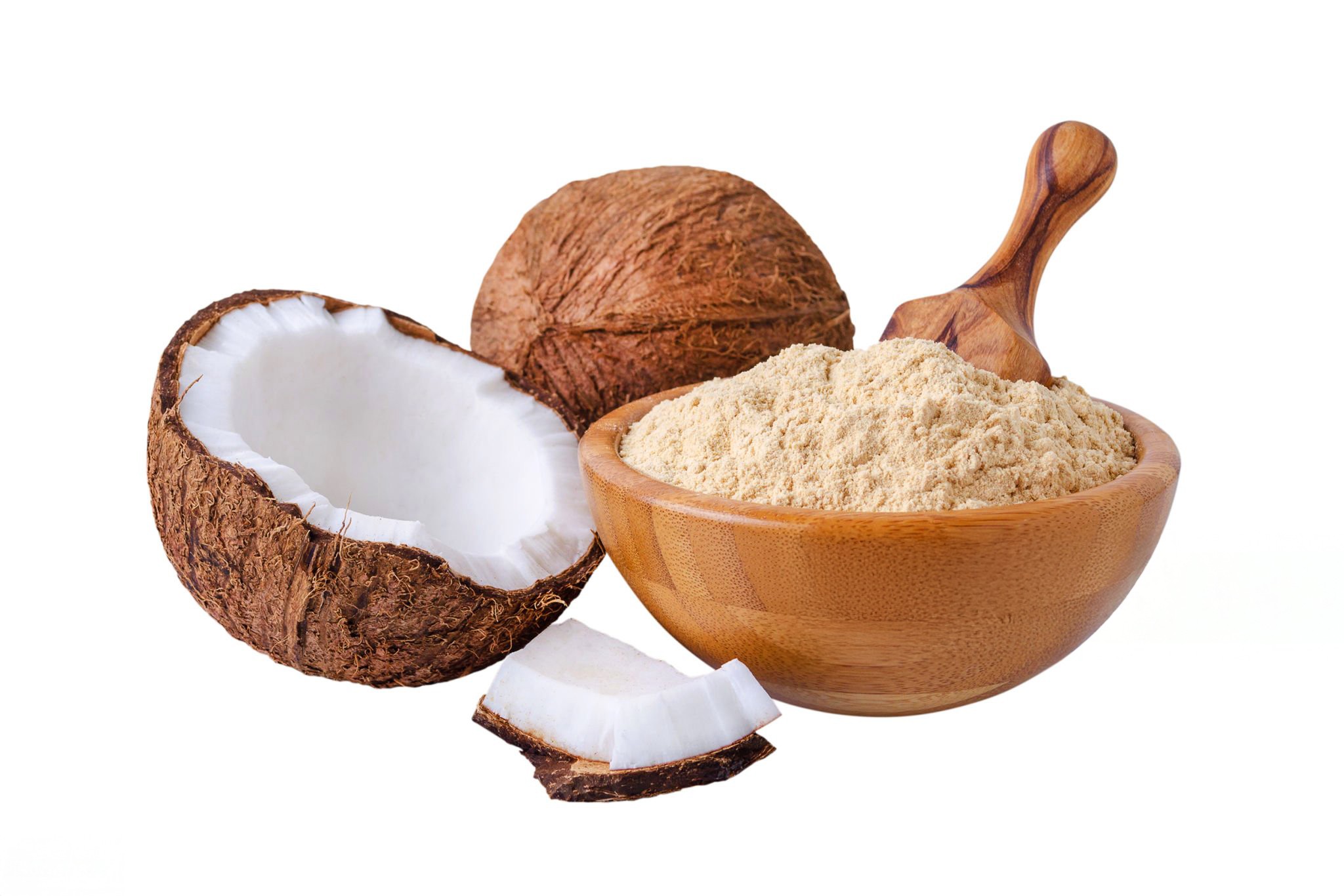
Organic coconut flour is made from defatted coconut meat with a naturally light coconut aroma
Organic Coconut Flour vs. Regular Coconut Flour
| Criteria | Organic Coconut Flour | Regular Coconut Flour |
| Raw Material Source | Coconuts grown under organic farming standards | Conventionally cultivated coconuts |
| Production Process | Strictly controlled raw material sourcing, manufacturing, and packaging | Standard production process |
| Quality Standards | Meets standards such as USDA Organic and EU Organic | Organic certifications are not required |
| Market Segment | Premium food products and export market | Mainstream market |
Organic Coconut Flour vs. Desiccated Coconut
| Criteria | Organic Coconut Flour | Desiccated Coconut |
| Raw Material | Defatted coconut meat, finely ground | Shredded or finely grated coconut meat, then dried |
| Texture | Fine powder | Flakes or small shreds |
| Fat Content | Lower due to oil extraction | Higher with a richer coconut flavor |
| Fiber Content | High | Lower |
| Water Absorption | High | Mainly adds texture and coconut flavor |
| Common Applications | Gluten-free baking, healthy foods, nutritional products | Confectionery, toppings, fillings, and dishes with rich coconut flavor |
| Usage Purpose | Used for premium food products and healthy diets | Used for dishes requiring richer flavor and coconut aroma |
Nutritional Composition of Organic Coconut Flour
Fiber
Organic coconut flour stands out for its significantly higher fiber content compared to many commonly used flours today. Around 28g of organic coconut flour can contain approximately 10g of dietary fiber, which is considered relatively high compared to refined wheat flour and many conventional grain-based flours.
The fiber in coconut flour is mainly insoluble fiber, which helps support the digestive process. A fiber-rich diet may also help promote a longer feeling of fullness and contribute to maintaining a balanced daily diet.
Thanks to its high fiber content, organic coconut flour has a much stronger water absorption capacity than many other flours. This is also a natural nutritional characteristic of coconut meat after it has been defatted and finely milled.
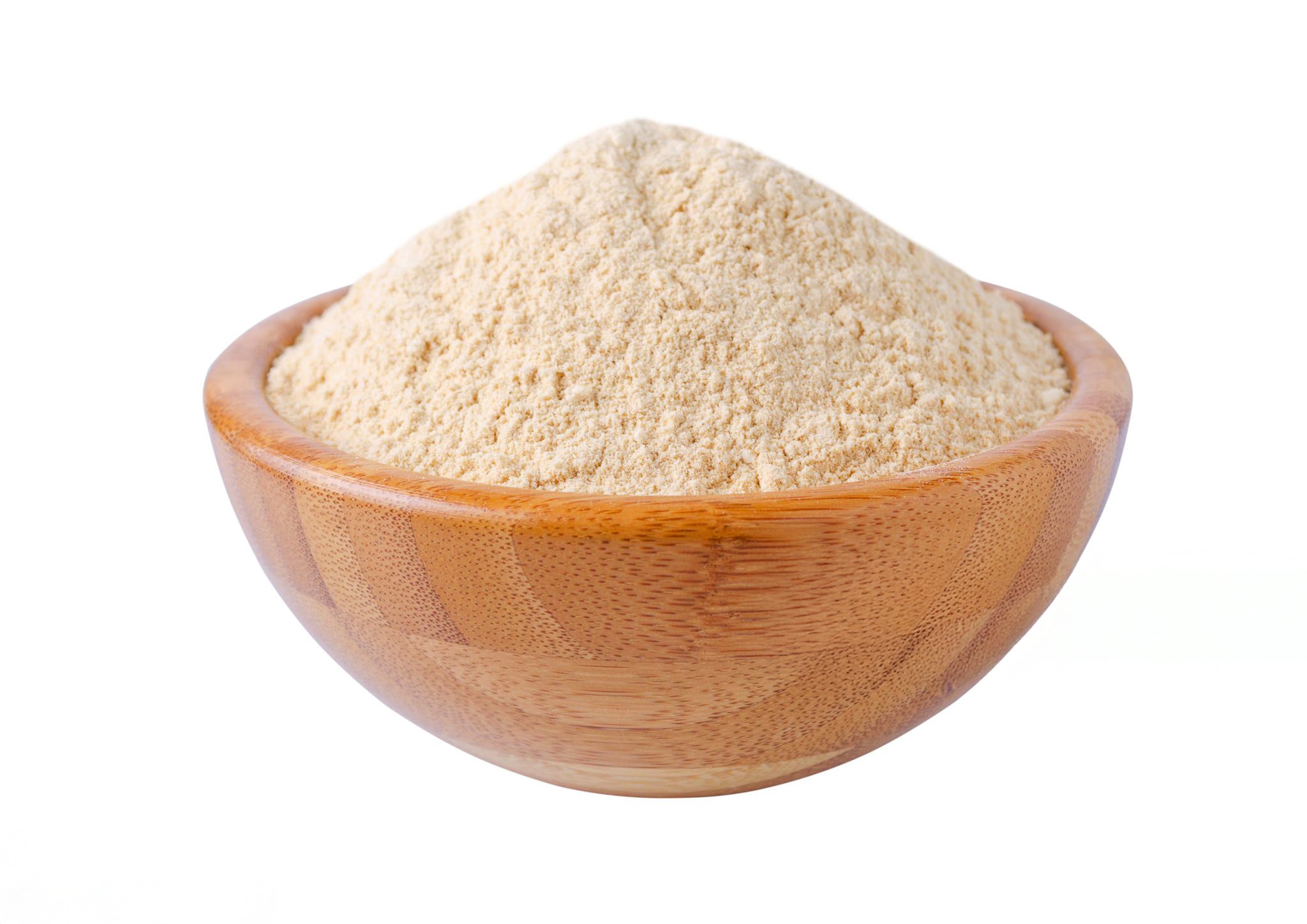
High fiber content
Plant-Based Protein
Organic coconut flour provides a natural source of plant-based protein derived from coconut meat. Although it is not considered a high-protein ingredient like specialized protein flours, it still contributes additional protein to the daily diet.
Protein is an essential nutrient that plays a role in building and maintaining body tissues. In addition, when combined with dietary fiber, protein may help promote a longer feeling of fullness after meals.
Fat Content
Organic coconut flour still retains part of the coconut’s natural fat, giving it a mild and distinctive coconut flavor. However, because the coconut meat has been partially defatted during processing, its lipid content is generally lower than that of desiccated coconut.
The fat found in coconut is mainly plant-based saturated fat, including medium-chain triglycerides (MCTs). MCTs are a type of fat that the body can metabolize more quickly than some other fats. Depending on the production process, the fat content in coconut flour may vary.
Gluten-Free
Gluten is a type of protein commonly found in wheat, barley, and oats, which may cause allergic reactions or intolerance in some individuals. Since organic coconut flour is naturally gluten-free, it is suitable for consumers who prefer plant-based foods and minimally processed ingredients.
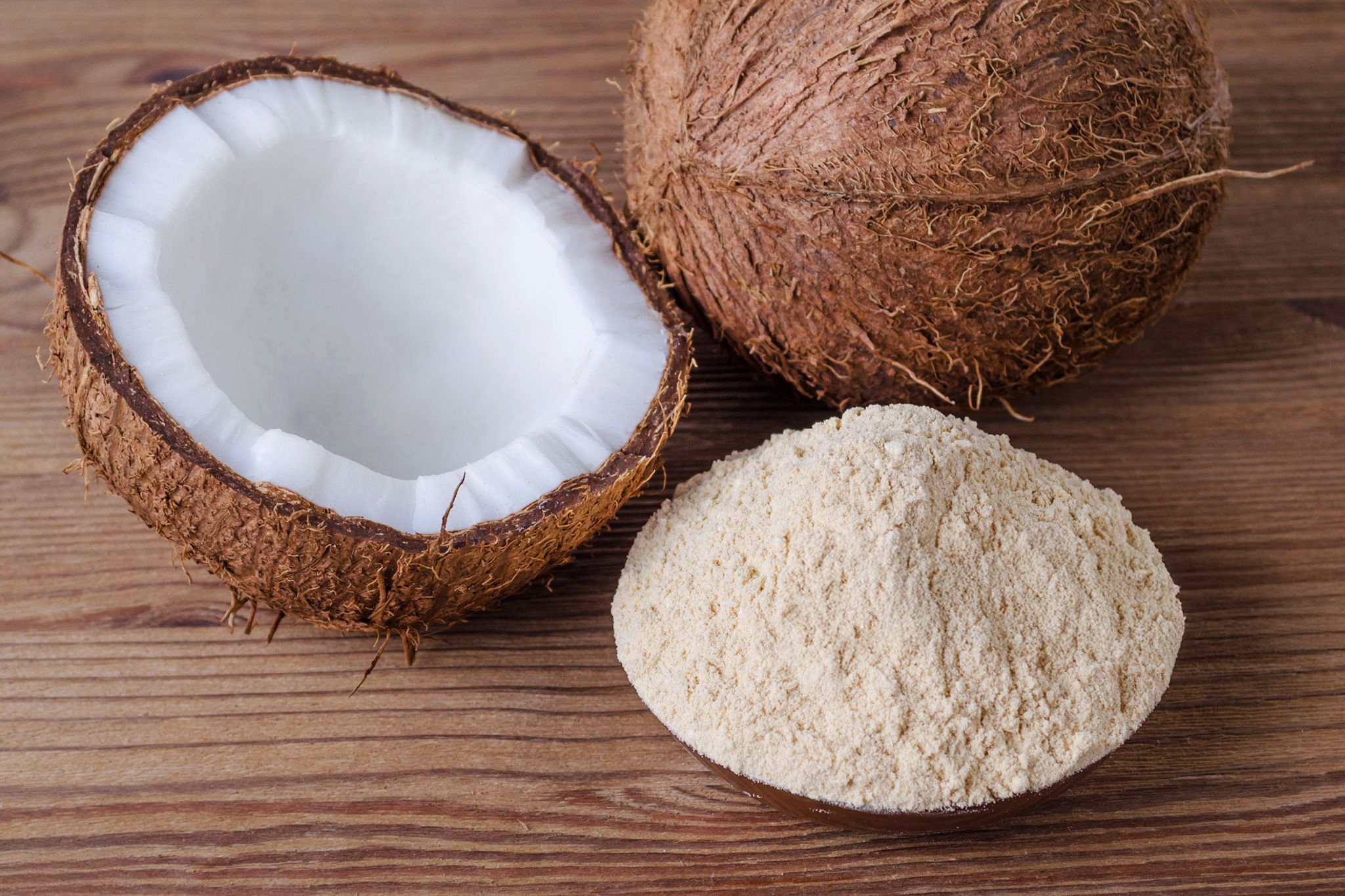
Organic coconut flour is rich in essential nutrients
Natural Minerals
Organic coconut flour also contains several natural minerals such as iron, potassium, and manganese. These minerals are involved in various metabolic activities in the body and are commonly found in plant-based foods.
Manganese plays a role in energy metabolism and enzyme function. Potassium supports muscle and nerve activity, while iron is associated with the production of red blood cells.
Although organic coconut flour is not considered an exceptionally high source of minerals compared to nuts or legumes, it still contributes valuable nutrients to the daily diet.
Carbohydrates
Organic coconut flour contains natural carbohydrates derived from coconut meat. However, most of the carbohydrates in the product come from dietary fiber, making its starch content much lower than many traditional grain-based flours.
Thanks to its high fiber ratio, the carbohydrates in coconut flour are generally absorbed more slowly than refined carbohydrates. This is one reason why many healthy food products and nutritional formulations today use organic coconut flour as an ingredient to diversify carbohydrate sources and increase dietary fiber intake.
In addition, the strong water absorption capacity of coconut flour is also related to its fiber-rich structure and natural carbohydrate composition.
Health Benefits of Organic Coconut Flour
Supports Blood Sugar Balance
Organic coconut flour is high in fiber and contains lower refined carbohydrates compared to many conventional grain flours. As a result, it may help prevent blood sugar levels from rising too quickly after meals.
According to Harvard T.H. Chan School of Public Health, fiber helps regulate the body’s absorption of sugar, thereby supporting more stable blood sugar levels. In addition, soluble fiber may slow digestion and help promote a longer feeling of fullness.
Supports Digestive Health
Organic coconut flour supports digestive health thanks to its high content of insoluble fiber. According to Harvard T.H. Chan School of Public Health – Fiber, fiber supports digestion by promoting regular bowel movements, helping reduce constipation, and contributing to a healthy gut microbiome. Fiber is also considered a nutrient source for beneficial gut bacteria, helping the digestive system function more effectively.
Supports Natural Skin and Wellness Care
Some types of organic coconut flour may still retain a small amount of natural coconut fat, which can contain lauric acid depending on the production process and level of defatting. Lauric acid is also found in coconut oil and has been studied for its potential antibacterial and antifungal properties.
Because of these characteristics, coconut-based products are often used in natural wellness and skincare applications. However, coconut flour is not a medicine and should not replace medical treatments.
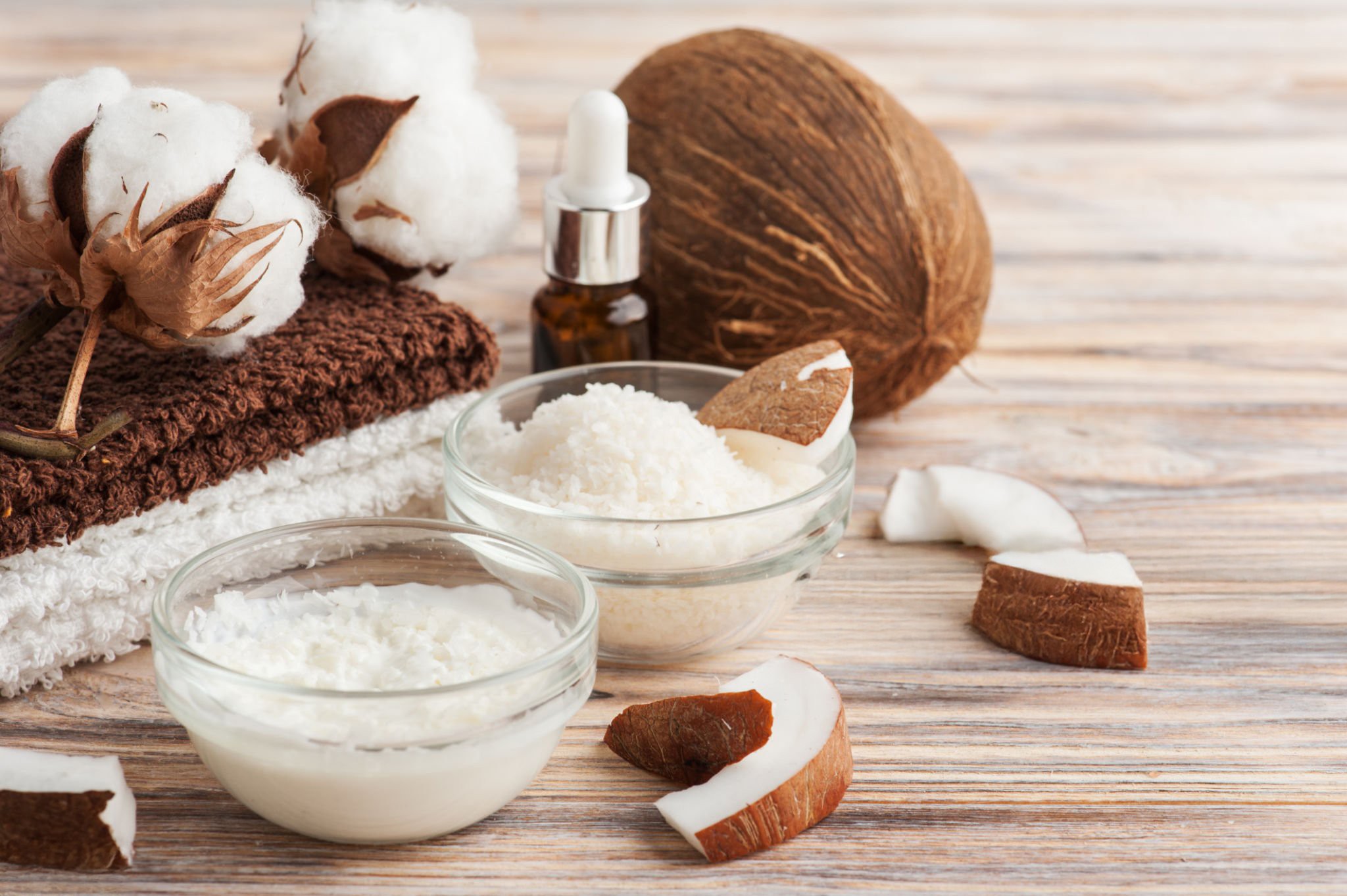
Organic coconut flour can be combined with various ingredients for natural skincare
How to Use Organic Coconut Flour in Cooking and Baking
Thanks to its fine texture and strong water absorption capacity, organic coconut flour is widely used in both baking and everyday cooking.
Compared to regular wheat flour, organic coconut flour absorbs significantly more liquid, so recipes often need to be adjusted to prevent dishes from becoming too dry or overly dense. Its naturally mild coconut flavor also helps enhance the taste and aroma of foods without requiring too many additional ingredients.
How to Use Organic Coconut Flour in Baking
Organic coconut flour is commonly used as a partial substitute for wheat flour in gluten-free and healthy baking recipes. However, it cannot completely replace wheat flour at a 1:1 ratio because of its very high moisture absorption capacity.
In general, only about 1/4 to 1/3 cup of organic coconut flour is needed to replace 1 cup of regular wheat flour. When using coconut flour, recipes also require additional liquid such as water, milk, or oil to maintain a soft texture. Many recipes also include extra eggs to improve binding and prevent the baked products from becoming too dry.
A common baking tip is to use approximately 1 egg for every 1/4 cup of organic coconut flour. This helps the batter retain moisture and maintain a more stable texture after baking.
Organic coconut flour works well in a variety of baked goods such as pancakes, muffins, cupcakes, cookies, and soft cakes.
Since coconut flour tends to clump easily, it is recommended to sift the flour before mixing for a smoother batter. For baked recipes, preheating the oven to around 190°C and using baking paper can also help prevent sticking.
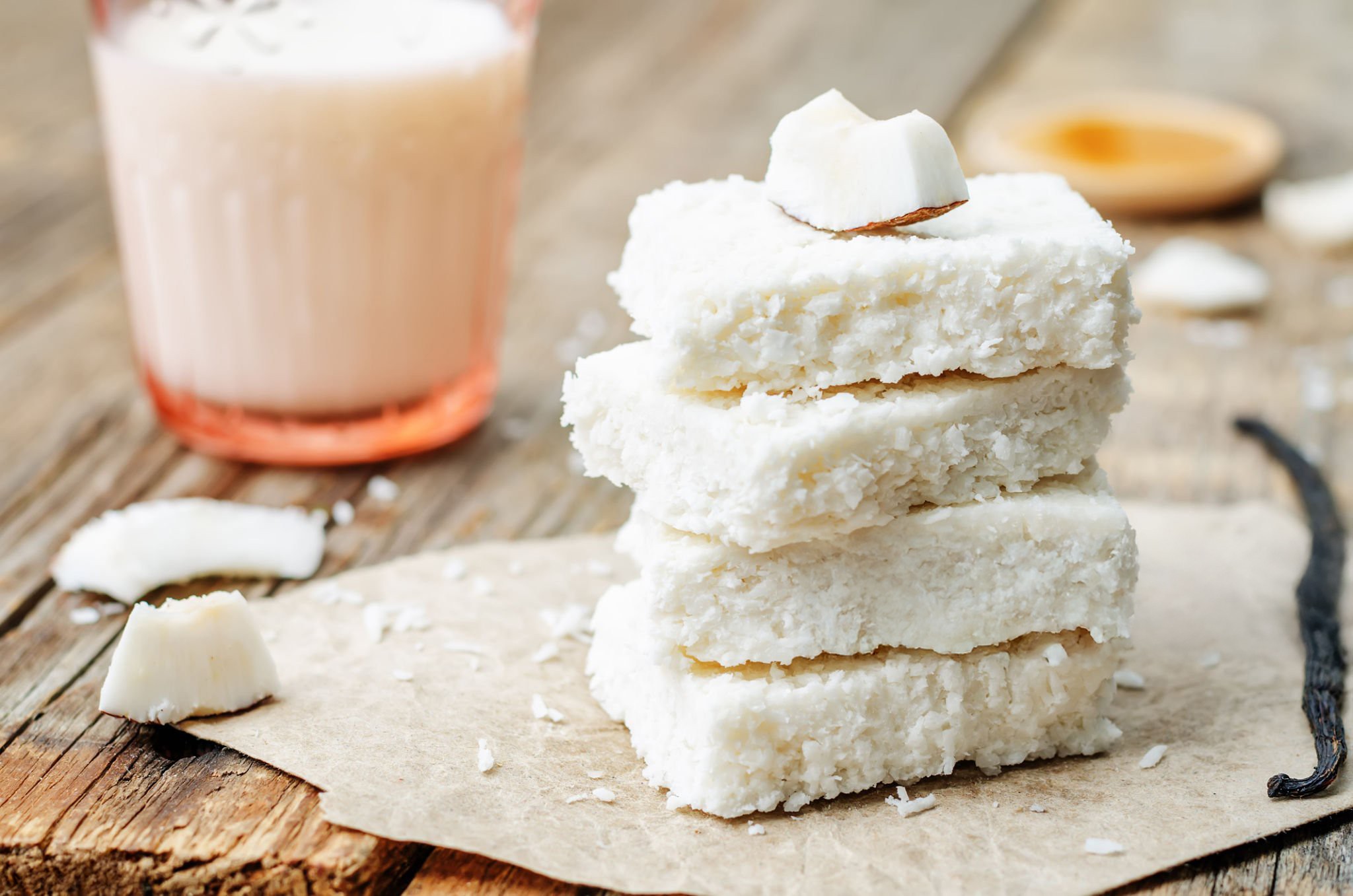
Cakes made with organic coconut flour have a moist texture and a naturally light coconut aroma
How to Use Organic Coconut Flour in Cooking
In soups, stews, or curry dishes, about 1-2 tablespoons of organic coconut flour can be added to create a natural thickening effect and enhance the dish with a mild coconut flavor. Thanks to its strong water absorption properties, coconut flour can also partially replace starch or wheat flour in sauces. In addition, it can be used as a coating for fried foods or as a substitute for breadcrumbs in modern cooking recipes.
Organic coconut flour can also be mixed into a coconut milk alternative by blending around 50g of flour with 100-250ml of warm water at approximately 80°C-90°C, stirring well until the desired consistency is achieved for different dishes.
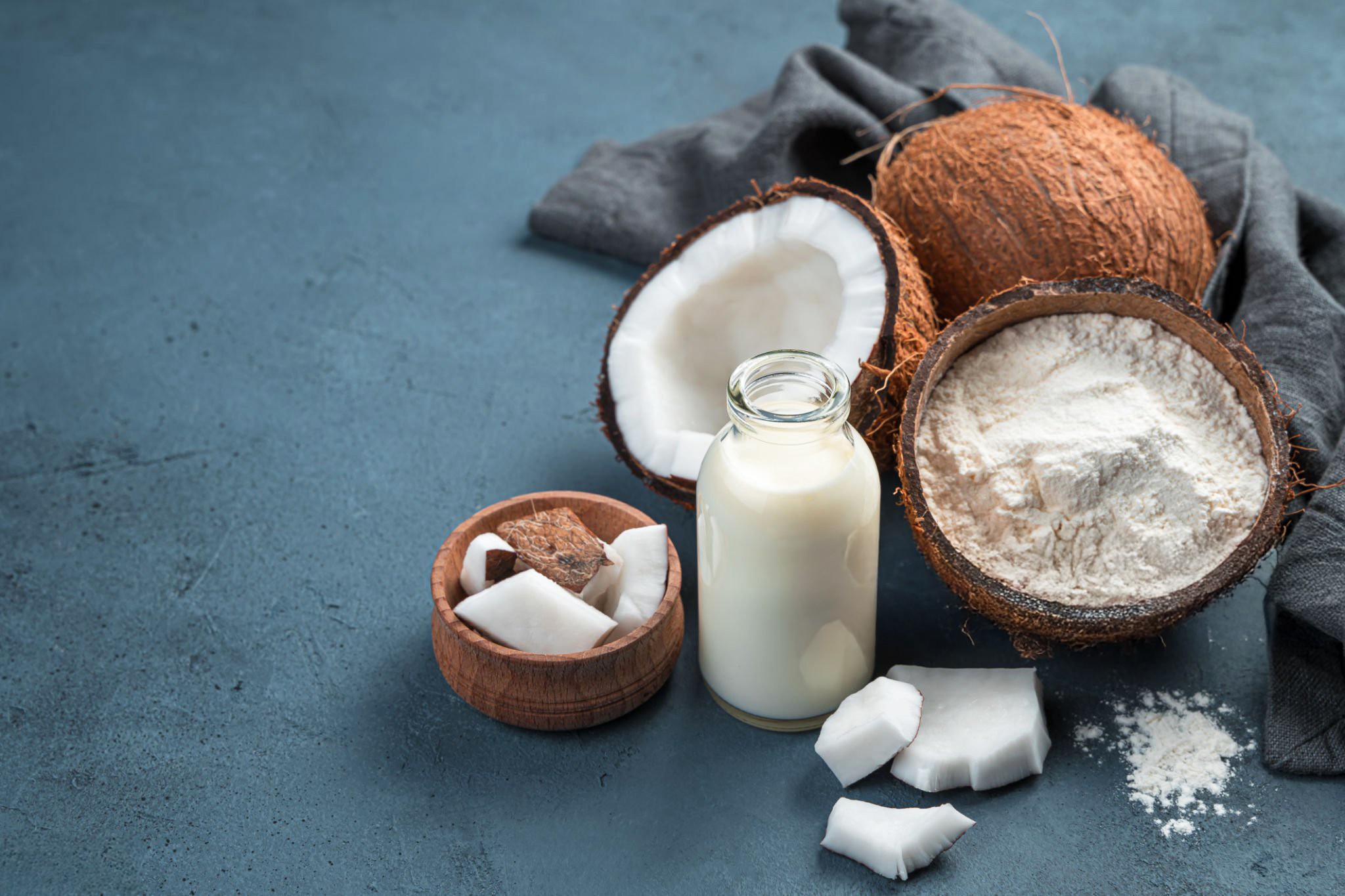
Used to make rich and aromatic coconut milk
It is also commonly added to smoothies, yogurt, oatmeal, or nutritional drinks to increase dietary fiber and plant-based protein intake. This is a popular way to incorporate coconut flour into meal plans for people following a healthy lifestyle or calorie-conscious diet.
Beyond everyday cooking, organic coconut flour is widely used in specialized diets thanks to its high fiber content, gluten-free nature, and lower starch level compared to many traditional flours. It is a common ingredient in low-carb, keto, eat clean, and portion-controlled meal plans.
This ingredient is also applied in functional food products such as protein bars, meal replacements, nutritional cereals, and fiber-enriched foods. With its fine texture and natural flavor, coconut flour helps enhance nutritional value without making foods overly heavy in taste.
Industrial Applications of Organic Coconut Flour
Applications in Healthy Food Products
Nowadays, organic coconut flour is widely used in healthy food products thanks to its high fiber content and naturally gluten-free properties. This ingredient is commonly found in foods designed for low-carb, keto, eat clean, and carbohydrate-controlled diets.
In the food industry, organic coconut flour is frequently used in granola, nutritional cereals, protein bars, diet-friendly baked goods, and meal replacement products. When incorporated into formulations, coconut flour not only helps improve nutritional value but may also promote a longer feeling of fullness.
The growing demand for plant-based and minimally processed ingredients has also made organic coconut flour an increasingly preferred choice among healthy food brands, especially in markets such as the United States, Europe, and Japan.

Organic coconut flour is used in healthy food products to enhance nutritional value
Applications in Functional Foods
Beyond conventional food products, organic coconut flour is also widely used in functional foods and modern nutritional products. Thanks to its plant-based origin and natural fiber content, this ingredient aligns well with the growing demand for clean-label and health-oriented products.
Many companies incorporate organic coconut flour into fiber supplements, plant-based nutritional powders, and products designed to support balanced diets. With its fine texture and easy blending properties, coconut flour can be combined with plant proteins, oats, and various nuts to create multi-functional nutritional formulations.
In addition to its nutritional benefits, organic coconut flour is highly valued for meeting the increasing demand for organic ingredients in the modern food industry, especially in premium and export-oriented product segments.
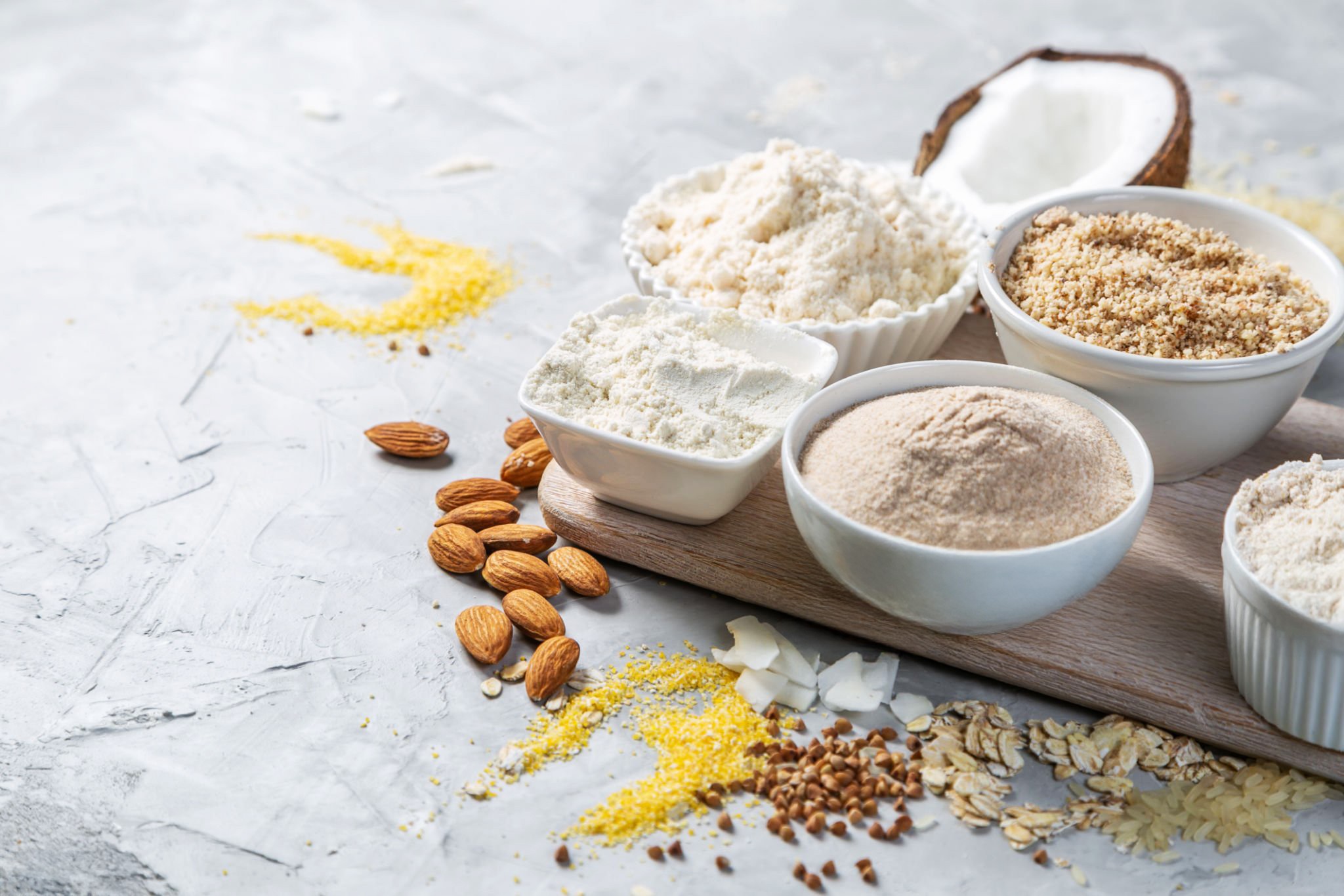
Combined with various flours and seeds in a balanced diet
Other Uses of Organic Coconut Flour
Besides its applications in food products, organic coconut flour is also used in personal care and certain pet-related products. However, the following uses are mainly intended for general care and support purposes, not as substitutes for medical treatments or professional healthcare advice.
Applications in Skincare
Organic coconut flour can be incorporated into natural face mask recipes thanks to its fine texture and ability to blend well with other skincare ingredients.
For moisturizing masks, organic coconut flour can be mixed with unsweetened yogurt to create a smooth paste that may help soften the skin. Some recipes also combine it with honey or fresh milk to enhance moisture and help the skin appear fresher after use.
Organic coconut flour is also used in skincare mixtures designed for oily skin because of its mild oil-absorbing properties on the skin’s surface. However, it is recommended to test the mixture on a small area of skin first to check for compatibility before applying it to the entire face.
Body Exfoliation
Thanks to its fine granular texture, organic coconut flour is also used as a natural ingredient for body exfoliation.
It can be mixed with coconut oil, olive oil, or honey to create a scrub that helps remove dead skin cells and surface impurities. When gently massaged onto the skin during bathing, this mixture may help leave the skin feeling softer and support natural skin cleansing.
Applications in Pet Products
Organic coconut flour is sometimes used as an ingredient in homemade pet treats and pet food thanks to its gluten-free properties and high fiber content.
A small amount of organic coconut flour may help add dietary fiber to a pet’s meal plan. In addition, the natural fatty acids derived from coconut may help support healthy skin and coat condition when used in appropriate amounts.
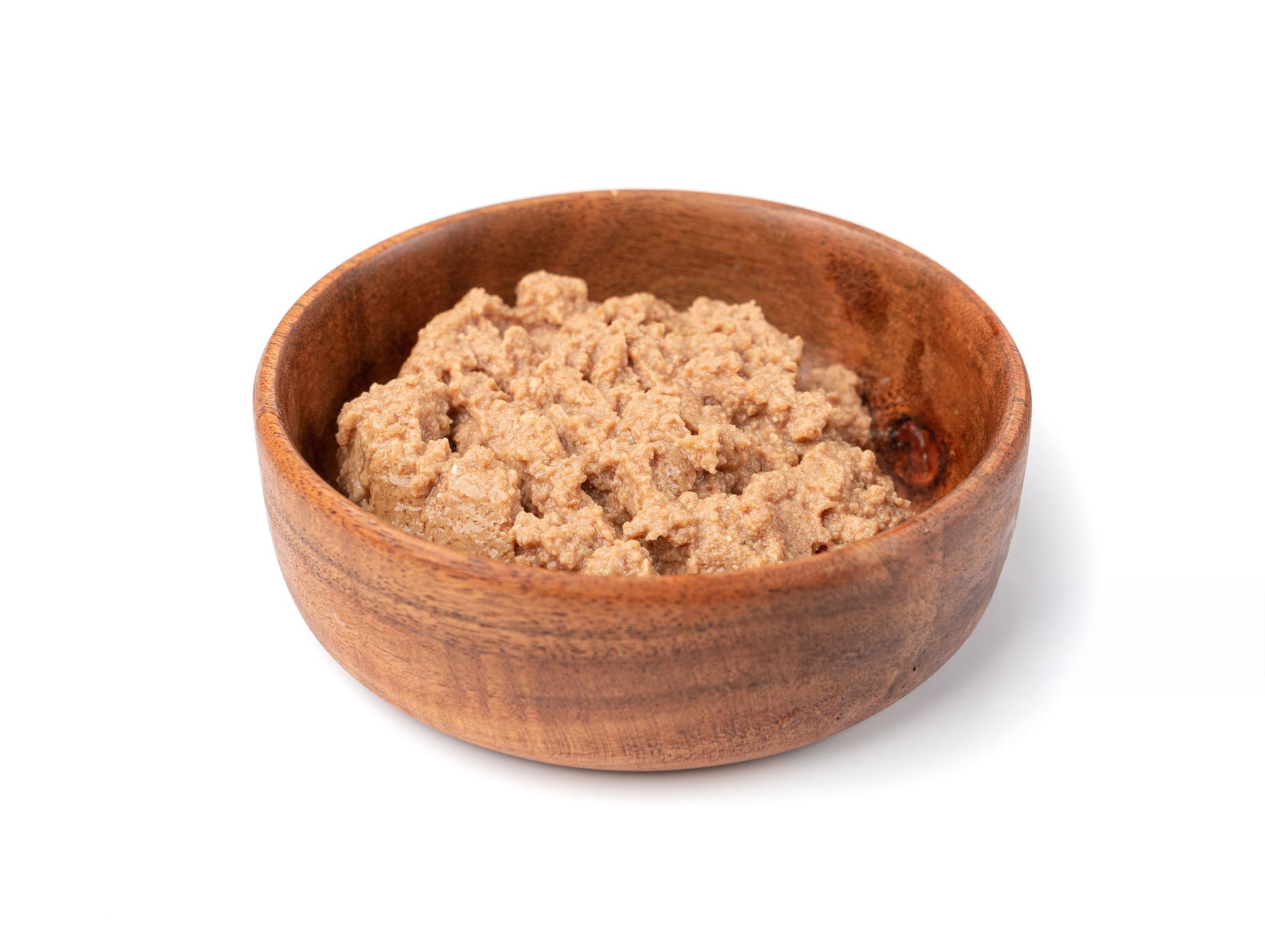
Organic coconut flour can be mixed into pet pâté recipes
How to Choose High-Quality Organic Coconut Flour
Check Organic Certifications and Product Ingredients
When choosing organic coconut flour, one of the most important factors is checking the organic certifications and ingredient list on the packaging. Trusted certifications such as USDA Organic and EU Organic indicate that the coconuts were cultivated according to organic farming standards, with limited use of pesticides, chemical fertilizers, and genetically modified ingredients during production.
High-quality coconut flour typically contains a simple ingredient list, mainly made from 100% dried and finely ground coconut meat, without added sugar, artificial flavors, or unnecessary preservatives. For consumers following specific dietary plans, products clearly labeled “gluten-free” may also be preferred to ensure suitability for their needs.
Observe the Color, Texture, and Aroma
High-quality organic coconut flour typically has a natural off-white or creamy white color rather than an unusually bright white appearance. An overly white color may sometimes indicate intensive processing or bleaching methods.
The fineness of the flour also affects its usability. Premium coconut flour is usually light, finely milled, and free from excessive clumping. A uniform texture helps the ingredient blend more easily during food preparation.
In addition, fresh coconut flour should have a naturally mild coconut aroma. If the product has an old oily smell, rancid odor, or any unusual scent, it may indicate oxidation or improper storage conditions.
Prioritize Products with an Appropriate Production Process
The production process greatly affects the quality and nutritional value of organic coconut flour. High-quality organic coconut flour is typically made from coconut meat that has been pressed to extract oil or coconut milk, then dried at low temperatures and finely milled. This process helps reduce fat content while preserving the natural nutrients, fiber, and coconut flavor, as well as extending shelf life.
For industrial applications or baking purposes, technical specifications such as moisture level, fineness, and fat content are also important factors to consider when selecting a product.
Choose Reputable Brands and Proper Packaging
Organic coconut flour should be packaged securely to minimize exposure to air and moisture, helping preserve its natural flavor and product quality during storage. Zipper bags, multi-layer packaging, or vacuum-sealed packaging are commonly used to reduce moisture absorption and prevent clumping. After opening, the product should be stored in a dry place or refrigerated to maintain freshness for a longer time.
It is also recommended to choose brands that provide clear information about raw material sources, production processes, and quality standards. Brands that are transparent about certifications and traceability generally offer greater reliability for both consumers and business buyers.
Which Country Produces the Best Organic Coconut Flour?
In the international market, the leading countries in organic coconut flour production include the Philippines, Sri Lanka, Indonesia, and Vietnam. These countries all have tropical climates that are highly suitable for coconut cultivation and well-developed coconut processing industries.
Vietnam is increasingly recognized in the organic coconut industry thanks to its stable raw material quality, internationally certified farming areas, and ability to meet strict export market requirements. In particular, Ben Tre Province (now part of Vinh Long Province) is considered the “coconut capital” of Vietnam, with large coconut-growing areas and a strong ecosystem for coconut processing and manufacturing.
Thanks to favorable climate and soil conditions, Vietnamese coconuts are known for their rich flavor, thick coconut meat, and consistent quality. These characteristics are especially important for value-added coconut products such as organic coconut flour, desiccated coconut, and coconut milk. Many coconut manufacturers in Vietnam currently hold international certifications such as BRC, HACCP, FDA, Halal, Kosher, USDA Organic, and EU Organic to serve global export markets.
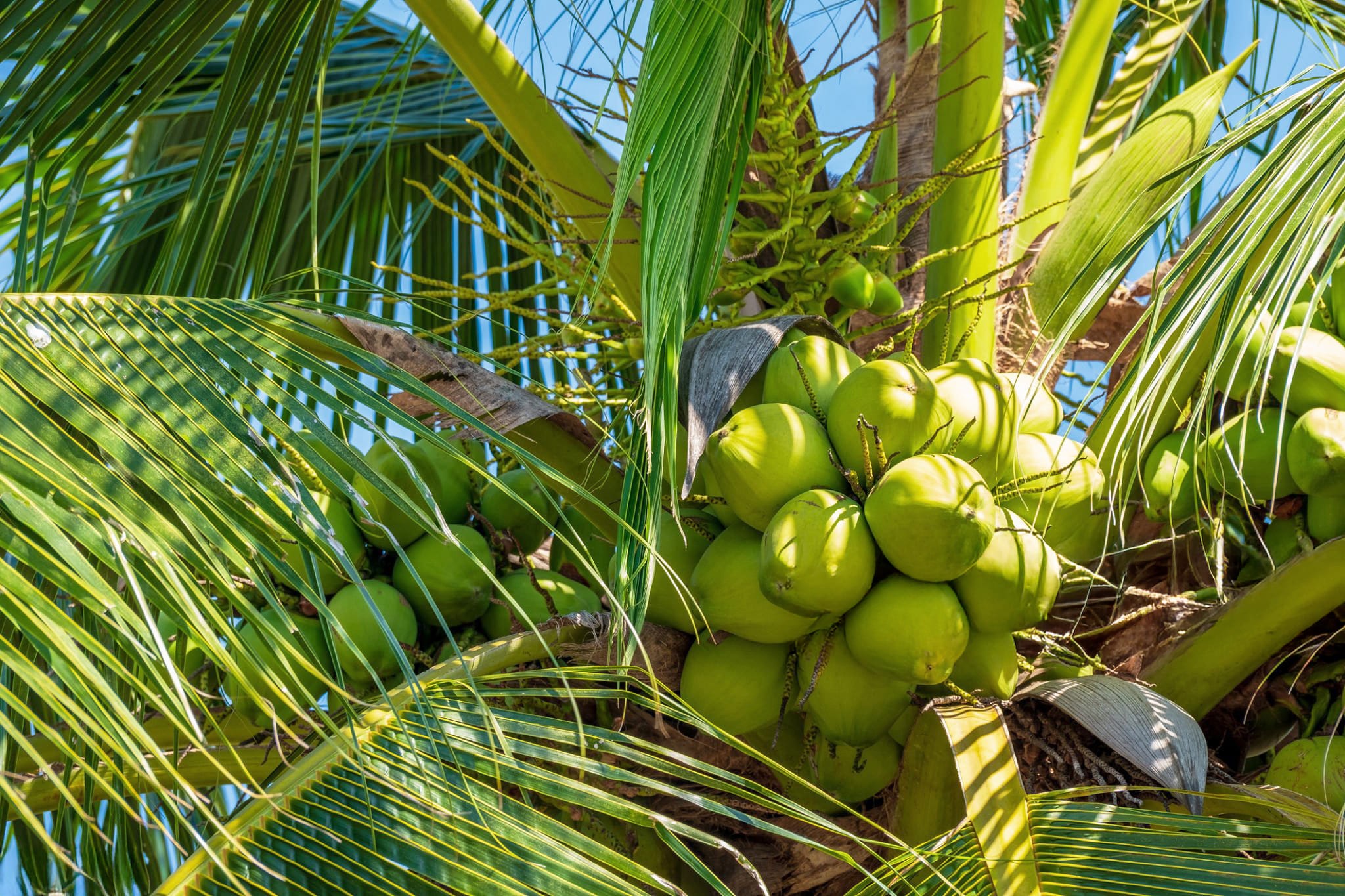
Vietnam is one of the leading countries in producing high-quality organic coconut flour
Organic Coconut Flour Supplier for B2B and Industrial Food Production
COMOON is a professional supplier of coconut-based products, featuring its organic coconut flour line for the B2B market and industrial food manufacturing. COMOON is a member of HungHau Foods, with coconut sourcing areas in Ben Tre and a production system that meets international standards.
COMOON Organic Coconut Flour is made from 100% organic defatted coconut meat and produced under a strict manufacturing process to ensure stable quality and full traceability. The product is suitable for bakery production, functional foods, diet-friendly products, and OEM export orders.
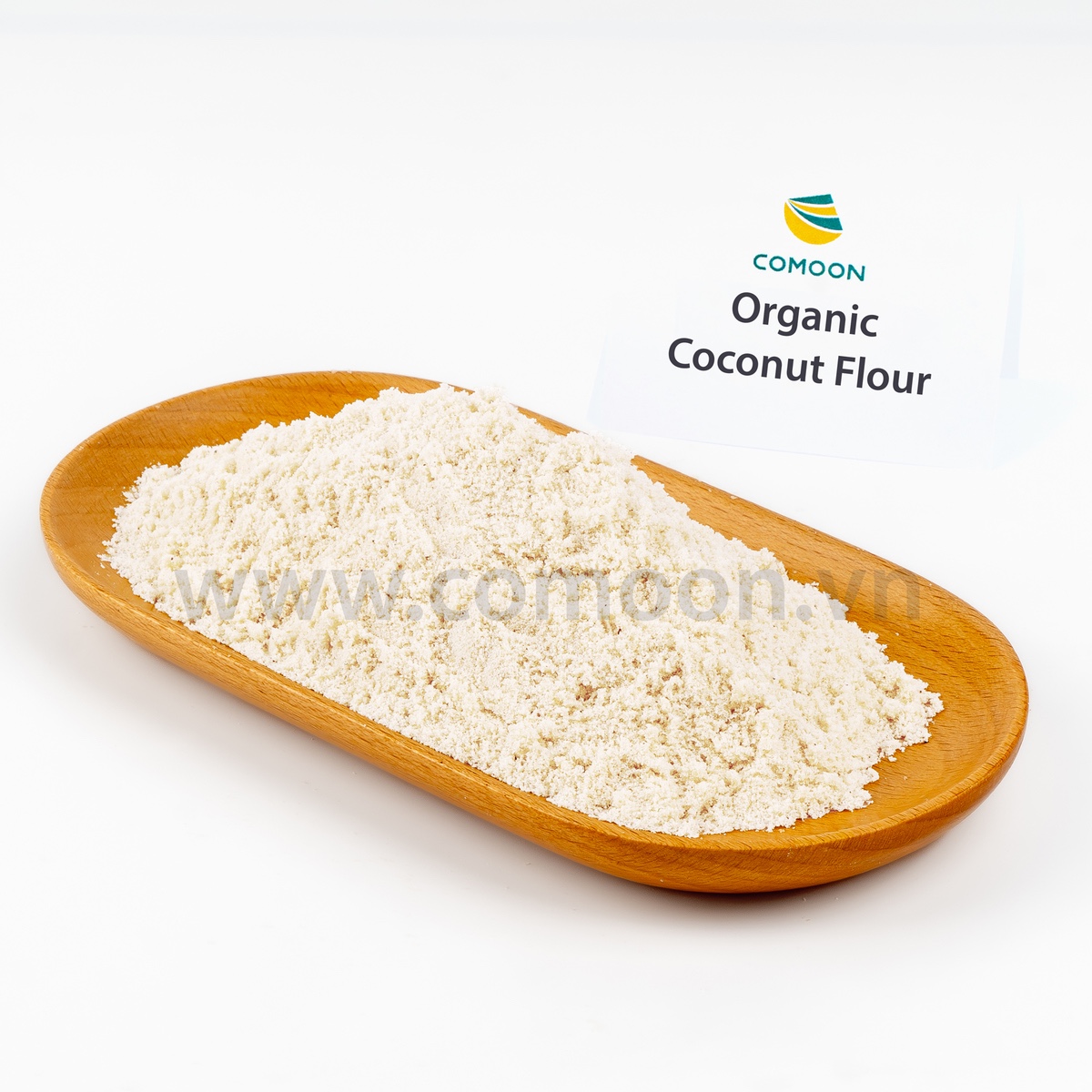
COMOON is a high-quality organic coconut flour supplier for B2B and industrial food production
COMOON’s Strengths in B2B and Industrial Food Production
COMOON is a coconut-focused brand specializing in products for the B2B market and industrial food manufacturing. With advantages in raw material sourcing, quality standards, and flexible supply capabilities, COMOON is increasingly becoming a trusted partner for both domestic and international businesses.
Stable Organic Coconut Supply from Ben Tre
COMOON benefits from its coconut sourcing areas in Ben Tre, one of Vietnam’s most well-known coconut-growing regions. The coconuts are cultivated according to U.S. and European organic standards, ensuring stable raw material quality and clear traceability.
With strong control over its raw material supply, COMOON can meet large-scale production demands for B2B partners, OEM projects, and export markets.
International Standards and Certifications
COMOON’s products comply with multiple international standards for the food and export industries, including BRCGS, ISO, HACCP, FDA, Halal, USDA Organic, and EU Organic certifications. These certifications provide a strong foundation for expanding partnerships in bakery, healthy food, functional food, and premium food sectors.
In addition, COMOON is a member of HungHau Foods, which has received recognitions such as “Vietnam Business Culture Standards 2025” and “Ho Chi Minh City Green Enterprise 2025.”
Flexible OEM and Industrial Production Capabilities
COMOON offers flexible supply solutions for OEM orders and industrial food manufacturing, with various packaging options tailored to the requirements of different markets.
COMOON Organic Coconut Flour is widely used in the production of baked goods, nutritional cereals, gluten-free foods, diet-friendly products, and many modern processed food lines. With its high fiber content, controlled fat level, and internationally certified raw materials, the product aligns well with the growing demand for clean and sustainable food ingredients.
Strengthening Brand Position in the Market
In 2025, COMOON was honored in the “Top 100 Strong Brands of Vietnam – Vietnam Top Brand Awards 2025.” This recognition further reinforces the brand’s position in Vietnam’s food and coconut product industry.
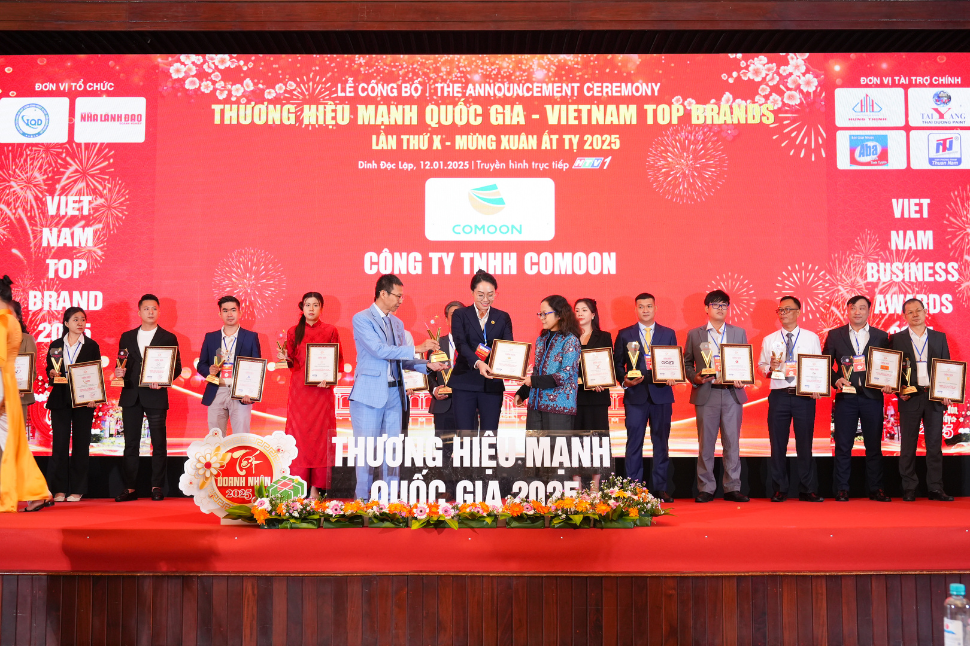
COMOON was honored in the “Top 100 Strong Brands of Vietnam - Vietnam Top Brand Awards 2025”
Beyond product quality, COMOON is also committed to sustainable development, enhancing the value of Vietnamese agricultural products, and expanding the global presence of Vietnamese coconut ingredients in international markets.
Thanks to its stable quality and flexible supply capabilities, COMOON Organic Coconut Flour is trusted by many domestic and international partners for modern food product lines.
Organic coconut flour is not only an ingredient that aligns with healthy eating trends, but also contributes to enhancing the value of Vietnam’s coconut industry in the global market. If you are looking for a high-quality organic coconut flour supplier for manufacturing or export, COMOON is a reliable choice with stable raw material sourcing, international standards, and flexible supply solutions for the B2B market.
Contact:
COMOON Co., Ltd
Phone: +84 366 053 666
Email: info@comoon.vn
Website: comoon.vn
References:
https://nutritionsource.hsph.harvard.edu/carbohydrates/fiber
https://www.cobote.vn/lauric-acid-co-duoc-xem-la-mct-khong
Share :
Customer comments
Other news
COMOON Co., Ltd.
58 Co Giang Street, Cau Ong Lanh Ward, District 1, Ho Chi Minh City, Vietnam
T: (+84) 366 053 666
- Business Registration No.: 0318171053
- Issued on November 17, 2023 by the Department of Planning and Investment of Ho Chi Minh City.

Copyright © 2024 COMOON


