




- Login
- Register


News
The latest updates from COMOON. Stay tuned to not miss any information!
WHAT IS COCONUT FLOUR? HEALTH BENEFITS OF COCONUT FLOUR
Saturday, 06/06/2026, 17:21
Coconut flour is becoming increasingly popular in the food industry thanks to its nutritional value and versatile applications. From baked goods and beverages to diet foods and industrial food production, coconut flour offers both nutritional benefits and flexibility in use. Let’s explore what is coconut flour and the health benefits it can provide in this article.
What Is Coconut Flour? What Is Organic Coconut Flour?
Coconut flour is a type of flour made from defatted coconut meat after the extraction of coconut milk or coconut oil. The remaining coconut solids are dried and finely ground into an off-white powder with a texture similar to wheat flour and a naturally mild coconut flavor.
Compared to many traditional flours, coconut flour is high in dietary fiber, lower in fat due to the oil extraction process, and naturally gluten-free. It is widely used in health-focused food products, especially for people following gluten-free diets or looking to increase fiber intake in their daily meals.
Organic coconut flour is produced from coconuts grown under organic farming standards, with limited use of chemicals, synthetic fertilizers, and genetically modified ingredients during cultivation and processing. It complies with strict certifications such as EU Organic, USDA Organic (USA), and JAS (Japan). This product aligns with the growing green consumption trend while offering high nutritional value.
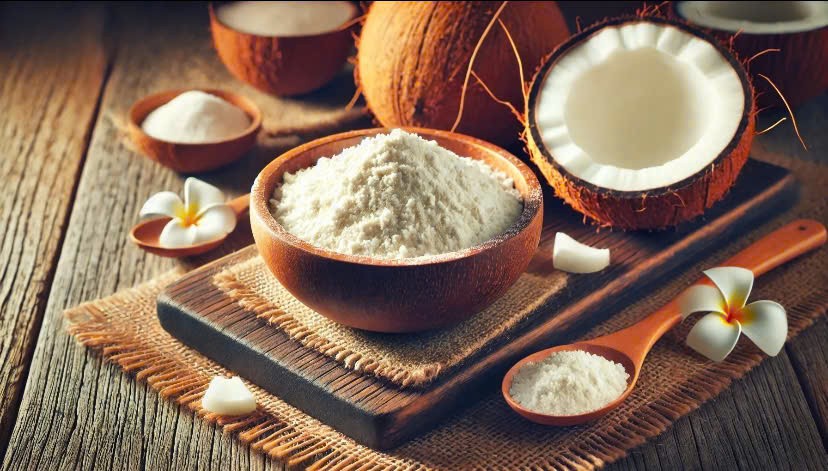
Coconut flour has an off-white color and a naturally mild coconut aroma (Source: Internet)
Coconut Flour vs. Desiccated Coconut: What Is the Difference?
Many people often confuse coconut flour with desiccated coconut because both are made from coconut meat. However, they are completely different ingredients in terms of composition and intended use.
| Criteria | Coconut Flour | Desiccated Coconut |
| Raw Material | Defatted coconut meat | Whole coconut meat |
| Production Process | Coconut oil or coconut milk is extracted first, then the remaining coconut meat is dried and finely ground | Coconut meat is directly dried and shredded or coarsely ground |
| Fat Content | Lower due to oil extraction | Higher because it retains natural coconut oil |
| Fiber Content | High | Lower |
| Texture | Fine powder | Shredded or granular texture |
| Water Absorption | High | Lower |
| Common Applications | Baking, diet foods, gluten-free products | Toppings, fillings, direct consumption |
| Flavor | Mild and less rich | Richer and more pronounced coconut flavor |
Nutritional Composition of Coconut Flour
Coconut flour is highly valued for its diverse nutritional profile, especially its high fiber content, plant-based protein, and important minerals such as potassium and iron. These nutritional benefits are among the main reasons why coconut flour is widely used in health-focused food products.
According to data from USDA FoodData Central, a serving of approximately 28g of coconut flour may provide:
- 120 kcal
- 16g carbohydrates
- 10g fiber
- 4g protein
- 4g fat
- 2g sugar
Compared to traditional wheat flour, coconut flour contains significantly higher amounts of fiber and protein. At the same time, it is lower in carbohydrates, making it a popular choice for people following low-carb or carbohydrate-controlled diets.
Potassium and dietary fiber are two nutrients that are often lacking in modern diets. Adding coconut flour to daily meals may help support nutritional balance and improve overall diet quality.
In addition, coconut flour is naturally gluten-free, making it suitable for people who want to reduce or avoid gluten in their diets.
Health Benefits of Coconut Flour
Helps Maintain Stable Blood Sugar Levels
Organic coconut flour does not typically cause sudden spikes in blood sugar levels like some refined flours. According to experts from Mayo Clinic, fiber provides many health benefits by slowing digestion, which helps support more balanced blood sugar levels.
Compared to all-purpose wheat flour, coconut flour contains lower carbohydrates and higher protein content. Therefore, foods made with coconut flour are often used in low-carb, weight-management, or blood sugar-conscious diets.
Supports Digestive Health
According to Harvard T.H. Chan School of Public Health, a high-fiber diet helps improve digestive function and supports a healthy gut microbiome. Coconut flour is rich in insoluble fiber, which helps promote bowel movements and supports smoother digestive function, helping reduce constipation and support the growth of beneficial gut bacteria for better digestive health.
Coconut flour also contains small amounts of soluble and naturally fermentable fiber, which may help nourish beneficial gut bacteria and support gut microbiome health.
Supports Heart Health
The fiber and potassium content in coconut flour may contribute to supporting cardiovascular health.
Some studies suggest that high-fiber diets are associated with improved cholesterol and triglyceride levels. The soluble and insoluble fiber found in coconut flour may help bind and remove excess cholesterol, thereby supporting lower total cholesterol and LDL (“bad”) cholesterol levels.
Potassium is an essential mineral that helps balance sodium levels in the body and reduce pressure on blood vessel walls, which may help support healthy blood pressure. According to the American Heart Association, adequate potassium intake combined with a balanced diet may help support better heart health.
Supports Metabolism
Coconut flour still contains a small amount of naturally occurring medium-chain triglycerides (MCTs) from coconuts. According to Heathline, MCTs are fats that are rapidly converted into energy rather than stored long-term in the body, which may help support metabolism and provide a quicker energy source.
Suitable for Gluten-Free Diets
Coconut flour is naturally gluten-free, making it suitable for people with gluten intolerance, celiac disease, or those following a gluten-free diet and looking for an alternative to traditional wheat flour.
Helps Promote Fullness
The fiber and plant-based protein in coconut flour may help increase feelings of fullness after meals. This can support calorie control and contribute to maintaining a healthy body weight.
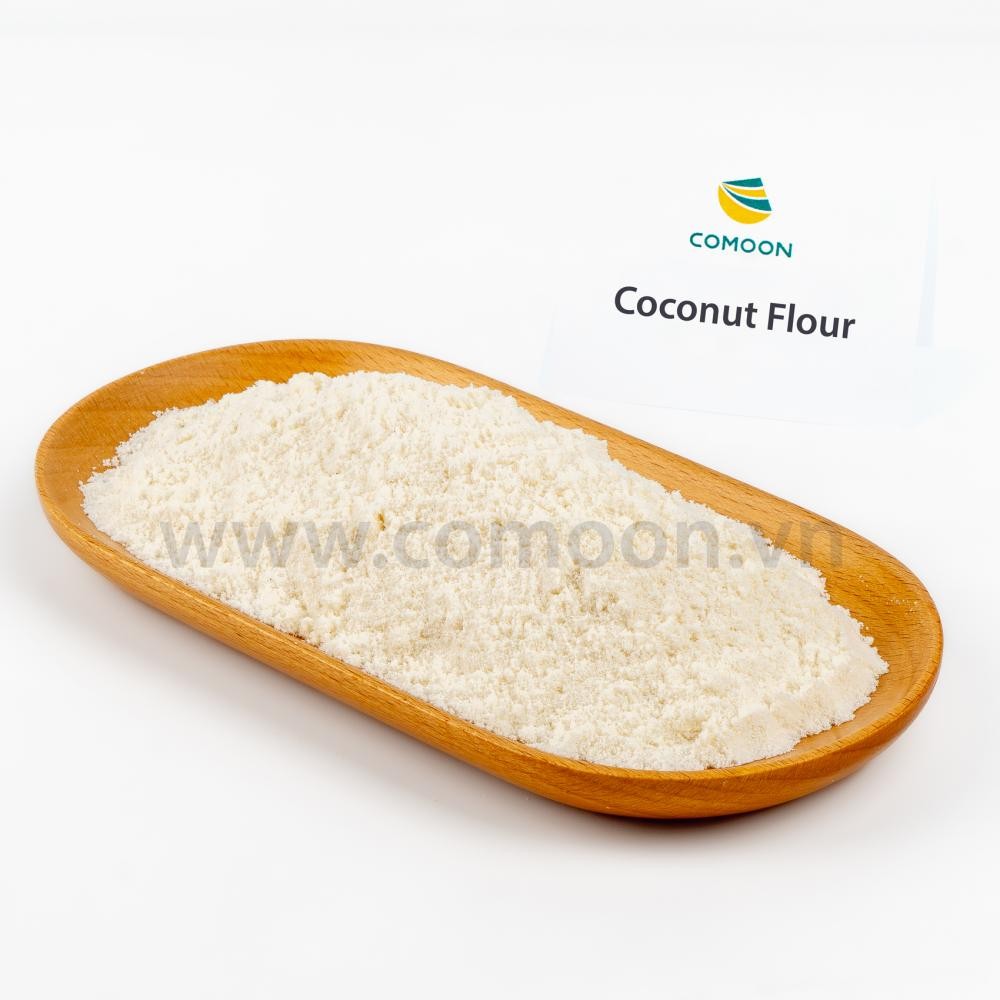
COMOON Coconut Flour offers many health benefits
Culinary Uses of Coconut Flour
Ingredient in Savory Dishes
Creates a Crispy Coating for Fried Foods
Coconut flour can be used as a coating for various fried dishes such as:
- Coconut-crusted fried chicken
- Pan-seared salmon coated with coconut flour
- Crispy fried shrimp
- Fried vegetables like zucchini or sweet potato
The coating helps create a crispier texture while adding a light natural coconut aroma to the dish.
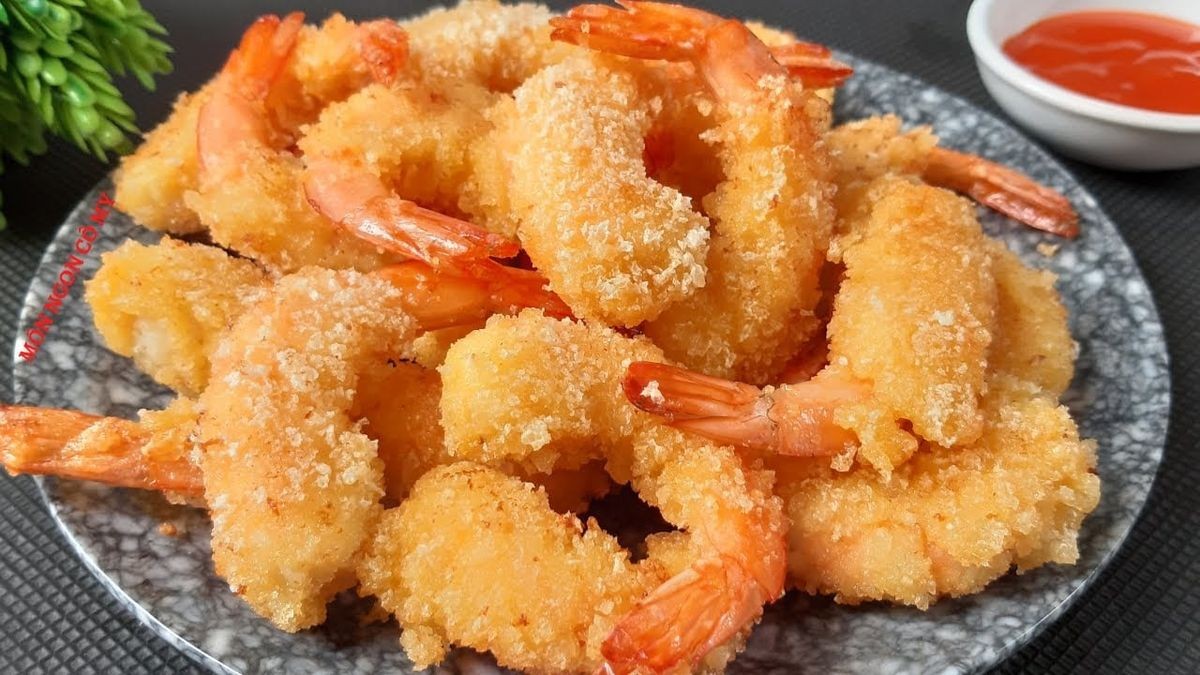
Coconut flour can be used as a coating for fried dishes, making them crispier with a naturally light coconut aroma (Source: Internet)
Natural Thickening Agent
Coconut flour can also be used to thicken dishes such as:
- Pumpkin soup
- Mushroom sauce
- Chicken curry
- Cream sauce for pasta
Compared to cornstarch or wheat flour, coconut flour adds more fiber and provides a naturally mild richness to the dish.
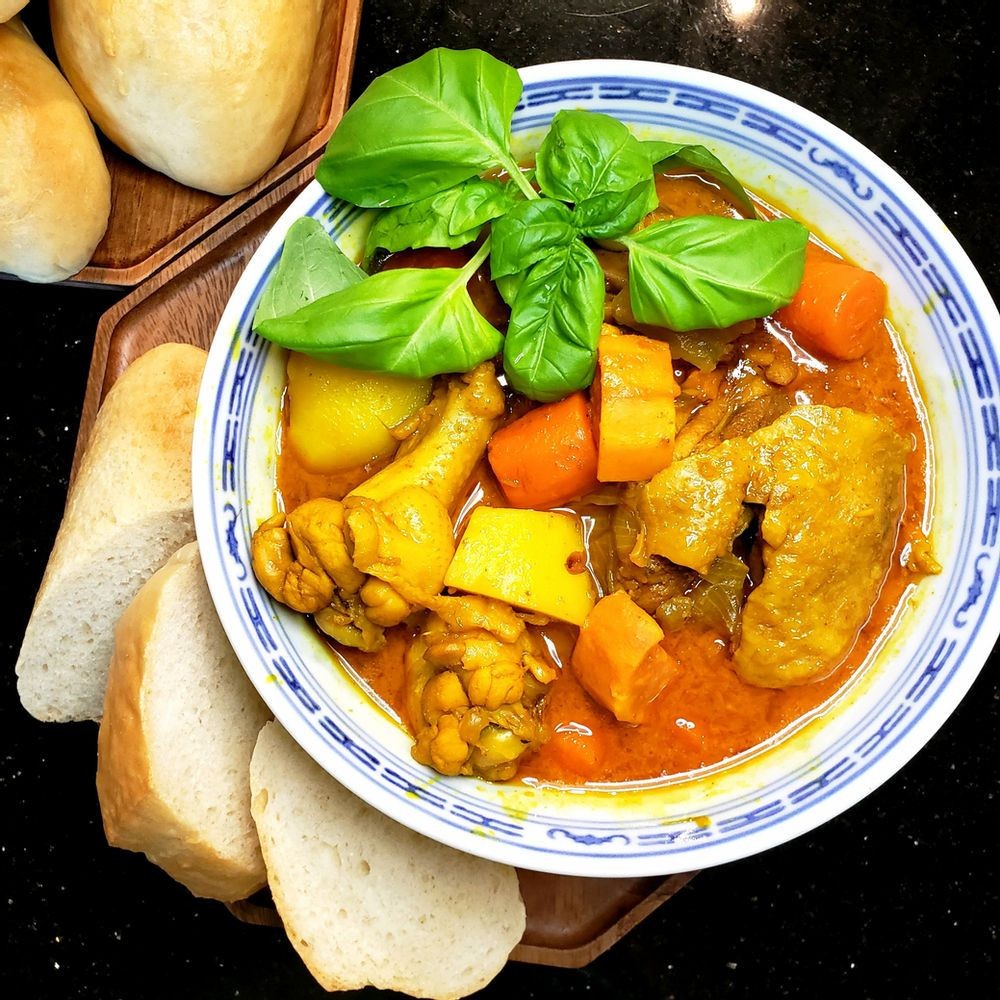
Coconut flour is used to create a thicker texture for curry dishes (Source: Internet)
Enhances the Nutritional Value of Drinks and Snacks
Smoothies and Shakes
Adding just 1-2 tablespoons of coconut flour to smoothies and shakes such as:
- Mango smoothie
- Avocado smoothie
- Berry smoothie
- Banana oat smoothie
can help create a thicker texture while increasing the fiber content.
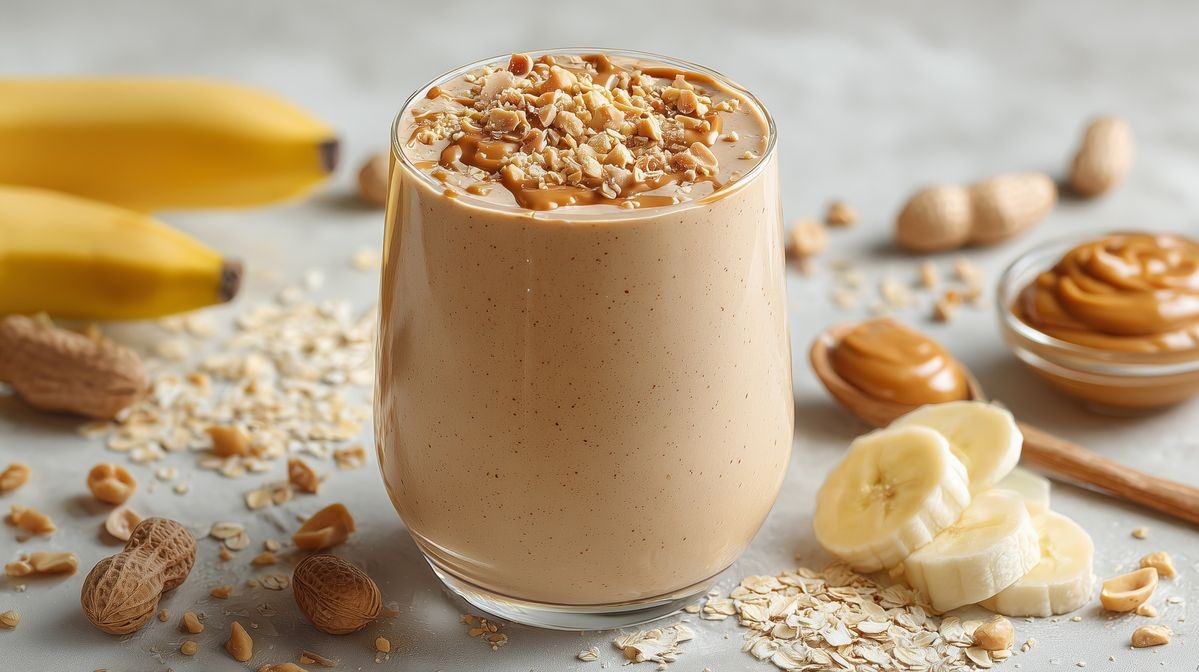
Just 1-2 tablespoons of coconut flour can make smoothies and shakes thicker, more flavorful, and higher in fiber (Source: Internet)
Mixed with Yogurt or Oatmeal
Coconut flour can be mixed directly into:
- Greek yogurt
- Oatmeal
- Homemade granola
to enhance flavor and help create a more filling snack or light meal.
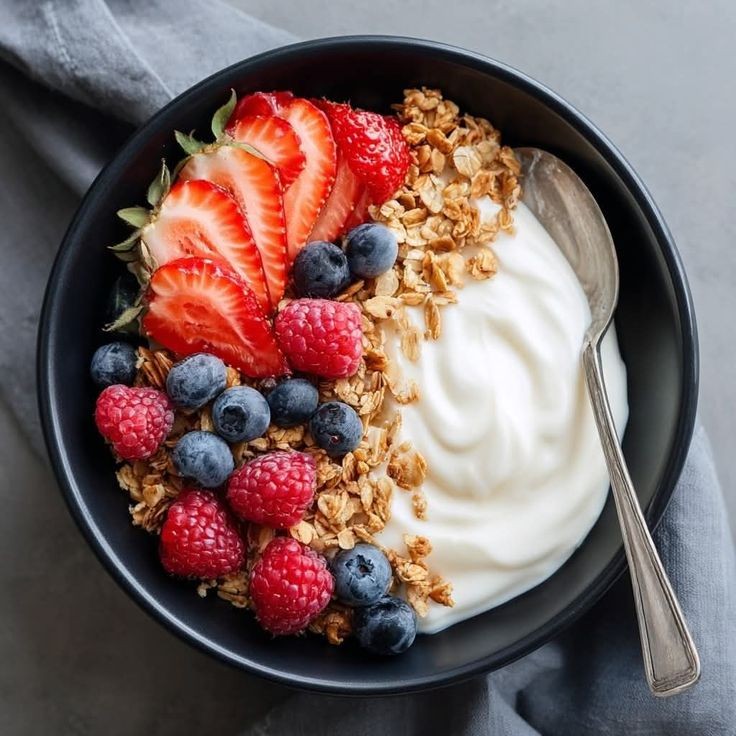
Coconut flour can be combined with yogurt, oatmeal, or granola (Source: Internet)
Applications of Coconut Flour in Industrial Food Production
Bakery and Confectionery Industry
The bakery and confectionery sector is one of the largest consumers of coconut flour, accounting for a significant share of its industrial food applications.
Replacing Wheat Flour in Baking
Coconut flour is widely used in gluten-free baking recipes thanks to its fine texture, strong water absorption capacity, and high fiber content. In industrial production, it is often blended with other types of flour to create products with a more stable structure.
Compared to traditional wheat flour, coconut flour has a lower carbohydrate content, making it suitable for baked goods targeting dieters or individuals who need to control their sugar intake.
Cakes, Muffins, and Baked Goods
Coconut flour is commonly used in pancakes, cookies, muffins, cupcakes, and sponge cakes due to its excellent moisture-retaining ability. When incorporated into baking formulas, it helps the final products achieve a soft, moist texture and reduces dryness after baking.
Its naturally mild coconut aroma also enhances the flavor of baked goods without the need for excessive added flavoring agents.

Cakes made with coconut flour have a lightly sweet taste and natural coconut aroma (Source: Internet)
Bread and Ready-to-Bake Mixes
In addition to sweet baked goods, coconut flour is also used in bread production, pie crusts, and pre-mixed flour blends for the industrial food sector. It can serve as either a main ingredient or be combined with other gluten-free flours to achieve the desired texture for different product lines.
In the modern bakery industry, the growing demand for gluten-free bread has made coconut flour a promising ingredient for new recipe development. Some manufacturers also incorporate coconut flour into ready-to-bake products or frozen bread and pastries to meet the increasing demand for convenience foods among consumers.
Improves Product Texture
Thanks to its strong water-absorption capacity, coconut flour helps baked goods retain moisture, resulting in a light, airy texture and a naturally mild coconut aroma.
Its high water-binding ability allows products to stay moist for longer and develop a softer, more elastic crumb structure. This is especially important in industrial baking, as it helps reduce the risk of products becoming dry or hard during storage.
The subtle natural coconut flavor also enhances the sensory quality of the final product without overpowering its main taste profile.

Coconut flour can be used to make bread, bringing a unique and refreshing flavor experience (Source: Internet)
Functional Foods and Nutritional Products
Thanks to its high fiber content, gluten-free nature, and plant-based origin, coconut flour is increasingly used in health-oriented food products. It is a suitable ingredient for natural foods and products designed for healthy eating lifestyles.
In the nutritional food industry, coconut flour is commonly found in fiber-enriched products, weight-management foods, and diet-friendly formulations.
Energy Bars and Protein Bars
Coconut flour helps improve texture, add dietary fiber, and provide a natural flavor without the need for excessive additives in energy bars and protein bars.
It is often combined with oats, almonds, or plant-based proteins to create high-fiber, high-protein nutritional bars. Some products also include dried fruits such as blueberries, raisins, or dried bananas to enhance natural sweetness and nutritional value.
Keto and Low-Carb Products
With a lower glycemic index compared to traditional wheat flour, coconut flour is well-suited for keto, low-carb, and blood sugar–friendly products. Its high fiber content also promotes a longer-lasting feeling of fullness, making it ideal for reduced-carb diets and weight management.
Coconut flour is also used in healthy snacks and sports nutrition products due to its ability to provide energy and support balanced nutrition.
Processed Foods
Snacks and Ready-to-Eat Products
Coconut flour is used in snacks, cereals, and ready-to-eat products because of its stability and good blending properties.
Nutritional Beverages
Defatted coconut flour is also used in powdered protein shakes and smoothie mixes to enhance texture and nutritional value.
Other Uses of Coconut Flour
Natural Beauty Applications
Thanks to its fine texture and plant-based origin, coconut flour is also used in some handmade skincare recipes. It can be combined with ingredients such as honey or yogurt to create facial masks, natural exfoliating scrubs, or simple homemade skincare treatments.
Ingredient in Handmade Products
Coconut flour is also used in handmade products such as artisanal soaps, scented candles, and natural fragrance products thanks to its light and characteristic coconut aroma.
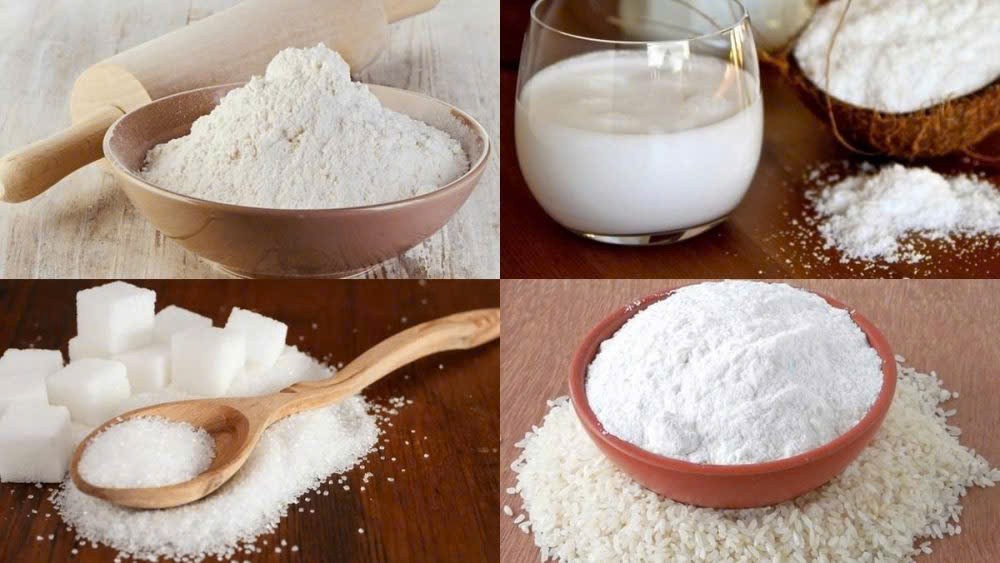
A wide variety of uses that should not be overlooked (Source: Internet)
Which Country Produces the Best Coconut Flour?
Tropical countries with abundant coconut resources are known for producing high-quality coconut flour, particularly Vietnam, the Philippines, Indonesia, and Sri Lanka.
Among them, Vietnam has strong advantages thanks to its rich coconut-growing regions, especially in Ben Tre, along with long-standing expertise in coconut processing. Vietnamese coconut flour products are increasingly recognized for their quality standards, production processes, and ability to meet export market demands.
Ben Tre is currently regarded as the “coconut capital” of Vietnam, with large-scale coconut plantations and a stable year-round supply of raw materials. This advantage enables coconut flour manufacturers to maintain a proactive supply chain and better control the quality of input ingredients.
In addition to raw material advantages, many Vietnamese companies have also heavily invested in modern processing technologies and closed-loop production systems to ensure consistent product quality. Several factories have obtained international certifications such as HACCP, BRC, FDA, Halal, Kosher, and Organic standards to meet the requirements of export markets including the United States, Europe, Japan, and South Korea.
COMOON Coconut Flour
COMOON Coconut Flour is made from 100% defatted organic coconut meat, harvested from coconut-growing areas in Ben Tre, Vietnam. The product is manufactured on a closed-loop production line with moisture control processes in accordance with technical standards to ensure consistent quality.
With its low fat content and high fiber level, COMOON Coconut Flour is suitable for a wide range of modern food applications. It is gluten-free and can be used in baking recipes, beverages, or products aligned with healthy and gluten-free trends.
COMOON Coconut Flour is developed to flexibly meet the needs of both domestic customers and international export partners.

High-quality Vietnamese coconuts are attracting attention from many international markets (Source: Internet)
As consumers increasingly prioritize natural and health-conscious foods, coconut flour is becoming a promising ingredient for both the food industry and various other applications in the future. Along with this growing trend, COMOON Coconut Flour is also being increasingly used in food preparation and products that meet modern consumer needs.
Contact:
COMOON Co., Ltd
Phone: +84 366 053 666
Email: info@comoon.vn
Website: comoon.vn
References:
https://healthwholeness.com/nutrition/coconut-flour
https://hsph.harvard.edu/news/fiber-fermented-food-microbiome/
https://www.heart.org/en/healthy-living/healthy-eating/eat-smart/sodium/potassium
Share :
Customer comments
Other news
COMOON Co., Ltd.
58 Co Giang Street, Cau Ong Lanh Ward, District 1, Ho Chi Minh City, Vietnam
T: (+84) 366 053 666
- Business Registration No.: 0318171053
- Issued on November 17, 2023 by the Department of Planning and Investment of Ho Chi Minh City.

Copyright © 2024 COMOON


