




- Login
- Register


News
The latest updates from COMOON. Stay tuned to not miss any information!
WHAT IS COCONUT MILK POWDER? CHARACTERISTICS, STANDARDS AND APPLICATIONS
Wednesday, 22/07/2026, 14:00
Coconut milk powder is drawing growing interest from consumers and food processing businesses alike. So what is coconut milk powder? What advantages does it offer over liquid coconut milk? What are its characteristics, quality standards and applications? Let's explore the details with COMOON in the article below.
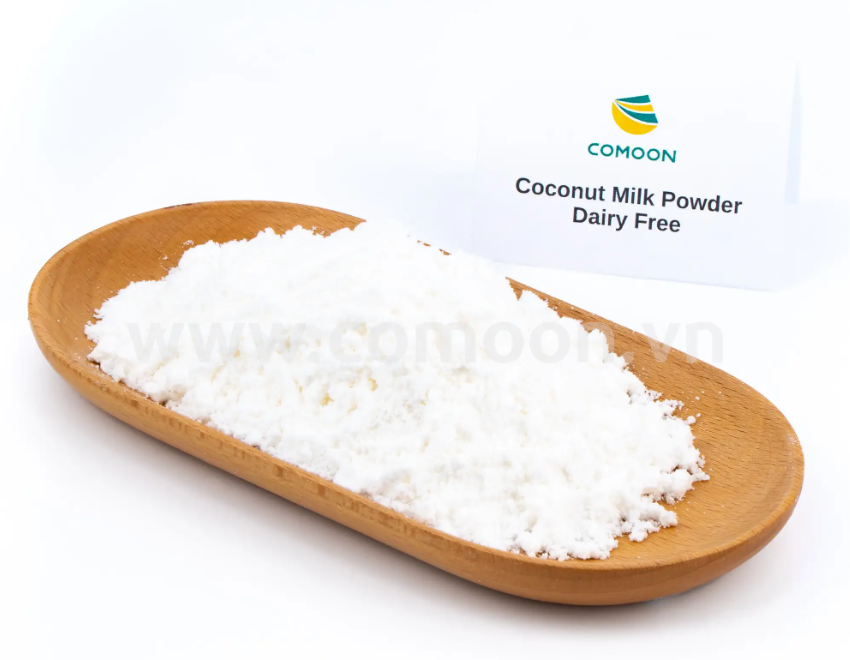
Coconut milk powder from COMOON Co., Ltd., produced from the coconut region of Ben Tre, Vietnam
What is coconut milk powder?
Coconut milk powder is fresh coconut milk that has been concentrated and dried into powder form. Once reconstituted with water, coconut milk powder produces ready-to-use coconut milk that retains the natural rich, aromatic taste of coconut.
The product was developed to replace the traditional method of making coconut milk, which requires grating and hand-pressing coconut meat, a time-consuming process with poor shelf life. In powder form, the product is compact, stores well and is far easier to transport than its liquid counterpart. As a result, coconut milk powder has become a year-round stable ingredient for processing facilities and food manufacturers, free from seasonal dependence.
Characteristics of coconut milk powder
Coconut milk powder comes as a fine powder, ivory to milky white in colour, with a natural coconut aroma, and dissolves in warm water without boiling. Compared with fresh or canned coconut milk, coconut milk powder keeps considerably longer thanks to the removal of nearly all its water content.
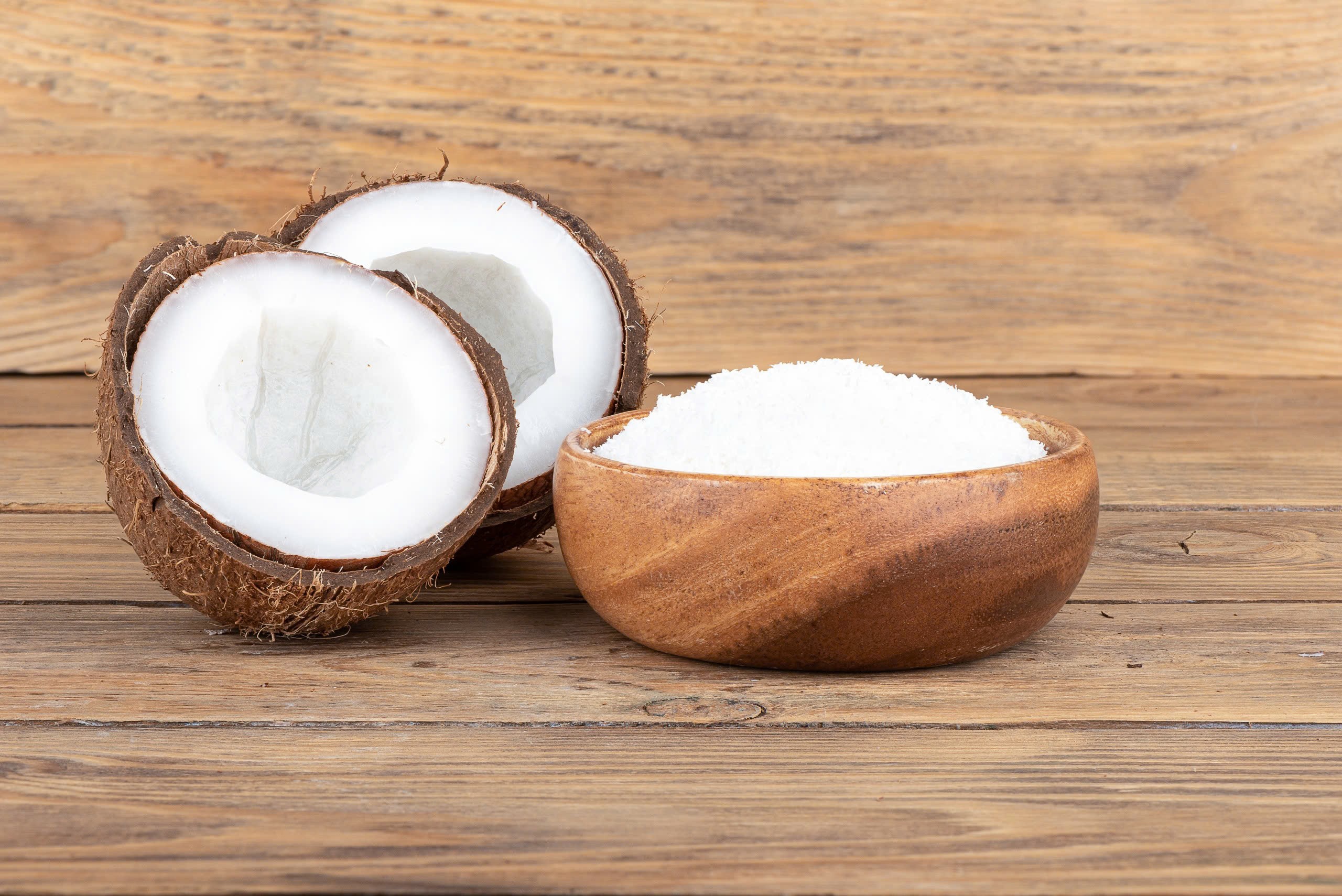
Coconut milk powder is produced from fresh coconut meat through pressing and drying (Source: Internet)
Among the product's specifications, fat content is the factor that determines richness once reconstituted, and is also the first criterion to consider when selecting a supply source.
How do coconut varieties and growing regions affect coconut milk powder?
The quality of coconut milk powder depends heavily on the coconut variety and growing region, as climate and soil conditions directly influence the flavour and fat content of the fruit.
Coconuts from the Southeast Asia and Pacific region, including Thailand, the Philippines, Indonesia and Vietnam, typically yield mildly sweet water and rich coconut meat. Indian coconuts, by contrast, carry a sweetness with a faint saline note owing to the coastal climate, while Caribbean coconuts offer a distinctive earthy finish reflecting differences in soil minerals.
Vietnam lies within the Asia-Pacific coconut belt, which produces coconuts with thick meat and high fat content. Ben Tre province in particular, with its alluvial soil and stable climate, has long been regarded as the coconut capital of Vietnam. This provides a favourable raw material base for producing high-quality coconut milk powder for processing and international export.

Coconut growing region in Ben Tre province, Vietnam (Source: Internet)
How does coconut milk powder differ from pure coconut milk?
Coconut milk powder and pure coconut milk are largely similar in nature, as both are made from milk pressed from coconut meat, with the difference lying in the physical form of the finished product. The table below summarises the criteria that distinguish the two formats for easier comparison.
|
Criteria |
Coconut milk powder (powder form) |
Pure coconut milk (liquid form) |
|
Physical form |
Dry, fine powder |
Thick, rich liquid |
|
Storage |
Ambient temperature, dry place |
Requires refrigeration or freezing, or immediate use |
|
Shelf life |
Long, typically up to 24 months |
Short, from a few days (fresh coconut milk) to a few months (canned) |
|
Transport |
Light, compact, export-friendly |
Bulky, heavy, prone to spoilage over long distances |
|
Fat adjustment |
Flexible, mixed thick or thin as required |
Fixed by product |
|
Batch-to-batch consistency |
Uniform and stable |
Varies with fresh coconut quality |
|
Convenience |
Requires mixing with water |
Ready to use |
Liquid coconut milk has the advantage of being ready to use, making it suitable for small-scale cooking. Coconut milk powder requires an additional mixing step, but offers a long shelf life, light weight and consistent quality across batches, making it well suited to industrial production and export orders.
Quality standards for coconut milk powder
For manufacturers and importers, technical specifications are an essential basis for evaluating a product before purchase. Below are the key groups of standards to consider when selecting coconut milk powder.
Composition and fat content standards
Fat is the most important specification of coconut milk powder, as it determines the richness of the reconstituted milk. The higher the fat content, the more aromatic and creamy the resulting coconut milk.
For this reason, manufacturers typically declare fat content clearly on the packaging, commonly in the range of 40 to 65%, allowing buyers to select the grade that suits their needs. Beyond fat content, coconut milk powder also contains natural plant protein from coconut meat, contributing to the product's nutritional value.
Physicochemical standards
pH and moisture are two indicators reflecting the stability of coconut milk powder, typically falling within the range of 5.9 to 6.2. Moisture exceeding permitted limits will cause the powder to clump or shorten its shelf life during storage.
Solubility standards
Quality coconut milk powder dissolves quickly in warm water, leaving little sediment or large clumps. Solubility depends on the fineness of the powder and storage conditions after packaging.
Clumping during mixing most often stems from preparation technique, such as water that is too cold, adding all the powder at once, or insufficient stirring. Mixing again with warm water and adding the powder gradually will restore a smooth blend, with the quality of the powder unaffected.
Powder with genuine quality issues generally shows clearer signs before mixing: hard caking within the bag, discolouration or an off odour. These indicate powder that has absorbed moisture during storage, which differs from clumping that occurs during mixing.
Standards for impurities and heavy metal content
In Vietnam, heavy metal limits in food are governed by QCVN 8-2:2011/BYT, the national technical regulation on heavy metal contamination limits in food issued by the Ministry of Health. The regulation sets maximum permitted levels for arsenic (As), cadmium (Cd), lead (Pb), mercury (Hg) and tin (Sn), expressed in mg/kg or mg/l for each food category.
Under the regulation, organisations and individuals may not import, produce or trade food containing heavy metals above the permitted limits. Compliant coconut milk powder must therefore undergo regular testing and meet these limits in full. For export goods, products must additionally satisfy the specific requirements of each importing market.
Coconut milk powder production process
Quality coconut milk powder comes from a closed production process with tight control from raw material selection through to final packaging.
Step 1: Selecting and preparing fresh coconut meat
Raw coconuts are harvested at the appropriate maturity, then the meat is separated and cleaned before pressing. Raw material selection largely determines the fat content and flavour of the finished product.
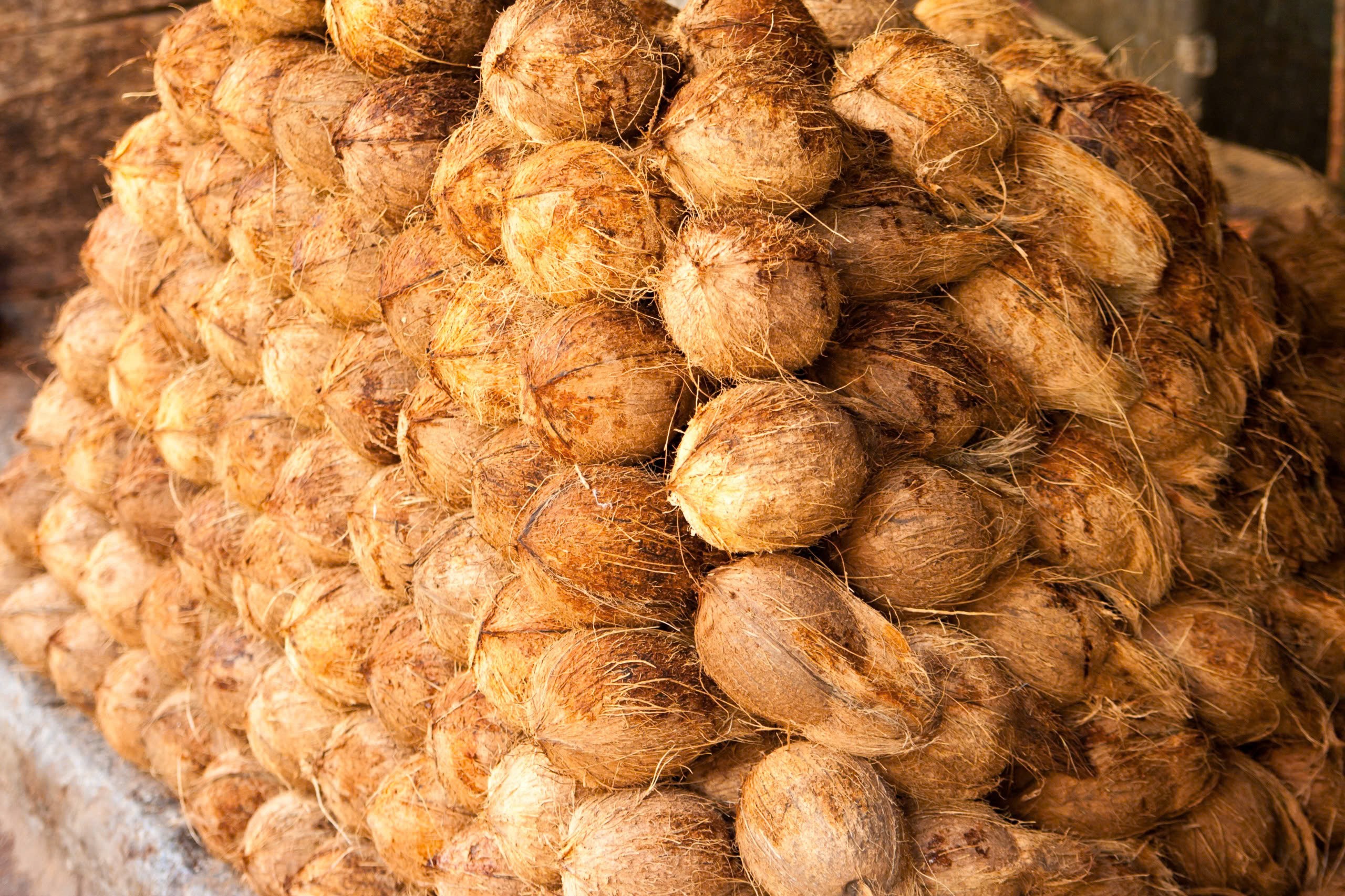
Selecting coconuts at the right maturity is the first step in the coconut milk powder production process (Source: Internet)
Step 2: Pressing to extract coconut milk
Fresh coconut meat is fed into a pressing system to extract pure coconut milk. The pressing process requires control of temperature and duration to preserve the full flavour and natural fat of the coconut.
Step 3: Heat treatment and pasteurisation
After pressing, coconut milk undergoes heat treatment to eliminate microorganisms, ensuring food safety and extending shelf life.
HTST method (High Temperature Short Time): Coconut milk is heated at approximately 75-95°C for 15-20 seconds. This method significantly reduces microbial load while preserving most of the raw material's original properties.
UHT method (Ultra High Temperature): Coconut milk is treated at 140-144°C for just a few seconds. The very high temperature combined with a short heating time allows UHT to eliminate microorganisms effectively, extend shelf life and retain the natural flavour of coconut milk relatively well.
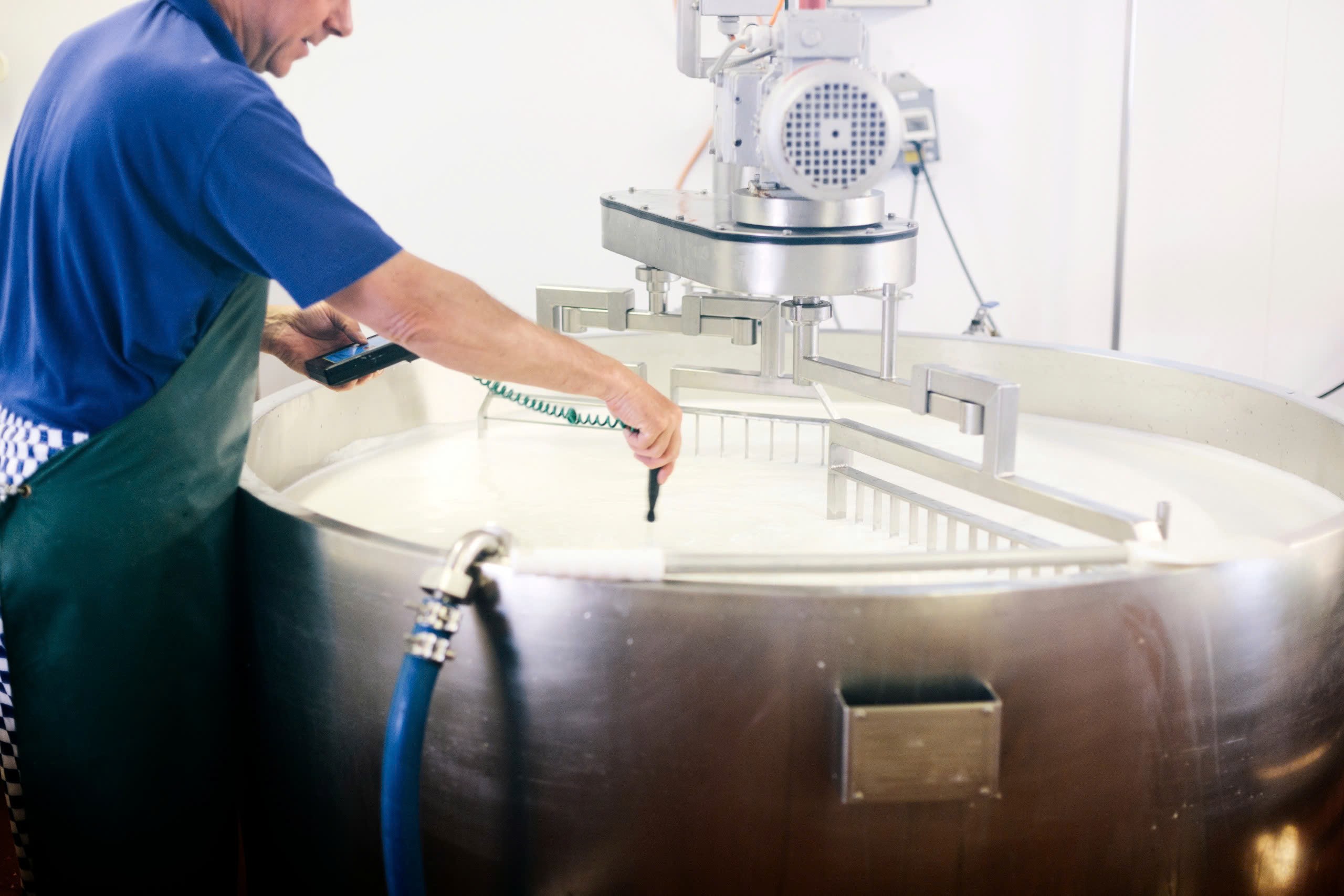
Coconut milk undergoes heat treatment within the system before being dried into powder (Source: Internet)
Step 4: Rapid cooling
Immediately after pasteurisation, coconut milk is rapidly cooled to approximately 4 to 7°C to preserve flavour and limit quality degradation. For the UHT line, the product is cooled to around 30°C before moving to the next stage.
Step 5: Drying into powder and packaging
The treated coconut milk is dried into a uniformly fine powder and packed immediately under controlled humidity to prevent moisture reabsorption. The common format for industrial customers is a 25kg bag with an internal moisture barrier liner. For smaller orders or retail customers, the product is packed in 1kg, 5kg and 10kg formats.
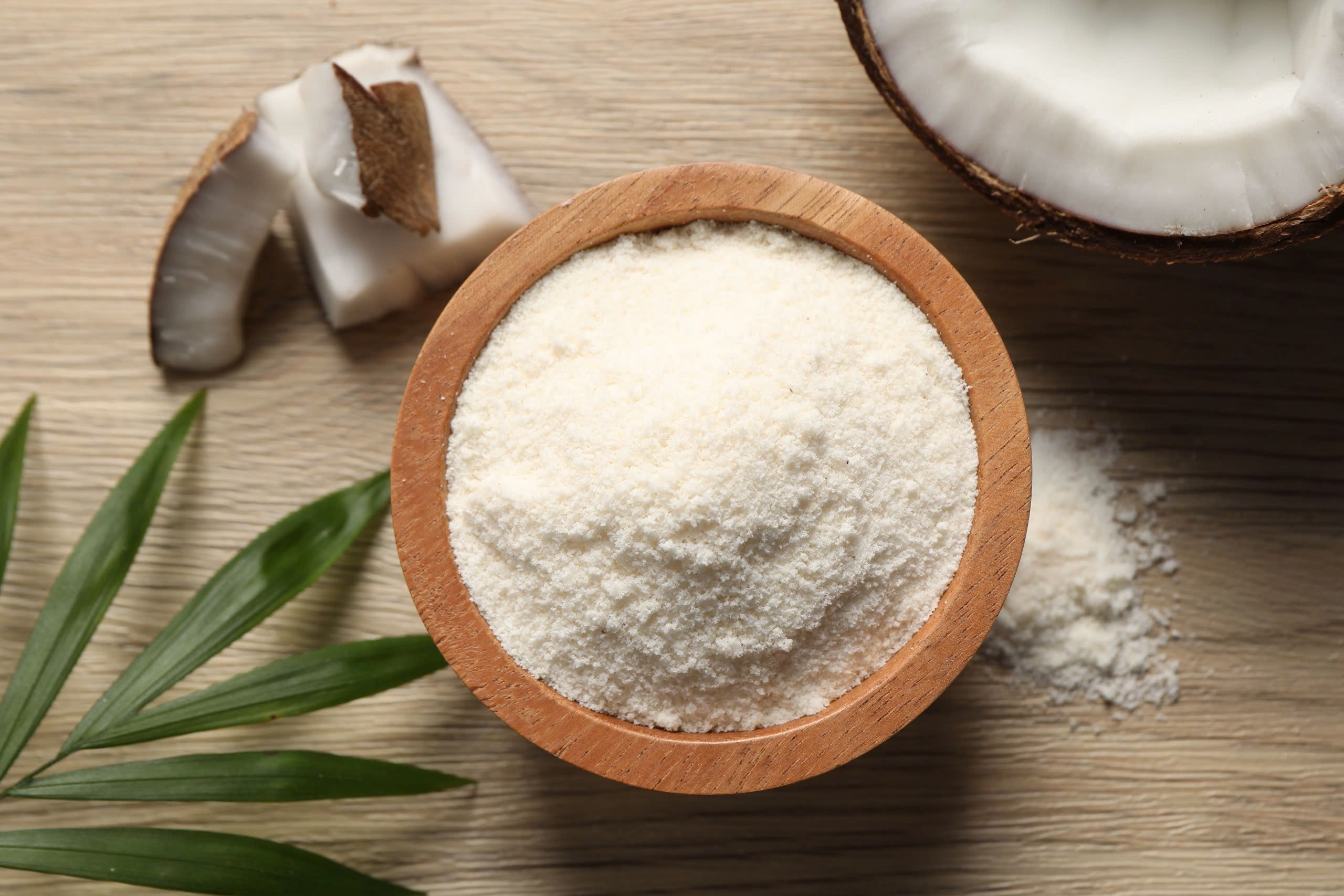
Finished coconut milk powder has a fine texture and natural ivory-white colour (Source: Internet)
Applications of coconut milk powder
Coconut milk powder serves two main application groups: as an input ingredient for food processing plants, and as a cooking ingredient in the kitchen. In each group, the powder enters different production stages with its own dosage and handling requirements.
Applications in industrial food production and processing
In industrial production, coconut milk powder is favoured for three reasons: its standardised fat content delivers consistent flavour across batches, its powder form allows precise dosing on dry blending lines, and the product remains microbiologically stable throughout storage and transport. These are qualities that liquid coconut milk struggles to match, particularly for large-volume manufacturers.
Coconut candy production
On coconut candy lines, the powder is reconstituted into thick coconut milk and added to the cooking vessel together with sugar and malt syrup. This shortens the reduction time and reduces syrup weeping after packaging.
The greatest advantage of using powder over fresh coconut milk is control over fat content in each batch. With fresh coconut milk, fat levels shift with the season and the maturity of the fruit, leaving candy chewy in one batch and hard in the next. Coconut milk powder has standardised fat content, so candy texture and richness remain more consistent.

Coconut milk powder helps coconut candy maintain consistent texture and richness across production batches (Source: Internet)
Baked goods and cream filling production
For baked goods, coconut milk powder is typically blended directly into the dry mix alongside flour and sugar without reconstitution. This allows plants to eliminate the liquid weighing step and avoid disrupting the moisture balance of the dough.
The natural fat in the powder helps baked goods retain moisture and stay soft longer than when using coconut milk. In cream fillings and ganache, coconut milk powder both delivers coconut flavour and reduces water activity, so fillings are less prone to weeping or spoilage.

Coconut milk powder is blended directly into dry mixes in baked goods production (Source: Internet)
Instant beverage and plant-based creamer production
In recent years, the growth of specialty coffee and plant-based creamers has driven rapid demand for coconut milk powder in the beverage segment. The powder is blended into the dry mix of instant coffee, ready-mixed latte, coconut milk tea and smoothie powders. Its role is to deliver richness and a pleasant mouthfeel in place of dairy milk powder.
Coconut-flavoured instant coffee is one of the most widespread applications of coconut milk powder. In 3in1 and 4in1 coffee ranges, coconut milk powder is blended with sugar, creamer and instant coffee to create a distinctive profile: lightly rich with a subtle coconut aroma, making the cup more balanced and easy to drink while retaining all the convenience of instant coffee.
Ice cream production
In plant-based ice cream production, coconut milk powder serves as the primary fat source, replacing dairy cream in part or in full. Mixed at the correct ratio, the powder creates an ice cream base with natural richness, a gentle coconut aroma and a smooth texture.
Thanks to its natural fat content, coconut milk powder also contributes to overrun, producing ice cream that is soft and rich without being cloying. This makes the ingredient widely applicable across vegan and dairy-free ice cream ranges.
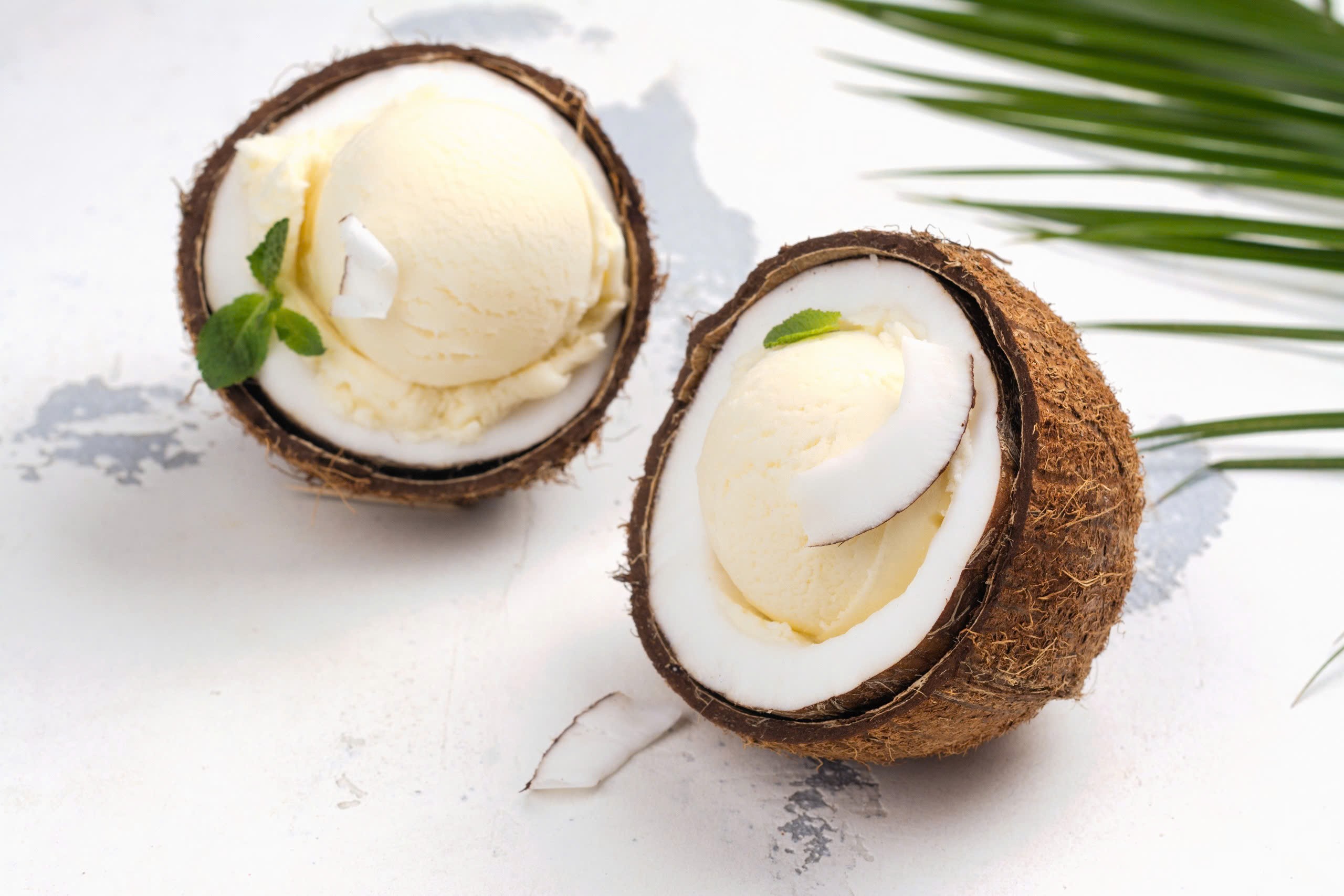
Coconut milk powder is the primary fat source in plant-based ice cream formulations (Source: Internet)
Seasoning, soup mix and packaged sauce production
Coconut milk powder blends directly into curry seasoning sachets, soups and packaged sauces without the need to measure out liquid coconut milk separately. Across markets such as the Middle East and Southeast Asia, coconut milk powder is widely used in curry seasoning powders, soup sachets and bouillon cubes.
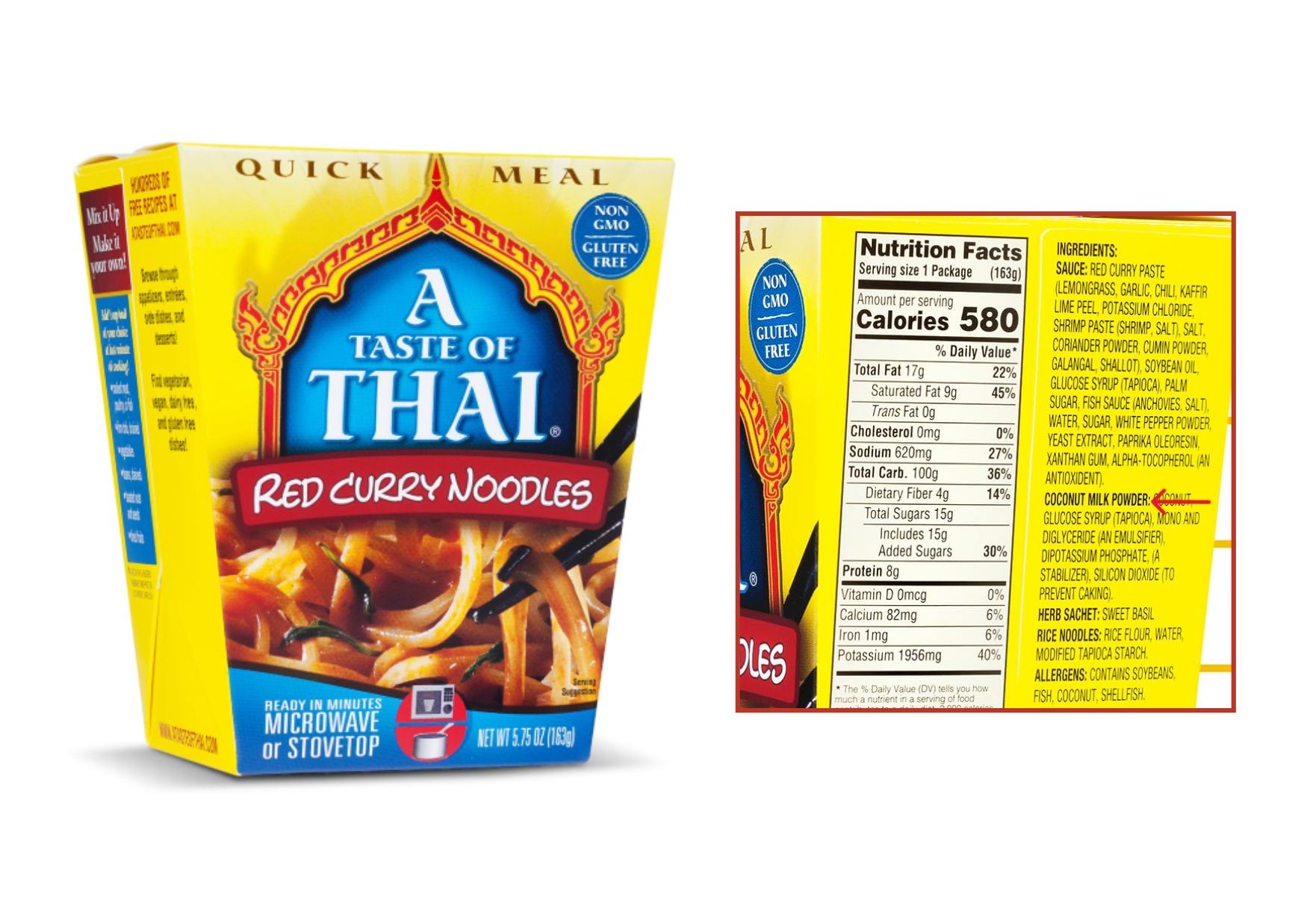
Coconut milk powder is a familiar component of packaged curry seasoning kits (Source: Internet)
Applications in culinary preparation
In cooking, coconut milk powder simply needs to be mixed with water at the appropriate ratio to be used just like fresh coconut milk. The advantage of the powder format is that users can flexibly adjust the concentration to suit each dish. Below are some popular dishes and drinks that use coconut milk powder.
Rendang
Rendang is a dry-braised beef dish from Indonesia and Malaysia, also popular in Singapore and Brunei, and commonly served during traditional festivals in Muslim communities.
Ingredients: beef, a finely ground spice paste of dried chilli, shallot, garlic, galangal and lemongrass, tamarind water, kaffir lime leaves, and coconut milk mixed at a thick 1:1 ratio.
Sauté the spice paste until fragrant, then add the beef and stir continuously for about a minute. Pour in the coconut milk together with the tamarind water and lime leaves, bring to a boil, then reduce to the lowest heat. Cover and simmer continuously for two to three hours, lifting the lid to stir every twenty minutes to prevent scorching. During simmering, the coconut milk reduces and turns deep brown as the oil separates and coats each piece of meat, the sign that the dish is ready. If the liquid reduces before the meat is tender, add more water or coconut milk and continue simmering. Coconut milk may appear to split when it first comes to a boil, but it will re-emulsify during simmering.
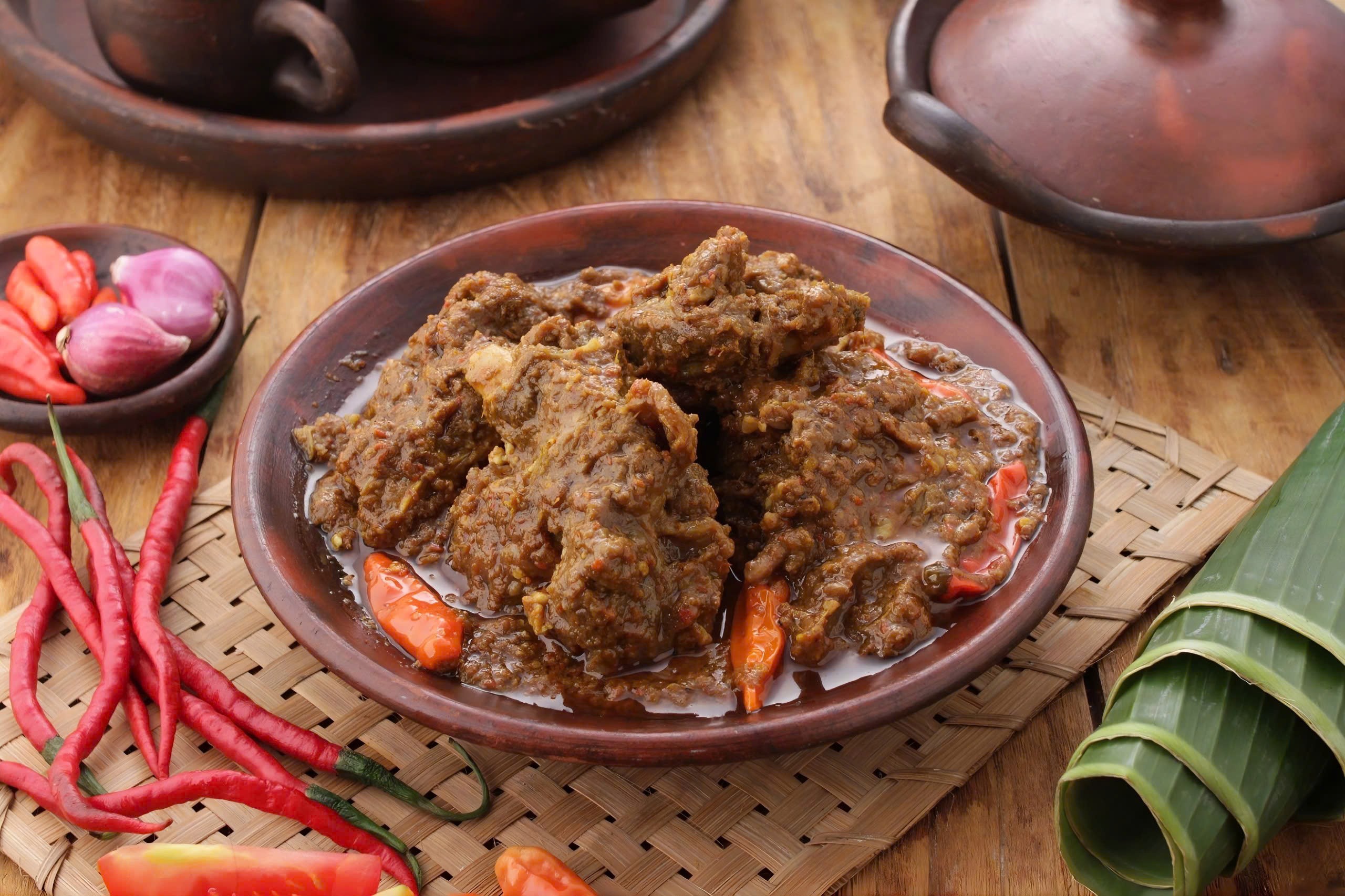
Rendang requires a large volume of coconut milk to reduce over several hours (Source: Internet)
Opor ayam
Opor ayam is a chicken dish cooked in coconut milk from the island of Java, commonly served during Eid al-Fitr alongside ketupat rice cakes.
Ingredients: chicken, a spice mix of shallot, garlic, galangal, turmeric and kaffir lime leaves, and coconut milk mixed at two concentrations, one thin and one thick.
Sauté the spices, then add the chicken and coat evenly. Pour in the thin coconut milk, bring to a boil, then lower the heat and simmer until the chicken is tender and infused with the spices. In the final ten minutes, add the thick coconut milk, stirring gently and steadily so the broth thickens without splitting. From a single coconut milk powder, both the thin and thick portions can be prepared exactly as the dish requires, with no need to buy two separate ingredients.
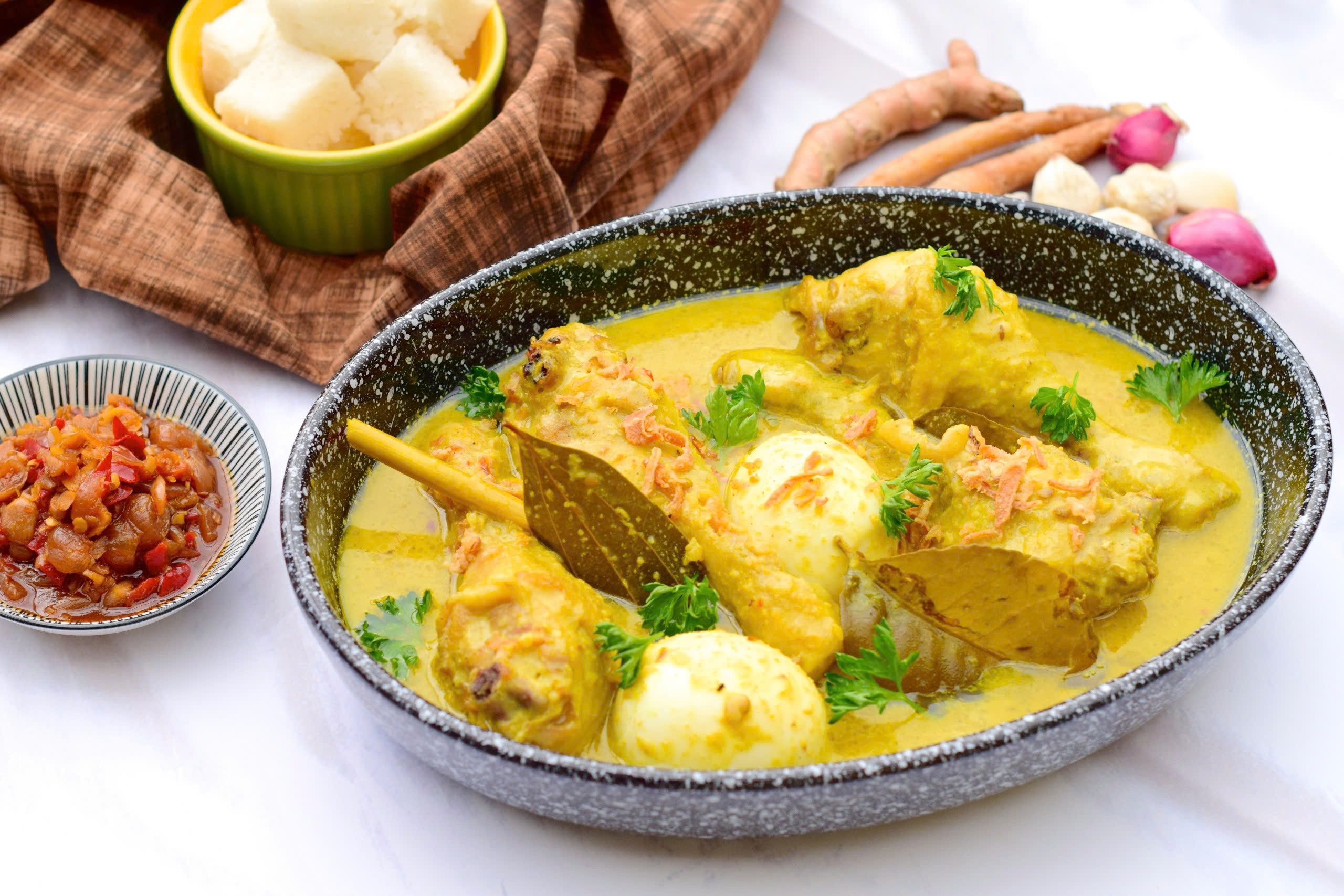
Opor ayam uses coconut milk added in two stages so the broth thickens without splitting (Source: Internet)
Gulai và kari ayam
Gulai is a soupy curry from Indonesia and Malaysia, prepared with beef, chicken, fish or vegetables. Kari ayam is the Malaysian chicken curry version, thicker than Indian curry but thinner than rendang.
Ingredients: meat or vegetables depending on the dish, a spice mix of chilli, turmeric, lemongrass, shallot and garlic, and coconut milk mixed at a 1:2 ratio.
Sauté the spice mix until it takes on a deep golden colour. Add the meat and sear, then pour in the coconut milk, cooking over medium heat and stirring continuously to prevent settling at the base of the pot. Continue cooking until the meat is done and the sauce has thickened, then season and remove from heat. At this ratio, the sauce is thick enough to spoon over rice or to serve with roti bread.
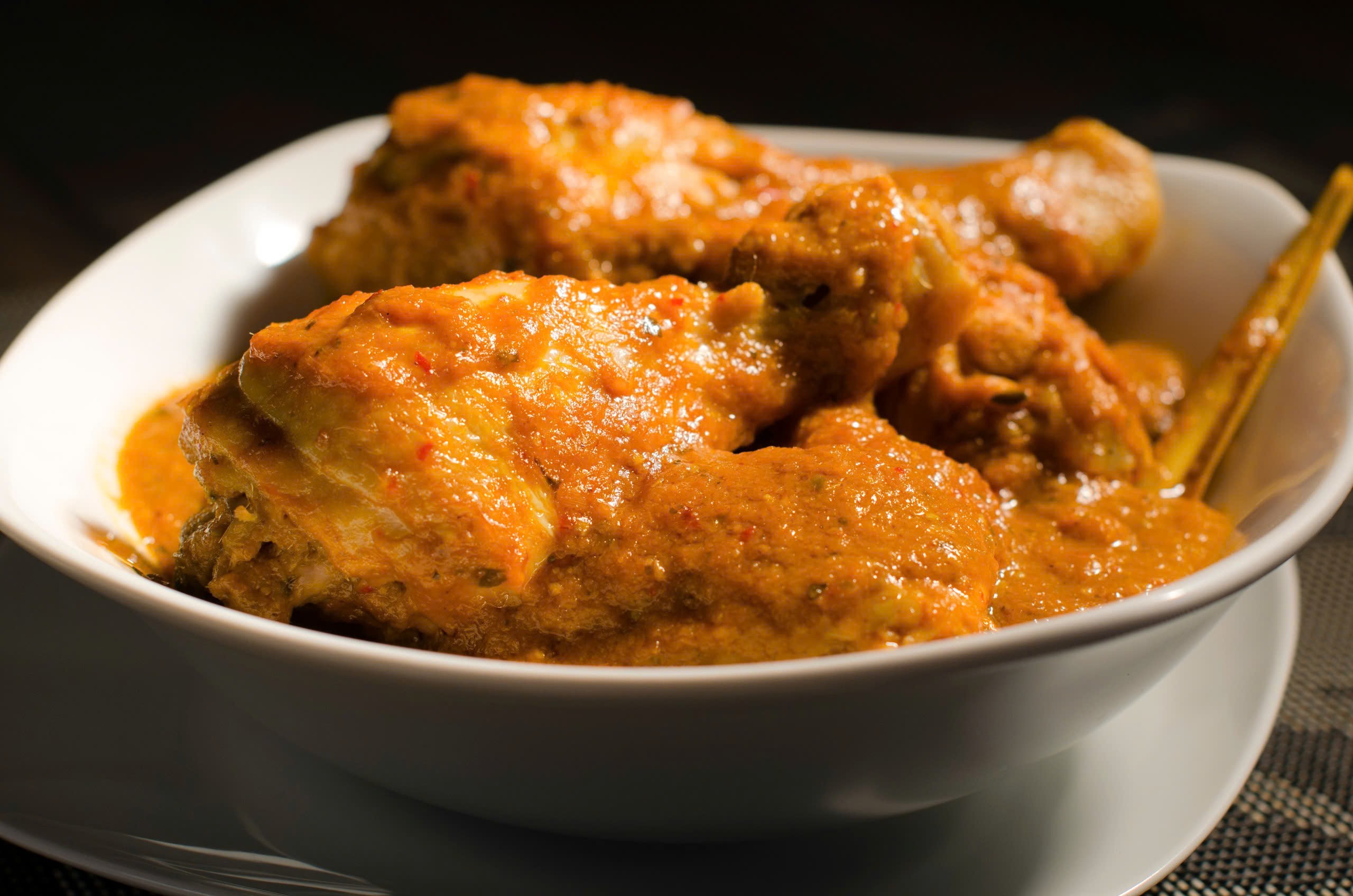
Coconut milk creates the signature thick sauce of gulai and kari ayam (Source: Internet)
Thai curry
Green curry, red curry and panang curry from Thailand all use coconut milk as their base, with a distinctive oil-cracking technique applied from the very first step.
Ingredients: meat or seafood, curry paste (green, red or panang), vegetables, kaffir lime leaves, and coconut milk mixed at two concentrations.
Pour the thick coconut milk into the pan first and heat until a clear layer of oil rises to the surface. Add the curry paste and fry it in that oil until fragrant. Add the meat and sear, then pour in the thin coconut milk along with the vegetables and cook until just done. Season with fish sauce, sugar and kaffir lime leaves before removing from heat. Cracking the oil before frying the paste makes the curry noticeably more aromatic than pouring in all the coconut milk at once.
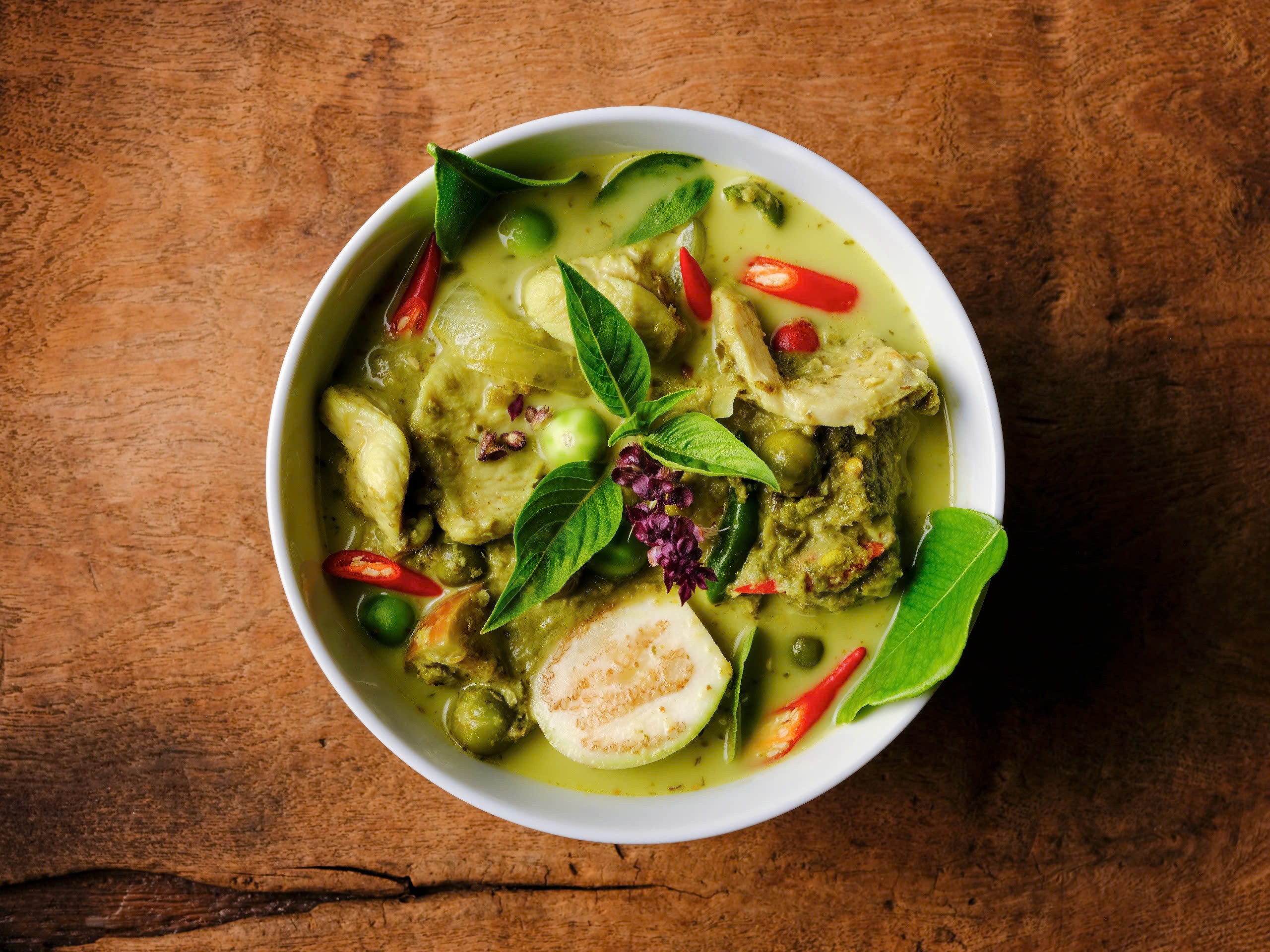
Thai curry uses thick coconut milk to crack the oil before frying the spice paste (Source: Internet)
Nasi lemak and coconut rice dishes
Nasi lemak is a Malaysian rice dish cooked in coconut milk, commonly eaten at breakfast with fried anchovies, peanuts, egg and sambal.
Ingredients: rice, coconut milk mixed thin at a 1:3 ratio, pandan leaves, ginger and salt.
Rinse the rice and place it in the rice cooker with the thin coconut milk replacing part of the plain water, then add knotted pandan leaves, a few slices of ginger and a pinch of salt. Cook as you would ordinary rice. The grains absorb the coconut milk as they cook, producing rice that is glossy, fragrant and lightly rich. Coconut rice dishes from Thailand, the Philippines and the Caribbean follow the same principle.
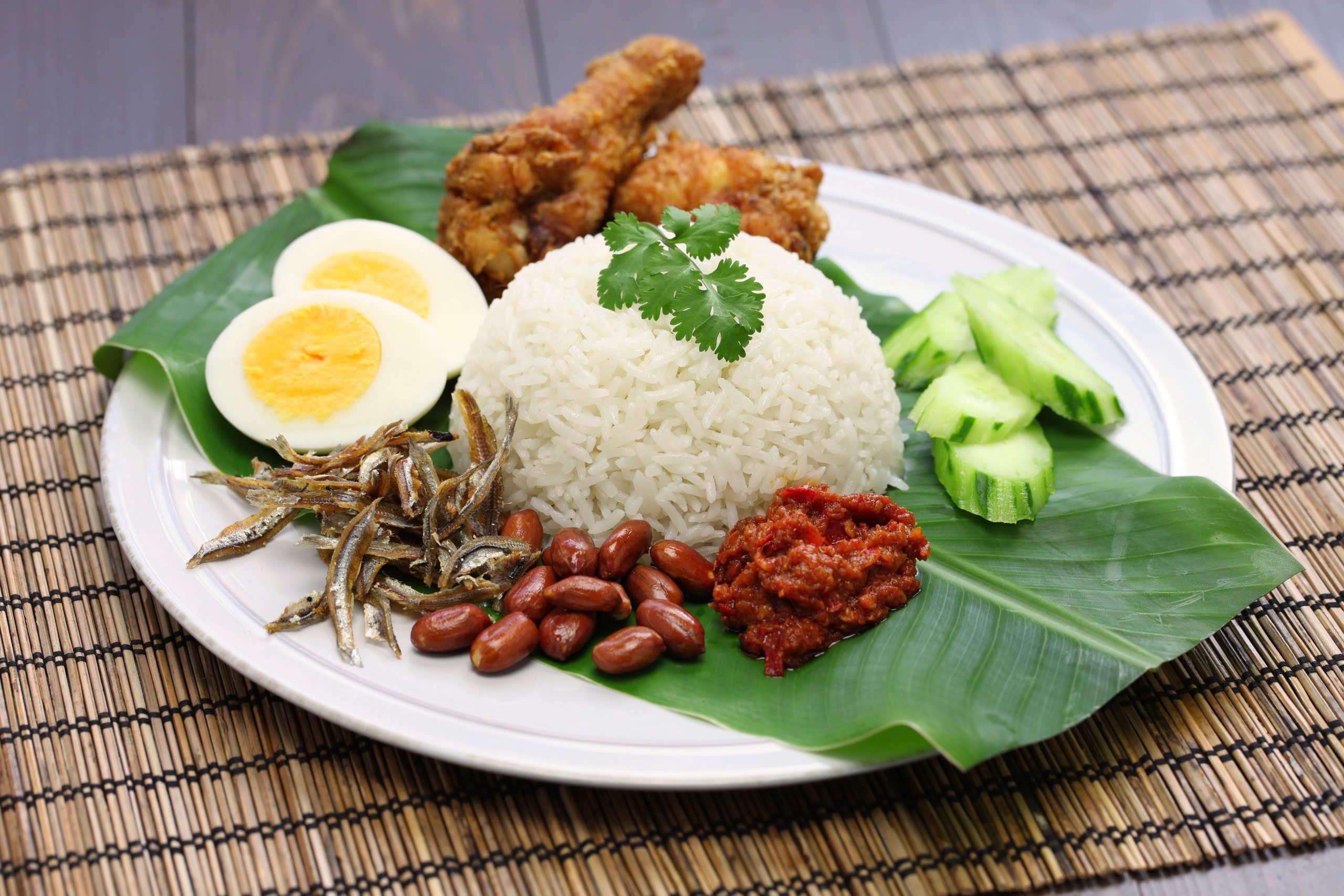
Nasi lemak uses thin coconut milk to cook the rice (Source: Internet)
Coconut panna cotta
Coconut panna cotta is a dessert adapted with coconut milk in place of dairy cream, giving a soft, smooth texture and light richness.
Ingredients: thick coconut milk, sugar, leaf or powdered gelatine.
Soak the gelatine in cold water until softened. Warm the coconut milk with the sugar over low heat, stirring until fully dissolved, and avoid a vigorous boil as high heat causes the fat to separate and form an oily film on the surface. Squeeze the gelatine dry, add it to the still-warm coconut milk and stir until completely dissolved. Pour the mixture into individual moulds, cool to room temperature, then refrigerate for at least four hours until fully set. Coconut custard, pudding and coconut jelly follow the same principle, differing only in the setting agent and the coconut milk ratio.
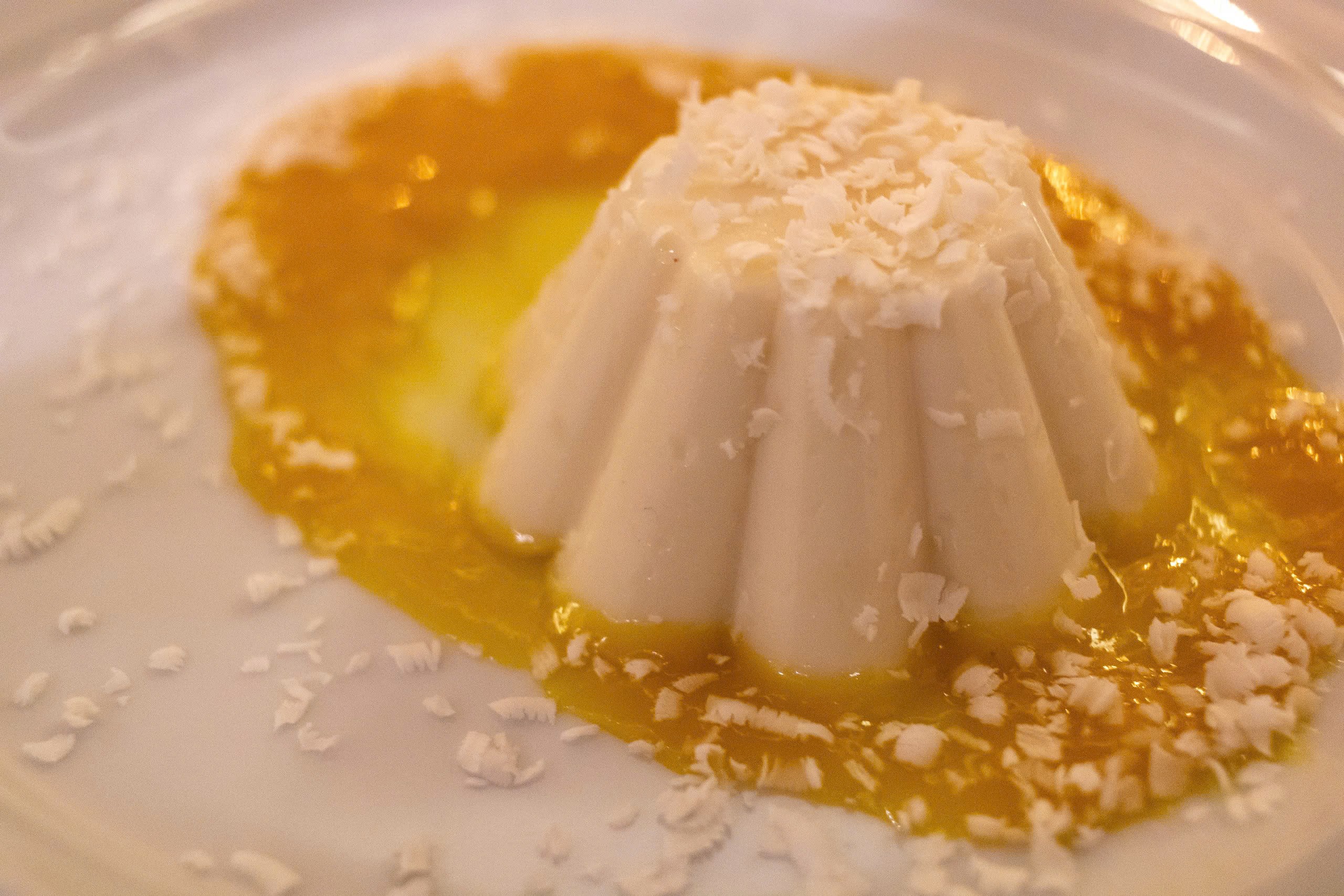
Coconut panna cotta uses thick coconut milk to achieve a rich, smooth texture (Source: Internet)
Coconut-flavoured baked goods
Sponge cakes, muffins and coconut biscuits use coconut milk powder blended straight into the dry mix, without the reconstitution step required by the dishes above.
Ingredients: flour, sugar, eggs, butter or oil, baking powder, and coconut milk powder.
Combine the coconut milk powder with flour, baking powder and sugar to form the dry mix. Beat the eggs with the butter or oil, pour into the dry mix and stir until smooth and free of lumps. Transfer the batter to the tin and bake at the temperature appropriate to each type of cake. The natural fat in coconut milk powder keeps the crumb moist, so the cake stays soft longer than formulations using water alone.
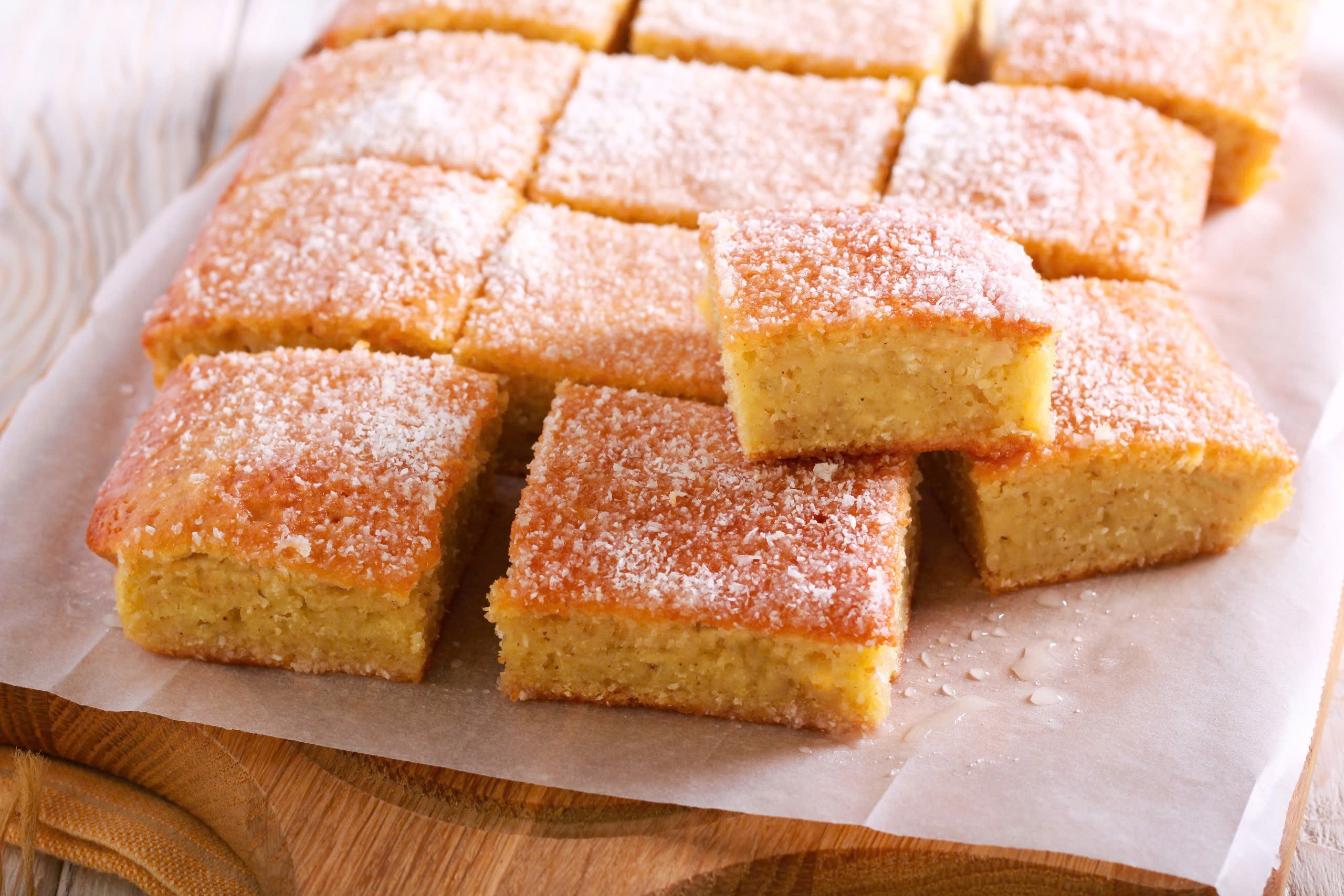
Coconut milk powder is blended straight into the dry mix for coconut-flavoured baked goods (Source: Internet)
Coconut latte
Coconut latte uses coconut milk powder in place of fresh milk, producing a fine foam and light richness that blends with the coffee.
Ingredients: coconut milk powder, warm water, espresso or strongly brewed coffee, and ice if serving cold.
Add the coconut milk powder to a small amount of warm water and stir until fully dissolved. Heat and froth the mixture with a milk frother or hand whisk until a fine foam forms. Pour the coffee into the glass first, then top with the frothed coconut milk.
For an iced version, dissolve the powder in warm water completely before adding ice. Adding the powder straight into a glass of ice without dissolving it first will cause clumping.
How to mix coconut milk powder at the right ratio
Coconut milk powder should be mixed with warm water to dissolve evenly, stirred thoroughly, with the quantity of powder adjusted to the desired richness. Add a little at a time and build up the water gradually, as an overly thin mixture is difficult to correct.
|
Purpose |
Powder : water ratio (reference) |
Suitable applications |
|
Thin coconut milk |
1 : 3 (about 1 tablespoon of powder to 175ml water) |
Soups, brothy dishes, beverages |
|
Medium coconut milk |
1 : 2 |
Everyday cooking, sweet soups |
|
Thick coconut milk |
1 : 1 (about 2-3 tablespoons of powder to 175ml water) |
Curries, braised dishes, desserts |
|
Coconut cream |
More powder than water |
Ice cream, desserts requiring high richness |
The ratios above are for reference and may vary with the fat content of each type of powder. For high-fat products, the quantity of powder used may be reduced from the table above.
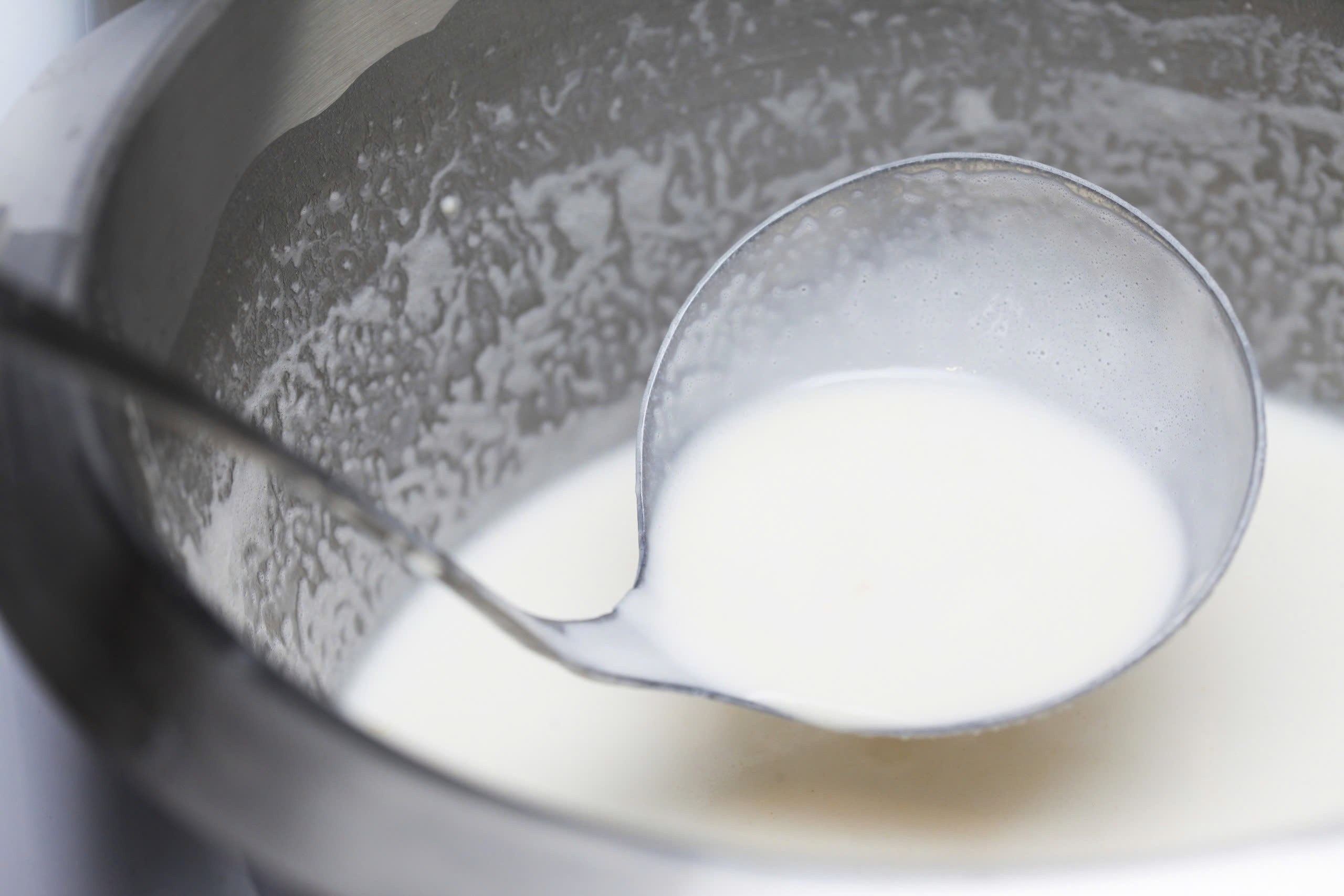
Mixing coconut milk powder with warm water to produce coconut milk (Source: Internet)
How to identify quality coconut milk powder
Quality coconut milk powder is ivory white rather than unnaturally bright white, with a light, natural coconut aroma. If the powder carries a stale oil note, a musty smell or any off odour, the raw material may have oxidised or been stored improperly. In terms of texture, quality powder is typically loose and fine, with minimal clumping, and dissolves quickly in warm water.
Beyond sensory indicators, priority should go to products with clear information on the manufacturer, expiry date, fat content and accompanying quality certifications.
How to store coconut milk powder
Coconut milk powder should be stored in a dry, cool place below 25°C and away from direct sunlight.
After each use, seal the packaging tightly to limit moisture absorption from the air. For large industrial formats, the product should be stored in a dry area, raised off the floor and kept apart from strongly aromatic materials.
Where to buy coconut milk powder
In Vietnam, COMOON Co., Ltd. (COMOON) is among the suppliers of coconut milk powder meeting international standards. COMOON's coconut products have earned the interest and confidence of international partners thanks to their quality, competitive pricing and the stability of the raw material source.
COMOON coconut milk powder is produced from 100% fresh Vietnamese coconut meat, with fat content ranging from 40 to 65%. The product suits B2B partners seeking coconut milk powder as an ingredient for confectionery, beverage and packaged seasoning production.
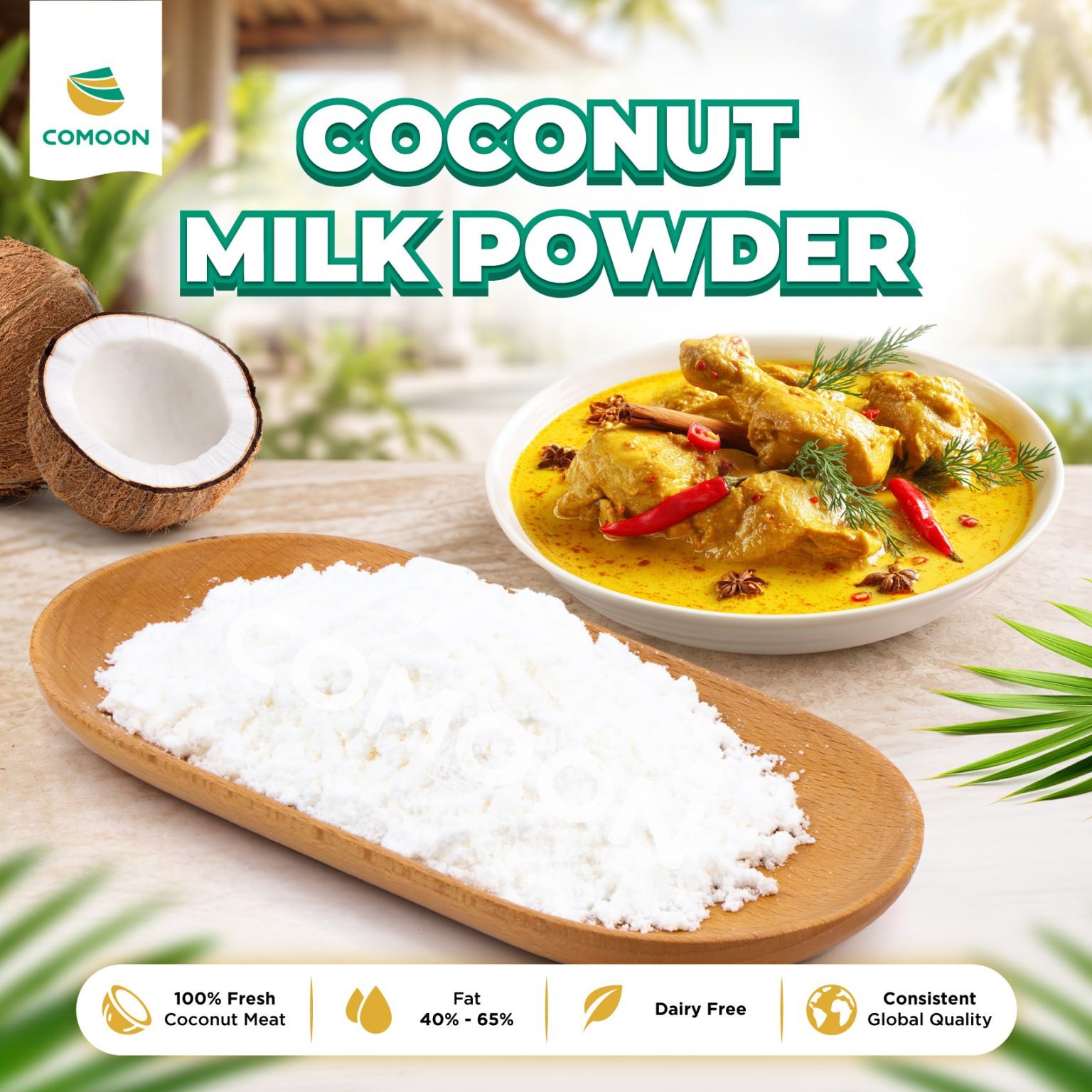
Coconut milk powder from COMOON Co., Ltd., trusted by international partners
Why choose coconut milk powder from COMOON?
A stable raw material source from the Ben Tre coconut region: COMOON benefits from the coconut growing region of Ben Tre, regarded as the finest coconut raw material area in Vietnam. Direct connections with coconut farming households there allow COMOON to secure a stable supply aligned with partner requirements.
Multiple international standards and certifications: COMOON products are manufactured under a quality management system meeting international standards including BRCGS, FSSC 22000, FDA, HALAL and SGS, along with a range of further certifications.
Flexible OEM and packaging formats: COMOON meets the varied needs of B2B customers with flexible packaging formats (1kg, 5kg, 10kg and 25kg) or customised to buyer specifications. COMOON has the capacity to fulfil large-volume orders.
Frequently asked questions
1. How does coconut milk made from powder differ from liquid coconut milk?
In essence the two are the same, as both derive from coconut milk. That said, freshly made liquid coconut milk carries more flavour and aroma than coconut milk reconstituted from powder.
The powder format offers the advantage of a longer shelf life and the ability to be mixed to any concentration.
2. How much coconut milk does 1kg of coconut milk powder produce?
The yield depends on whether the mixture is thick or thin. At a medium ratio of around 1:2, 1kg of powder produces approximately 3 litres of coconut milk.
3. Does coconut milk powder contain dairy?
No, it is a purely plant-based product containing no dairy milk. It is therefore suitable for people with lactose intolerance and for vegetarians.
4. How long does coconut milk powder last after opening?
Stored dry, sealed and away from moisture, the powder remains usable for an extended period. Even so, it is best used soon after opening to preserve optimal flavour.
5. Does coconut milk powder contain sugar?
Pure coconut milk powder contains virtually no added sugar. Users can adjust sweetness themselves according to the dish.
6. How many calories are in coconut milk powder?
100g of coconut milk powder contains approximately 600 to 700 kcal, varying with the fat content of each product. Most of that energy comes from the natural fat of the coconut, accounting for roughly 75 to 80% of total energy value.
7. Does coconut milk powder cause weight gain?
The powder is high in fat and should be used in reasonable quantities. Consumed in moderation as part of a balanced diet, it poses no particular concern.
8. At what temperature should coconut milk powder be cooked?
Mix the powder with warm water and cook over medium heat, avoiding a prolonged vigorous boil. Excessive heat readily causes the fat to separate and diminishes flavour.
Coconut milk powder is a convenient product that replaces liquid coconut milk while being easy to store and use. COMOON has shared useful information here on the characteristics, quality standards and applications of coconut milk powder. We hope this article has given you a clearer understanding of the product, helping you select quality coconut milk powder suited to both the home kitchen and industrial-scale food production.
Contact information:
COMOON Co., Ltd.
Phone: +84 366 053 666
Email: info@comoon.vn
Website: comoon.vn
Tài liệu tham khảo:
- Heavy metal contamination limits in food under QCVN 8-2:2011/BYT (Vietnam)
https://thuvienphapluat.vn/chinh-sach-phap-luat-moi/vn/ho-tro-phap-luat/tu-van-phap-luat/57134/gioi-han-o-nhiem-kim-loai-nang-trong-thuc-pham-theo-qcvn-8-2-2011-byt - Tetra Pak Coconut Handbook – Chilled coconut liquid products
https://coconuthandbook.tetrapak.com/chapter/chilled-coconut-liquid-products - Coconut milk: Chemistry and technology
https://www.researchgate.net/publication/229531152_Coconut_milk_Chemistry_and_technology - Mayo Clinic – Dietary fats
https://www.mayoclinic.org/healthy-lifestyle/nutrition-and-healthy-eating/in-depth/fat/art-20045550 - Coconut milk powder nutrition data
https://www.eatthismuch.com/calories/coconut-milk-powder-2110584
Share :
Customer comments
Other news
COMOON Co., Ltd.
58 Co Giang Street, Cau Ong Lanh Ward, District 1, Ho Chi Minh City, Vietnam
T: (+84) 366 053 666
- Business Registration No.: 0318171053
- Issued on November 17, 2023 by the Department of Planning and Investment of Ho Chi Minh City.

Copyright © 2024 COMOON


