




- Login
- Register


News
The latest updates from COMOON. Stay tuned to not miss any information!
WHAT IS COCONUT MILK POWDER? NUTRITIONAL VALUE AND BENEFITS OF COCONUT MILK POWDER
Thursday, 09/07/2026, 13:32
Traditional Desserts and Asian Cuisine
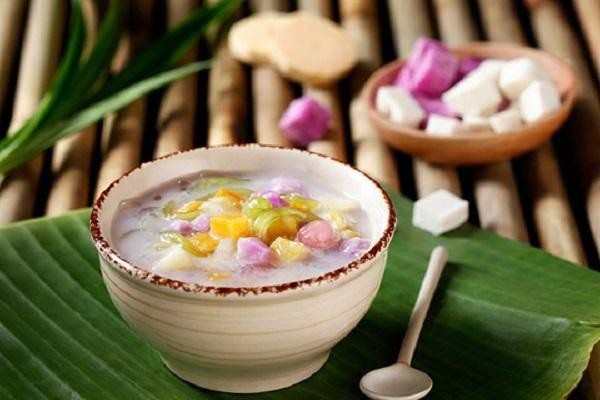
Coconut milk powder is a staple ingredient in many Asian cuisines, particularly in dishes such as curries, soups, hot pots, sauces, braised dishes, and traditional desserts. When reconstituted with water at the appropriate ratio, it serves as an excellent substitute for fresh coconut milk while delivering the same rich, creamy texture and authentic coconut flavor.
Processed Food Applications
As the processed food industry continues to expand, coconut milk powder is increasingly incorporated into a wide range of convenience foods, including instant soups, sauces, porridge, frozen foods, canned foods, and other ready-to-eat products. Its long shelf life, ease of storage, and consistent quality make it a valuable ingredient for modern food manufacturing.
How to Prepare Coconut Milk Powder
How to Mix Coconut Milk Powder
For the best results, coconut milk powder should be mixed with warm water at approximately 50–60°C (122–140°F). This temperature helps the powder dissolve quickly, minimizes clumping, and produces a smooth, creamy coconut milk.
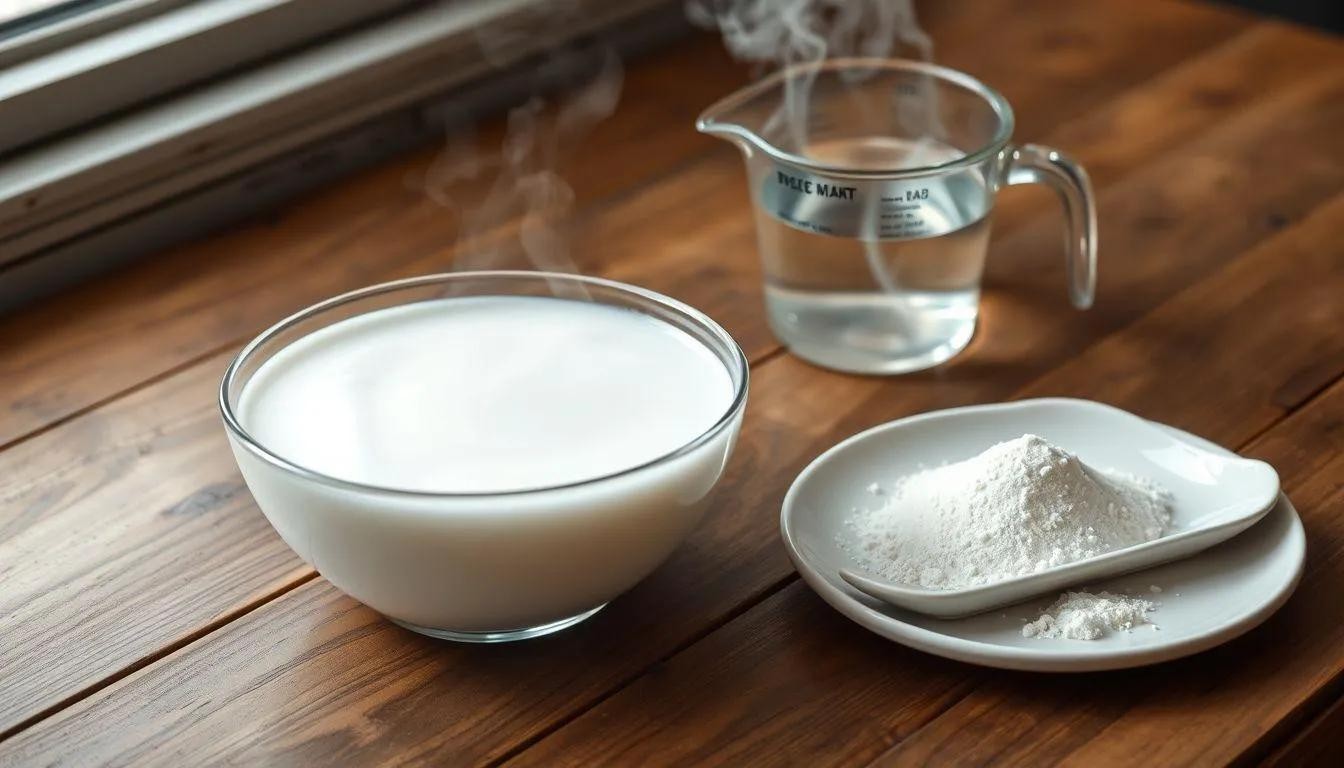
Simply add the desired amount of coconut milk powder to warm water and stir thoroughly, or use a mechanical mixer until the powder is completely dissolved. The reconstituted coconut milk can be used immediately or incorporated into various food and beverage recipes.
Adjusting Creaminess for Different Recipes
One of the major advantages of coconut milk powder is its flexibility. Users can easily adjust the mixing ratio to achieve different levels of richness depending on the intended application. For beverages such as smoothies, coconut coffee, and milk tea, a lighter concentration provides a refreshing taste.
For curries, soups, sauces, and desserts, a richer mixture creates a creamier texture and fuller coconut flavor.

| Application | Powder : Water | Characteristics |
|---|---|---|
| Smoothies & Beverages | 1 : 10 | Light creaminess with a refreshing taste, ideal for smoothies, juices, and beverages. |
| Desserts & Ice Cream | 1 : 6 | Moderate richness with a smooth texture, suitable for desserts and frozen treats. |
| Curry & Soup | 1 : 3 – 1 : 4 | Rich, creamy consistency that enhances flavor and creates a velvety texture. |
| Baking | 1 : 2 – 1 : 3 | Delivers a rich coconut flavor while improving moisture and softness in baked products. |
Table: Recommended Mixing Ratios of Coconut Milk Powder for Different Applications (Source: Compiled)
Note: These ratios are provided as general recommendations. Users can adjust them according to personal preference, specific recipes, or the fat content of the coconut milk powder being used.
Tips for Cooking and Storage
Proper handling and storage help preserve the quality, flavor, and functionality of coconut milk powder. Following these recommendations will maximize product performance and extend shelf life after opening.
Cooking Tips
- Use Warm Water
Always use warm water rather than cold or boiling water when preparing coconut milk powder. Warm water promotes faster dissolution and helps achieve a smoother consistency.
- Avoid Prolonged High-Temperature Cooking
Once reconstituted, coconut milk should not be boiled continuously or exposed to excessive heat for long periods. Extended high-temperature cooking may reduce the natural coconut aroma, affect texture, and alter the overall flavor of the finished dish.
Storage Recommendations
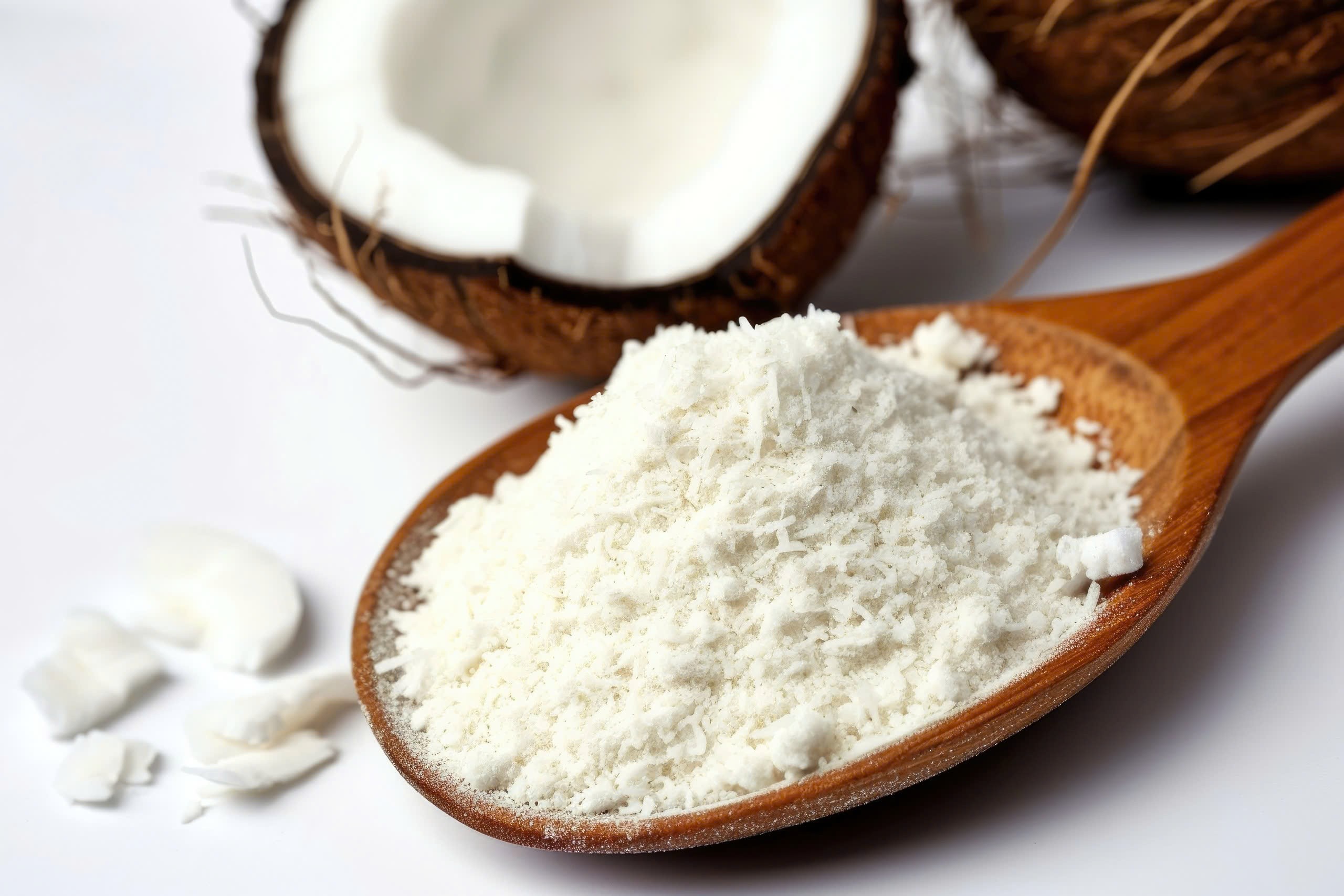
Store coconut milk powder in a cool, dry place away from direct sunlight, heat sources, and excessive humidity.
After opening the package:
- Reseal the package tightly after each use.
- Keep the product away from strong odors.
- Use it within the period recommended by the manufacturer.
Proper storage helps maintain freshness, prevent moisture absorption, and preserve the product's natural flavor.
Usage Guidelines
Although coconut milk powder is convenient and easy to use, achieving the best results depends on using the appropriate amount for each application. Mixing the powder at an excessively high or low concentration may affect the flavor, texture, and overall quality of the finished product.
For optimal performance, always adjust the mixing ratio according to your recipe and desired level of creaminess.
Where to Buy Coconut Milk Powder?
Choosing a reliable coconut milk powder supplier is essential to ensuring consistent product quality, a stable supply of raw materials, and efficient production. For businesses in the food and beverage industry, a qualified manufacturer should not only provide products that meet quality standards but also offer flexible packaging options, export documentation, and long-term supply capabilities.
Today, many companies choose to partner directly with manufacturers in Vietnam due to the country's abundant coconut resources, advanced processing technology, and competitive production costs. This approach helps optimize the supply chain, maintain consistent product quality, and meet the evolving demands of global markets.
COMOON Coconut Milk Powder is produced from fresh coconut milk (dairy-free) using advanced spray-drying technology. This process helps preserve the rich, natural coconut flavor while ensuring excellent solubility and consistent quality across every production batch. The product is suitable for a wide range of food and beverage applications, including beverages, confectionery, ice cream, sauces, soups, curries, and various processed food products.
In addition to delivering high-quality products, COMOON operates an integrated manufacturing system supported by stringent quality control procedures that comply with international food safety standards. The company has obtained globally recognized certifications, including BRCGS, SGS, FSSC 22000, FDA, HALAL, and other international certifications, demonstrating its commitment to meeting the stringent requirements of export markets worldwide.
Furthermore, COMOON offers a diverse portfolio of coconut-based powders, including Coconut Milk Powder, Coconut Flour, and Organic Coconut Flour, with flexible packaging options to meet the needs of food manufacturers, foodservice operators, importers, distributors, and brands seeking OEM or Private Label solutions. To support customers throughout the product development process, COMOON also provides technical consultation, product samples, quality documentation, and the necessary export certificates, ensuring a smooth and efficient business partnership.
This article has provided an overview of what coconut milk powder is, along with its nutritional value, key benefits, and diverse applications in the food and beverage industry. We hope these insights help readers better understand the characteristics, functionality, and versatility of coconut milk powder while providing practical guidance on selecting, using, and storing the product effectively.

It is also widely used in the production of ice cream, mousse, pudding, panna cotta, Vietnamese sweet soups (chè), yogurt, and a variety of other desserts. Thanks to its excellent solubility, coconut milk powder disperses evenly throughout the mixture, resulting in a smooth texture and consistent flavor in the finished product.
In cafés, bubble tea shops, and beverage chains, coconut milk powder is commonly used to prepare smoothies, milkshakes, bubble tea, coconut coffee, coconut milk beverages, and a variety of tropical drinks. It enhances creaminess, creates a smooth texture, and adds a natural coconut aroma while maintaining product consistency throughout the preparation process. For manufacturers of bottled beverages and ready-to-drink products, coconut milk powder also helps streamline production, ensure consistent quality across batches, and extend product shelf life.
Bakery, Ice Cream, and Dessert Applications
In the bakery and confectionery industry, coconut milk powder is an ideal ingredient for adding a rich coconut flavor without affecting the structure of the final product. When combined with other ingredients, it helps improve softness, increase moisture retention, and enhance the natural coconut aroma.
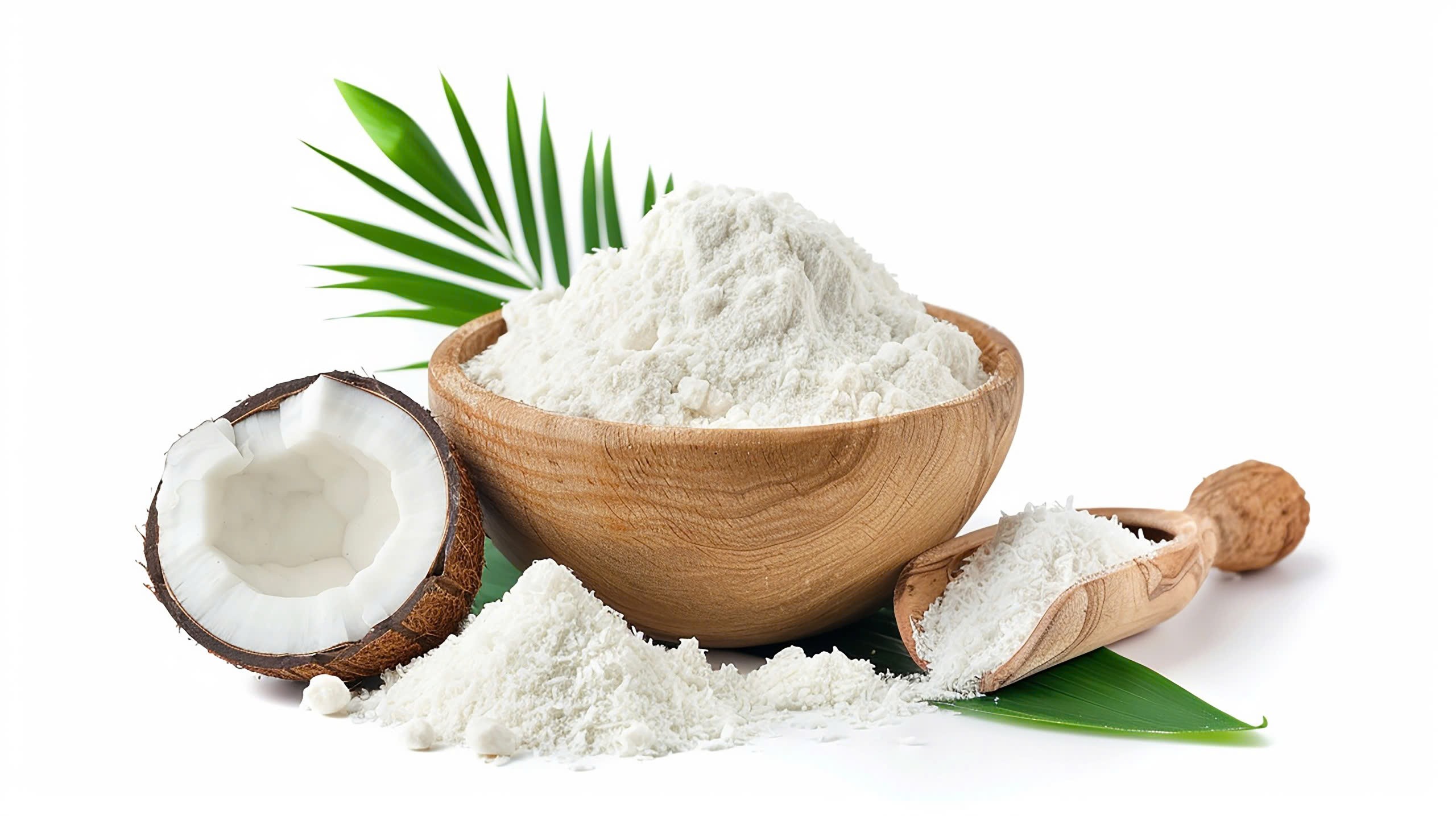
Coconut milk powder is widely used in the beverage industry due to its excellent solubility and ability to deliver a rich, natural coconut flavor. With the right amount of powder, beverage professionals can easily create drinks with consistent taste and texture without the need for fresh coconut milk.
Beverage Applications of Coconut Milk Powder
Thanks to its excellent solubility, creamy texture, and authentic coconut flavor, coconut milk powder has become a versatile ingredient across the food and beverage industry. From beverages and desserts to savory dishes and processed foods, it offers consistent quality while simplifying preparation and storage.
Applications of Coconut Milk Powder
Furthermore, coconut milk powder is a popular ingredient in vegan, plant-based, and other modern food formulations, making it an ideal choice for consumers as well as businesses in the food and beverage industry seeking versatile, high-quality coconut ingredients.
Thanks to its excellent solubility and authentic coconut flavor, coconut milk powder can be incorporated into a wide variety of recipes. It is widely used in beverages, smoothies, milk tea, curries, soups, Vietnamese sweet soups (chè), ice cream, bread, cakes, pastries, sauces, and many processed food products.
Suitable for a Wide Range of Food and Beverage Applications
For restaurants, foodservice operators, and food manufacturers, precise portion control also helps ensure consistent product quality across production batches, improving operational efficiency. In addition, coconut milk powder has a much longer shelf life than fresh coconut milk, which can spoil quickly when exposed to air and unsuitable storage conditions.
Compared with fresh coconut milk, coconut milk powder offers significant convenience during food preparation. Users can easily prepare the exact amount needed, adjust the level of creaminess to suit different recipes, and minimize ingredient waste.
Convenient, Easy to Measure, and More Practical Than Fresh Coconut Milk
As a result, coconut milk powder is widely used in curries, soups, Vietnamese sweet soups (chè), ice cream, cakes, pastries, sauces, and a variety of traditional dishes.
Adds Rich Creaminess and Natural Coconut Flavor
One of the key benefits of coconut milk powder is its ability to provide a rich, creamy texture and authentic coconut flavor without the need for large amounts of non-dairy creamers or other fat-based ingredients. When reconstituted with water or incorporated into recipes, it creates a smooth, velvety consistency that enhances both the taste and appearance of the final dish.
These advantages have made coconut milk powder a staple ingredient in home kitchens, restaurants, cafés, and commercial food production.
Benefits of Coconut Milk Powder
In addition to its nutritional value, coconut milk powder is highly valued for its convenience and versatility in food preparation. Compared with fresh coconut milk, it is easier to store, transport, and measure while still delivering the rich, creamy taste and natural coconut aroma.
Table: Nutritional Components of Coconut Milk Powder (Source: Internet)
| Nutrient | Benefits |
|---|---|
| Fat | Provides natural creaminess, supplies energy, and supports the absorption of fat-soluble vitamins (A, D, E, and K). |
| Carbohydrate | Provides energy and supports normal metabolic functions. |
| Protein | Helps support tissue growth, maintenance, and repair. |
| Vitamins & Minerals | Supplies essential nutrients such as potassium, magnesium, calcium, phosphorus, and iron to support muscle, nerve, and bone health. It also contains small amounts of B vitamins and vitamin C, contributing to overall health and normal energy metabolism. |
Together, these nutrients make coconut milk powder more than simply a flavoring ingredient—it also contributes valuable nutrients to everyday meals and beverages.
- Potassium – Helps maintain electrolyte balance and supports normal muscle function.
- Magnesium – Plays an important role in energy metabolism and nervous system function.
- Calcium – Supports healthy bones and teeth.
- Phosphorus – Contributes to cell development and energy production.
- Iron – Helps support red blood cell formation and oxygen transport throughout the body.
- In addition, coconut milk powder contains small amounts of B vitamins and vitamin C.
Common minerals found in coconut milk powder include:
Coconut milk powder also contains a variety of essential minerals and small amounts of vitamins that contribute to overall nutritional value.
Vitamins and Minerals
These carbohydrates contribute to the product's mild natural sweetness while serving as an efficient source of energy.
Although coconut milk powder does not contain as much protein as dairy milk or legumes, it still provides a small amount of plant-derived protein that complements a balanced diet.
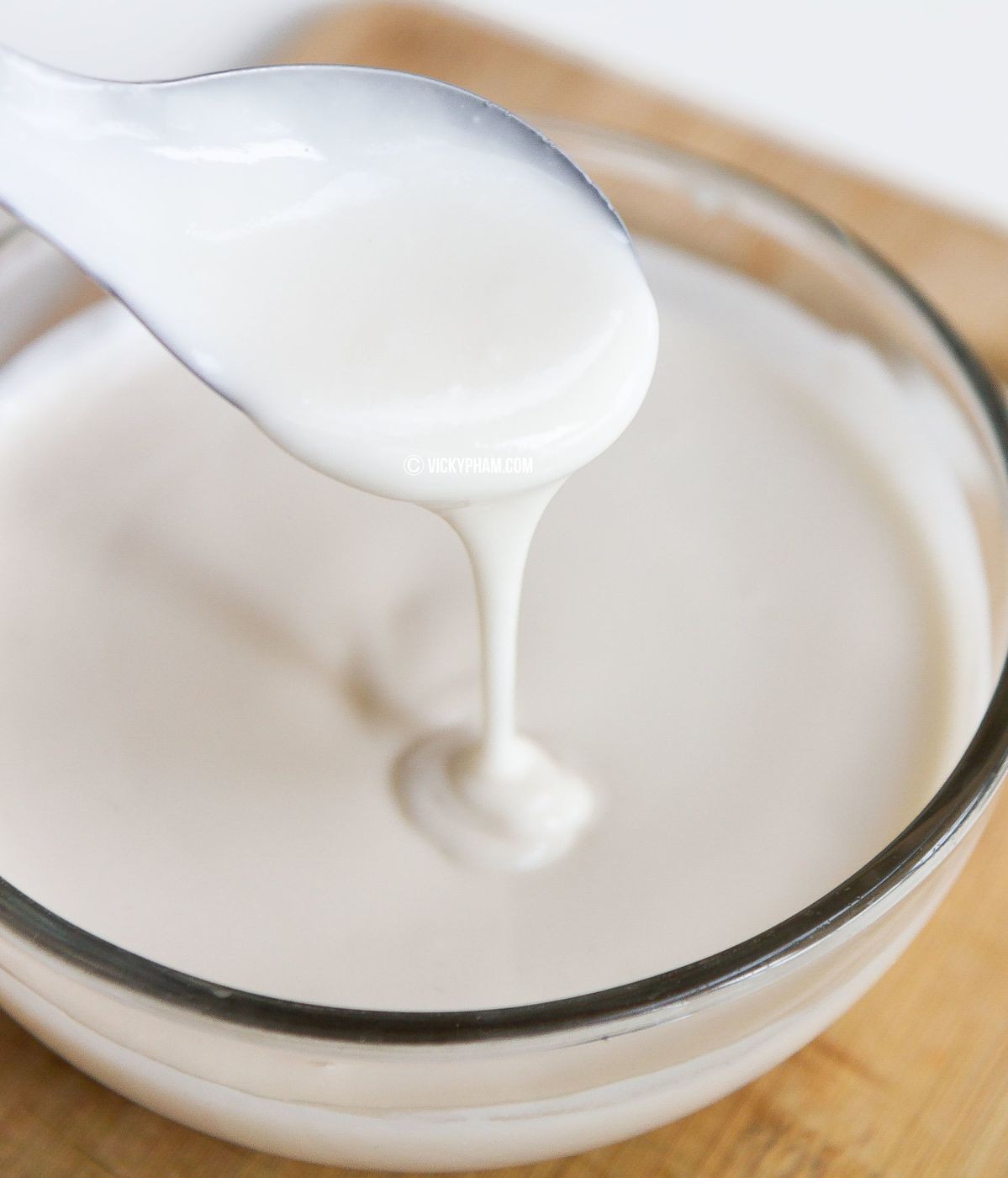
Carbohydrates provide the body with energy for daily activities. In coconut milk powder, carbohydrates come primarily from the natural sugars found in coconut milk as well as ingredients that may be added during processing to improve product stability and solubility.
In addition to healthy fats, coconut milk powder also contains carbohydrates and a modest amount of plant-based protein.
Carbohydrates and Protein
Because of these properties, coconut milk powder is widely used as an alternative to dairy cream, non-dairy creamers, or animal-based milk in many recipes.
- Adds a naturally rich and creamy taste to foods and beverages.
- Improves smoothness and texture in finished products.
- Enhances the overall flavor profile of recipes.
- Supports the absorption of fat-soluble vitamins such as vitamins A, D, E, and K.
- Improves the sensory quality and mouthfeel of food products.
Beyond supplying energy, the natural fat in coconut milk powder offers several functional benefits in food preparation:
Most of the fat comes from plant-based saturated fat naturally present in coconuts, including medium-chain triglycerides. Compared with long-chain fatty acids, MCTs are metabolized more rapidly by the body and can be converted into energy more efficiently.
Fat is the primary nutritional component of coconut milk powder, giving it its signature creamy taste and smooth texture.
Fat
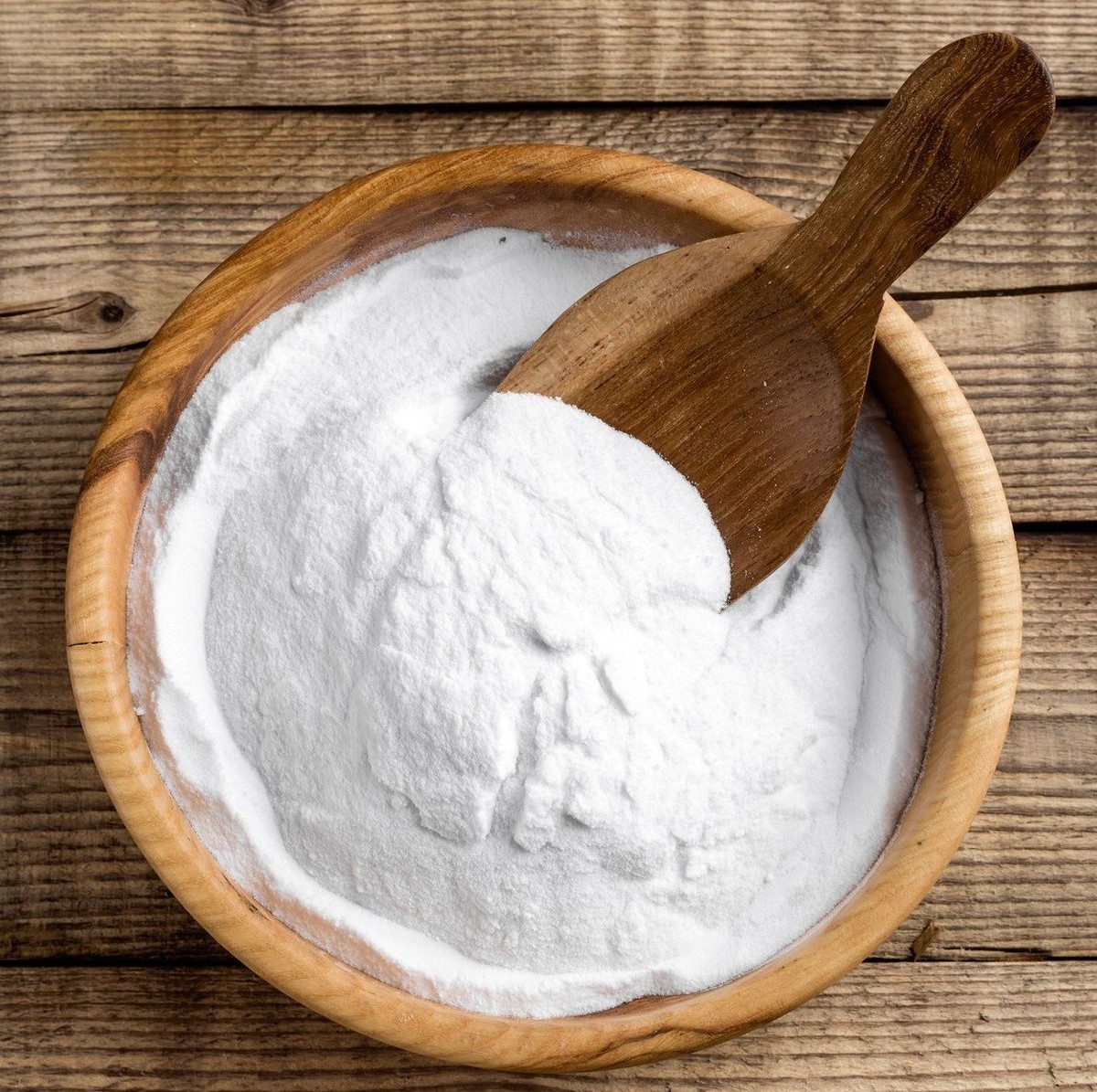
Although the exact nutritional composition may vary depending on the formulation and manufacturing process, coconut milk powder generally contains key nutrients such as fats, carbohydrates, protein, vitamins, and minerals. These nutrients contribute both to its culinary functionality and its nutritional value.
Coconut milk powder is valued not only for its rich, creamy flavor but also for its nutritional profile. Produced from fresh coconut milk using advanced drying technology, it retains many of the essential nutrients found in fresh coconut milk while offering a much longer shelf life.
Nutritional Value of Coconut Milk Powder
After passing quality inspection, the finished coconut milk powder is packaged in food-grade packaging materials that protect it from moisture, light, and other environmental factors. Thanks to this modern manufacturing process, coconut milk powder delivers consistent quality, convenient storage, and reliable performance for both domestic and international markets.
Packaging
This is the most critical stage of the manufacturing process. The standardized coconut milk is fed into a spray dryer, where moisture is rapidly removed to produce a fine powder. This advanced technology helps preserve the product's natural coconut aroma, color, and nutritional value while significantly extending its shelf life.
Spray Drying
The extracted coconut milk is filtered and standardized by adjusting its fat content, moisture level, and other quality parameters to ensure consistent product quality across production batches.
Standardization
After the coconuts are cleaned and shelled, the coconut meat is finely grated and mechanically pressed to extract pure coconut milk.
Coconut Meat Extraction and Coconut Milk Production
Mature coconuts are carefully selected from premium coconut-growing regions such as Ben Tre Province, Vietnam, where coconuts are known for their naturally high oil content and rich flavor.
Raw Material Selection
The typical manufacturing process includes the following steps.
High-quality coconut milk powder is manufactured through a carefully controlled production process designed to preserve the natural flavor and nutritional value of fresh coconut milk.
How Is Coconut Milk Powder Produced?
Choosing the right product depends on your intended application and the specific requirements of each recipe or food formulation.
| Criteria | Coconut Milk Powder | Coconut Flour |
|---|---|---|
| Raw material | Fresh coconut milk | Dried coconut meat |
| Flavor | Rich, creamy coconut flavor | Mild coconut flavor |
| Fat content | Higher | Lower |
| Fiber content | Lower | Higher |
| Typical applications | Beverages, curries, soups, desserts, and bakery products | Baking, cereals, snacks, and nutritional foods |
Coconut flour, on the other hand, is made from dried coconut meat after most of the oil has been extracted. It is naturally higher in dietary fiber and is commonly used in baking, breakfast cereals, gluten-free recipes, and nutritional products.
Coconut milk powder is produced from fresh coconut milk. It contains a relatively high fat content and is primarily used to prepare coconut milk for cooking, baking, beverages, and desserts that require a rich, creamy coconut flavor.
Although both products are derived from coconuts, coconut milk powder and coconut flour are entirely different in terms of raw materials, production methods, nutritional composition, and culinary applications.
Coconut Milk Powder vs. Coconut Flour
- Fine powder texture: Small, uniform particles that dissolve easily in water.
- Natural color: A cream-white color that reflects the appearance of fresh coconut milk.
- Rich coconut aroma: Retains the authentic fragrance of fresh coconut milk without being overpowering.
- Excellent solubility: Dissolves quickly when prepared correctly, minimizing clumping.
- Long shelf life: Can be stored for months under dry conditions, reducing waste compared to fresh coconut milk.
- Easy transportation: Lightweight and does not require refrigeration before reconstitution.
- These advantages make coconut milk powder an excellent choice for households, restaurants, cafés, and food manufacturers alike.
Its key characteristics include:
Coconut milk powder possesses several properties that make it suitable for modern food processing and culinary applications.
Characteristics of Coconut Milk Powder
Compared to traditional fresh coconut milk, coconut milk powder offers several practical advantages, including a longer shelf life, easier transportation, and more precise portion control during food preparation. As a result, it has become a popular ingredient in both household kitchens and commercial food manufacturing.
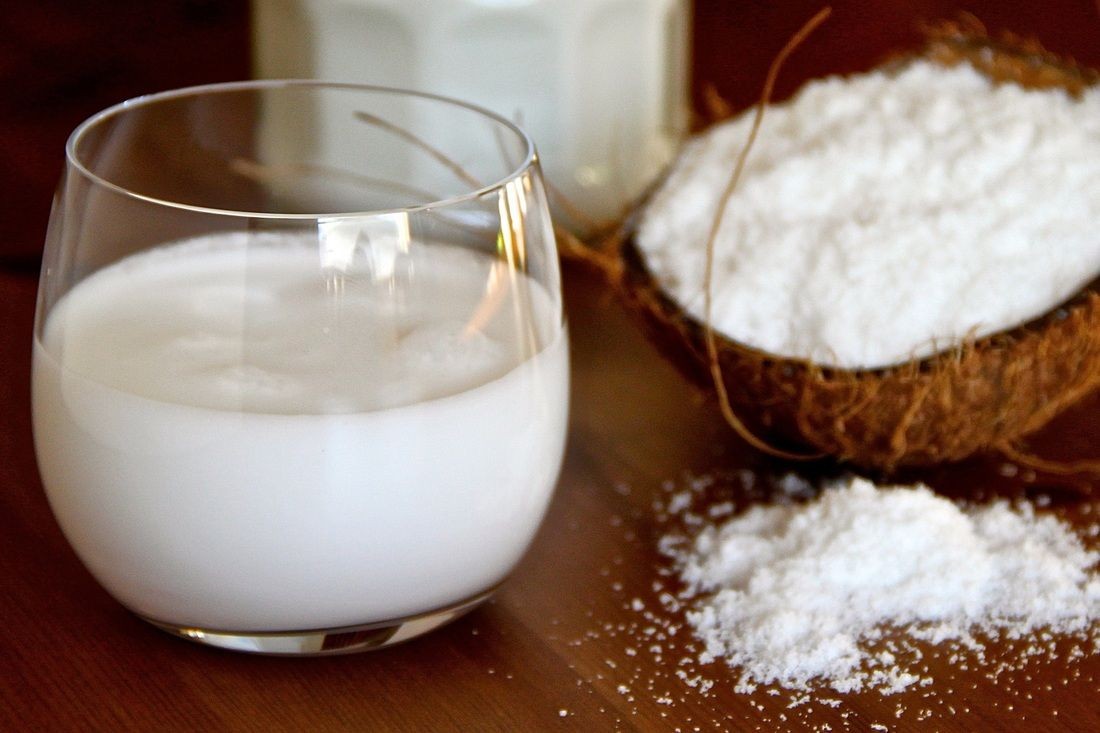
Coconut milk powder is produced from fresh coconut milk that has been concentrated and spray-dried using advanced processing technology. The final product is a fine, cream-white powder with a naturally rich coconut aroma. When mixed with water, it quickly reconstitutes into coconut milk with a creamy texture and authentic coconut flavor similar to freshly extracted coconut milk.
Please contact us via:
- Hotline/WhatsApp: (+84) 969 440 333
- Email: susan@comoon.vn
- Website: comoon.vn
Share :
Customer comments
Other news
COMOON Co., Ltd.
58 Co Giang Street, Cau Ong Lanh Ward, District 1, Ho Chi Minh City, Vietnam
T: (+84) 366 053 666
- Business Registration No.: 0318171053
- Issued on November 17, 2023 by the Department of Planning and Investment of Ho Chi Minh City.

Copyright © 2024 COMOON


