




- Login
- Register


News
The latest updates from COMOON. Stay tuned to not miss any information!
FROZEN COCONUT MEAT: CHARACTERISTICS, STANDARDS AND APPLICATIONS
Thursday, 06/08/2026, 01:07
Frozen coconut meat is increasingly used across the food processing industry for its long shelf life, preserved natural texture and suitability for large-scale production. What exactly is frozen coconut meat, what technology is behind it, what technical standards must it meet and how is it applied in industrial manufacturing and F&B? Let us explore the details with COMOON in the article below
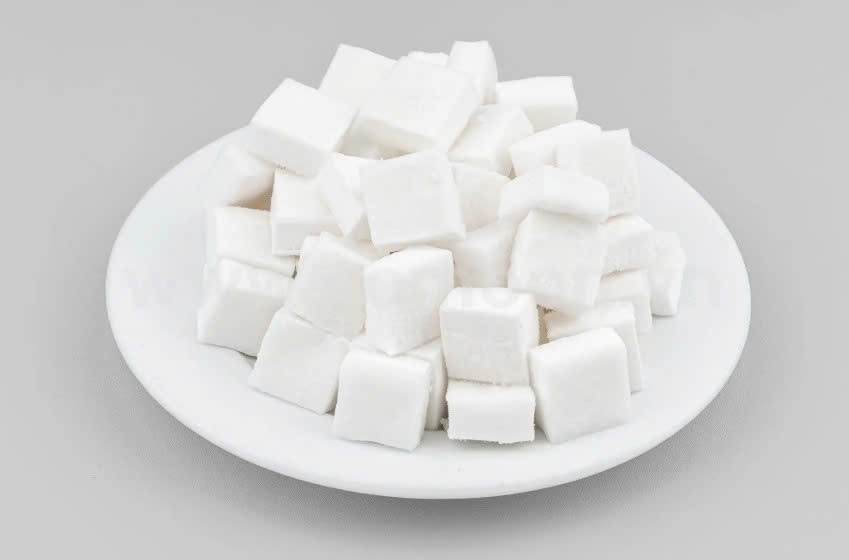
Frozen coconut meat from COMOON is produced from premium coconut-growing regions in Ben Tre, Viet Nam
What is frozen coconut meat?
Frozen coconut meat (also known as quick-frozen coconut) is the white flesh separated from the shell, cut to specification and then rapidly frozen at very low temperatures. The product retains the colour, texture and flavour close to that of fresh coconut meat. Its shelf life is considerably longer than fresh coconut.
Fresh coconut meat contains a high moisture content, so storage time after husking is quite short. Once frozen, the raw material can be stored for much longer while maintaining quality, enabling manufacturers to secure a stable supply and plan production throughout the year.
Coconut varieties used to produce frozen coconut meat
The quality of frozen coconut meat depends heavily on the input coconut variety. In industrial production, factories typically prioritise tall coconut cultivars, which yield large fruits with thick flesh suited for cutting into various specifications.
Vietnamese tall coconut
Dừa ta is the most common tall coconut variety in Viet Nam. The fruit has three distinct ridges and comes in three colours: green, yellow and red. Trees begin flowering approximately 4.5 to 5 years after planting, with an average yield of 60 to 70 fruits per tree per year. Dừa ta produces large fruits with flesh 11 to 13 mm thick, fresh meat weighing 400 to 500 g per fruit and a high oil content of 63 to 65%.
The thick, firm flesh makes dừa ta well suited for cutting into uniform dice, minimising crumbling during freezing, packing and transport.
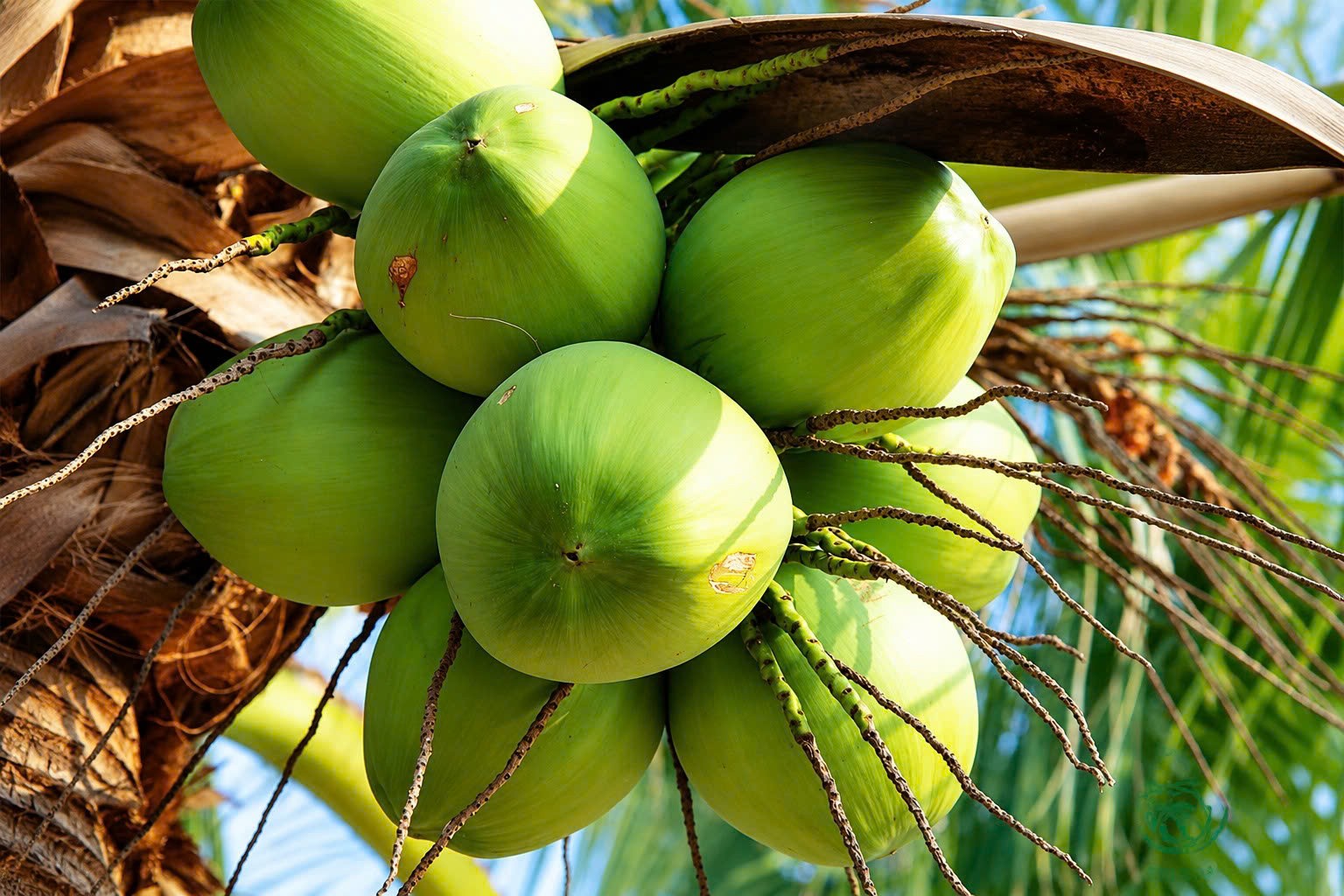
Vietnamese tall coconut (Source: Internet)
Vietnamese semi-tall coconut
Dừa dâu is the second most common tall variety after dừa ta, notable for its high yield of 80 to 100 fruits per tree per year. The fruit is medium-sized with a thin husk, thin shell and flesh 11 to 12 mm thick. Oil content also reaches 63 to 65%, comparable to dừa ta.
Consistent yield and uniform flesh quality make dừa dâu a reliable raw material source for large-scale processing facilities.
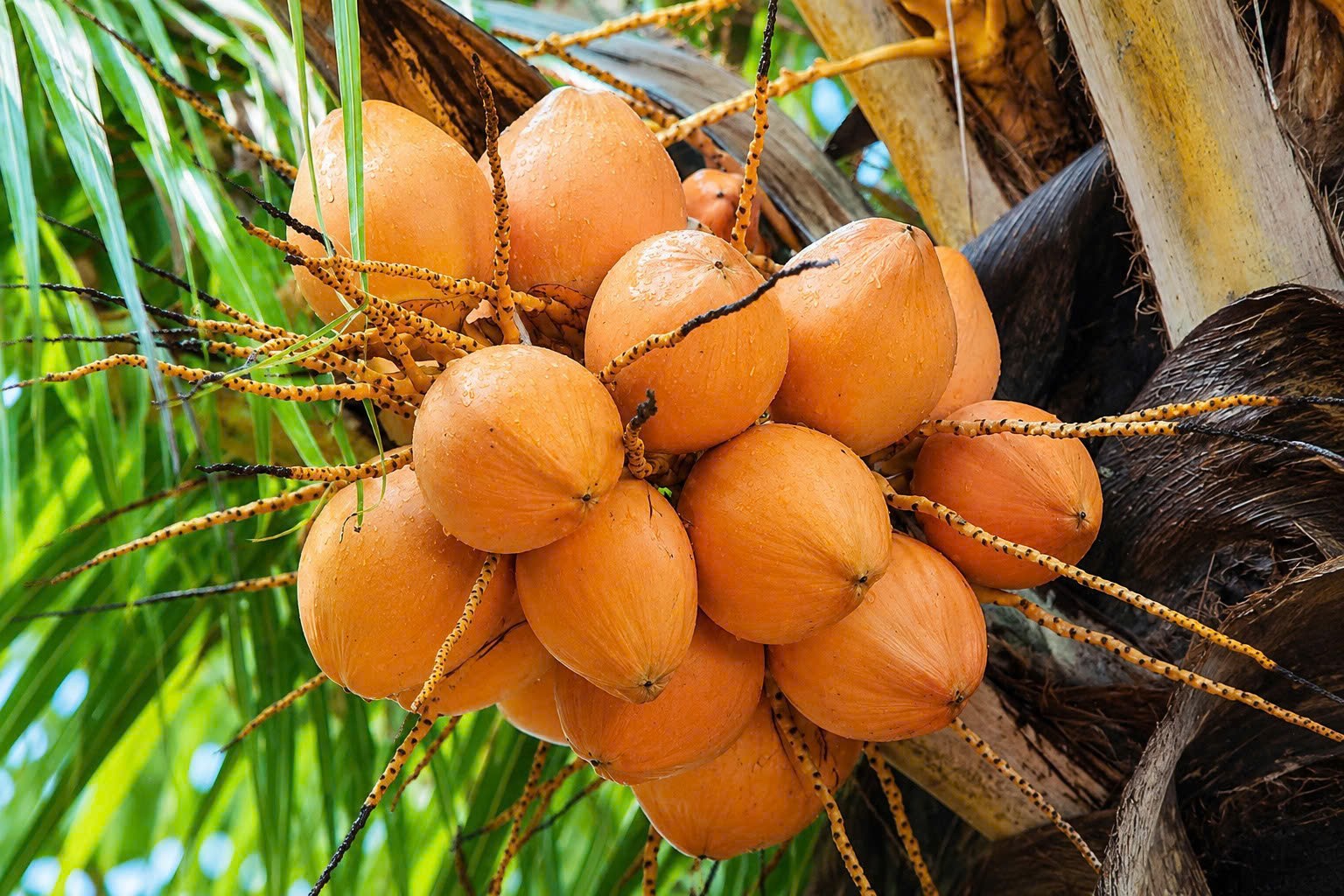
Bunches with abundant fruits, thinner husk and smaller shell than dừa ta (Source: Internet)
How does frozen coconut meat differ from fresh and desiccated coconut?
All three forms of coconut meat originate from the same raw material but differ in post-harvest processing. The table below summarises the key criteria for comparison.
| Criteria | Frozen coconut meat | Fresh coconut meat | Desiccated coconut |
| Processing method | Husked, diced, IQF quick-frozen | Husked, used immediately | Husked, dried to remove moisture |
| Moisture content | Retains the natural moisture of coconut meat | High, approximately 47% | Low, most water removed |
| Physical form | Individual dice, free-flowing, no clumping | Large pieces or shredded depending on preparation | Shredded or fine dry flakes |
| Flavour | Close to fresh coconut meat after thawing | Fresh, mildly sweet, juicy | Rich aroma, fatty, no longer juicy |
| Storage | Cold storage at −18 °C | Refrigerated, short-term use | Ambient temperature, dry conditions |
| Shelf life | 24 months | A few days | Several months depending on packaging |
| Applications | Industrial production, year-round F&B | On-site preparation, small scale | Confectionery, dry toppings, dry blending |
Each form has its own advantages. Fresh coconut meat suits short-term use, desiccated coconut is convenient for ambient-temperature storage, and frozen coconut meat balances raw material quality with extended storage time, meeting year-round production and processing needs.
Why is IQF technology used to produce frozen coconut meat?
IQF (Individual Quick Freezing) is a rapid-freezing technology that freezes each piece individually, widely applied in the frozen food industry. For coconut meat, IQF ensures each piece is frozen separately rather than clumping into a solid block.
Rapid freezing produces smaller ice crystals within the raw material. Frozen coconut meat therefore retains its shape, chewiness and colour better after thawing. The micro-sized ice crystals preserve cell structure intact. After thawing, the meat keeps its shape and firmness. The natural ivory-white colour and characteristic aroma remain unchanged.
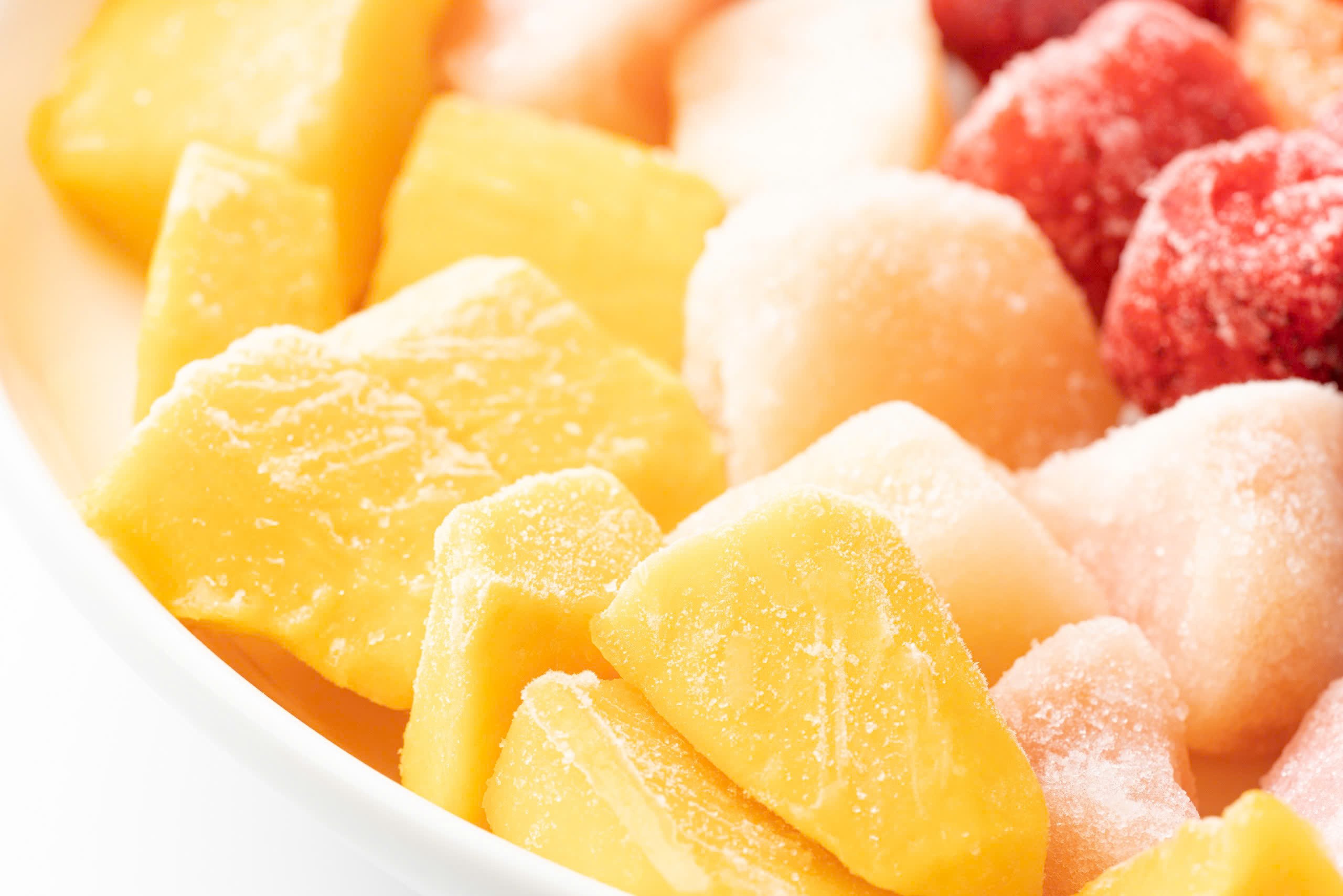
IQF quick-freezing technology keeps individual pieces free-flowing without clumping
Another advantage of IQF is that each piece of coconut meat stays separate, allowing users to take exactly the quantity needed without thawing the entire bag. This saves time and reduces waste.
Technical standards for frozen coconut meat
Technical specifications serve as the basis for importers and manufacturers to evaluate shipments before signing contracts. Below are the key standard categories to examine when selecting frozen coconut meat.
Sensory standards
Frozen coconut meat meeting quality requirements has a natural opaque white or ivory-white colour, with no yellowing or brown spots. The characteristic coconut aroma is distinct, with no off-odours or rancid oil smell.
After thawing, the pieces retain their firmness and natural chewiness. Uniformity across pieces within the same batch is also an important criterion for factories with automated portioning lines.
Size and form standards
Depending on the intended use, frozen coconut meat is typically cut to 15 mm, 20 mm and 25 mm dice. Smaller pieces suit beverages and desserts, while larger sizes are used for bakery products, grilled items or processed foods where the shape of the coconut meat needs to remain visible.
Composition standards
Coconut meat is a natural source of plant-based fat containing no cholesterol. The table below shows the composition per 100 g of fresh coconut meat according to the USDA nutrient database:
| Nutrient | Content per 100 g |
| Energy | 354 kcal |
| Fat | 33.5 g |
| Dietary fibre | 9.0 g |
| Protein | 3.3 g |
| Potassium | 356 mg |
| Magnesium | 32 mg |
| Iron | 2.4 mg |
| Cholesterol | 0 mg |
The fat portion of coconut meat contains medium-chain triglycerides, commonly referred to as MCTs. This type of fat is metabolised rapidly and has attracted interest from numerous nutritional product lines. The dietary fibre content of 9 g per 100 g is also high compared to most fruit-based raw materials.
Heavy metal and microbiological standards
In Viet Nam, heavy metal limits in food are regulated under QCVN 8-2:2011/BYT. The national technical regulation specifies maximum permissible levels for arsenic (As), cadmium (Cd), lead (Pb), mercury (Hg) and tin (Sn), expressed in mg/kg for each food category.
Microbiological criteria follow QCVN 8-3:2012/BYT, the national technical regulation on microbiological contamination in food. Vegetables, fruits and their products fall within the scope of this regulation. The standard divides criteria into two categories. Category A criteria are mandatory for conformity assessment testing. Category B criteria are exempt from testing if the manufacturer has controlled hazards through HACCP or GMP.
Exported goods must also comply with the specific regulations of each importing market. Importing businesses should request that suppliers provide test certificates for each production batch.
Storage standards
The standard cold-storage temperature for frozen coconut meat is −18 °C, maintained continuously throughout the supply chain. The product achieves a 24-month shelf life when stored under these conditions.
Temperature fluctuation is the most common cause of quality deterioration before the stated expiry date. Each time the temperature rises and drops again, ice crystals within the coconut pieces grow larger and begin to damage the cell structure. Packaging must be sealed to limit freezer burn on the surface of the pieces.
Frozen coconut meat production process
Step 1: Harvesting raw coconut
Raw coconuts are harvested when the fruit reaches the appropriate maturity, ensuring the flesh has the required thickness and fat content for production. This factor directly affects the quality of the finished product.
Step 2: Husking and extracting the coconut meat
After removing the husk and shell, the white flesh is extracted, the testa (brown skin) is pared off and the meat is washed before transferring to the cutting stage.
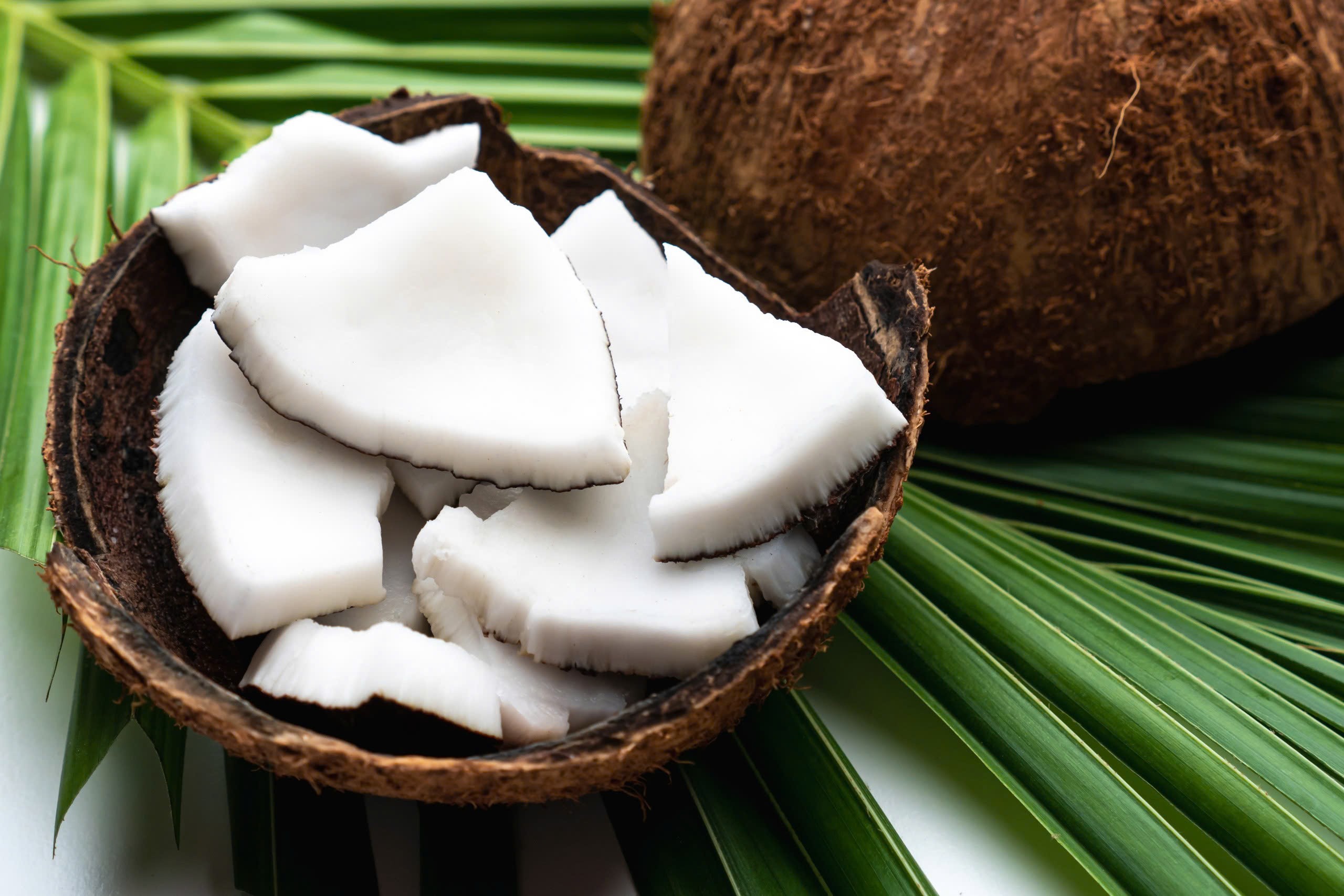
Coconut meat being separated from the shell before the cutting stage
Step 3: Dicing to specification
The coconut meat is cut into square pieces according to customer requirements. During this process, the cutting system is calibrated to ensure uniform piece sizes and minimise off-cuts
Step 4: IQF quick freezing
The diced coconut meat enters the IQF freezing system. Rapid freezing ensures each piece remains individually separated and retains quality after thawing.
Step 5: Packing
After freezing, the product is packed according to each order's specifications and immediately transferred to cold storage to maintain a stable temperature throughout the storage period.
Step 6: Cold storage at −18 °C
The finished product is transferred immediately to cold storage and held at a constant −18 °C until dispatch. Storage temperature is monitored continuously and recorded by shift. Goods are shipped by sea or air in refrigerated containers.
Applications of frozen coconut meat in industrial production
Frozen coconut meat is used across multiple sectors of the food processing industry thanks to its consistent quality, ease of portioning and compatibility with large-scale production lines. Depending on the product, manufacturers can select the appropriate dice size and packaging specification for their processing needs.
Raw material for biscuits and baked goods
Frozen coconut meat is used at the dry-mixing stage after thawing in a chiller room and draining. The product retains approximately 47% natural moisture content, so manufacturers need to adjust the water or milk ratio in the formula to achieve dough stability and the required rise.
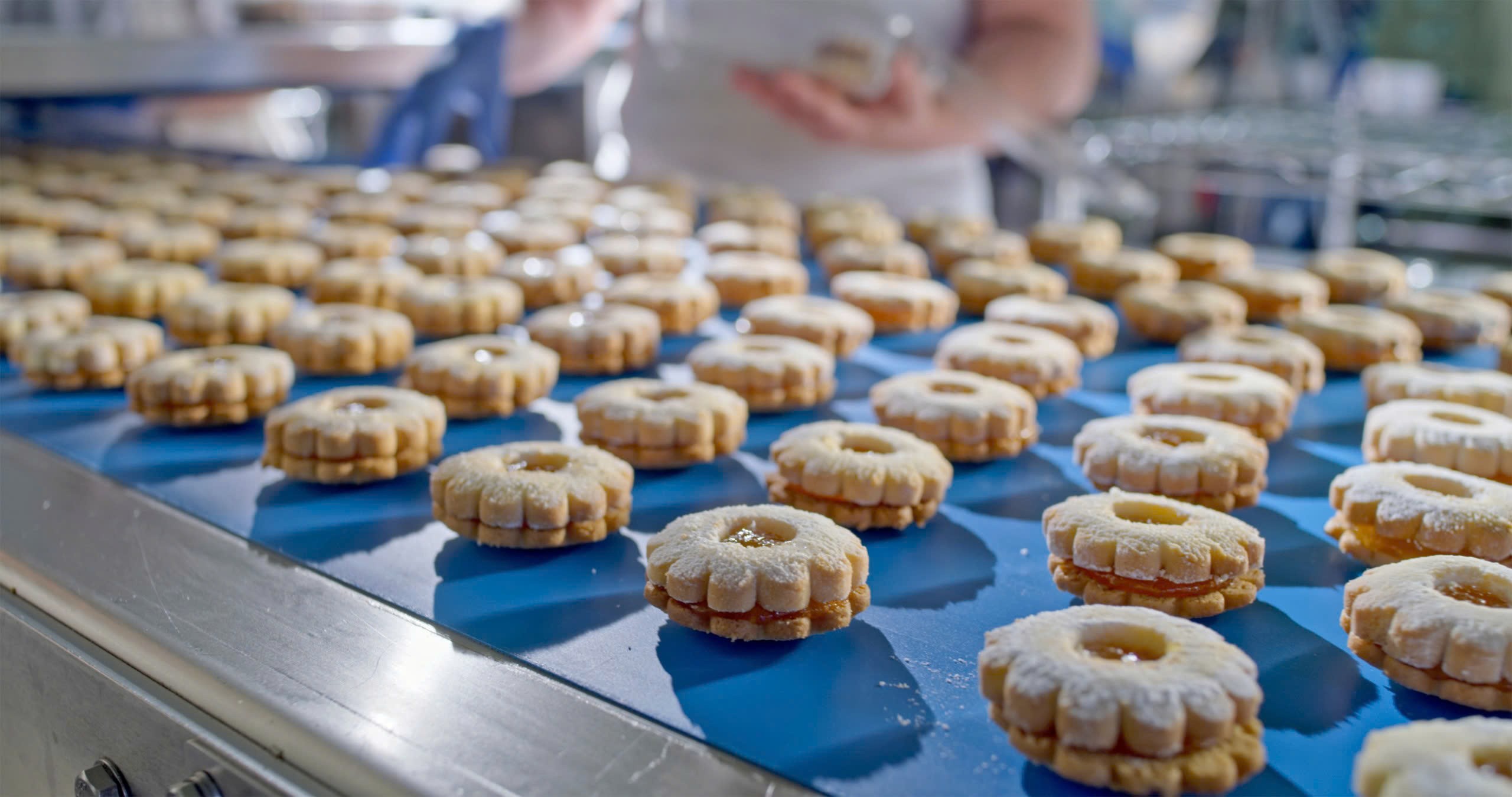
Baked coconut goods produced on an industrial line
Raw material for beverages and smoothies
Coconut water with pulp, fruit teas and bottled smoothies use frozen coconut meat as the solid component. The key technical constraint lies in the filling nozzle diameter. The coconut pieces must pass through smoothly; otherwise the line will jam or dispense under the target portion weight.
Raw material for processed foods
Frozen coconut meat is used in products such as preserves, pastry fillings and ready-to-eat foods. After thawing, the material can go directly into the blending or cooking stage without additional preparation.
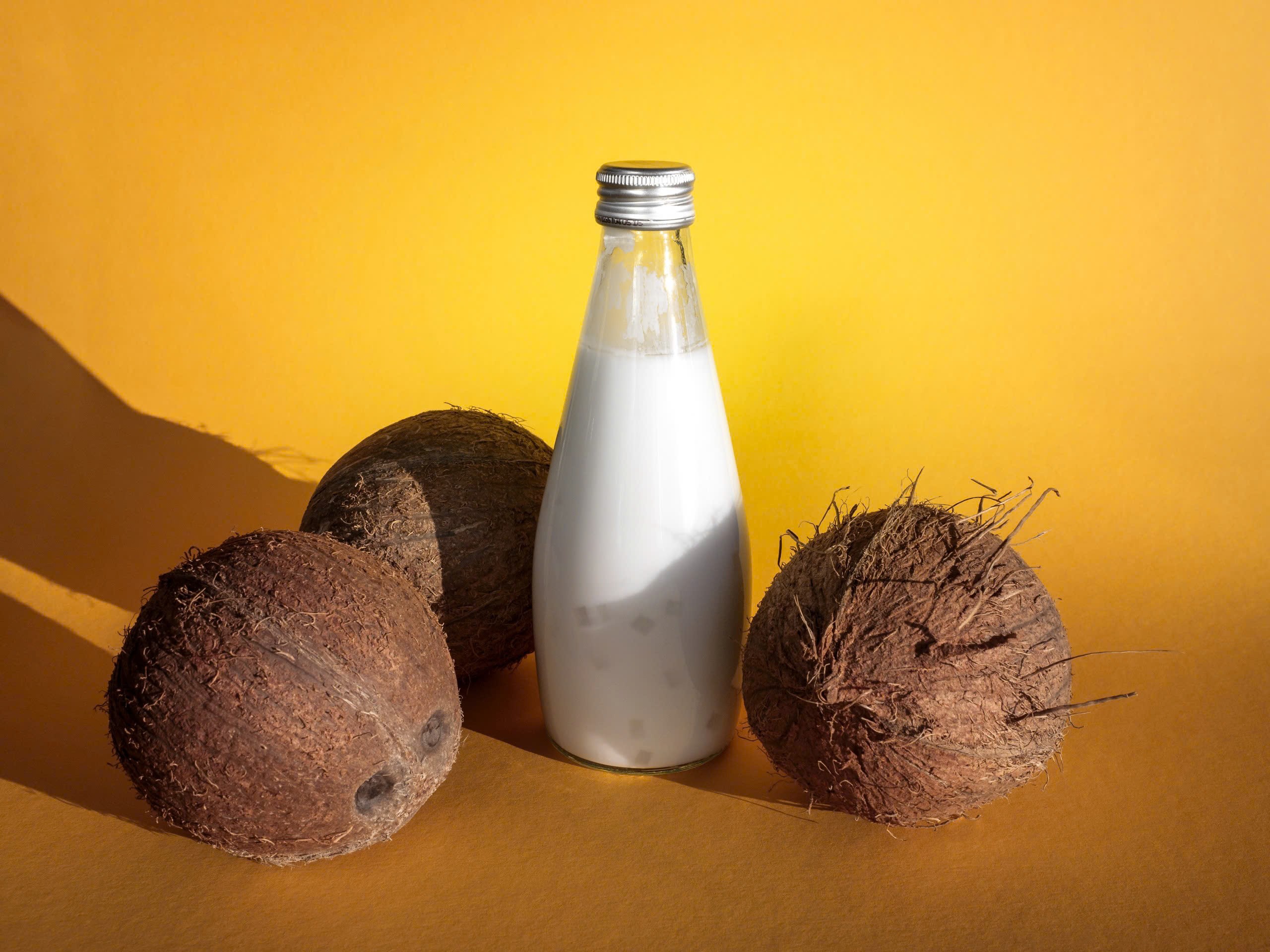
Coconut pieces in pastry fillings and preserves absorb the sugar syrup during cooking and hold their shape throughout the product's shelf life. The 20 mm and 25 mm dice suit products that need the coconut pieces to be clearly visible when sliced.lát.
Raw material for OEM and Private Label
OEM and Private Label orders are typically placed in recurring batches throughout the year, sometimes months apart. The greatest challenge is not the quality of any single batch but the consistency between batches. Fixed dice specifications, a 24-month shelf life and batch-specific test certificates are the three conditions that enable a supplier to meet this requirement.
OEM partners also assess on-time delivery capability and the traceability documentation package required by each importing market's regulations.
Applications of frozen coconut meat in F&B
Frozen coconut meat is the choice of many restaurants, cafés and dessert shops for its stable supply and convenient storage. Each time it is needed, kitchen staff simply take out the required quantity while the remainder continues to be stored in the freezer for subsequent service periods.
Topping for chè and desserts
After thawing, frozen coconut meat can be used immediately as a topping for chè (Vietnamese sweet soup), grass jelly, agar jelly and various cold desserts. The 15 mm dice suits individual serving sizes, eliminating the need for further cutting before use.
In sugar syrup, the coconut pieces maintain their chewiness and shape relatively well. This helps establishments save preparation time while maintaining consistent dish quality across service periods.
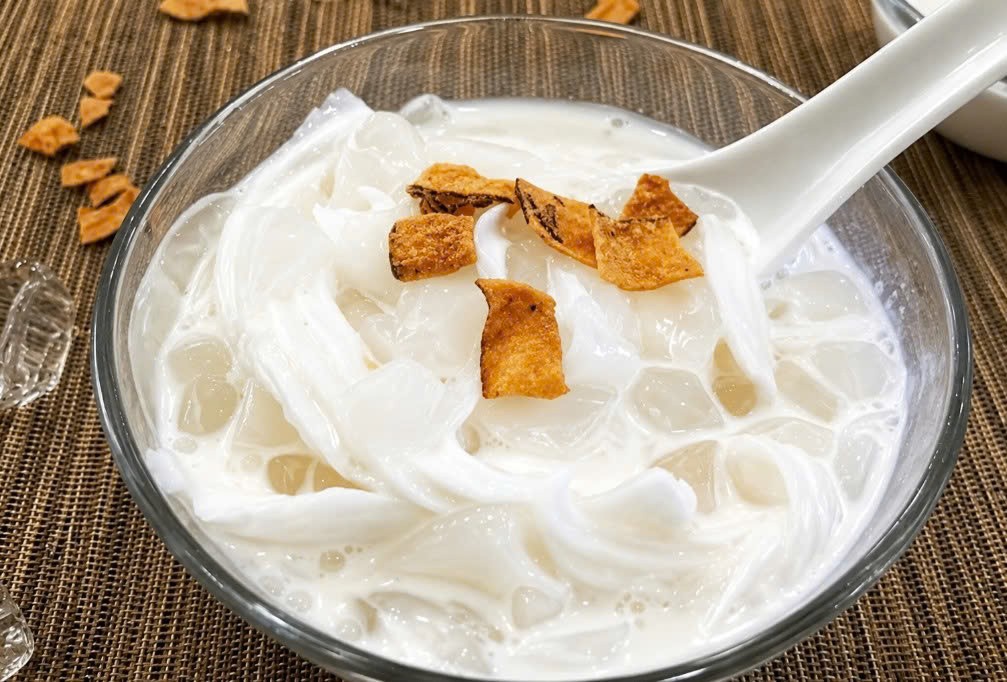
Chè dừa dầm, Vietnamese coconut dessert soup (Source: Internet)
Ingredient for coconut ice cream
Coconut ice cream is one of the most popular applications of frozen coconut meat. The material can be incorporated into the ice cream base or used as a topping to add texture and flavour to the finished product.
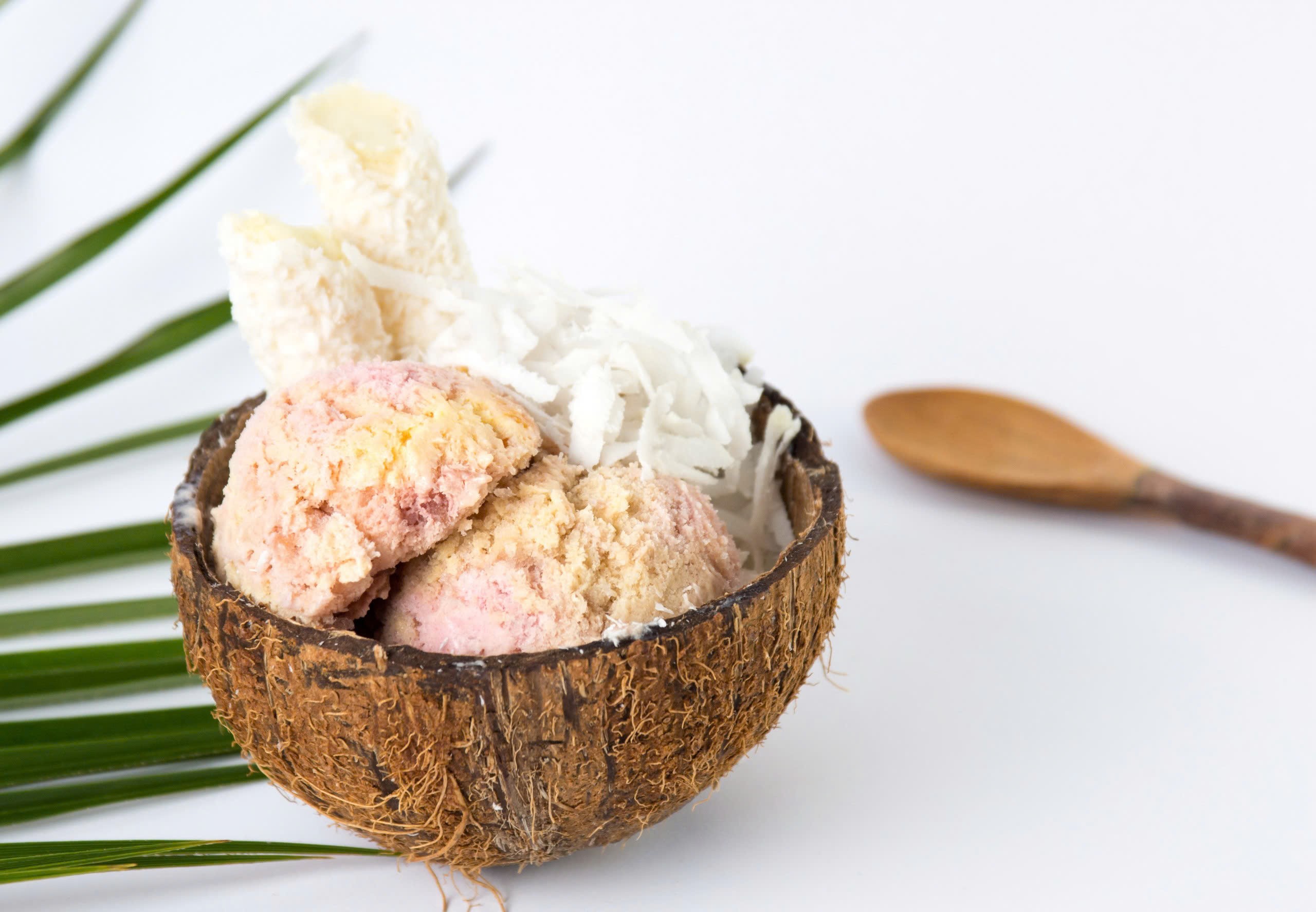
Coconut ice cream with diced coconut meat topping
Because the coconut meat is stored at low temperature, it does not significantly affect the temperature of the ice cream mixture during blending. A stable year-round supply also helps shops plan production consistently, even when fresh coconut availability on the market fluctuates.
Component in smoothies and blended iced beverages
Frozen coconut meat can be blended directly with ice and other ingredients to prepare smoothies, shakes or coconut-flavoured beverages. The pre-chilled material helps maintain the drink's temperature and texture during preparation.
For recipes that require whole coconut pieces, the meat is thawed before adding to the glass - as in smoothie bowls, coconut milk tea or beverages with solid toppings.
Frozen coconut meat in international cuisine
Coconut meat is a key ingredient in numerous traditional pastries and sweets across many regions worldwide. The four dishes below are the most common applications in export markets.
Buko Salad
Buko salad is a Filipino dessert, often served at birthday celebrations, town fiestas and the Christmas Eve Noche Buena dinner. The name comes from buko in Tagalog, meaning young coconut.
Coconut meat forms the base of the dish, providing chewiness and a mild fatty note that balances the rich, sweet cream dressing. The traditional version uses young coconut meat sliced into strips. With frozen coconut meat, select the 15 mm dice and slice into strips after thawing.
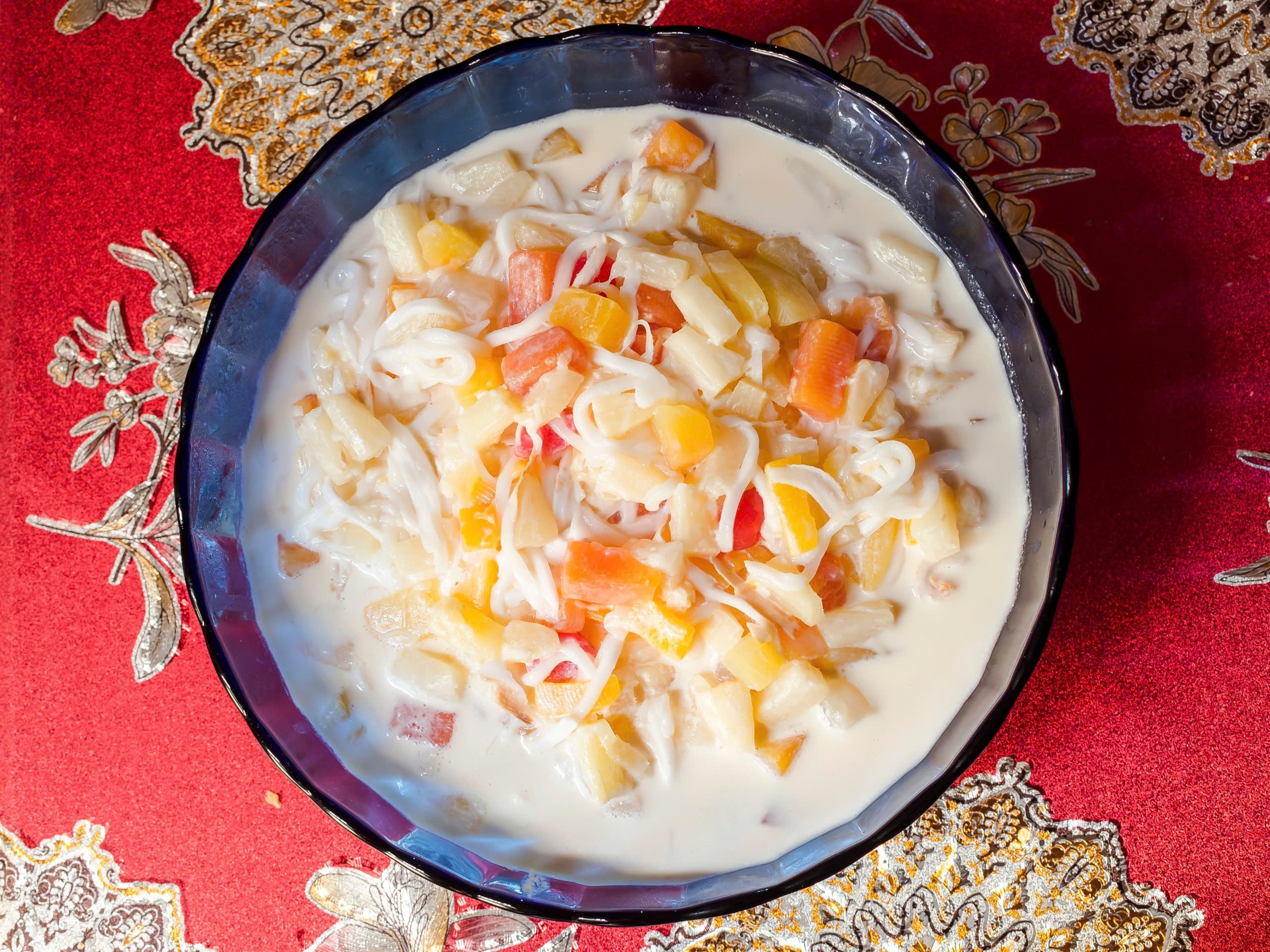
Buko salad, a beloved coconut dessert served at Filipino celebrations
Ingredients: frozen coconut meat, sweetened condensed milk, whipping cream, nata de coco, kaong (sugar palm fruit), pineapple and canned fruit cocktail.
Thaw the coconut meat in a chiller and slice into strips. Drain all canned fruit thoroughly in a colander. Combine coconut meat with fruit, nata de coco and kaong in a large bowl. Add condensed milk and cream, then fold gently until all ingredients are evenly coated. Chill for at least four hours before serving.
Nariyal Ladoo
Nariyal ladoo is a traditional Indian sweet, prepared for major festivals such as Diwali, Holi and Raksha Bandhan. It is also commonly offered as a devotional prasad.
Coconut meat serves as both the main ingredient and the binding agent, determining the softness and moisture of each ball. Frozen coconut meat can be used for this preparation after thawing and blending to a fine paste.
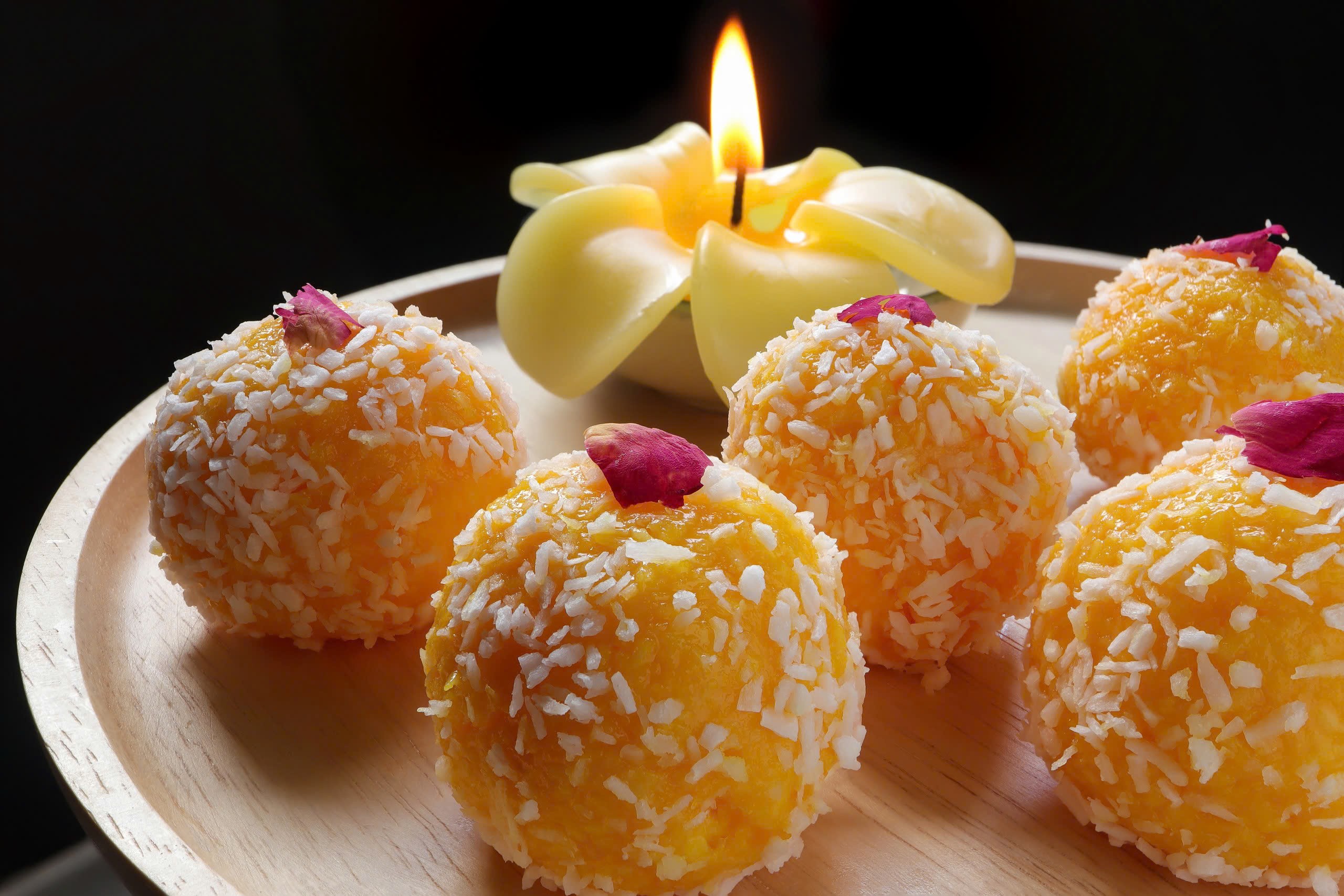
Nariyal ladoo, a festive sweet featured in major Indian celebrations
Ingredients: frozen coconut meat blended to a fine paste, sweetened condensed milk, ghee and ground cardamom.
Thaw the coconut meat, blend to a smooth paste and drain excess moisture. Melt ghee in a non-stick pan over medium heat, add the coconut paste and stir for 2 to 3 minutes until fragrant. Pour in the condensed milk and stir continuously until the mixture thickens and pulls away from the sides of the pan. Add ground cardamom, mix thoroughly and turn off the heat. Allow the mixture to cool slightly, grease the palms with ghee, then roll into small balls. Roll each ball through blended coconut to create an outer coating.
Basbousa
Basbousa is a semolina cake soaked in syrup, one of the most beloved desserts in Egypt and widely enjoyed across the Middle East. It appears prominently during Ramadan, typically served after the iftar meal alongside Arabic coffee or mint tea.
Coconut meat adds moisture and richness to the cake's crumb while tempering the sweetness of the syrup. The Egyptian version stands out for its generous use of coconut and butter compared to related variants such as the Turkish revani.
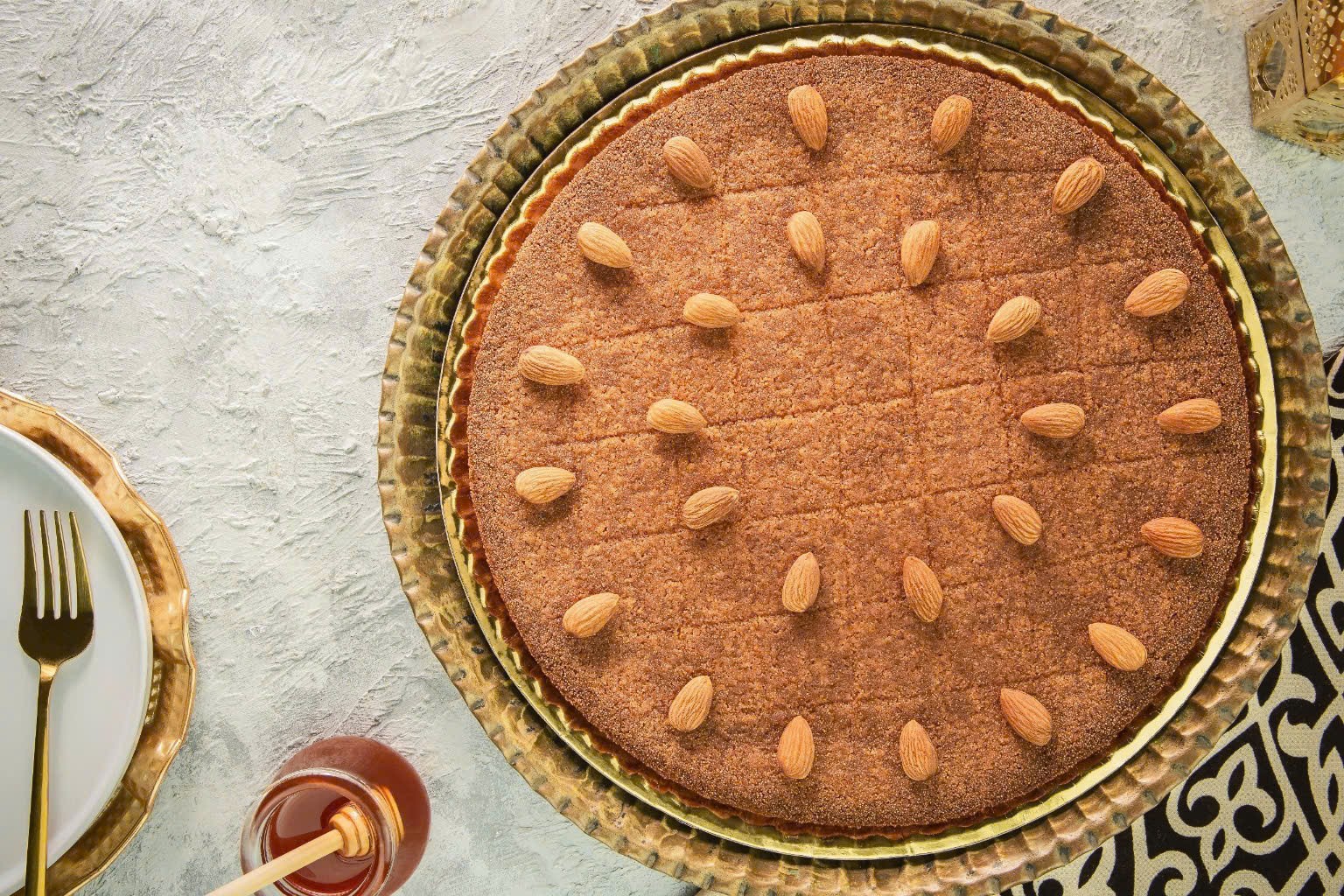
Basbousa, a coconut semolina cake popular in Egypt and the Middle East
Ingredients: frozen coconut meat blended to a fine paste, semolina, sugar, yoghurt, butter, baking powder, almonds, and sugar syrup with rose water.
Thaw and blend the coconut meat to a fine paste, then drain excess moisture. Combine semolina, sugar, coconut paste and baking powder in a large bowl. Melt butter and pour into the dry mixture along with yoghurt, mixing until smooth. Spread the batter into a baking tray, score into diamond shapes and place an almond in the centre of each piece. Bake until the surface is evenly golden. Prepare sugar syrup with rose water and allow it to cool completely. Pour the cold syrup over the cake immediately upon removal from the oven and rest for at least 2 hours to allow full absorption.
Coconut Macaroon
Coconut macaroons are a familiar coconut biscuit in European and North American markets, sold year-round in bakeries with sales peaking during the year-end festive season. The exterior is golden and crisp while the interior remains soft and chewy.
Coconut meat makes up nearly the entire weight of the biscuit, replacing the role of flour in conventional biscuit recipes. Long coconut shreds hold their structure, preventing the biscuits from collapsing in the oven.
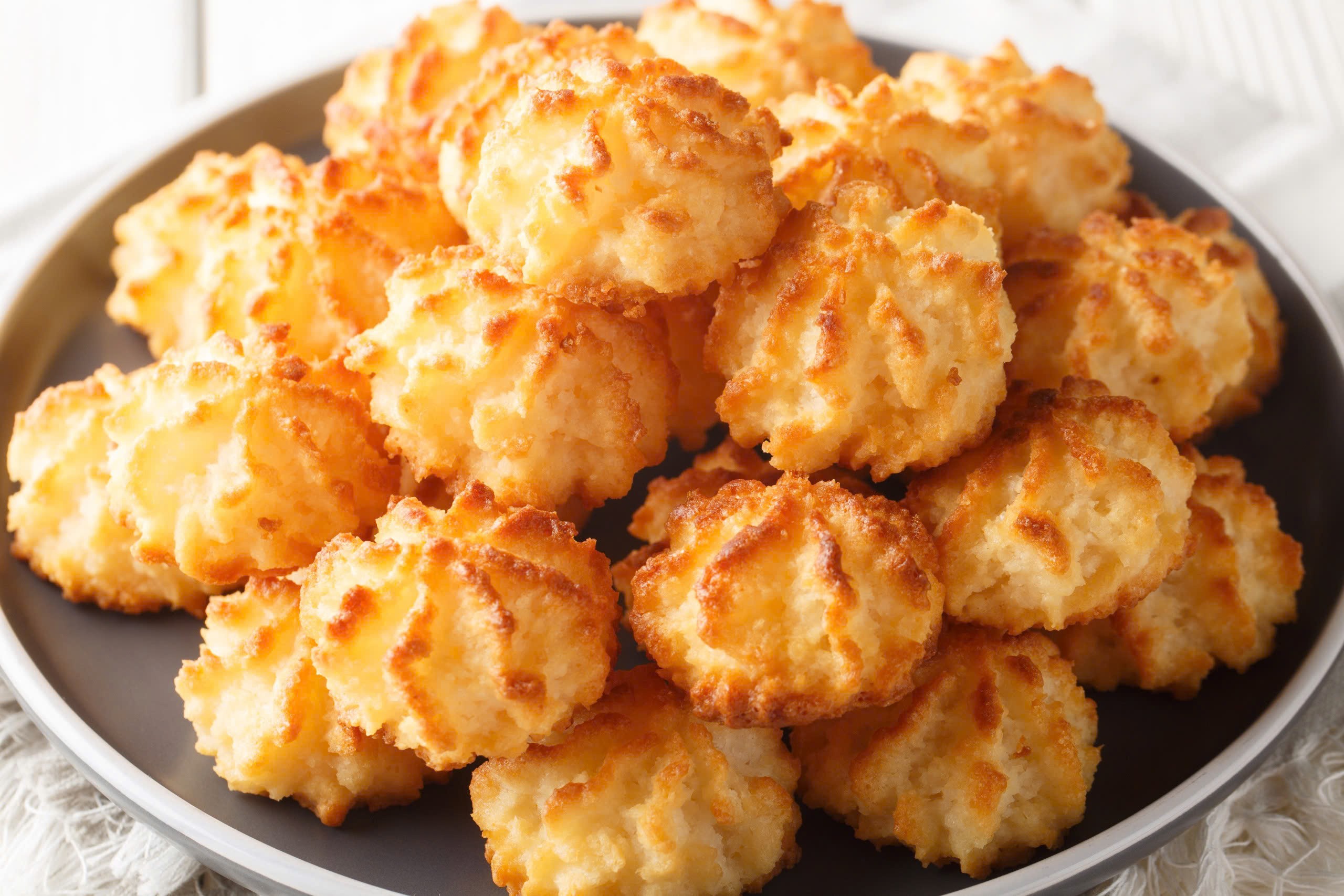
Coconut macaroon
Ingredients: frozen coconut meat shredded, sweetened condensed milk, egg whites, vanilla, salt and dark chocolate.
Thaw the coconut meat, shred and drain thoroughly. Combine the coconut with condensed milk, vanilla and salt in a bowl. Whisk the egg whites in a clean, dry bowl until stiff peaks form. Fold the egg whites gently into the coconut mixture, taking care not to deflate the foam. Scoop individual portions onto a lined baking tray, spacing them approximately 2.5 cm apart. Bake at 165 °C for 20 to 25 minutes until the tops and edges are golden. Allow to cool completely, then dip the base of each biscuit into melted chocolate.
How to store and use frozen coconut meat after opening
Frozen coconut meat should be thawed in the refrigerator compartment, not at room temperature. According to the United States Food and Drug Administration (FDA), food left to thaw at room temperature creates conditions for rapid bacterial growth. Three safe thawing methods are: thawing in the refrigerator, thawing in cold water and thawing in the microwave.
Thawed portions should be used promptly and not left in the chiller for extended periods. Coconut meat thawed in the refrigerator and kept continuously below 4 °C can be refrozen, although sensory quality will decline with each thaw cycle. Portions that have been left at room temperature should not be refrozen.
Unopened bags should remain in the freezer at −18 °C until the use-by date printed on the packaging. Opened bags should be heat-sealed or tightly secured to limit freezer burn and odour absorption from other items in storage.
Where to buy frozen coconut meat
In Viet Nam, COMOON Co., Ltd. is one of the suppliers of frozen coconut meat for both domestic and export markets. The product is manufactured from coconut sourced in Ben Tre Province.
COMOON frozen coconut meat is processed and quick-frozen immediately after husking, preserving the natural flavour, colour and flesh texture. The product is available in three dice sizes - 15 mm, 20 mm and 25 mm - packed in PE or PA bags to customer requirements, with a shelf life of 24 months at −18 °C.
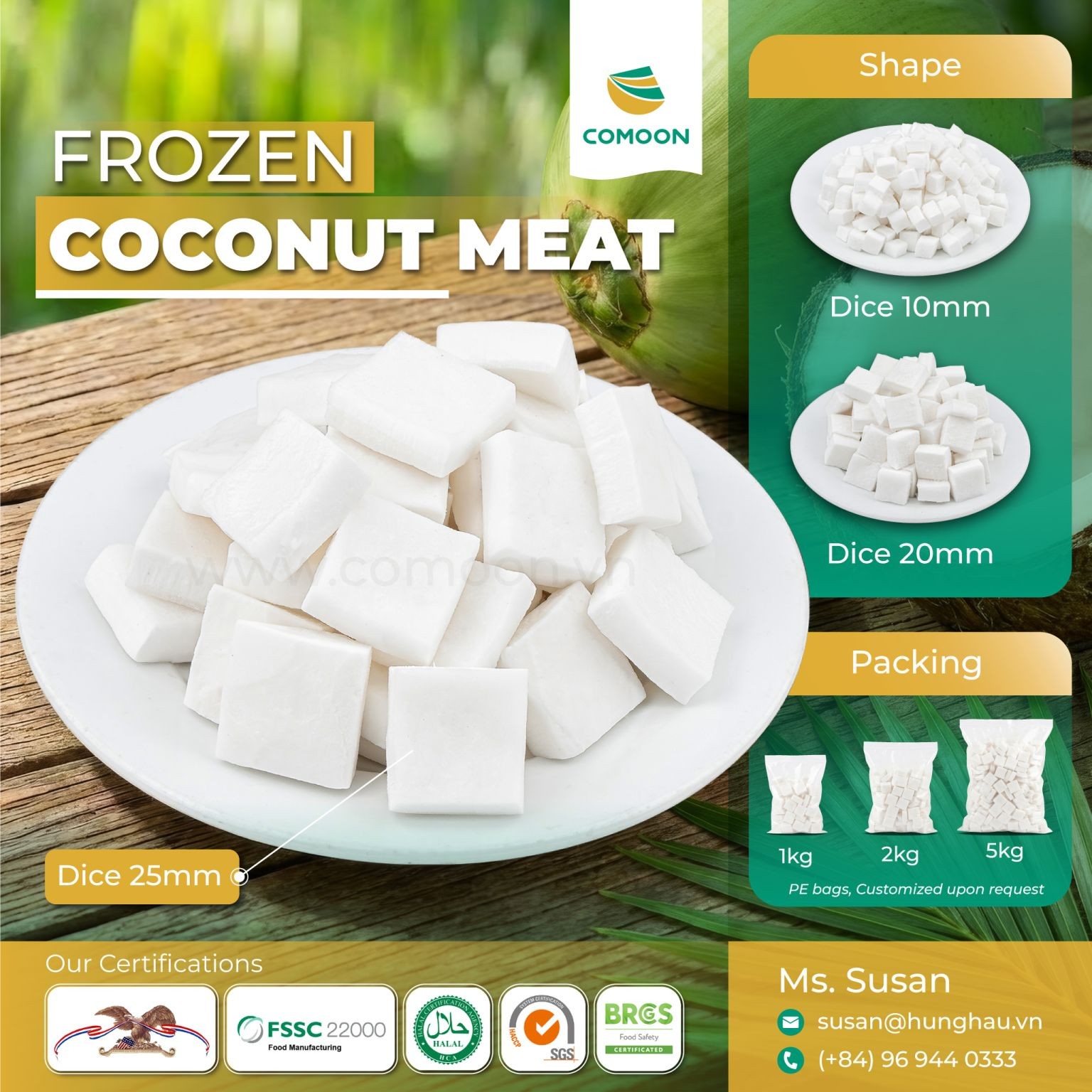
Three dice specifications of COMOON frozen coconut meat
Why choose frozen coconut meat from COMOON?
Stable raw material supply from the Ben Tre coconut region: COMOON holds an advantage through its coconut sourcing area in Ben Tre, with direct connections to coconut-farming households. COMOON therefore maintains a steady output aligned with partner production plans.
Quick-frozen at an internationally certified facility: COMOON is a member company of HungHau Foods Joint Stock Company, with over 40 years of experience in processing and exporting agricultural products. The factory and products hold international certifications including BRCGS, FSSC 22000, SGS, HALAL and FDA.
Flexible specifications and year-round availability: Three dice sizes and customisable packaging specifications accommodate a wide range of applications. The coconut season in Ben Tre runs year-round, ensuring consistent supply and competitive pricing for both individual buyers and corporate clients.
Partners preparing production plans are welcome to contact COMOON for samples and detailed technical specifications. Explore more coconut-based industrial products from COMOON.
Frequently asked questions
-
How long can frozen coconut meat be stored?
The product has a 24-month shelf life when kept continuously at −18 °C. Temperature fluctuation in storage will reduce quality before the date printed on the packaging. -
Can frozen coconut meat be used directly or does it require further processing?
After thawing, the product can be used immediately for toppings, salads and smoothies without cooking. For baked goods, ice cream or stewed dishes, add it directly to the recipe at the appropriate stage. -
Does frozen coconut meat contain preservatives?
No. The product relies solely on freezing for preservation. Low temperature inhibits microbial activity, eliminating the need for additives. -
Is frozen coconut meat suitable for a vegetarian diet?
The product is entirely plant-based, contains no cholesterol and uses no animal-derived ingredients. It is compatible with vegetarian, vegan and dairy-free recipes. -
Does eating a lot of frozen coconut meat cause weight gain?
100 g of coconut meat provides approximately 354 kcal, primarily from natural fat. Consumed in moderate portions within a balanced diet, this is not a concern. -
Which country produces the best frozen coconut meat?
Quality depends on coconut variety, freezing technology and cold-chain control rather than the country of origin alone. Countries within the Asia-Pacific coconut belt — such as Viet Nam, the Philippines, Indonesia and Thailand — all supply the international market. -
Which companies in Viet Nam produce frozen coconut meat?
COMOON is one of the internationally certified frozen coconut meat suppliers in Viet Nam. Products serve both domestic customers and OEM and Private Label export orders.
Frozen coconut meat is a convenient raw material for food and beverage manufacturers incorporating coconut-based ingredients. This article has covered the characteristics, technical standards, production process and applications of frozen coconut meat. Partners should select a reputable, experienced supplier to provide frozen coconut meat that meets their production and processing requirements.
Contact information:
COMOON Co., Ltd.
Phone: +84 366 053 666
Email: info@comoon.vn
Website: comoon.vn
References:
- Phân loại giống dừa Việt Nam – Hiệp hội Dừa tỉnh Bến Tre https://hiephoiduabentre.vn/node/540
- Giới hạn ô nhiễm kim loại nặng trong thực phẩm theo QCVN 8-2:2011/BYT https://thuvienphapluat.vn/chinh-sach-phap-luat-moi/vn/ho-tro-phap-luat/tu-van-phap-luat/57134/gioi-han-o-nhiem-kim-loai-nang-trong-thuc-pham-theo-qcvn-8-2-2011-byt
- Quy chuẩn kỹ thuật quốc gia QCVN 8-3:2012/BYT về ô nhiễm vi sinh vật trong thực phẩm https://caselaw.vn/van-ban-phap-luat/251100-quy-chuan-ky-thuat-quoc-gia-qcvn-8-3-2012-byt-ve-o-nhiem-vi-sinh-vat-trong-thuc-pham-nam-2012
- Hướng dẫn rã đông thực phẩm an toàn – Cơ quan Quản lý Thực phẩm và Dược phẩm Hoa Kỳ (FDA) https://www.fda.gov/food/buy-store-serve-safe-food/refrigerator-thermometers-cold-facts-about-food-safety
- Thành phần dinh dưỡng của cơm dừa theo cơ sở dữ liệu USDA https://tools.myfooddata.com/nutrition-facts/170169/wt1
Share :
Customer comments
Other news
COMOON Co., Ltd.
58 Co Giang Street, Cau Ong Lanh Ward, District 1, Ho Chi Minh City, Vietnam
T: (+84) 366 053 666
- Business Registration No.: 0318171053
- Issued on November 17, 2023 by the Department of Planning and Investment of Ho Chi Minh City.

Copyright © 2024 COMOON


